

Serious failures on the road.
Injured drivers, passengers, pedestrians, riders, and families have suffered serious harm when vehicles and mobility products failed during ordinary use or in a crash.
The consequences can include catastrophic injury, burns, traumatic brain injury, spinal cord damage, amputations, repeat surgeries, or death.
Recalls, federal safety investigations, consumer warnings, and documented defect reports have kept these transportation risks in focus.
If a crash, fire, rollaway, restraint failure, or battery incident changed your life, the central question is whether a dangerous product defect or preventable safety failure played a role.

How Much Is Your Case Worth?
What Are Vehicle, Transportation & Mobility Product Defects?
Vehicle, transportation, and mobility product defects involve unsafe design, manufacturing defects, inadequate warnings, software failures, or safety systems that do not perform as they should. These claims may involve traditional motor vehicles, newer electric and automated technologies, or smaller mobility products used for commuting, recreation, or delivery work.
A product may be defective because it was designed in a way that created an unreasonable risk. It may also be defective because a specific component was improperly manufactured, assembled, installed, programmed, inspected, repaired, or labeled. In some cases, the issue involves a failure to warn consumers about known hazards or a failure to act quickly after similar incidents were reported.
These cases often overlap with crashworthiness, product liability, negligence, and wrongful death law. The facts determine the legal path.
Transportation Defect Cases We Handle
Auto Defect & Crashworthiness Claims
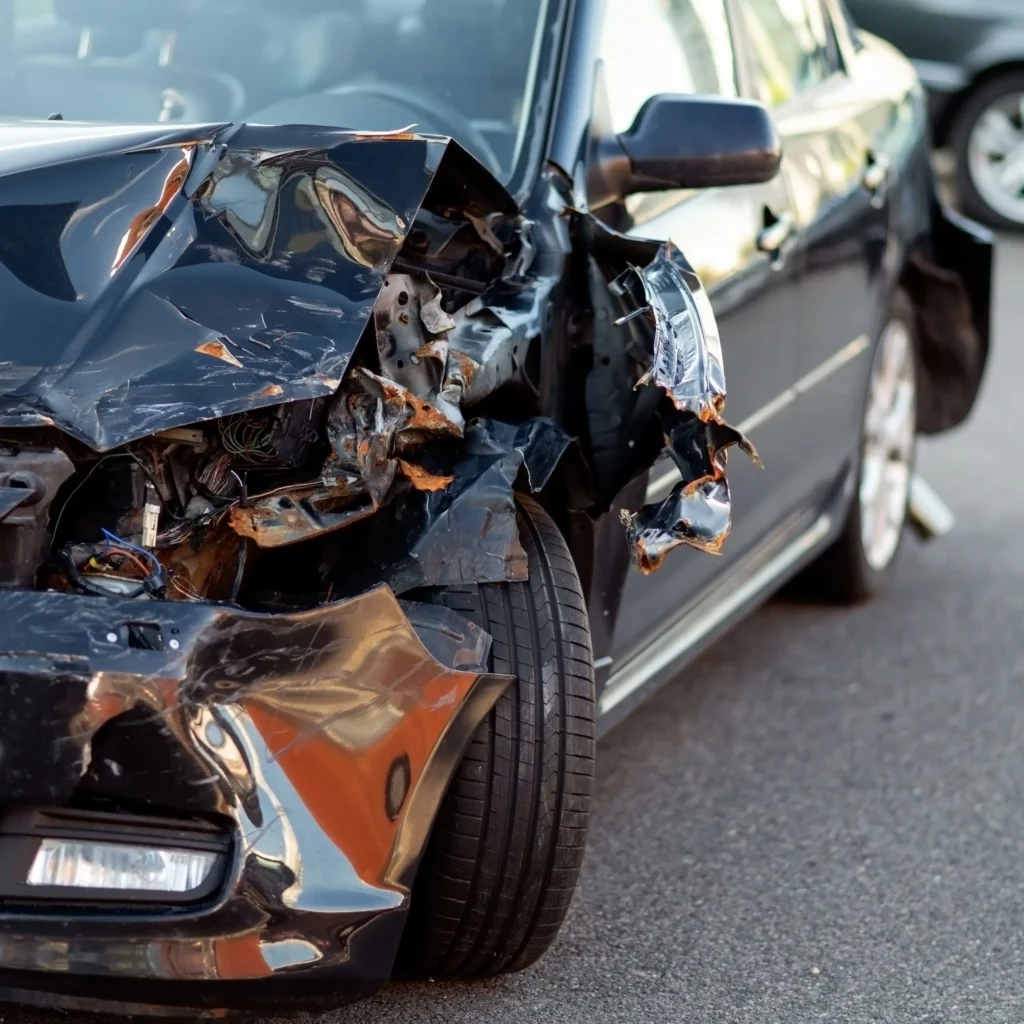
Crashworthiness cases focus on whether a vehicle protected occupants as it should have during a foreseeable crash. A collision may begin with driver error, road conditions, or another vehicle, but a defective vehicle design can make the injuries much worse.
These claims may involve roof crush, weak occupant compartments, defective seats, poor side-impact protection, fuel-fed fires, inadequate restraints, or structural failures. The key issue is not only why the crash happened, but whether the vehicle failed to reduce the risk of serious injury once the crash occurred.
Defective Tires
Defective tires can cause sudden loss of control, rollovers, high-speed crashes, and multi-vehicle collisions. Tire cases may involve tread separation, belt separation, sidewall failure, aging tires, poor design, manufacturing defects, improper repairs, or inadequate warnings.
A tire failure investigation often requires preservation of the failed tire, the vehicle, wheel components, maintenance records, purchase records, DOT numbers, and crash scene evidence. These details can help determine whether the tire failed because of a defect rather than ordinary wear or road debris.
Automotive Rollaway / Gear-Selector Defects
Rollaway incidents can happen when a vehicle moves unexpectedly after the driver believes it is in park. These cases may involve confusing gear selectors, electronic shift systems, inadequate warnings, park-system failures, software issues, or poor human-factors design.
Rollaway defects can injure drivers, passengers, children, pedestrians, workers, and bystanders. Serious injuries may occur in driveways, parking lots, garages, service areas, and loading zones.
Autonomous Vehicles & Driver-Assistance Failures
Advanced driver-assistance systems and automated vehicle technologies can affect steering, braking, acceleration, lane position, following distance, collision avoidance, and driver alerts. When these systems fail, misread the environment, disengage unexpectedly, or encourage overreliance, the consequences can be severe.
These cases may involve adaptive cruise control, lane-keeping assistance, automatic emergency braking, automated driving features, sensor failures, software defects, inadequate warnings, poor driver monitoring, or misleading system limitations. A careful investigation may require vehicle data, software records, event data recorder information, sensor logs, manufacturer communications, and marketing materials.
E-Bikes & E-Scooters Battery Fires
E-bikes and e-scooters use lithium-ion battery systems that can create serious fire and burn risks when batteries, chargers, cells, wiring, or electrical systems are defective. Fires may occur during charging, storage, transportation, or ordinary use.
These incidents can cause burns, smoke inhalation, apartment fires, property loss, and death. Claims may involve defective battery packs, uncertified components, charger failures, thermal runaway, inadequate warnings, poor quality control, or unsafe replacement batteries.
Defective Airbags
Airbags are designed to reduce injury in a crash, but defective airbags can fail in dangerous ways. An airbag may fail to deploy, deploy late, deploy unexpectedly, deploy with excessive force, rupture, or send debris into the vehicle cabin.
Airbag defect cases often require analysis of the crash severity, airbag control module, sensor system, diagnostic data, vehicle damage, recall history, and injury pattern. These cases may involve the automaker, airbag supplier, component manufacturer, dealership, or service provider.
Defective Seatbelts and Restraint Systems
Seatbelts and restraint systems are central to occupant protection. When they fail, an otherwise survivable crash can cause catastrophic injury or death.
Defect claims may involve seatbelt unlatching, webbing failure, retractor failure, pretensioner failure, poor geometry, inadequate child restraint protection, or restraint systems that allow excessive occupant movement. These cases may also involve seats, head restraints, latch systems, buckles, airbags, and other crash protection components.
Electric Vehicle Battery Fires
Electric vehicle battery fires can involve high-voltage battery packs, electrical systems, charging equipment, thermal management systems, crash damage, software controls, or manufacturing defects. These fires can be difficult to suppress and may create serious risks for occupants, first responders, nearby vehicles, and homes.
A legal investigation may examine the battery design, cell chemistry, cooling system, charging history, repair history, crash sequence, warnings, recalls, and manufacturer response to prior incidents. Evidence preservation is especially important because fire damage can destroy key components.
Vehicle Fire and Fuel System Defects
Vehicle fires may involve fuel leaks, electrical defects, battery failures, crash-related fuel system compromise, wiring defects, or poor component placement. Fires can start after a collision or during ordinary operation.
Fuel system defect cases may involve ruptured tanks, leaking fuel lines, defective pumps, poor shielding, unsafe placement of components, ignition sources, or inadequate crash protection. These cases often require fire origin analysis, vehicle inspection, maintenance records, recall research, and engineering review.

When a Product Defect Claim May Be Investigated
A product defect claim may be investigated when the facts suggest that the vehicle, component, mobility product, software, or safety system failed in a way that contributed to the injury. The crash itself does not have to be unusual. Many defect cases arise from foreseeable events, including rear-end crashes, rollovers, side-impact collisions, parking incidents, battery charging, or routine vehicle operation.
Warning signs may include:
- A component failed suddenly before the crash
- A tire separated or blew out without an obvious cause
- A vehicle caught fire after impact or while parked
- An airbag did not deploy in a serious crash
- A seatbelt failed to restrain an occupant
- A vehicle moved after being placed in park
- An e-bike, e-scooter, or battery ignited during charging or storage
- A driver-assistance system failed to warn, brake, steer, or disengage safely
- A recall, investigation, complaint pattern, or safety warning involves the same product or defect
These signs do not prove liability by themselves. They do show why early investigation matters.ow yard or insurer lot, timing matters evidence can be altered or lost.
Evidence That May Matter
Vehicle and mobility product defect cases depend heavily on evidence. The product itself may be the most important piece of the case. Repairs, disposal, insurance auctions, salvage transfers, battery destruction, or vehicle downloads can affect the ability to prove what happened.
Important evidence may include:
- The vehicle, tire, battery, charger, scooter, bike, or failed component
- Event data recorder information
- Telematics and connected-vehicle data
- Diagnostic trouble codes
- Crash scene photographs
- Police reports
- Fire department reports
- Medical records
- Maintenance and repair records
- Recall notices and safety campaigns
- Owner manuals and warnings
- Purchase records
- Witness statements
- Surveillance, dashcam, or doorbell footage
- Manufacturer complaints and prior incident reports
Families should avoid giving away, repairing, destroying, or selling a vehicle or product involved in a serious injury event before speaking with counsel. Preservation can be critical.


Why These Cases Can Be Complex
Transportation defect cases are technically demanding. Manufacturers often argue that the crash, driver conduct, road conditions, maintenance, aftermarket parts, or misuse caused the injury. In many cases, several factors may be involved.
A strong investigation may require accident reconstruction, mechanical engineering, fire analysis, battery expertise, human-factors review, software analysis, biomechanics, and medical causation review. The goal is to identify whether the product performed safely under foreseeable conditions and whether a safer design, better warning, better manufacturing process, or timely recall could have prevented the harm.
These cases also move quickly. Vehicles may be repaired or destroyed. Data may be overwritten. Batteries may be discarded. Defective tires may be lost. Early legal action can help preserve evidence before it disappears.
What Families Should Know After a Serious Transportation Product Failure
After a serious crash, fire, rollaway, battery incident, or restraint failure, families are often focused on medical care, insurance claims, vehicle storage, and immediate financial pressure. Those issues matter, but the product investigation should not be delayed.
You do not need to know exactly what failed before asking questions. You only need a reasonable concern that the product, component, software, battery, tire, airbag, restraint system, or vehicle design may have contributed to the injury.
If you or a loved one suffered serious injury after a vehicle, transportation, or mobility product failure, McEldrew Purtell can review what happened and explain whether a product defect investigation may be appropriate.
Contact McEldrew Purtell for a free consultation. We can help you understand the next steps, preserve critical evidence, and evaluate whether a dangerous product or preventable safety failure played a role.

Learn More

Raw Milk Cheese E. Coli Outbreak: 8 Hospitalized, Most Cases in Young Children
Children aged 5 and younger account for more than half of the reported illnesses in a multistate E. coli outbreak linked to Sierra Nevada Graziers raw milk cheese. As of September 25, 2026, federal health officials had identified 13 illnesses…

BD Alaris Infusion Set Recall: Over- and Under-Infusion Can Cause Catastrophic Injury
Patients receiving critical medications through BD Alaris pumps can face serious harm if an infusion set causes the system to deliver more or less than programmed. On October 5, 2026, the FDA updated a Class I recall involving approximately 94.2…

Surgical Stapler Failures: Internal Bleeding, Sepsis, and Wrongful Death
Patients can suffer life-threatening internal bleeding, leaks, infection, or sepsis when a surgical stapler fails to create a complete and secure staple line. These complications may require emergency surgery, prolonged hospitalization, or intensive care, and in the most serious cases…

Pacemaker and ICD Failures: When a Cardiac Device Fails
Patients who rely on a pacemaker or an implantable cardioverter-defibrillator are trusting that device to work. When a pacemaker fails to deliver needed electrical impulses or an ICD fails to detect a dangerous rhythm or deliver an effective shock, the…
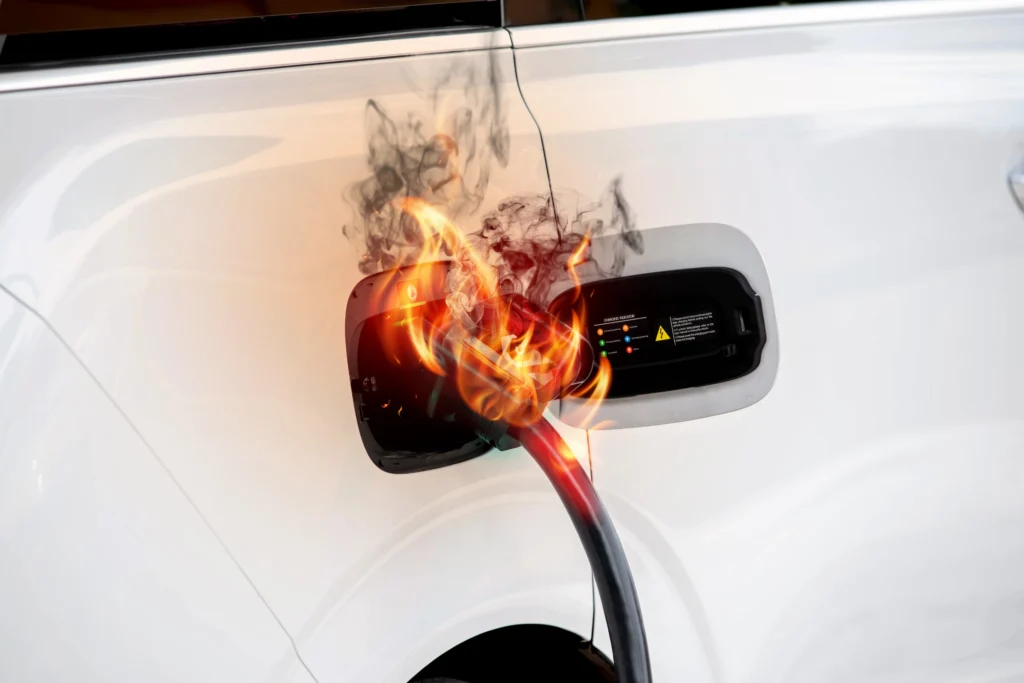
Electric Vehicle Defects: Battery Fires, Severe Burns, and Explosions
Drivers and passengers can suffer severe burns, smoke inhalation, catastrophic injuries, or death when an electric vehicle battery ignites. These fires can happen while a vehicle is charging, parked, operating normally, or damaged in a crash. They can spread rapidly,…

Toxic Exposure Claims: Identifying the Right Liability Theory
Toxic exposures can cause life-altering injuries. The source may be a defective product, an unsafe workplace, a leaking facility, a mislabeled container, or a chemical release that reaches homes, schools, or nearby businesses. The legal claim depends on where the…