

CRPS Lawsuits After a Catastrophic Injury or Medical Error
A CRPS diagnosis can take over every part of life – work, sleep, independence, and family. In the first days and weeks, you’re making medical and insurance decisions while trying to manage pain that feels out of proportion to the original injury. Our job is to steady that chaos. We move quickly to secure evidence, coordinate with your treating providers, and protect your claim so you can focus on care.
We hold negligent parties accountable – whether CRPS followed a truck or workplace crash, a crush or fracture injury, an unsafe property condition, a defective product, or avoidable medical error (including surgical nerve injury). From day one, we assemble the right team for complex pain cases: pain-management physicians, neurologists, physiatrists, neuropsychologists, life‑care planners, vocational experts, and economists. Together, we build the proof judges, juries, and insurers need to understand CRPS and its lifelong impact.


How Much Is Your Case Worth?
Our Results
McEldrew Purtell has a proven track record of maximizing recovery for clients with catastrophic injuries.
Results may vary depending on your particular facts and legal circumstances.
Ways We Can Help
Below are common scenarios in which CRPS develops after trauma or medical care. For each, we identify every responsible party and pursue full compensation under the law.
Commercial Vehicle & Trucking Crashes
High‑energy impacts, crush injuries, fractures, and surgeries can trigger CRPS weeks after a collision.
Potentially liable parties may include the at‑fault driver, the motor carrier (hiring/training/Hours‑of‑Service compliance), shippers/brokers (negligent selection/load securement), vehicle maintenance contractors, and parts manufacturers if a defect contributed.
Workplace & Industrial Machine Incidents
Unguarded machinery, lockout/tagout failures, falls, or caught‑in/between events often cause fractures and nerve injuries that later develop into CRPS.
Potentially liable parties may include machine manufacturers (design/warnings), component suppliers, maintenance vendors, site GCs/subcontractors, premises owners, and third‑party safety firms. (Workers’ comp may limit claims against a direct employer, but third‑party claims are often available.)
Defective Products & Tools
Design defects, inadequate guarding, unexpected energization, or failure‑to‑warn can cause traumatic injuries that progress to CRPS.
Potentially liable parties may include product manufacturers, designers, component suppliers, distributors/retailers, and – where installation or modification contributed – installers or remanufacturers.
Unsafe Premises
Defective stairs, poor lighting, uneven walking surfaces, and unsafe equipment (e.g., gates, elevators, conveyors) can cause falls or entrapment injuries that precipitate CRPS.
Potentially liable parties may include property owners/managers, tenants with control over the area, maintenance contractors, and security/safety vendors; equipment manufacturers or installers may also share responsibility if a defect or bad installation played a role.
Medical Negligence
CRPS can follow surgical nerve injury, mismanaged fractures/compartment syndrome, or invasive procedures. While not every poor outcome is malpractice, we investigate whether care fell below the standard and caused or exacerbated the condition.
Potentially liable parties may include hospitals, surgeons, emergency providers, and wound‑care or home‑health teams.
Toxic Torts & Environmental Exposures
Chemical releases, pharmaceutical toxicity, or contaminated water/air can injure peripheral nerves or lead to invasive treatments that later precipitate neuropathic pain syndromes, including CRPS. We map the exposure pathway, dose, latency, and clinical timeline, working with toxicologists and treating providers to connect the science to the law.
Potentially liable parties may include chemical manufacturers and distributors, product formulators, pharmaceutical companies, refineries/plants, contractors responsible for releases, property owners/operators, transportation carriers, waste haulers, and environmental consultants/abatement firms.
Don’t Just Take Our Word For It
Hear From Our Clients
At McEldrew Purtell, results matter and so does the way we achieve them. While our case outcomes reflect our tenacity in court and at the negotiation table, it’s the voices of our clients that truly capture who we are and why we do this work.
We represent people at the worst moments of their lives: after catastrophic injuries, workplace tragedies, and preventable losses. Through every case, we aim to deliver not just compensation but clarity, confidence, and care.
If you’re considering working with a Philadelphia trial lawyer, we invite you to read what our clients have said about their experiences with McEldrew Purtell. Their words are the most powerful testament to our values, our dedication, and our results.
Learn More
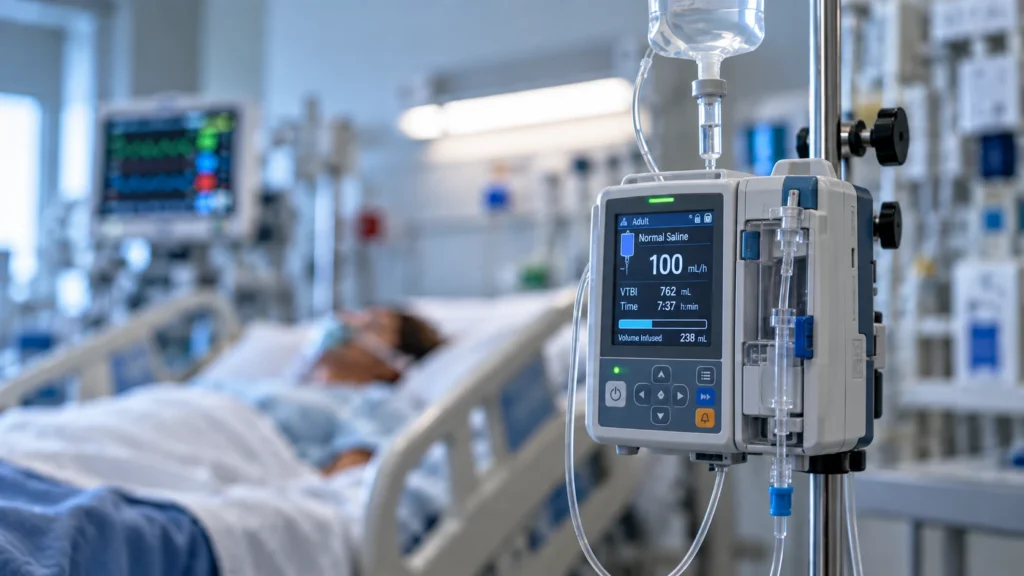
BD Alaris Infusion Set Recall: Over- and Under-Infusion Can Cause Catastrophic Injury
Patients receiving critical medications through BD Alaris pumps can face serious harm if an infusion set causes the system to deliver more or less than programmed. On October 5, 2026, the FDA updated a Class I recall involving approximately 94.2…
Hundreds of Sexual Abuse Claims Rock NJ Juvenile Detention System as New Bordentown Lawsuits Emerge
New lawsuits allege that staff at two state-operated youth detention facilities in Bordentown, New Jersey, sexually abused children in their care, including allegations involving victims as young as 13 and 14. The filings expand a much larger legal proceeding involving…

NICU Monitoring Failures: Delayed Response to Apnea, Bradycardia, and Oxygen Desaturation
Apnea, bradycardia, and oxygen desaturation are common in neonatal intensive care, particularly among premature infants. Some events resolve without treatment. Others require stimulation, supplemental oxygen, respiratory support, medication, or more advanced intervention depending on the baby’s condition. A poor outcome…
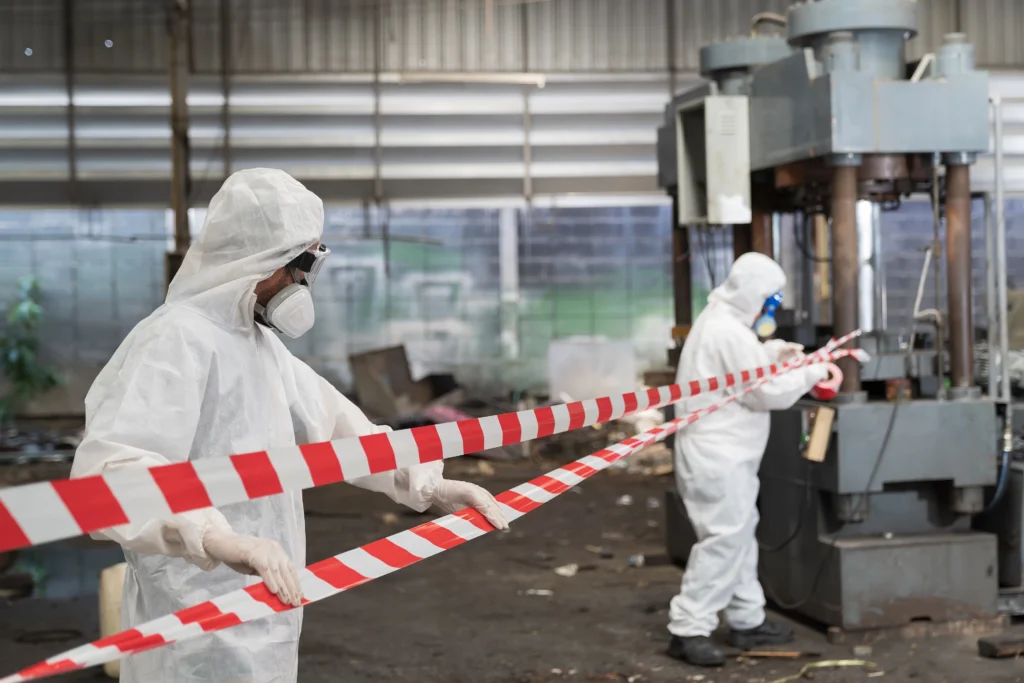
Toxic Chemical Exposure After Train, Truck, and Warehouse Spills
A train derailment, tanker truck crash, or warehouse spill can release hazardous chemicals into the air or across a worksite within seconds. Workers, drivers, emergency responders, nearby residents, and others may be exposed by breathing in contaminated air, getting chemicals…

Surgical Stapler Failures: Internal Bleeding, Sepsis, and Wrongful Death
Patients can suffer life-threatening internal bleeding, leaks, infection, or sepsis when a surgical stapler fails to create a complete and secure staple line. These complications may require emergency surgery, prolonged hospitalization, or intensive care, and in the most serious cases…

Nursing Home Fall Injuries: Hip Fractures, Brain Bleeds, and Wrongful Death
For an elderly or medically fragile nursing home resident, a single fall can cause catastrophic, life-altering harm. A fractured hip may require surgery, permanently destroy the resident’s mobility and independence, and trigger complications such as blood clots, pneumonia, pressure injuries,…
FAQs
Get answers to commonly asked questions regarding CRPS and learn how we can help with your case.
What is CRPS?
Complex Regional Pain Syndrome is a chronic, often disproportional pain condition that usually affects an arm or leg after an injury or surgery. It may include sensory, autonomic, and motor/trophic changes.
How is CRPS diagnosed?
Clinicians use the Budapest criteria – requiring disproportionate pain, symptoms across categories (sensory, vasomotor, sudomotor/edema, motor/trophic), confirmed signs on exam, and exclusion of better explanations.
Is CRPS permanent?
Some people improve with early, multidisciplinary treatment; others have persistent symptoms. Regardless of duration, CRPS can be profoundly disabling and compensable when caused by negligence.
What type of compensation could I receive?
It varies case by case, but common types of compensation include:
- Pain management (procedures, medications, infusions) and care from pain specialists.
- Physical/occupational therapy and desensitization programs.
- Psychological support for anxiety, depression, PTSD, and pain coping.
- Assistive devices, mobility aids, and adaptive technology.
- Home/vehicle modifications and transportation needs.
- Lost wages, reduced earning capacity, and loss of household/benefit contributions.
- Non‑economic harms: pain, suffering, loss of life’s pleasures, and loss of consortium.
What is the key medical framework used in the Budapest criteria?
- Continuing pain, disproportionate to any inciting event.
- Symptoms in ≥3 of 4 categories (sensory, vasomotor, sudomotor/edema, motor/trophic).
- Signs on exam in ≥2 categories (e.g., allodynia/hyperalgesia; temperature/color asymmetry; edema/sweating changes; decreased ROM, tremor, dystonia, hair/skin/nail changes).