

Silica Dust (Silicosis & Lung Disease)
Silica dust is one of the most common and most underestimated workplace toxins. The danger isn’t the dust you can see. It’s the microscopic crystalline silica particles you inhale while cutting, grinding, drilling, blasting, or demolishing materials like concrete and stone.
For some people, the result is silicosis: irreversible scarring of the lungs that can progress to severe disability, oxygen dependence, and death. In catastrophic cases, families watch a loved one lose breath, strength, and independence, often while the source of exposure is treated as “just part of the job.”

How Much Is Your Case Worth?

What silica does to the body
Crystalline silica particles can lodge deep in the lungs. Over time, the body’s reaction can form scar tissue that makes it harder and eventually impossible for lungs to move oxygen effectively.
Silicosis can develop in different patterns:
- Chronic silicosis: develops over many years of exposure, sometimes with symptoms appearing long after the work.
- Accelerated silicosis: develops faster with higher exposures over a shorter period.
- Acute silicosis: can occur after intense exposure; symptoms may worsen rapidly and become life-threatening.
Silicosis is not reversible. The core legal question becomes whether the exposure was preventable and whether the responsible parties failed to control, warn, or protect against it.
Where exposure happens “in real life”
Silica exposure is most often tied to high-dust tasks and industries, including:
- Construction and demolition: cutting concrete, jackhammering, drilling, grinding, tuckpointing, masonry work
- Stone and countertop fabrication: cutting and polishing natural or engineered stone (high dust potential without controls)
- Sandblasting / abrasive blasting
- Foundries and manufacturing: casting, refractory work, industrial grinding
- Mining, quarrying, and tunneling
- Road and bridge work: concrete sawing and surface prep
Exposure isn’t always limited to the person holding the tool. Dust can spread through a jobsite, exposing nearby trades, cleaners, and other workers in enclosed or poorly ventilated spaces.


Why these cases become catastrophic
Silica disease can be disabling on its own. It can also set off a chain reaction of serious complications, including:
- Progressive shortness of breath and reduced lung capacity
- Increased susceptibility to severe respiratory infections
- COPD-like limitations and long-term oxygen therapy
- Potential overlap with other serious lung conditions, depending on the exposure history
For families, the catastrophic impact is often measured in hospitalizations, inability to work, loss of independence, and the need for long-term care sometimes ending in wrongful death.
The “proof” problem in silica toxic tort cases
Silica cases are not built on a single moment; they’re built on a history. The strongest claims connect:
Exposure + preventability + responsibility
- What tasks produced silica dust and how often
- Whether controls were used (wet cutting, local exhaust, HEPA vacs, respiratory protection, training)
- Whether safer alternatives or feasible controls were ignored
- Which entities controlled the worksite, tools, materials, and safety decisions
Medical evidence
- Diagnosis, imaging, pulmonary testing, and progression over time
- Differential diagnosis issues (what else was ruled out, what exposure history supports)
Work and product evidence
- Witness and coworker statements confirming dust conditions and safety practices
- Jobsite records, union/work logs, training docs, purchase records for tools/materials

What to do if you suspect silica lung disease
If you or a loved one has symptoms or a diagnosis:
- Get medical care and ask directly about occupational/environmental exposure history.
- Build a simple timeline: job sites, tasks, materials, tools, and duration.
- Save records: work logs, pay stubs, union records, training documents, fit-testing or respirator paperwork.
- Write down names of coworkers who can confirm conditions.
- Don’t assume “it’s too late.” Legal deadlines can run from diagnosis or discovery, not just from when the exposure happened.
What compensation can address in catastrophic cases
Depending on the facts, recovery may include:
- Past and future medical care, pulmonary rehab, oxygen needs, assistive devices
- Lost income and diminished earning capacity
- Pain, suffering, and loss of life’s pleasures
- Caregiving and household support needs
- Wrongful death damages for surviving family members (where applicable)


A job shouldn’t cost someone their breath or their life
Silica exposure is often preventable with basic controls. When those controls weren’t used and someone is left with irreversible lung disease, the outcome isn’t “bad luck.” It’s a safety failure with real, lifelong consequences. Contact us today for a free consultation.
Learn More
Toxic Chemical Exposure After Train, Truck, and Warehouse Spills
A train derailment, tanker truck crash, or warehouse spill can release hazardous chemicals into the air or across a worksite within seconds. Workers, drivers, emergency responders, nearby residents, and others may be exposed by breathing in contaminated air, getting chemicals…
Railroad Toxic Exposure Claims: Cancer, Lung Disease, and Proving Workplace Causation
Railroad workers face dangers that extend far beyond traumatic injuries and derailments. For decades, railroad employees have been exposed to toxic substances capable of causing serious illnesses, including cancer, chronic lung disease, and other life-altering medical conditions. Under the Federal…
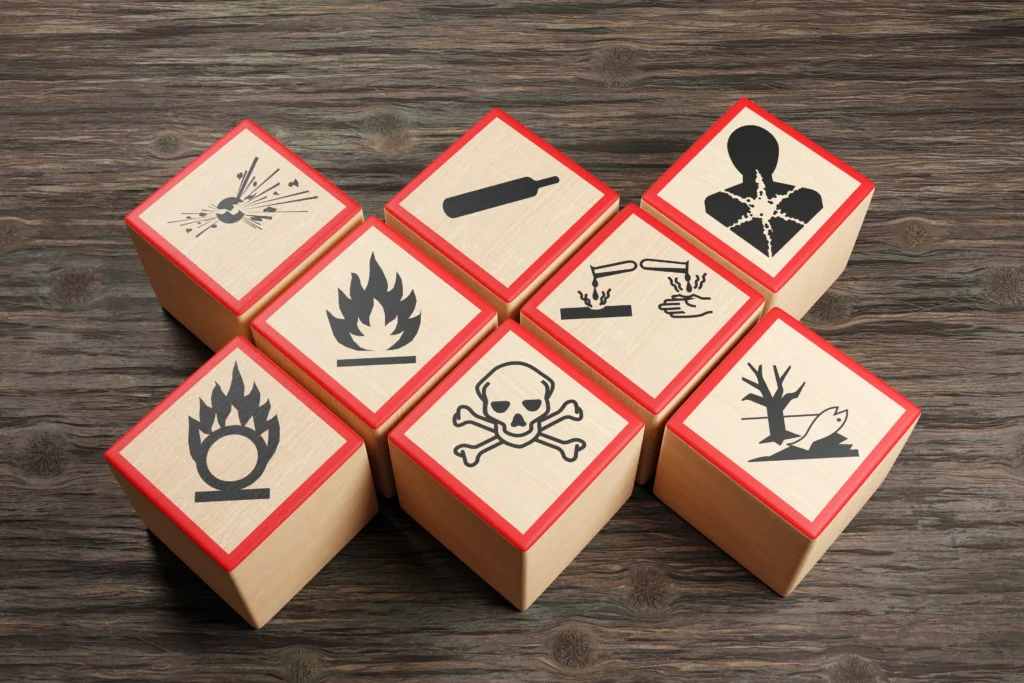
Toxic Exposure Claims: Identifying the Right Liability Theory
Toxic exposures can cause life-altering injuries. The source may be a defective product, an unsafe workplace, a leaking facility, a mislabeled container, or a chemical release that reaches homes, schools, or nearby businesses. The legal claim depends on where the…
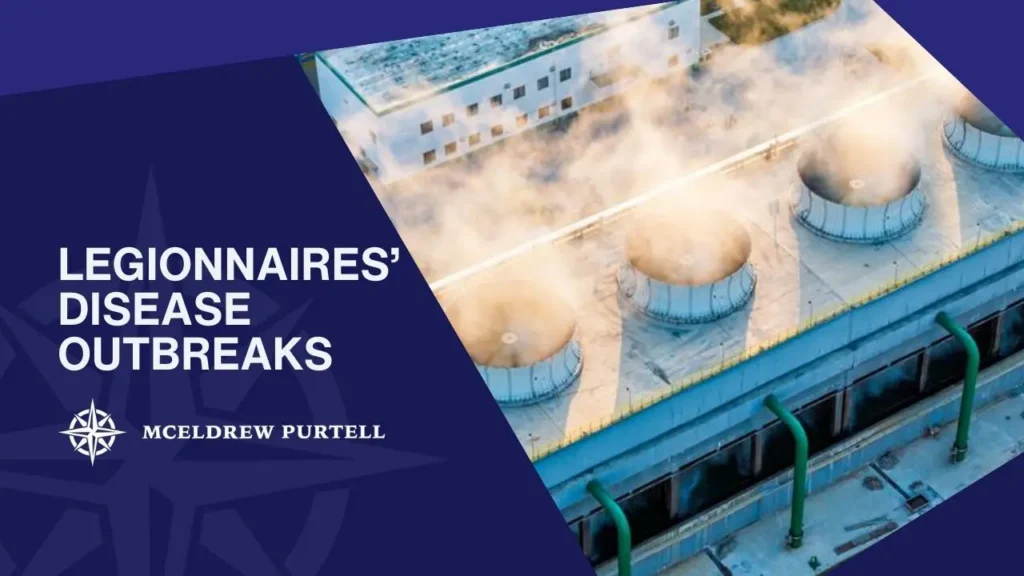
Growing New York City Legionnaires’ Disease Outbreak Raises Questions About Preventable Cooling Tower Failures
A growing Legionnaires’ disease outbreak on New York City’s Upper East Side has sickened at least 56 people, sending dozens to the hospital and triggering one of the city’s largest public health investigations of the year. Health officials are racing…
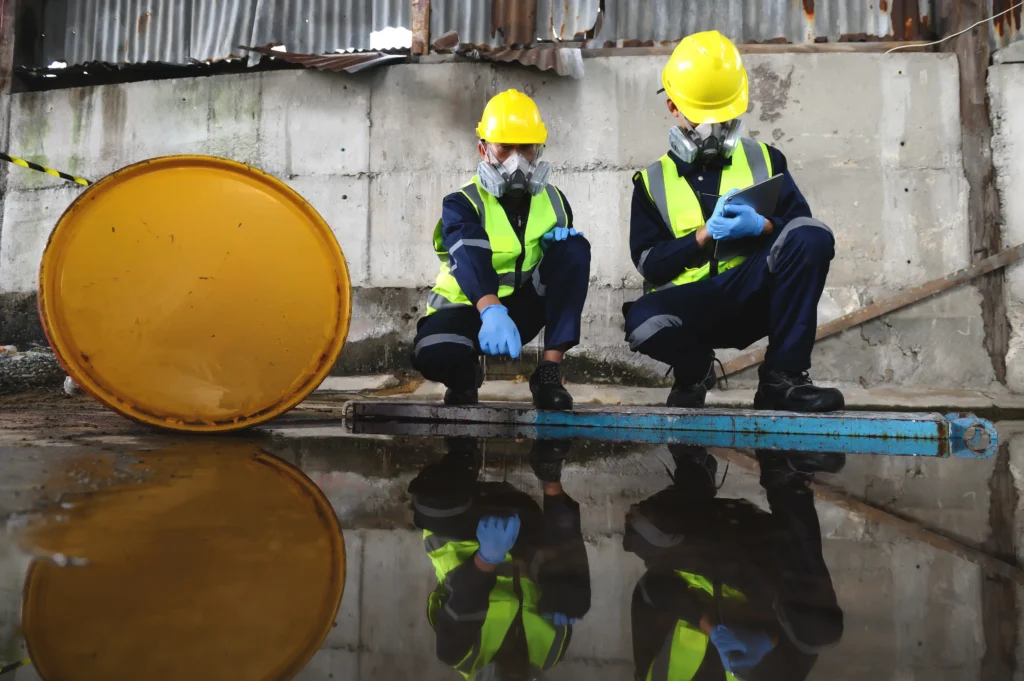
Supply Chain Failures: Toxic Chemical Exposure Leading to Burns, Organ Damage, and Wrongful Death
Workers, drivers, warehouse employees, emergency responders, and nearby families can suffer life-changing injuries when hazardous chemicals leak, spill, or ignite. A single transportation failure or packaging defect can expose people to toxic fumes, chemical burns, respiratory damage, explosions, or long-term…

Five Killed in Virginia I-95 Bus Crash as Investigators Examine Multi-Vehicle Collision Near Work Zone
Five people were killed and dozens more were injured when a bus struck multiple vehicles on Interstate 95 in Virginia. For the families involved, the central question is not only what happened in the seconds before impact, but whether the…