

Catastrophic Traumatic Brain Injury Lawsuits
Traumatic brain injuries are often invisible at first and life-altering when missed. Even a so-called “mild” TBI can derail cognition, mood, work, and family life. High-energy crashes, falls, unsafe premises, defective products, blast exposures, and lapses in medical care can all lead to brain injury from concussion to diffuse axonal injury or penetrating trauma. In the early days, families face complex medical and insurance decisions. We move quickly to preserve evidence, notify the right parties, and protect your claim so you can focus on treatment and recovery.
We assemble an interdisciplinary team for catastrophic brain injury cases: trauma and neurology specialists, neuroradiologists (including DTI and susceptibility imaging), vestibular and neuro-optometry experts, neuropsychologists, life-care planners, vocational and economic experts, and when products or premises are involved – engineers, human factors, and biomechanical experts. We build liability and damages in parallel so nothing is left to chance.


How Much Is Your Case Worth?
Our Results
McEldrew Purtell has a proven track record of maximizing recovery for our clients.
Results may vary depending on your particular facts and legal circumstances.
Ways We Can Help
Below are common causes and contexts for traumatic brain injury. For each, we develop the evidence and pursue every responsible party to seek full compensation under the law.
Trucking & Commercial Vehicle Crashes
High-energy tractor-trailer impacts and underrides frequently cause concussive and rotational brain trauma. Potentially liable parties may include the driver, motor carrier (hiring/training/HOS), shipper/broker (load securement), maintenance contractors, and component manufacturers if a defect contributed.
Rideshare, Bus & Public Transportation
Sudden deceleration, falls within vehicles, or unrestrained passengers can lead to coup-contrecoup injuries. We evaluate operator negligence, fleet maintenance, surveillance, and data recorders.
Pedestrian & Bicycle Strikes
Head impacts, even with helmets, can cause DAI and vestibular dysfunction. We preserve dashcam/traffic camera footage, ECM/telematics, and scene data to reconstruct mechanisms.
Falls & Unsafe Premises
Unsafe stairs, poor lighting, ice, code violations, or elevator/escalator defects can cause head trauma. We investigate owners, managers, maintenance vendors, and security contractors.
Construction & Industrial Incidents
Struck-by events, dropped loads, scaffold falls, or tool failures can produce severe TBIs. In addition to workers’ comp, we pursue third-party claims against subcontractors, site GCs, and product manufacturers.
Railroad & Transit Incidents
Derailments, sudden stops, or platform hazards can cause primary and secondary brain injuries. Claims may involve carriers, component manufacturers, and maintenance contractors.
Defective Products & Safety Equipment
Helmets, child seats, airbags, e-scooters, lithium batteries, and other consumer/industrial products can fail or exacerbate injuries. We pursue design, manufacturing, and failure-to-warn theories.
Sports & School Athletics (Concussion Mismanagement)
Failure to remove/return-to-play protocols, inadequate supervision, or equipment issues can worsen outcomes. We assess policy compliance and medical oversight.
Assaults & Negligent Security
Where violence was foreseeable but preventable (inadequate lighting, broken access control, missing patrols), property owners and operators may bear responsibility.
Medical Negligence After Head Trauma
Missed intracranial hemorrhage, improper anticoagulation management, delayed imaging, or premature discharge can convert manageable injuries into permanent harm. We examine compliance with head-injury clinical policies and follow-up care. (CDC and ACEP guidance highlight evolving mTBI management standards.)
Birth & Neonatal Brain Injury
Trauma during delivery or hypoxic-ischemic events can cause lifelong impairments. We work with maternal-fetal, neonatal neurology, and placental pathology experts.
Explosions & Blast Overpressure
Blast waves and secondary impacts can cause complex TBIs with concurrent hearing and vestibular injuries. We develop causation with blast and materials experts.
Don’t Just Take Our Word For It
Hear From Our Clients
At McEldrew Purtell, results matter and so does the way we achieve them. While our case outcomes reflect our tenacity in court and at the negotiation table, it’s the voices of our clients that truly capture who we are and why we do this work.
We represent people at the worst moments of their lives: after catastrophic injuries, workplace tragedies, and preventable losses. Through every case, we aim to deliver not just compensation but clarity, confidence, and care.
If you’re considering working with a Philadelphia trial lawyer, we invite you to read what our clients have said about their experiences with McEldrew Purtell. Their words are the most powerful testament to our values, our dedication, and our results.
Learn More

BD Alaris Infusion Set Recall: Over- and Under-Infusion Can Cause Catastrophic Injury
Patients receiving critical medications through BD Alaris pumps can face serious harm if an infusion set causes the system to deliver more or less than programmed. On October 5, 2026, the FDA updated a Class I recall involving approximately 94.2…
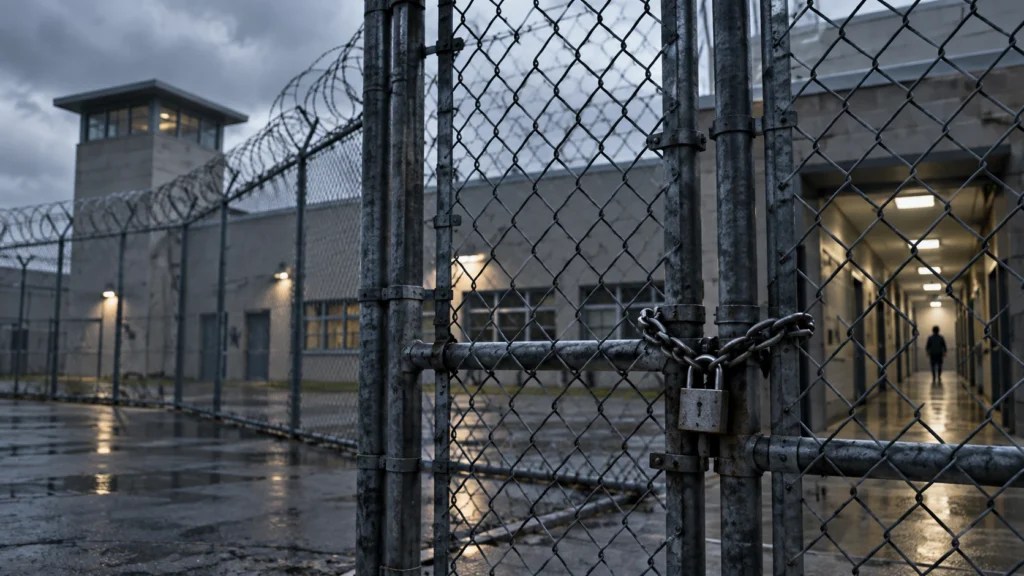
Hundreds of Sexual Abuse Claims Rock NJ Juvenile Detention System as New Bordentown Lawsuits Emerge
New lawsuits allege that staff at two state-operated youth detention facilities in Bordentown, New Jersey, sexually abused children in their care, including allegations involving victims as young as 13 and 14. The filings expand a much larger legal proceeding involving…

NICU Monitoring Failures: Delayed Response to Apnea, Bradycardia, and Oxygen Desaturation
Apnea, bradycardia, and oxygen desaturation are common in neonatal intensive care, particularly among premature infants. Some events resolve without treatment. Others require stimulation, supplemental oxygen, respiratory support, medication, or more advanced intervention depending on the baby’s condition. A poor outcome…
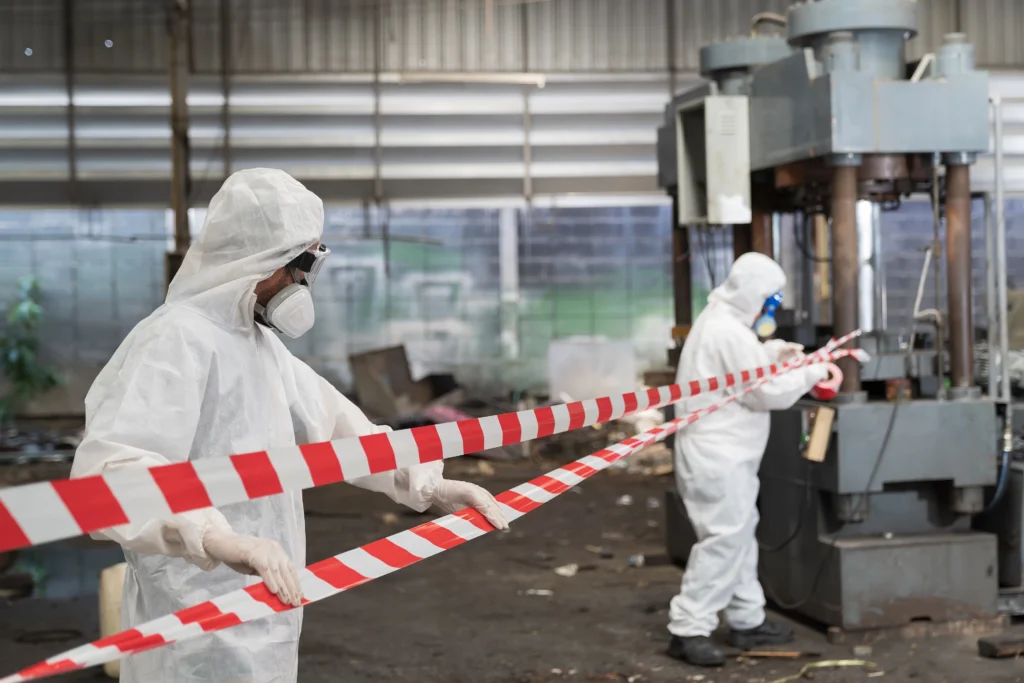
Toxic Chemical Exposure After Train, Truck, and Warehouse Spills
A train derailment, tanker truck crash, or warehouse spill can release hazardous chemicals into the air or across a worksite within seconds. Workers, drivers, emergency responders, nearby residents, and others may be exposed by breathing in contaminated air, getting chemicals…

Surgical Stapler Failures: Internal Bleeding, Sepsis, and Wrongful Death
Patients can suffer life-threatening internal bleeding, leaks, infection, or sepsis when a surgical stapler fails to create a complete and secure staple line. These complications may require emergency surgery, prolonged hospitalization, or intensive care, and in the most serious cases…

Nursing Home Fall Injuries: Hip Fractures, Brain Bleeds, and Wrongful Death
For an elderly or medically fragile nursing home resident, a single fall can cause catastrophic, life-altering harm. A fractured hip may require surgery, permanently destroy the resident’s mobility and independence, and trigger complications such as blood clots, pneumonia, pressure injuries,…
FAQs
Get answers to commonly asked questions regarding traumatic brain injuries and learn how we can help with your case.
What is a traumatic brain injury?
A TBI is an injury that affects how the brain works, caused by a bump, blow, or jolt to the head or a penetrating head injury. TBIs range from mild (concussion) to severe.
Do I have a case if my CT/MRI was normal?
Possibly. Many concussions and diffuse injuries don’t appear on routine imaging. Proof often comes from clinical history, neuropsychological testing, balance/vestibular and neuro-optometric exams, and advanced imaging (e.g., DTI) when appropriate.
What about medical malpractice related to a missed brain bleed?
PA’s general two-year limitation period applies, but timing can run from when the injury was (or should have been) discovered. The MCARE Act’s 7-year statute of repose was held unconstitutional by the Pennsylvania Supreme Court in Yanakos v. UPMC (2019), which significantly changed repose-based defenses. These issues are highly fact-specific.
What damages can I pursue in a TBI case?
Medical expenses (past/future), rehab and therapies, home/vehicle modifications, lost wages and earning capacity, household services, and pain, suffering, disfigurement, and loss of life’s pleasures. Punitive damages may be evaluated where facts support them.
How do you prove a mild TBI to a jury or insurer?
Through consistent symptom documentation, treating provider notes, targeted specialty exams (vestibular/vision), neuropsych testing, work records, third-party observations, and—when warranted—advanced imaging and biomechanical analysis.
Are TBIs really that common?
Yes – 69,000+ TBI-related deaths occurred in 2021, and 223,050 hospitalizations in 2018. Many more are treated in EDs or outpatient settings and never hospitalized.
What are the most common traumatic brain injuries?
Our skulls are remarkably resilient, but there’s so much we still don’t know about brain injuries. Some people can withstand severe head trauma without it affecting their brains, while others sustain mild repeated damage with consequences that show up later in life.
The following are the most prevalent types of TBI:
- Penetrating brain injury: Such injuries occur when an object or piece of skull enters the brain. Patients with a penetrating brain injury will need immediate emergency medical treatment.
- Coup or contrecoup: A coup injury occurs under the site of impact on the skull, whereas a contrecoup injury occurs on the side opposite the area that was hit. They can occur individually, or simultaneously, and are usually associated with cerebral contusions.
- Cerebral contusions: These are a type of TBI in which the brain is bruised. They are often caused by blows to the head, and occur in up to 30% of all serious brain injuries. Contusions can cause a decline in mental function, as well as causing the brain to squeeze past parts of the skull, which is a life threatening condition.
- Concussion: Concussions are TBIs which can affect cognitive functioning. Symptoms of a concussion may begin immediately after head trauma, but will often not show up until days after the injury.
- Diffuse axonal: This injury is the result of severed connections in the brain’s nerve fibers, which may lead to coma and permanent injury.
- Hemorrhage: Hemorrhages refer to bleeding in the brain.
- Swelling on the brain: This is caused by fluid collecting in the brain, which increases pressure and may be life threatening.
- Skull fracture: Skull fractures may or may not cause brain damage, but patients with skull fractures should always be evaluated for possible brain injury.
What are the symptoms of a brain injury?
Many of the typical symptoms of “mild” to “moderate” TBIs are difficult to notice, even in the emergency room. It is important to know that because brain injuries are often difficult to detect, many victims rarely receive prompt treatment for their physical and cognitive impairments. In fact, health practitioners often misdiagnose a brain injury, or fail to diagnose them all together.
If you suspect a brain injury has occurred, you need to look for symptoms, which can include:
- Headaches
- Inability to process information at pre-injury rates of speed
- Lack of clear judgment
- Lack of memory and recall
- Reduced level of comprehension including basic information
- Reduced sense of taste and smell
- Slurred speech and incoherent sentences
- Progressive social isolation and alienation, even from immediate family and friends
- Violent behavior
Remember that these symptoms may not always show up immediately. Many people who suffer a concussion will not begin to notice symptoms for several days, and often feel completely fine – until the moment they suddenly don’t. Anyone who has suffered an injury to their head should be carefully monitored by another adult, and a physician may recommend that you be woken up every 2-3 hours from sleep to check on your cognitive functioning.
What causes brain injuries in children?
Brain injury in children is most often caused by a fall or by assault. This is commonly referred to as “shaken baby syndrome”. The other common causes of brain injury in young children are:
- Assault
- Being struck by something
- Motor vehicle accidents
What are the symptoms of a brain injury in young children?
Symptoms in young children can be similar to those seen in adults, but there are few extra details that parents and caregivers should be on the lookout for after any sort of trauma to the head.
Since children often can’t talk about what’s wrong with them, caregivers should watch to see if the child has a dazed appearance or becomes listless and easily tired. Irritability, excessive crying, a change in eating or sleeping patterns, or a loss of balance are also other key warning signs. If a child has a large head bump or bruise on any area other than their forehead, they should seek immediate medical attention. This is especially true for infants under a year old.
Who is most susceptible to brain injuries?
Although anyone can suffer from a brain injury, young children are the most susceptible to brain injuries. Many of the most common birth injuries are caused by brain injury. These injuries often don’t require any trauma to occur — a lack of oxygen to the brain, known as hypoxic ischemic encephalopathy, can cause irreversible damage within minutes.
Hypoxic Ischemic Encephalopathy, or HIE can be caused by a variety of factors, including:
- Blocked airway in the infant
- Long or difficult delivery
- Delayed C-Section
- The placenta separating too soon from the womb
- When the mother has too little oxygen
- Umbilical cord issues
- Serious infections in the mother or baby
- High or low blood pressure in the mother