

Holding manufacturers accountable for defective products.
When a serious injury happens at sea, the rules are different and employers often move fast to control the narrative. Jones Act and maritime claims can involve unique medical rights, federal court strategy, “seaman status” disputes, and time-sensitive evidence on vessels that keep moving.
McEldrew Purtell represents injured maritime workers and families facing catastrophic injury or wrongful death. These cases demand rapid investigation, maritime-specific legal knowledge, and the willingness to take on powerful companies.
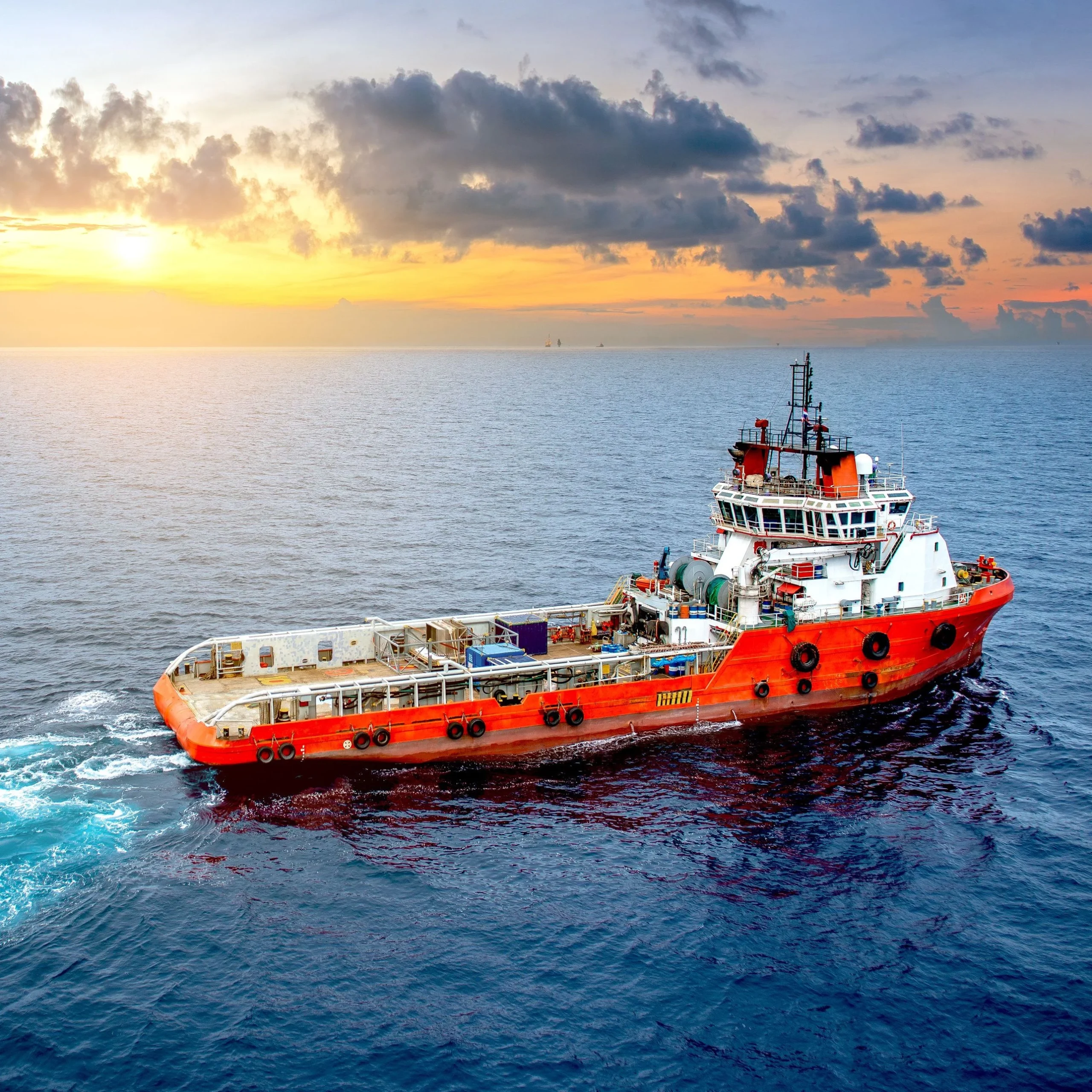
Maritime & Jones Act Accident Lawyers
With decades of experience in catastrophic injury litigation, our firm has litigated complex maritime cases and related catastrophic injury matters.






Our Results
McEldrew Purtell has a proven track record of maximizing recovery for our clients.
Results may vary depending on your particular facts and legal circumstances.


Navigating Maritime & Jones Act Catastrophic Injury & Wrongful Death: Resource Guide
This guide is practical, assertive, and built for action. It explains how product cases work, what to do right now, and how to choose the right firm for a catastrophic injury or wrongful death case.
Ways We Can Help
Maritime injuries can happen in an instant, and the consequences can last forever. Below are common maritime and Jones Act matters we handle.
Jones Act Negligence Claims
Employer negligence may include unsafe procedures, inadequate training, understaffing, fatigue, improper supervision, or pressure to work in dangerous conditions.
Unseaworthiness Claims
Dangerous or defective vessel conditions, temporary or permanent, can support an unseaworthiness claim, even when the vessel owner says they “didn’t know” about the hazard.
Maintenance & Cure Disputes
When employers delay, underpay, or deny maintenance and cure, it can jeopardize treatment and recovery. Maritime law recognizes maintenance and cure obligations arising from common law principles.
Offshore and Oil & Gas Support Vessel Injuries
Incidents involving supply vessels, tug/barge operations, crew transfers, heavy equipment, winches, lines, cranes, and high-risk deck work.
Tugboat, Towboat & Barge Catastrophes
Crush injuries, amputations, falls overboard, line snap-back events, and towing casualties.
Fires, Explosions & Chemical Exposures at Sea
Engine room fires, electrical failures, fuel leaks, cargo hazards, and toxic exposures that cause severe burns or respiratory injury.
Overboard, Drowning & Man-Overboard Events
Failure to provide safe rails, adequate fall protection, rescue readiness, or proper safety procedures.
Maritime Wrongful Death
When a family loses someone offshore or on navigable waters, maritime statutes may control who can file and what damages are available, especially when a death occurs beyond three nautical miles from shore.
Vessel Collisions, Allisions & Groundings
When a vessel strikes another vessel (collision), hits a fixed object like a dock or bridge (allision), or runs aground, the results can be devastating. These cases often hinge on navigation decisions, lookout failures, fatigue, weather planning, and compliance with safety procedures and maritime rules of the road.
Don’t Just Take Our Word For It
Hear From Our Clients
At McEldrew Purtell, results matter and so does the way we achieve them. While our case outcomes reflect our tenacity in court and at the negotiation table, it’s the voices of our clients that truly capture who we are and why we do this work.
We represent people at the worst moments of their lives: after catastrophic injuries, workplace tragedies, and preventable losses. Through every case, we aim to deliver not just compensation but clarity, confidence, and care.
If you’re considering working with a Philadelphia trial lawyer, we invite you to read what our clients have said about their experiences with McEldrew Purtell. Their words are the most powerful testament to our values, our dedication, and our results.
Learn More

Company Accident Reports vs. Reality: How Maritime Investigations Uncover What Happened
Right after a maritime incident, the first story usually comes from the company. A supervisor’s write-up, an internal “safety report,” or a quick email to management can sound definitive. But those early narratives are often incomplete, shaped by limited information,…
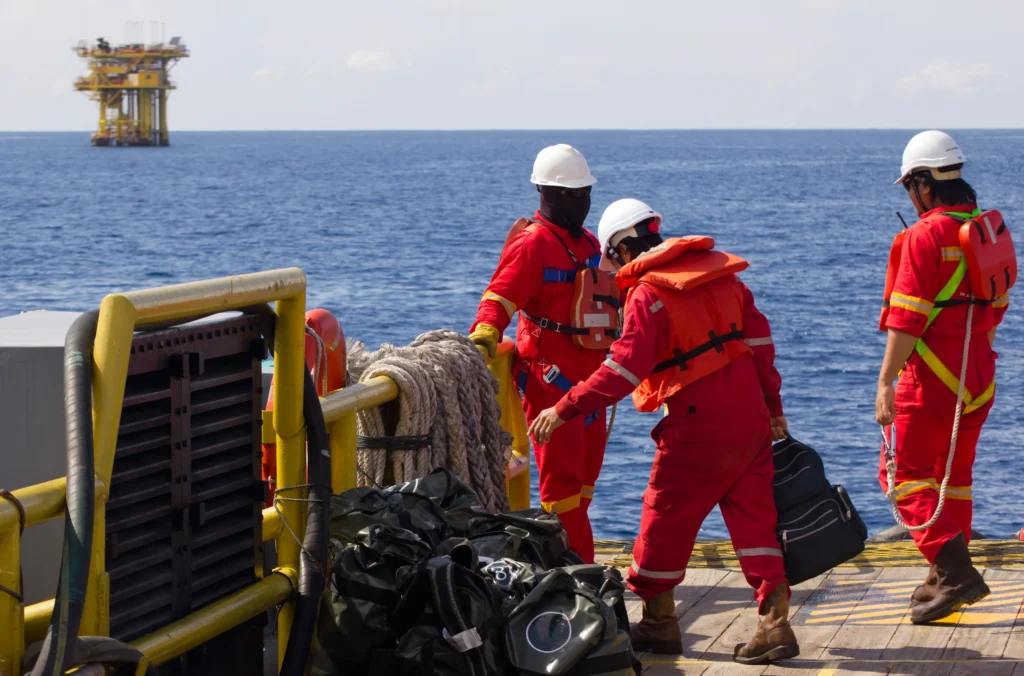
Safety Gear Failures Offshore: Harnesses, PFDs, and Fall-Protection Equipment That Didn’t Perform
Offshore work is unforgiving. When the equipment meant to keep a worker alive fails, the outcome is often catastrophic: drowning, traumatic brain injury, spinal cord damage, crush injuries, or fatal falls. These cases are especially painful because the entire point…
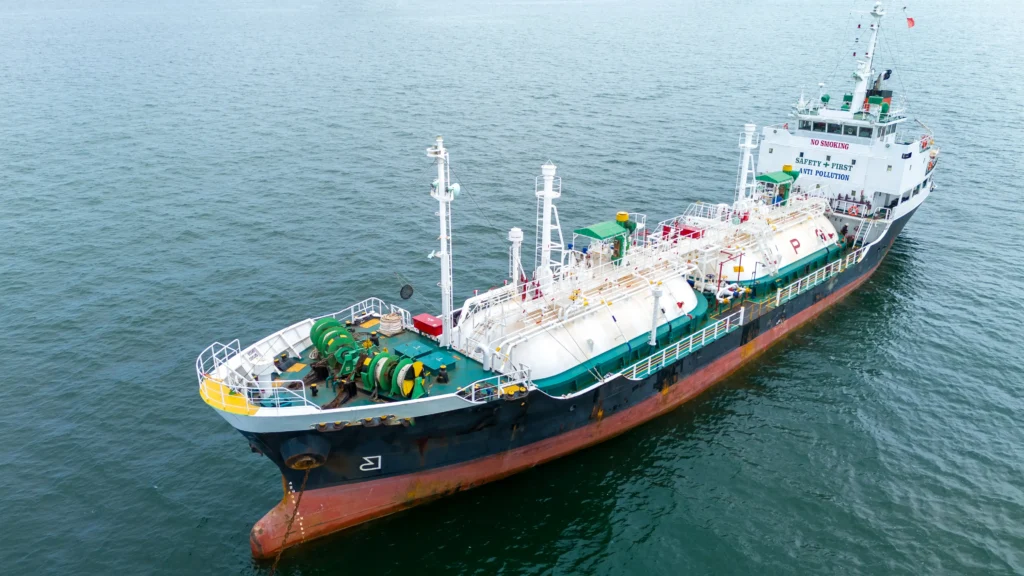
Improper Supervision on Vessels: The Overlooked Liability Driver
When a serious injury happens offshore or on a working vessel, the focus often lands on the obvious factors like rough seas, heavy equipment, or a single mistake in the moment. But in many maritime injury cases, the real driver…
Jones Act vs. LHWCA: Which Maritime Law Applies to Your Injury?
If you are hurt working on or around the water, the first legal question is often not how bad the injury is. It is which maritime law applies. For most injured maritime workers, the answer is either the Jones Act…

Offshore Supply Vessel Injuries: Crew Transfers, Winches, Cranes, and Heavy Equipment Risks
Offshore supply vessels keep operations moving, but the same equipment that makes the job possible also creates serious injury exposure. Crew transfers in changing seas, suspended loads on deck, and pinch points around winches and cranes can turn routine tasks…

Maritime Wrongful Death: Who Can File and What Damages Are Available
Losing a loved one in a maritime incident is devastating, and the legal path forward is often more complicated than a typical wrongful death claim. Maritime cases can involve federal statutes, general maritime law, and sometimes state wrongful death laws,…
FAQs
Get answers to commonly asked questions regarding product defect injuries and learn how we can help with your case.
Can a lawsuit be filed against an employer under the Jones Act?
If the injured worker qualifies as a “seaman,” the Jones Act allows a negligence claim against the employer and permits a jury trial.
What if the vessel was unsafe but nobody “knew” about it?
Unseaworthiness claims can still apply even when the vessel owner argues they lacked notice of the condition.
Does maintenance and cure require proving fault?
Maintenance and cure is a maritime-law remedy that does not operate like a typical negligence claim; it arises from maritime common law obligations.
What if the death happened offshore?
If the wrongful act occurs beyond three nautical miles from U.S. shore, the Death on the High Seas Act can apply and controls who can sue and the nature of the action.
Can I bring a Jones Act claim if I was hurt during a crew transfer?
Often, yes. Crew transfers are a common setting for serious injuries, and liability can involve unsafe transfer methods, poor planning, inadequate equipment, sea-state decisions, or vessel operation. Whether you have a Jones Act claim depends on seaman status and who was responsible for the unsafe conditions.
What if I was injured because of defective equipment or a missing safety guard?
That can support multiple theories: Jones Act negligence (failure to provide safe tools/training) and/or unseaworthiness (the vessel and its equipment must be reasonably fit for their intended use). Preserving the equipment and maintenance records quickly is critical.
My employer says I have to see their doctor. Do I have choices?
In many cases, maritime workers have rights that are different than standard workers’ comp setups. Employers may steer treatment, but you still need appropriate care and documentation. A lawyer can help protect your medical rights and address improper pressure or denial tactics.
What if I was hurt offshore, but I was hired on land?
Where you were hired isn’t always the deciding factor. Coverage and the legal framework usually turn on your work relationship to a vessel (seaman status) and where/how the incident occurred (navigable waters, offshore). Maritime rules can still apply even when hiring and onboarding happen onshore.
What if I’m labeled a “contractor” or “1099”?
A label doesn’t control the legal outcome. Courts look at the reality of the work relationship, supervision, control, assignment to a vessel/fleet, and the nature of the job. Misclassification is common in maritime cases and can be challenged.
What if I was injured because of understaffing, fatigue, or rushed operations?
Fatigue and production pressure are major drivers of offshore catastrophes. Under the Jones Act, employer negligence can include unsafe staffing levels, inadequate rest, lack of training, or forcing work to continue in dangerous conditions.
How is “seaman status” decided if I work on multiple vessels?
You may still qualify if your work has a substantial connection to a vessel or a fleet of vessels under common ownership/operation. Work logs, dispatch records, pay stubs, and assignments can be key evidence.