

Hazards on the water should not be underestimated
When fires, explosions, or toxic exposures occur aboard vessels, offshore work platforms, and maritime worksites, they can cause serious harm to anyone involved. These incidents may result in severe burns, smoke inhalation, respiratory injury, organ damage, permanent disability, and death.
If you were harmed by a maritime hazard, whether you are a crew member, contractor, or passenger, you may have questions about what caused the incident. When a serious injury happens at sea, you deserve to know whether unsafe equipment, poor maintenance, dangerous cargo, or a preventable safety failure played a role.
The Occupational Safety and Health Administration (OSHA) identifies maritime hazards that include hazardous chemicals, confined or enclosed spaces, machinery hazards, and fire hazards. Many maritime safety standards, hazard communication rules, and documented workplace warnings have also emphasized these dangers.

How Much Is Your Case Worth?
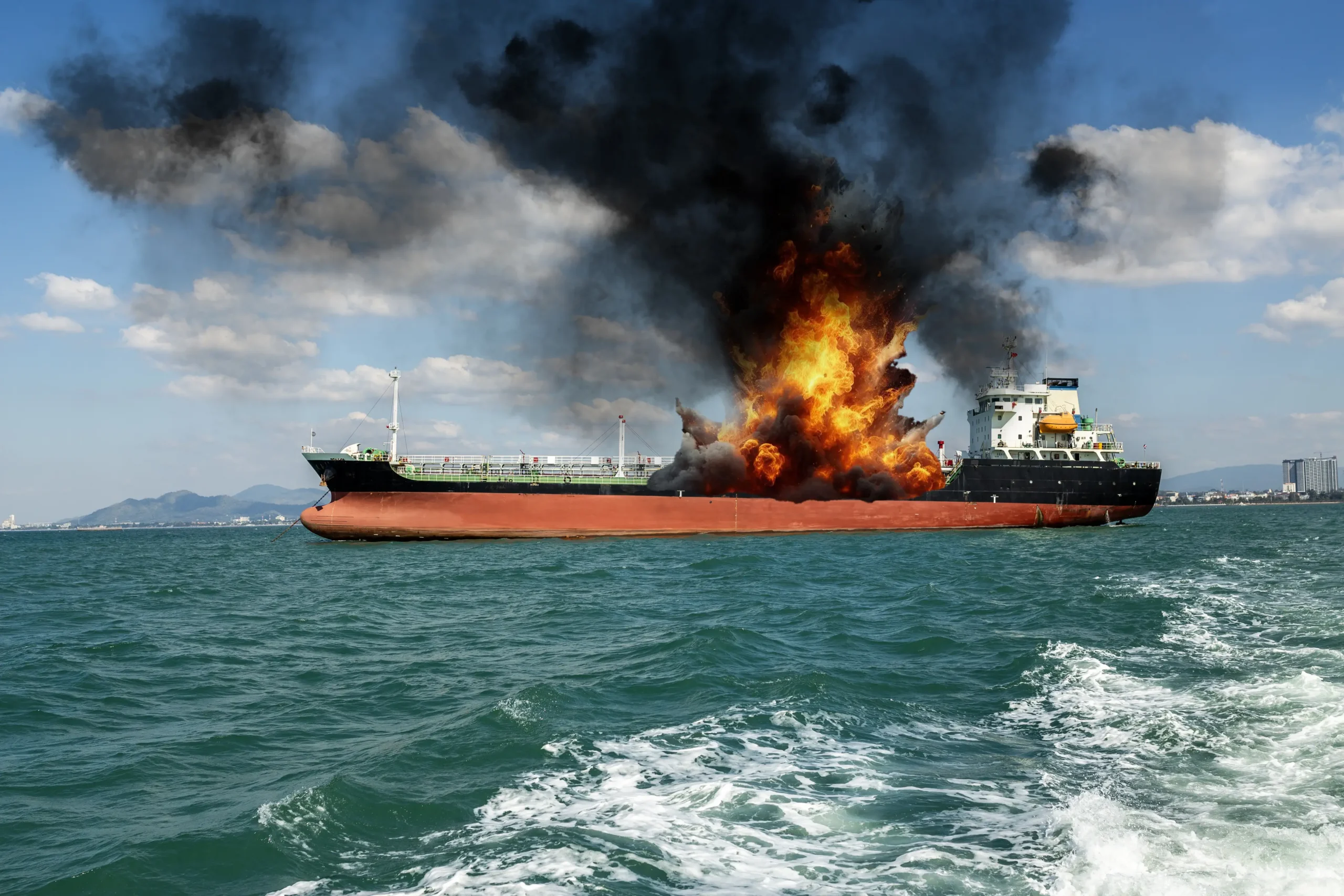
When Fire, Explosion, or Toxic Exposure Happens at Sea
A fire or chemical exposure at sea can become life-threatening within seconds. Vessel workers may have limited escape routes, limited medical care, confined work areas, and delayed emergency response. Engine rooms, cargo areas, fuel systems, electrical spaces, tank holds, and enclosed compartments can all create serious risks when safety controls fail.
These cases often involve more than one mistake. A fire may begin with an electrical defect, spread because of poor housekeeping, worsen because of fuel or cargo hazards, and cause catastrophic injury because emergency equipment did not work. A toxic exposure may result from unsafe cargo handling, inadequate ventilation, poor labeling, failed respiratory protection, or failure to test a dangerous atmosphere before workers enter.
Common Causes of Maritime Fires and Explosions
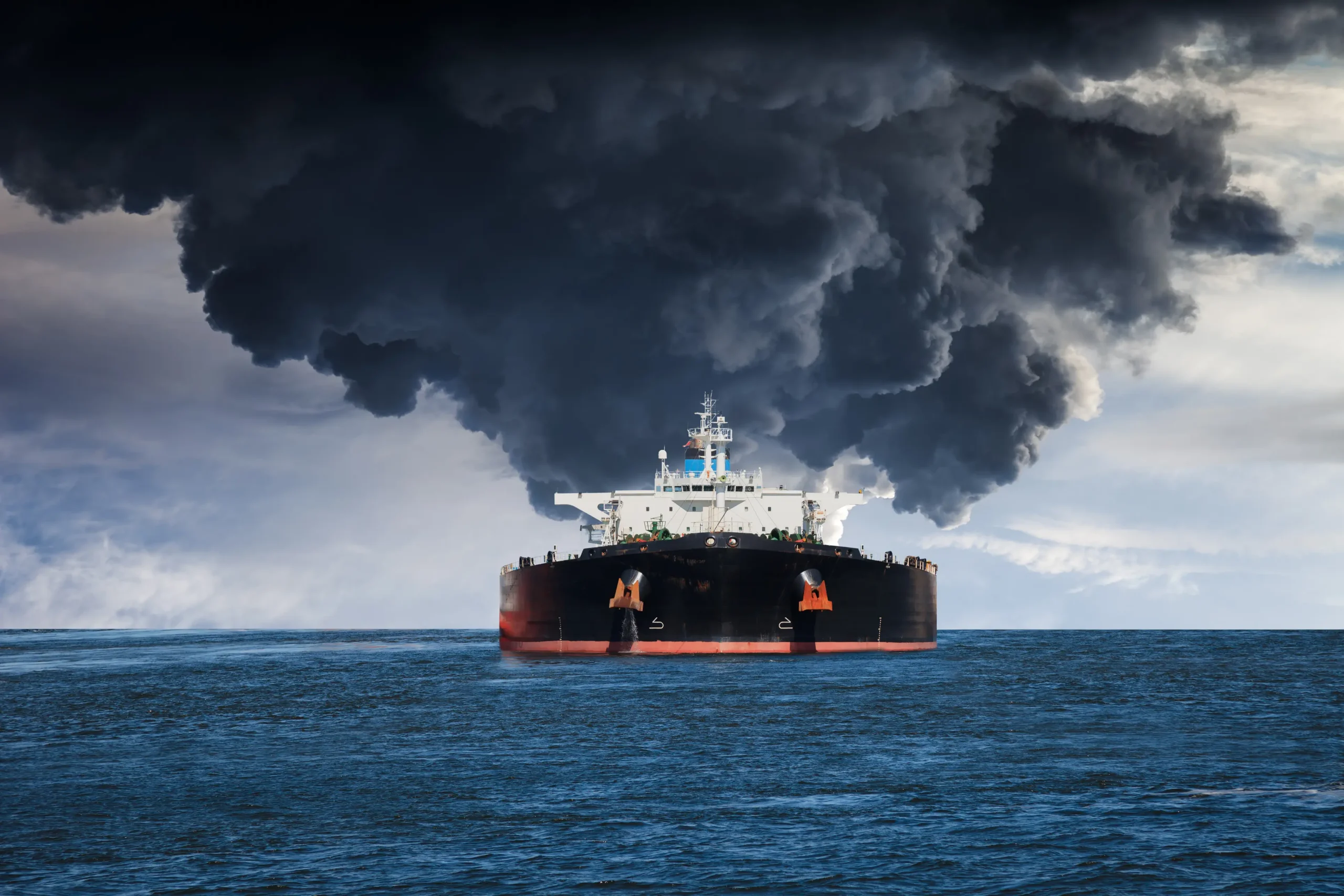
Fires and explosions at sea often trace back to preventable hazards. The cause may involve vessel maintenance, equipment design, crew training, cargo handling, or unsafe work practices.
Common causes include:
- Engine room fires
- Electrical failures
- Fuel leaks
- Hydraulic fluid leaks
- Battery failures
- Hot work near flammable materials
- Welding or cutting in unsafe conditions
- Improper storage of combustible materials
- Cargo fires or chemical reactions
- Poor ventilation in enclosed spaces
- Failure to detect or respond to flammable vapors
- Defective alarms, suppression systems, or emergency equipment
A serious vessel fire should never be dismissed as a random accident. Investigators often need to examine maintenance records, inspection logs, fuel systems, wiring, fire suppression equipment, crew training, and whether prior warnings were ignored.
Chemical Exposures and Toxic Cargo Hazards
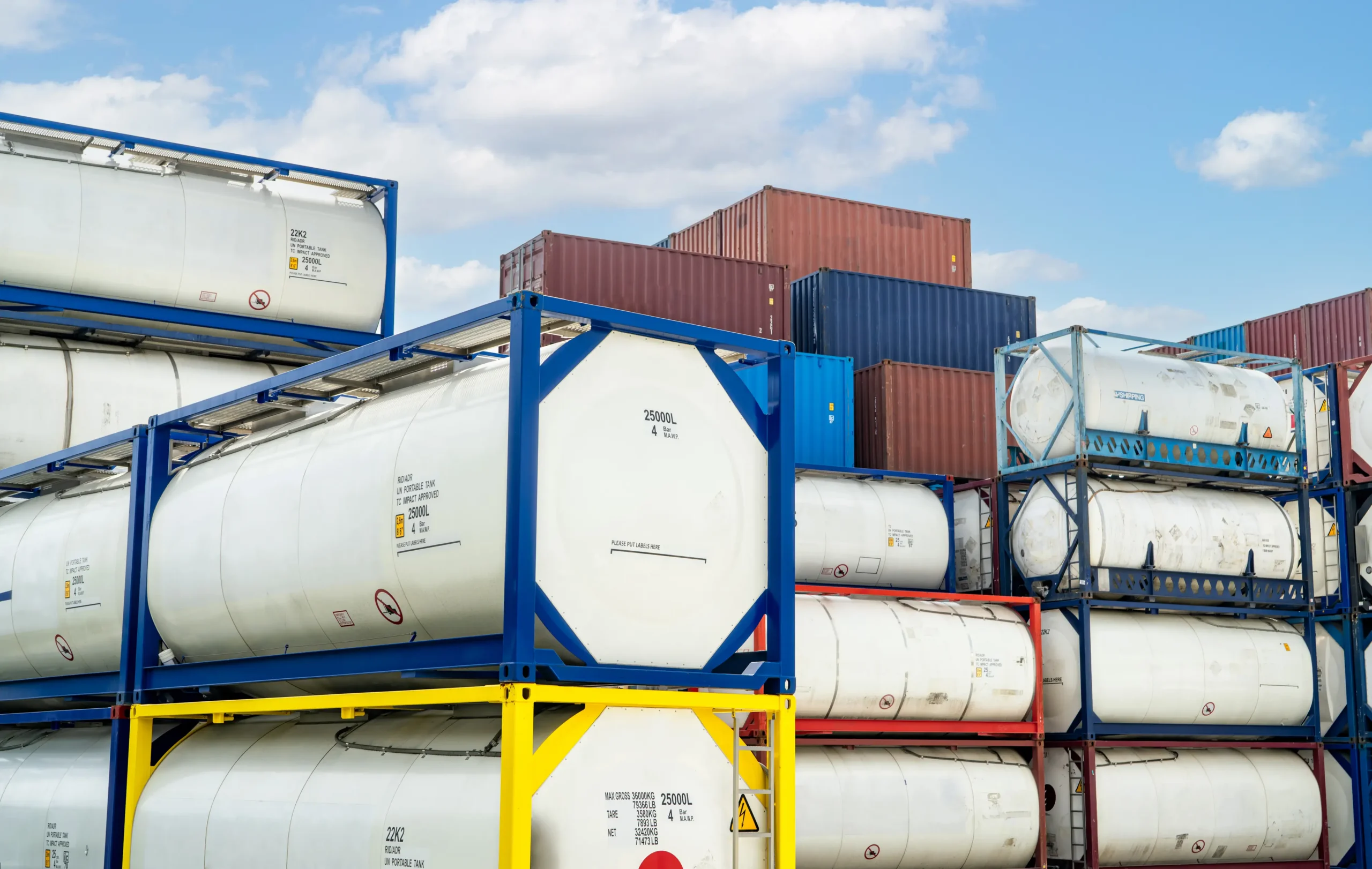
Chemical exposure at sea can happen during cargo loading, tank cleaning, spill response, maintenance, repair work, or routine vessel operations. Workers may inhale toxic vapors, smoke, fumes, gases, or mists. They may also suffer burns or systemic injuries from direct skin contact with corrosive or hazardous substances.
Potential exposure sources include:
- Fuel and petroleum products
- Solvents and degreasers
- Cleaning chemicals
- Cargo vapors
- Refrigerants
- Welding fumes
- Smoke from fires
- Battery chemicals
- Pesticides or fumigants
- Hydrogen sulfide and other toxic gases
- Oxygen-deficient atmospheres in tanks or confined spaces
OSHA’s shipyard standards address confined and enclosed spaces and other dangerous atmospheres, including testing and precautions before entry. Respiratory protection requirements also focus on preventing contaminated air from harming workers exposed to harmful dusts, fumes, gases, smoke, vapors, and similar hazards.
Severe Injuries Linked to Fires, Explosions, and Toxic Exposure
Burns and inhalation injuries can change every part of a person’s life. Victims may need emergency transport, hospitalization, skin grafting, reconstructive surgery, respiratory support, rehabilitation, and long-term care.
Injuries may include:
- Severe burns
- Chemical burns
- Smoke inhalation injury
- Lung damage
- Respiratory failure
- Eye injuries and vision loss
- Traumatic brain injury
- Crush injuries from explosion debris
- Scarring and disfigurement
- Nerve damage
- Infection and sepsis
- Amputations
- Organ damage
- Fatal injuries
For families, the consequences can include medical bills, lost income, funeral expenses, loss of support, and the lasting trauma of a preventable death and whether the death could have been prevented.

Who May Be Responsible After a Maritime Fire or Chemical Exposure
Liability depends on facts such as the injured person’s work status, the vessel involved, and the law that applies. Maritime cases may involve a variety of parties.
Potentially responsible parties may include:
- Vessel owners
- Vessel operators
- Maritime employers
- Offshore platform operators
- Maintenance and repair contractors
- Electrical contractors
- Fuel suppliers
- Cargo owners or shippers
- Chemical manufacturers
- Equipment manufacturers
- Safety inspection companies
- Staffing or subcontracting companies
A claim may focus on unsafe vessel conditions, negligent maintenance, inadequate training, defective equipment, dangerous cargo practices, failure to warn, or failure to provide proper protective equipment.
When a Legal Claim May Be Investigated
A maritime injury claim may be investigated when a fire, explosion, or toxic exposure results from preventable conduct or unsafe conditions. These cases often require a close look at whether the vessel was reasonably safe, whether the crew had proper training, whether known hazards were addressed, and whether the injured person received appropriate medical care after the incident.
Important questions may include:
- Was the vessel properly maintained?
- Were fire detection and suppression systems working?
- Were fuel leaks, electrical problems, or prior warnings ignored?
- Was hazardous cargo properly identified and handled?
- Were workers trained on chemical exposure risks?
- Were confined spaces tested before entry?
- Was ventilation adequate?
- Were respirators, protective clothing, and emergency equipment available?
- Did the company follow its own safety procedures?
- Did a defective product or component contribute to the incident?
These questions matter because maritime companies often control the records, equipment, witnesses, and evidence needed to understand what happened.

Evidence That May Matter
Fire, explosion, and chemical exposure cases can depend on technical evidence. The sooner evidence is preserved, the stronger the investigation may be.
Key evidence may include:
- Vessel maintenance records
- Engine room logs
- Electrical inspection records
- Fuel system records
- Fire suppression system records
- Alarm and sensor data
- Safety manuals and emergency procedures
- Crew training records
- Chemical safety data sheets
- Cargo manifests
- Confined-space entry permits
- Air monitoring records
- Photos and video
- Witness statements
- Incident reports
- Coast Guard or OSHA materials, when applicable
- Medical records and burn treatment records
- Expert inspection of damaged equipment
A careful investigation can show whether the incident resulted from a sudden unavoidable event or from a chain of preventable safety failures.
Why These Maritime Cases Can Be Complex
Fires, explosions, and chemical exposures at sea often involve overlapping legal and technical issues. The injured person may be a seaman, longshore worker, harbor worker, contractor, passenger, or other maritime worker. Different laws may apply depending on where the incident happened, the vessel’s role, the worker’s duties, and the parties involved.
The investigation may also require experts in marine engineering, fire origin and cause, toxicology, industrial hygiene, vessel operations, electrical systems, chemical safety, and burn medicine. Insurance companies and vessel operators may move quickly to frame the incident in a way that limits responsibility. Injured workers and families should not have to sort through that alone.

Wrongful Death After a Fire, Explosion, or Toxic Exposure at Sea
These incidents are very serious, sometimes causing fatal injuries. Families may be left with unanswered questions about what happened, why emergency systems failed, and whether the death could have been prevented.
A wrongful death investigation may examine:
- The cause of the fire, explosion, or exposure
- Whether the vessel had known safety problems
- Whether required inspections were completed
- Whether emergency response was delayed or inadequate
- Whether the company failed to protect workers from known hazards
- Whether defective equipment contributed to the death
- Whether medical response and evacuation procedures were appropriate
We treat these cases with care, urgency, and respect for the family’s loss.
How McEldrew Purtell Can Help
McEldrew Purtell investigates serious maritime injury and wrongful death claims involving fires, explosions, fuel leaks, electrical failures, toxic exposures, and dangerous cargo incidents. Our team works to identify what failed, who controlled the hazard, what evidence must be preserved, and what legal options may be available.
A fire, explosion, or chemical exposure at sea can leave injured workers and families facing medical uncertainty, financial pressure, and unanswered questions. McEldrew Purtell can review what happened, explain the issues that may matter, and help determine whether a preventable maritime safety failure contributed to the injury or loss.

Learn More

Company Accident Reports vs. Reality: How Maritime Investigations Uncover What Happened
Right after a maritime incident, the first story usually comes from the company. A supervisor’s write-up, an internal “safety report,” or a quick email to management can sound definitive. But those early narratives are often incomplete, shaped by limited information,…
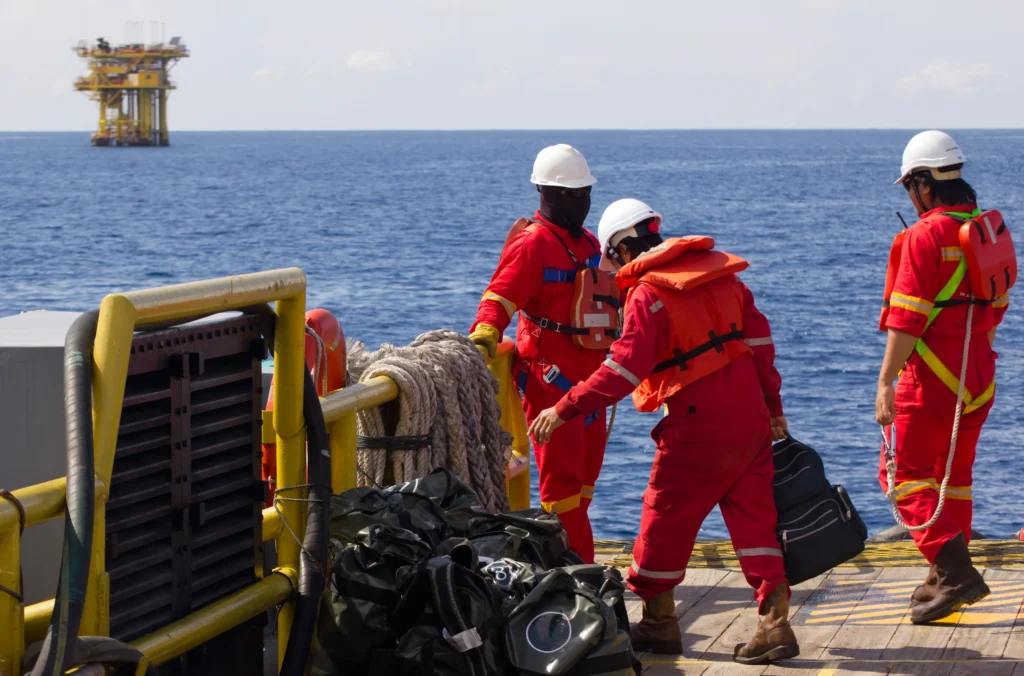
Safety Gear Failures Offshore: Harnesses, PFDs, and Fall-Protection Equipment That Didn’t Perform
Offshore work is unforgiving. When the equipment meant to keep a worker alive fails, the outcome is often catastrophic: drowning, traumatic brain injury, spinal cord damage, crush injuries, or fatal falls. These cases are especially painful because the entire point…
Improper Supervision on Vessels: The Overlooked Liability Driver
When a serious injury happens offshore or on a working vessel, the focus often lands on the obvious factors like rough seas, heavy equipment, or a single mistake in the moment. But in many maritime injury cases, the real driver…
Jones Act vs. LHWCA: Which Maritime Law Applies to Your Injury?
If you are hurt working on or around the water, the first legal question is often not how bad the injury is. It is which maritime law applies. For most injured maritime workers, the answer is either the Jones Act…

Offshore Supply Vessel Injuries: Crew Transfers, Winches, Cranes, and Heavy Equipment Risks
Offshore supply vessels keep operations moving, but the same equipment that makes the job possible also creates serious injury exposure. Crew transfers in changing seas, suspended loads on deck, and pinch points around winches and cranes can turn routine tasks…
Maritime Wrongful Death: Who Can File and What Damages Are Available
Losing a loved one in a maritime incident is devastating, and the legal path forward is often more complicated than a typical wrongful death claim. Maritime cases can involve federal statutes, general maritime law, and sometimes state wrongful death laws,…