

Catastrophic Toxic Exposure Lawsuits
Toxic exposures are often silent at first and devastating when missed. Acute releases (spills, fires, derailments) and chronic exposures (contaminated water, workplace solvents, heavy metals, PFAS) can lead to life-altering injuries and diseases. In the first days and weeks, you’re asked to make complex medical and insurance decisions while trying to breathe, heal, and plan the road ahead. Our role is to steady that chaos. We move quickly to preserve evidence, notify the right parties, and protect your claim so you can focus on recovery.
From day one, we assemble the right team for exposure cases: industrial hygienists, toxicologists, environmental engineers, pulmonologists, oncologists, hepatology/nephrology specialists, life-care planners, and economic experts. We build liability and damages in parallel, capturing air/water/soil data, chain-of-custody sampling, SDS/OSHA/EPA records, incident reports, and biomonitoring, so nothing is left to chance.


How Much Is Your Case Worth?
Our Results
McEldrew Purtell has a proven track record of maximizing recovery for our clients.
Results may vary depending on your particular facts and legal circumstances.
Ways We Can Help
Below are common causes and contexts for toxic chemical exposure. For each, we develop the evidence and pursue every responsible party to seek full compensation under the law.
Industrial Plant & Refinery Releases
Process upsets, line breaks, flaring events, and storage tank failures can expose workers and nearby communities to hydrocarbons, VOCs, acids, and particulates. Potentially liable parties may include operators, maintenance contractors, component manufacturers, and third-party service providers.
Freight Rail & Tanker Truck HazMat Incidents
Derailments, valve failures, and rollover spills can create toxic plumes and persistent soil/groundwater impacts. Potential defendants may include carriers, shippers, loaders, maintenance vendors, component manufacturers, and response contractors.
Workplace Solvent & Degreaser Exposure (e.g., benzene, TCE/PCE)
Degreasing, parts-washing, and shop ventilation failures can lead to hematologic and neurologic harms. Potential defendants: chemical manufacturers, distributors, premises owners, and safety/ventilation contractors.
Pesticides & Herbicides (agricultural and landscaping)
Thermal runaway in e-bikes, scooters, vapes, laptops, and power tools can trigger intense fires and inhalation injuries. Potentially liable parties may include battery and device manufacturers, distributors/retailers, and property owners where storage/charging practices violated standards.
Heavy Metals (lead, arsenic, mercury, cadmium, chromium)
Overpressure and particulate clouds injure lungs (blast lung), while smoke/chemical plumes cause secondary damage. Potentially liable parties: utilities, fuel system manufacturers, event operators, premises owners, and pyrotechnic vendors.
PFAS & Emerging Contaminants (including AFFF)
Long-chain “forever chemicals” persist in water and blood, impacting multiple organs. Potential defendants: AFFF/chemical manufacturers, airports/fire training facilities, industrial dischargers, and municipal systems.
Carbon Monoxide & Hydrogen Sulfide Poisoning
Faulty appliances, enclosed-space work, or sewer/industrial gas releases can cause hypoxia and acute organ injury. Potential defendants: property owners/managers, utilities, product manufacturers, installers, and maintenance vendors.
Fires, Explosions & Toxic Smoke Plumes
Derailments or cargo releases expose workers and communities to toxic plumes; diesel exhaust exposures affect railroad workers.
Post‑collision vehicle fires and battery thermal events in cars, trucks, and buses demand rapid preservation of the vehicle and data. Potentially liable parties may include vehicle and component manufacturers, carriers, maintenance providers, and other negligent drivers.
Contaminated Consumer Goods & Cosmetics
Unsafe or contaminated products (including talc-based or solvent-containing items) can cause systemic exposure. Potential defendants: manufacturers, component suppliers, distributors, and retailers.
Medical & Pharmaceutical Contamination
Contaminated drugs/devices or compounding failures can lead to toxic or infectious harm. Potential defendants: manufacturers, compounders, distributors, and healthcare providers.
Indoor Air Quality & Mold/Mycotoxins
Carbon monoxide and hydrogen cyanide exposure during fires can injure the brain, heart, and lungs even without obvious external burns. Potentially liable parties may include premises owners, utilities, product manufacturers, and event operators where safety failures contributed.
Community & Groundwater Contamination (landfills, dry cleaners, industrial sites)
Plumes and vapor intrusion can impact entire neighborhoods and schools. Potential defendants: site owners/operators (past and present), waste haulers, PRPs, and environmental consultants.
Don’t Just Take Our Word For It
Hear From Our Clients
At McEldrew Purtell, results matter and so does the way we achieve them. While our case outcomes reflect our tenacity in court and at the negotiation table, it’s the voices of our clients that truly capture who we are and why we do this work.
We represent people at the worst moments of their lives: after catastrophic injuries, workplace tragedies, and preventable losses. Through every case, we aim to deliver not just compensation but clarity, confidence, and care.
If you’re considering working with a Philadelphia trial lawyer, we invite you to read what our clients have said about their experiences with McEldrew Purtell. Their words are the most powerful testament to our values, our dedication, and our results.
Learn More
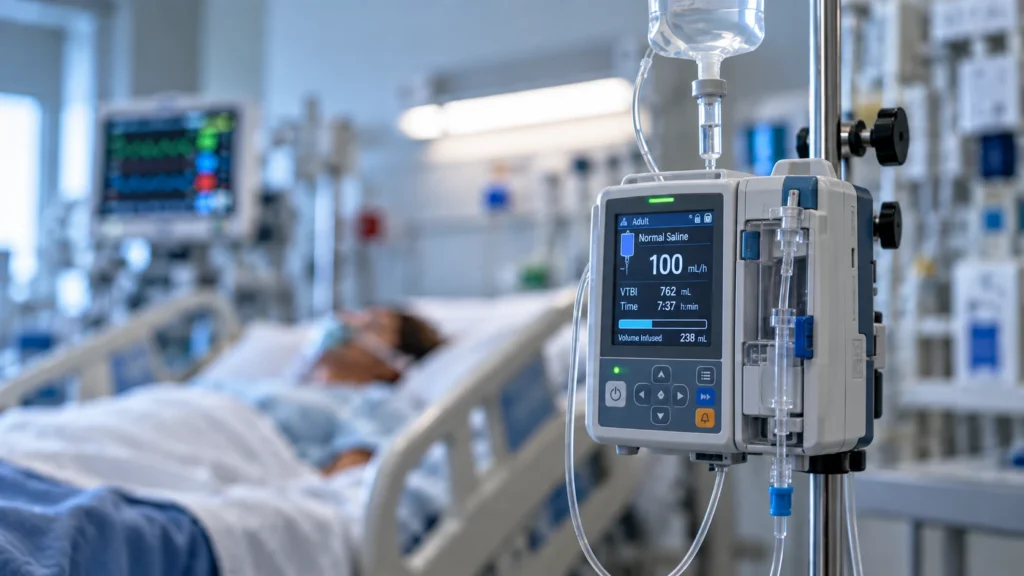
BD Alaris Infusion Set Recall: Over- and Under-Infusion Can Cause Catastrophic Injury
Patients receiving critical medications through BD Alaris pumps can face serious harm if an infusion set causes the system to deliver more or less than programmed. On October 5, 2026, the FDA updated a Class I recall involving approximately 94.2…
Hundreds of Sexual Abuse Claims Rock NJ Juvenile Detention System as New Bordentown Lawsuits Emerge
New lawsuits allege that staff at two state-operated youth detention facilities in Bordentown, New Jersey, sexually abused children in their care, including allegations involving victims as young as 13 and 14. The filings expand a much larger legal proceeding involving…

NICU Monitoring Failures: Delayed Response to Apnea, Bradycardia, and Oxygen Desaturation
Apnea, bradycardia, and oxygen desaturation are common in neonatal intensive care, particularly among premature infants. Some events resolve without treatment. Others require stimulation, supplemental oxygen, respiratory support, medication, or more advanced intervention depending on the baby’s condition. A poor outcome…
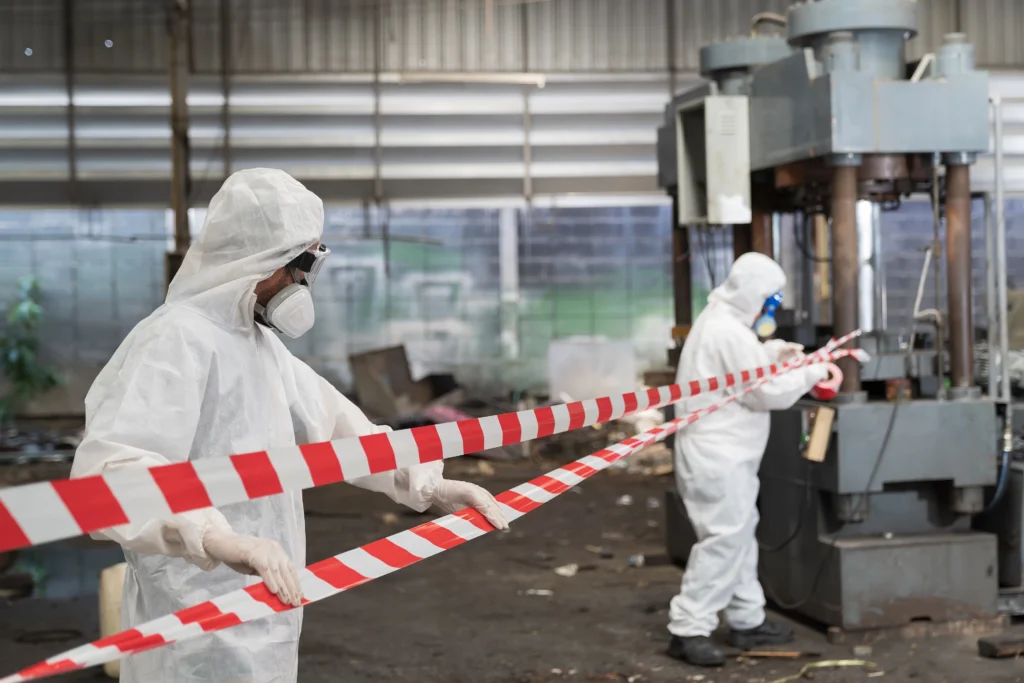
Toxic Chemical Exposure After Train, Truck, and Warehouse Spills
A train derailment, tanker truck crash, or warehouse spill can release hazardous chemicals into the air or across a worksite within seconds. Workers, drivers, emergency responders, nearby residents, and others may be exposed by breathing in contaminated air, getting chemicals…

Surgical Stapler Failures: Internal Bleeding, Sepsis, and Wrongful Death
Patients can suffer life-threatening internal bleeding, leaks, infection, or sepsis when a surgical stapler fails to create a complete and secure staple line. These complications may require emergency surgery, prolonged hospitalization, or intensive care, and in the most serious cases…

Nursing Home Fall Injuries: Hip Fractures, Brain Bleeds, and Wrongful Death
For an elderly or medically fragile nursing home resident, a single fall can cause catastrophic, life-altering harm. A fractured hip may require surgery, permanently destroy the resident’s mobility and independence, and trigger complications such as blood clots, pneumonia, pressure injuries,…
FAQs
Get answers to commonly asked questions regarding toxic chemical exposure and learn how we can help with your case.
What counts as a toxic exposure case?
Any harmful contact with a hazardous chemical or contaminant – by inhalation, ingestion, or skin/eye absorption – that causes injury, disease, or death. Cases include workplace exposures, industrial/community releases, and contaminated products or water.
What should I do right after a suspected exposure?
Get medical care, describe the exposure to your provider, document symptoms, photograph the scene/equipment, preserve clothing if relevant, and contact counsel quickly so evidence and notices go out immediately.
How do you prove exposure and causation?
We combine environmental data (sampling, historical releases, SDS/permits) with medical evidence (diagnoses, differential, biomarkers) and expert testimony (toxicology, industrial hygiene, epidemiology).
Can multiple companies be responsible?
Yes. We often pursue manufacturers, premises owners, contractors, and others whose combined failures created the exposure.
What damages can I recover?
Medical costs (past/future), lost wages and earning capacity, home/vehicle modifications, life-care needs, and non-economic harms (pain, suffering, loss of life’s pleasures). In egregious cases, we evaluate punitive damages.
What if my exposure happened years ago?
Many toxic injuries have long latencies. We investigate historical records, employer/plant archives, and environmental databases to build a timeline.