

Catastrophic Nerve Injury Lawsuits
A major nerve injury can upend every part of life; pain, weakness, loss of sensation, loss of function, and a long road of surgeries and therapy. In the first days and weeks, you’re forced to make medical, insurance, and employment decisions while trying to heal. Our role is to steady that chaos. We move fast to secure evidence, notify the right parties, and protect your claim so you can focus on recovery.
We handle nerve-injury cases arising from violent trauma (crashes, crush/entrapment, electrocution), unsafe worksites and products, and medical negligence (transection, compression, mismanaged compartment syndrome, anesthesia-related injury). From day one, we assemble the right team for catastrophic cases: neurosurgeons and peripheral nerve specialists, EMG/NCS experts, radiologists (including MR neurography), life-care planners, vocational and economic experts.


How Much Is Your Case Worth?
Our Results
McEldrew Purtell has a proven track record of maximizing recovery for our clients.
Results may vary depending on your particular facts and legal circumstances.
Ways We Can Help
Below are common sources of severe peripheral and cranial nerve injuries. For each, we develop proof on mechanism (stretch/avulsion, laceration, compression/ischemia, thermal/electrical) and pursue every responsible party to seek full compensation.
Civil Rights / Excessive Force
Prolonged tight restraints, positional compression, or electric devices can cause focal neuropathies. Potentially liable parties: municipalities, police departments/officers, private security.
Birth & Neonatal Injury (Brachial Plexus)
Shoulder dystocia mismanagement and excessive traction can cause Erb’s/Klumpke’s palsy. Potentially liable parties: delivering providers, hospitals.
Toxic Exposures & Neurotoxins
Solvents, heavy metals, pesticides, and certain drugs can cause peripheral neuropathy. Potentially liable parties: manufacturers, distributors, employers/contractors, premises owners.
Crush Injuries & Compartment Syndrome
Elevated compartment pressures or delayed fasciotomy lead to ischemic nerve damage. Potentially liable parties: negligent motorists/employers/contractors; medical providers for delayed diagnosis/treatment.
Electrocution & Electrical Injury
Electrical current can cause acute neuropathy and delayed progressive nerve dysfunction. Potentially liable parties: utilities/contractors, property owners, equipment manufacturers, event operators.
Medical Negligence (Surgical/Iatrogenic)
Nerve transection, excessive retraction, malpositioning, tourniquet injury, injection injury, compartment syndrome mismanagement, or delayed treatment of vascular compromise. Potentially liable parties: hospitals, surgeons/anesthesiologists, ED providers, wound-care/home-health teams where care fell below the standard and caused harm.
Unsafe Premises & Entrapment Hazards
Unprotected pinch points, defective gates/elevators, or collapsing structures can cause nerve-damaging crush injuries. Potentially liable parties: owners/managers/tenants with control, maintenance contractors, security/safety vendors; equipment manufacturers/installers if a defect contributed.
Defective Products & Tools
Design defects, missing guards, or inadequate instructions can cause lacerations and crush injuries leading to neurotmesis or chronic compression. Potentially liable parties: product manufacturer, component suppliers, designers, distributors/retailers, remanufacturers/installers.
Construction Falls & Struck-By Events
Falls, dropped loads, and equipment strikes cause traction injuries, compartment syndrome, or fracture-dislocations with nerve damage. Potentially liable parties: subcontractors, site GC, property owners/managers, crane/hoist operators, equipment manufacturers.
Workplace & Industrial Machine Incidents
Unguarded presses, conveyors, unexpected start-ups, and entanglement cause laceration or traction injuries to major nerves. Potentially liable parties: machine manufacturers (design/warnings), component suppliers, maintenance vendors, site GC/subs, premises owners, staffing/safety firms (third-party claims; workers’ comp may limit suits against a direct employer).
Rideshare & Delivery Collisions
Rapid acceleration/deceleration, airbag deployment, and compartment intrusion can injure cervical nerve roots and peripheral nerves in the upper/lower limb. Potentially liable parties: rideshare/delivery driver, platform (insurance stack), third-party motorists, product manufacturers (defective restraints/airbags).
Commercial Truck & Bus Crashes
High-energy impacts and intrusions can cause brachial plexus avulsion, peroneal/sciatic palsy, and complex polyneuropathy. Potentially liable parties: driver, motor carrier (hiring/training/HOS), shipper/broker (negligent selection/load securement), maintenance contractors, parts manufacturers (brakes/tires).
Don’t Just Take Our Word For It
Hear From Our Clients
At McEldrew Purtell, results matter and so does the way we achieve them. While our case outcomes reflect our tenacity in court and at the negotiation table, it’s the voices of our clients that truly capture who we are and why we do this work.
We represent people at the worst moments of their lives: after catastrophic injuries, workplace tragedies, and preventable losses. Through every case, we aim to deliver not just compensation but clarity, confidence, and care.
If you’re considering working with a Philadelphia trial lawyer, we invite you to read what our clients have said about their experiences with McEldrew Purtell. Their words are the most powerful testament to our values, our dedication, and our results.
Learn More

BD Alaris Infusion Set Recall: Over- and Under-Infusion Can Cause Catastrophic Injury
Patients receiving critical medications through BD Alaris pumps can face serious harm if an infusion set causes the system to deliver more or less than programmed. On October 5, 2026, the FDA updated a Class I recall involving approximately 94.2…
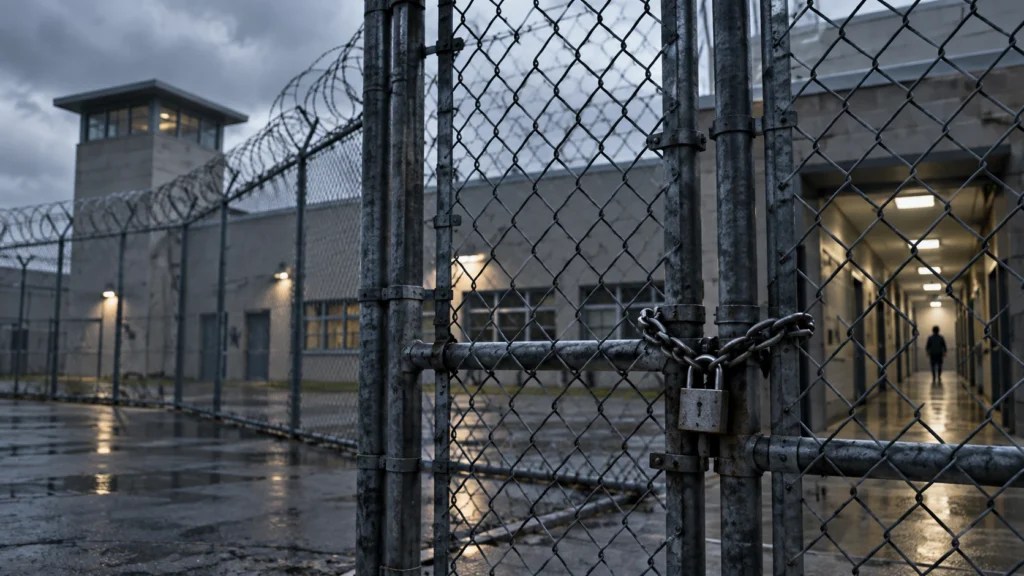
Hundreds of Sexual Abuse Claims Rock NJ Juvenile Detention System as New Bordentown Lawsuits Emerge
New lawsuits allege that staff at two state-operated youth detention facilities in Bordentown, New Jersey, sexually abused children in their care, including allegations involving victims as young as 13 and 14. The filings expand a much larger legal proceeding involving…

NICU Monitoring Failures: Delayed Response to Apnea, Bradycardia, and Oxygen Desaturation
Apnea, bradycardia, and oxygen desaturation are common in neonatal intensive care, particularly among premature infants. Some events resolve without treatment. Others require stimulation, supplemental oxygen, respiratory support, medication, or more advanced intervention depending on the baby’s condition. A poor outcome…
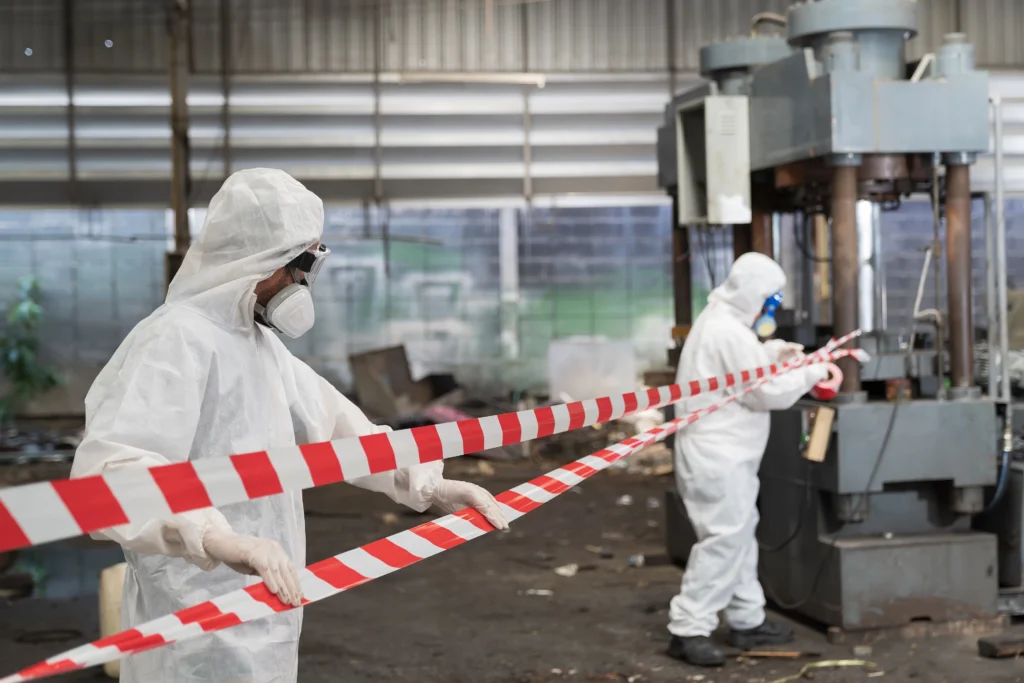
Toxic Chemical Exposure After Train, Truck, and Warehouse Spills
A train derailment, tanker truck crash, or warehouse spill can release hazardous chemicals into the air or across a worksite within seconds. Workers, drivers, emergency responders, nearby residents, and others may be exposed by breathing in contaminated air, getting chemicals…

Surgical Stapler Failures: Internal Bleeding, Sepsis, and Wrongful Death
Patients can suffer life-threatening internal bleeding, leaks, infection, or sepsis when a surgical stapler fails to create a complete and secure staple line. These complications may require emergency surgery, prolonged hospitalization, or intensive care, and in the most serious cases…

Nursing Home Fall Injuries: Hip Fractures, Brain Bleeds, and Wrongful Death
For an elderly or medically fragile nursing home resident, a single fall can cause catastrophic, life-altering harm. A fractured hip may require surgery, permanently destroy the resident’s mobility and independence, and trigger complications such as blood clots, pneumonia, pressure injuries,…
FAQs
Get answers to commonly asked questions regarding major nerve injuries and learn how we can help with your case.
What is a “major” nerve injury?
A nerve injury that permanently impairs function, sensation, or causes chronic pain, often requiring surgery and long-term care.
How are nerve injuries diagnosed and proved in court?
Through clinical exams, EMG/NCS, advanced imaging (e.g., MR neurography), operative findings, and consistent functional testing; we align these with mechanism and timing.
What symptoms suggest a major nerve injury versus a minor one?
Marked weakness or paralysis, loss of sensation, severe “electric/burning” pain, muscle wasting, or autonomic changes (color/temperature/sweating). If you notice any of these, get evaluated promptly.
How soon should I see a nerve specialist?
As early as possible. Some repairs and decompressions are time sensitive. We help you get to a peripheral nerve or neurosurgical consult quickly.
When are EMG/NCS or MR neurography useful?
EMG/NCS can help confirm injury and reinnervation; they’re most informative a few weeks after injury. MR neurography can visualize nerve inflammation or discontinuity. We coordinate testing and interpret it with retained experts.
What should I avoid doing after a nerve injury?
Don’t give recorded statements or broad medical authorizations to insurers, don’t post about your activity on social media, and don’t miss appointments or create gaps in care. These are routinely used to attack your claim.