

For workers, passengers, and families.
Railroad workers, passengers, and people injured at crossings can face life-changing harm after a serious rail incident. The consequences may include permanent disability, extensive medical treatment, lost income, or the death of a family member. These cases can involve unsafe equipment, neglected maintenance, dangerous crossings, or failures in train operations. Was a preventable safety failure responsible for what happened to you or your family?
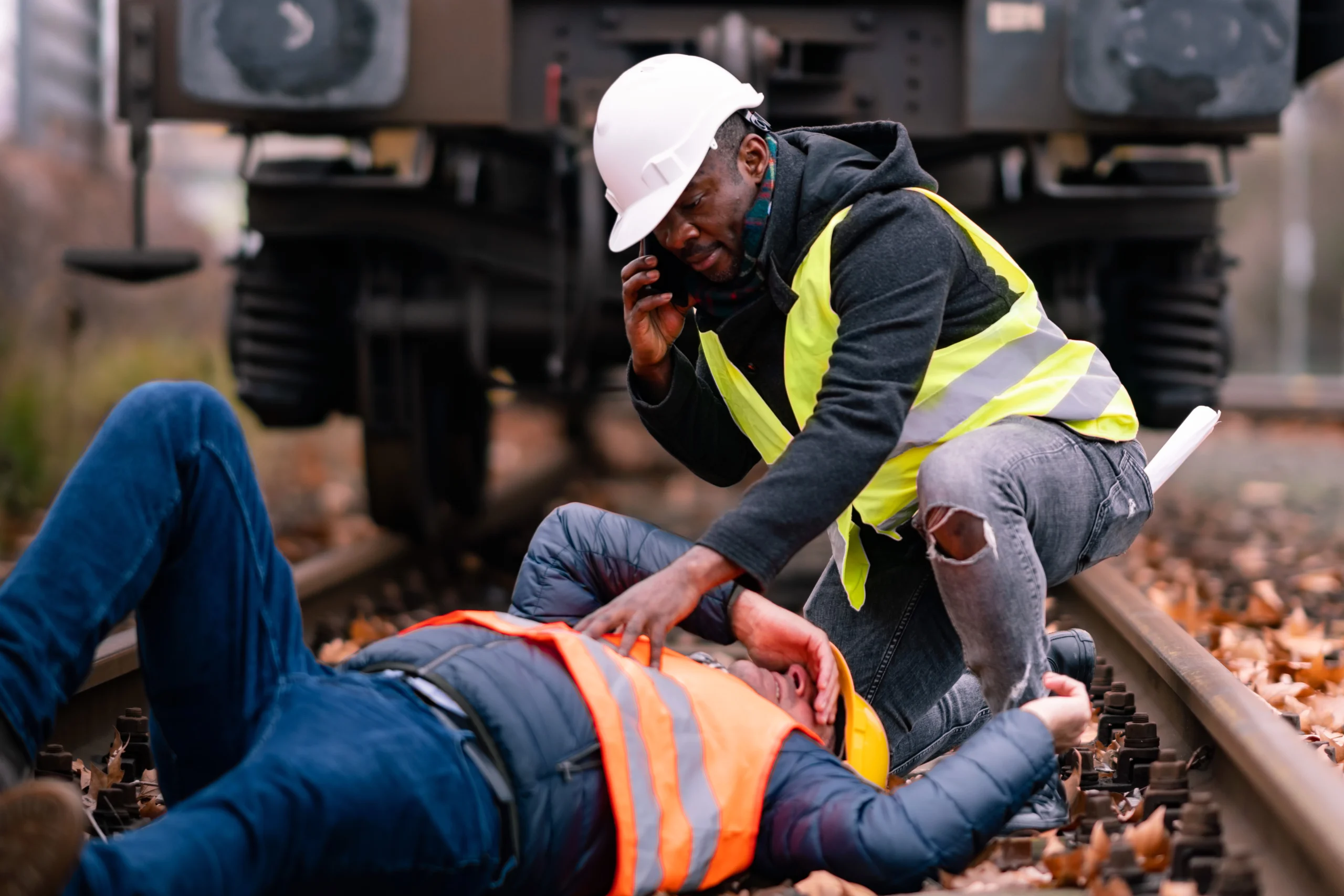
McEldrew Purtell’s Railroad Attorneys
Our attorneys investigate how a rail incident happened and the consequences for the injured person and their family. That work can involve equipment and maintenance records, operating practices, witness accounts, and medical evidence. We examine the decisions and conditions that may have contributed to the harm, not just the events immediately before the injury.





Meet the attorneys and legal professionals who support our railroad practice on our Railroad Injury Team page.
Our Results
McEldrew Purtell has a proven track record of maximizing recovery for our clients.
Results may vary depending on your particular facts and legal circumstances.


FELA Information for Railroad Workers
Eligible railroad employees may have a claim under the Federal Employers’ Liability Act (FELA) when railroad negligence contributes to a work-related injury or death.
RailroadLawyers.com is the dedicated website for McEldrew Purtell’s railroad injury practice. Explore information about FELA, workplace injuries and illnesses, and the steps workers and families can take after an injury.
Railroad Injury Cases We Handle
McEldrew Purtell represents passengers, motorists, pedestrians, and families after serious railroad injuries and fatal incidents. We investigate whether unsafe train operations, defective equipment, dangerous crossings, or neglected station conditions contributed to the harm. Explore the case types below to learn how we can help.
Passenger & Commuter Rail Injuries
Serious injuries involving Amtrak, SEPTA, NJ Transit, and other passenger rail systems, including train collisions, sudden stops, onboard falls, and unsafe conditions inside passenger cars.
Railroad Crossing Collisions
Collisions involving trains, vehicles, cyclists, or pedestrians at railroad crossings, including incidents involving malfunctioning gates, inadequate warnings, obstructed views, or unsafe crossing design.
Train Derailments
Serious injuries to passengers and nearby communities when trains leave the tracks, including harm from overturned railcars, collisions, fires, explosions, and hazardous-material releases.
Station & Platform Injuries
Injuries involving unsafe station and platform conditions, including slippery surfaces, broken stairs, malfunctioning escalators or elevators, falling objects, poor lighting, and inadequate security.
Door, Gap & Boarding Injuries
Serious injuries while boarding or exiting trains, including falls into platform gaps, malfunctioning doors, entrapment, and passengers caught or dragged as a train departs.
Equipment & Component Failures
Injuries involving defective or poorly maintained brakes, wheels, axles, bearings, and other train components, including failures that contribute to collisions, derailments, or onboard fires.
Don’t Just Take Our Word For It
Hear From Our Clients
At McEldrew Purtell, results matter and so does the way we achieve them. While our case outcomes reflect our tenacity in court and at the negotiation table, it’s the voices of our clients that truly capture who we are and why we do this work.
We represent people at the worst moments of their lives: after catastrophic injuries, workplace tragedies, and preventable losses. Through every case, we aim to deliver not just compensation but clarity, confidence, and care.
If you’re considering working with a Philadelphia trial lawyer, we invite you to read what our clients have said about their experiences with McEldrew Purtell. Their words are the most powerful testament to our values, our dedication, and our results.
Learn More
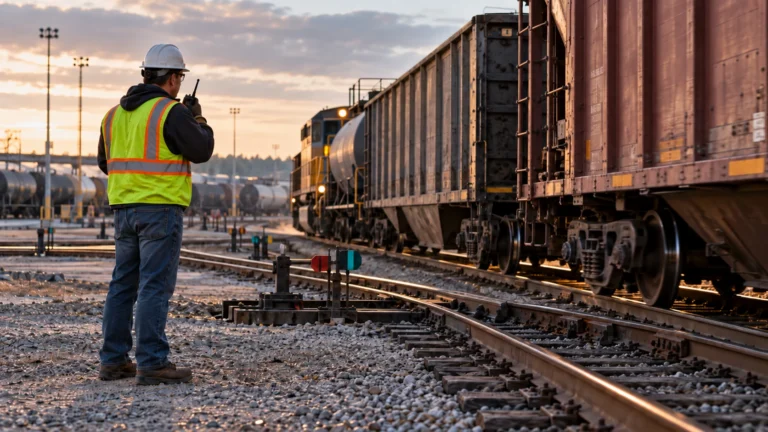
NTSB Calls for Ban on Riding Rail Equipment for Point Protection During Shoving Movements
For railroad employees working switching assignments, riding the point during a shove can put the worker directly in the path of close clearances, collisions, derailments, slack action, and crossing traffic. The National Transportation Safety Board (NTSB) now says that exposure…
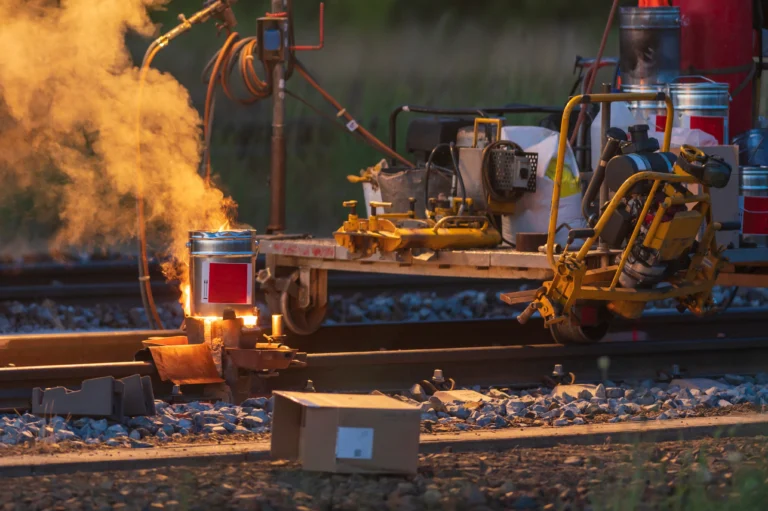
Railroad Toxic Exposure Claims: Cancer, Lung Disease, and Proving Workplace Causation
Railroad workers face dangers that extend far beyond traumatic injuries and derailments. For decades, railroad employees have been exposed to toxic substances capable of causing serious illnesses, including cancer, chronic lung disease, and other life-altering medical conditions.
Fatal Accidents Involving Railroad Employees: What Families Should Know About Wrongful Death Claims Under FELA
A fatal railroad accident leaves families facing far more than grief. Many are suddenly dealing with lost income, unanswered questions about what happened, and pressure from railroad investigators before they fully understand their rights.
FELA vs. Workers’ Comp: What Qualifies as a FELA Claim?
One of the most important questions in a railroad injury case is whether the claim falls under a state’s workers’ compensation law or the Federal Employers’ Liability Act (FELA).
Comparative negligence under FELA: what it means and how railroads try to shift blame
One of the biggest battleground issues in a FELA case is comparative negligence. Railroads often use it to argue you were partly at fault and to push the value of your case down.
Legal Insight: Defining the Ownership of Tracks in Philadelphia – Where Should I Look?
This article was created by the Philadelphia Trial Lawyers Association for The Verdict newsletter in conjunction with Cormick McLaughlin of McEldrew Purtell and is intended to provide legal insight into the ownership of railroad tracks in the Philadelphia area.
FAQs
Get answers to commonly asked questions regarding railroad accidents and learn how we can help with your case.
Is RailroadLawyers.com part of McEldrew Purtell?
Yes. RailroadLawyers.com is the dedicated website for McEldrew Purtell’s railroad injury practice. It brings together information for railroad workers and families, including FELA resources, injury topics, and the railroad team.
Does FELA apply to someone injured as a train passenger?
Not simply because an injury involves a train. FELA concerns qualifying railroad employees injured in connection with their employment, not people injured solely as passengers. Passenger incidents require a separate evaluation of the facts and applicable law.
Can my family contact the firm after a fatal railroad incident?
Yes. Our firm reviews inquiries involving fatal railroad incidents, including workplace injuries, passenger incidents, and crossing collisions. Tell us what happened so our team can evaluate the circumstances and discuss potential next steps.
Does a railroad injury case have to involve a train crash?
No. Serious railroad injuries can occur without a collision or derailment. McEldrew Purtell also handles incidents involving unsafe stations and platforms, malfunctioning doors, dangerous boarding conditions, sudden stops, and defective equipment. Whether an injury supports a claim depends on what happened and whether negligence or a defective product contributed to the harm.
Who may be responsible for a railroad injury?
Depending on the circumstances, potentially responsible parties may include the train operator, the railroad that owns the tracks, a transportation authority, maintenance contractors, or equipment manufacturers. More than one party may be involved. Our investigation examines who controlled the relevant equipment, property, or operations and whether their actions or failures contributed to the injury.
What information should I share when contacting your firm?
Start with when and where the incident happened, the railroad or transit system involved, and a brief description of your injuries. Mention any photographs, videos, witness information, or details about the train and location that you have. Our team can discuss the circumstances with you during a free consultation and explain potential next steps.