

When critical rail equipment fails, the consequences can be catastrophic.
Passengers and members of the public can suffer serious injuries when brakes, wheels, axles, bearings, couplers, locomotive systems, or other rail components fail during operation. A mechanical failure can contribute to a derailment, collision, uncontrolled movement, fire, or other event that causes traumatic brain injuries, spinal injuries, crush injuries, burns, permanent disability, or death. Federal railroad safety standards and accident-reporting systems specifically address mechanical and electrical conditions involving many of these components. When serious harm occurs, the investigation may need to determine whether the failure resulted from a defective component, inadequate inspection or maintenance, improper repair, or another preventable problem.
Were You Injured by Equipment While Working for a Railroad?
Railroad employees can be injured by defective or poorly maintained railcars, machinery, tools, brakes, couplers, lifting equipment, and other work equipment. Visit McEldrew Purtell’s dedicated railroad injury website for information about equipment and tool failures, crush injuries, maintenance-of-way hazards, job-specific risks, and FELA claims.

Questions after a serious rail equipment failure?
How Rail Equipment Failures Can Cause Serious Injuries
Even a “small” mechanical defect can have severe consequences once a train or piece of equipment is in motion. Common risk factors include:
- Loss of Braking or Train Control: A failure of a brake, control, or locomotive system can impair a train’s ability to slow, stop, or operate as intended, potentially contributing to a collision, derailment, or other uncontrolled movement.
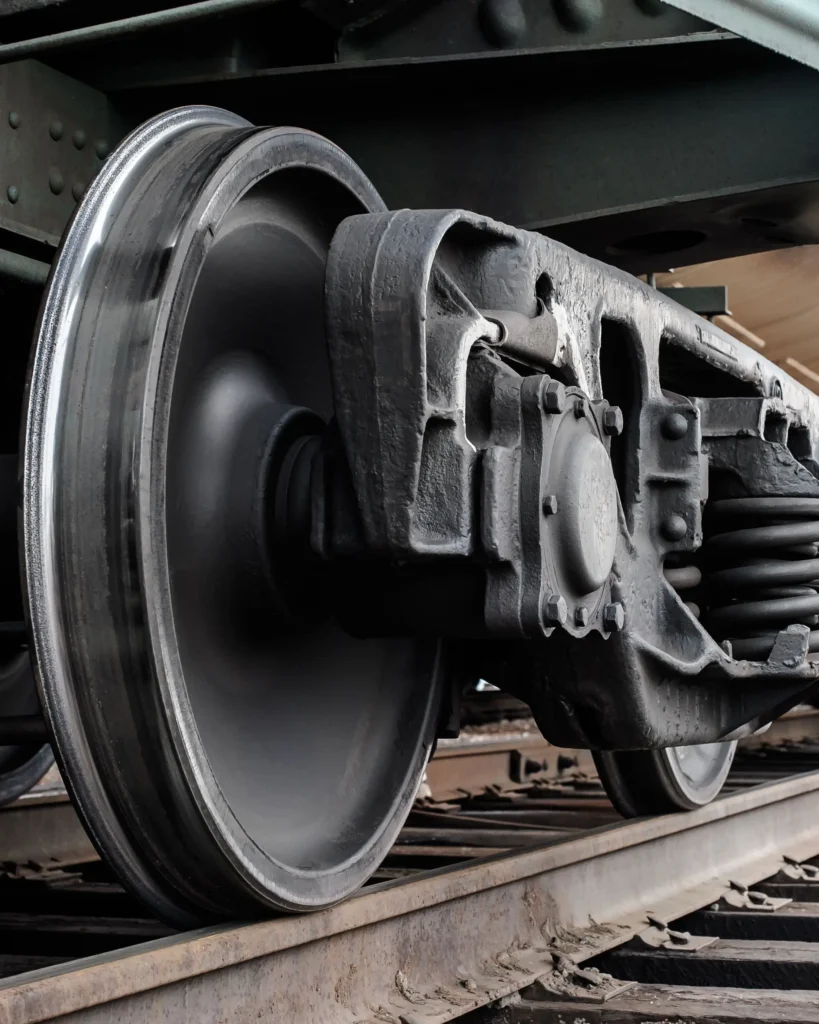
- Wheel, Axle & Bearing Failures: Wheels, axles, journals, and bearings operate under substantial loads. Cracks, overheating, wear, or other failures can contribute to serious operating events, including derailments. Federal Railroad Administration (FRA) freight-car standards specifically address defective wheels and axles, including cracked components and overheated journals.
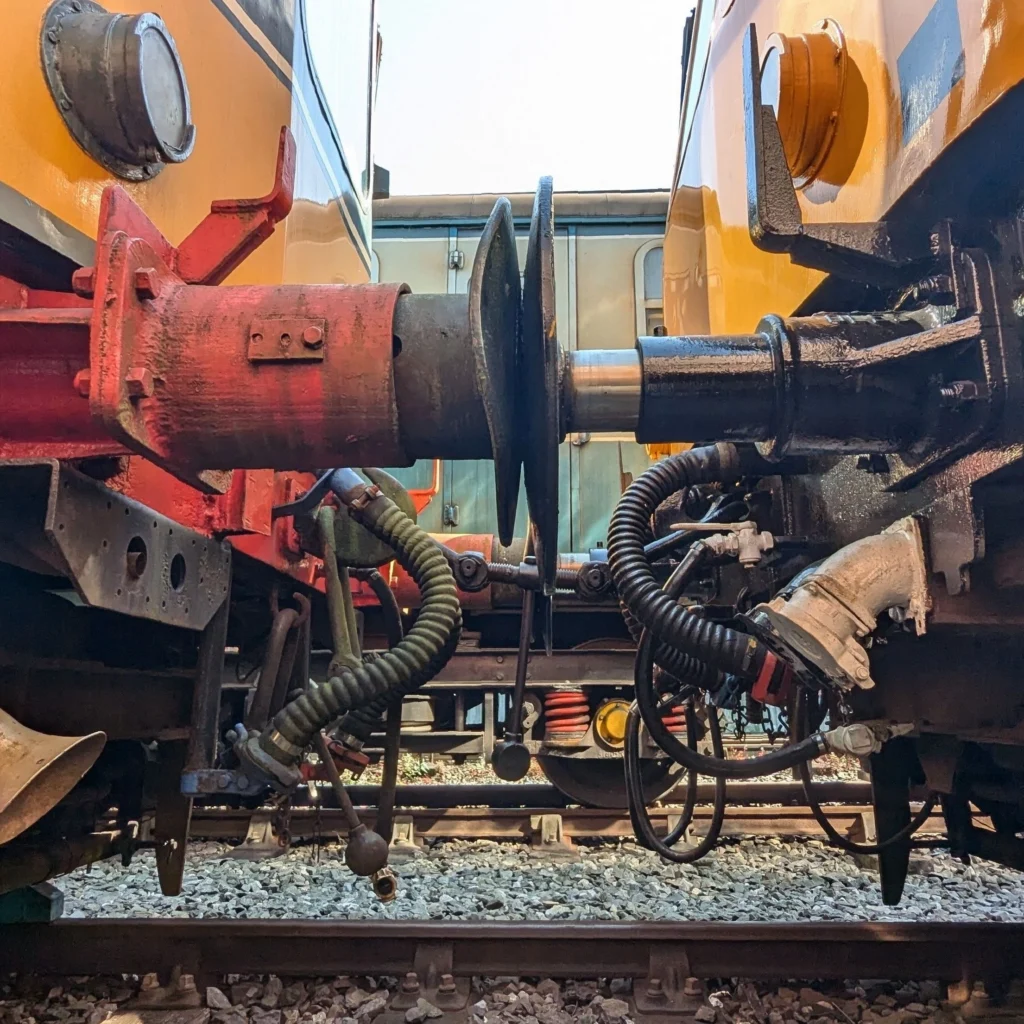
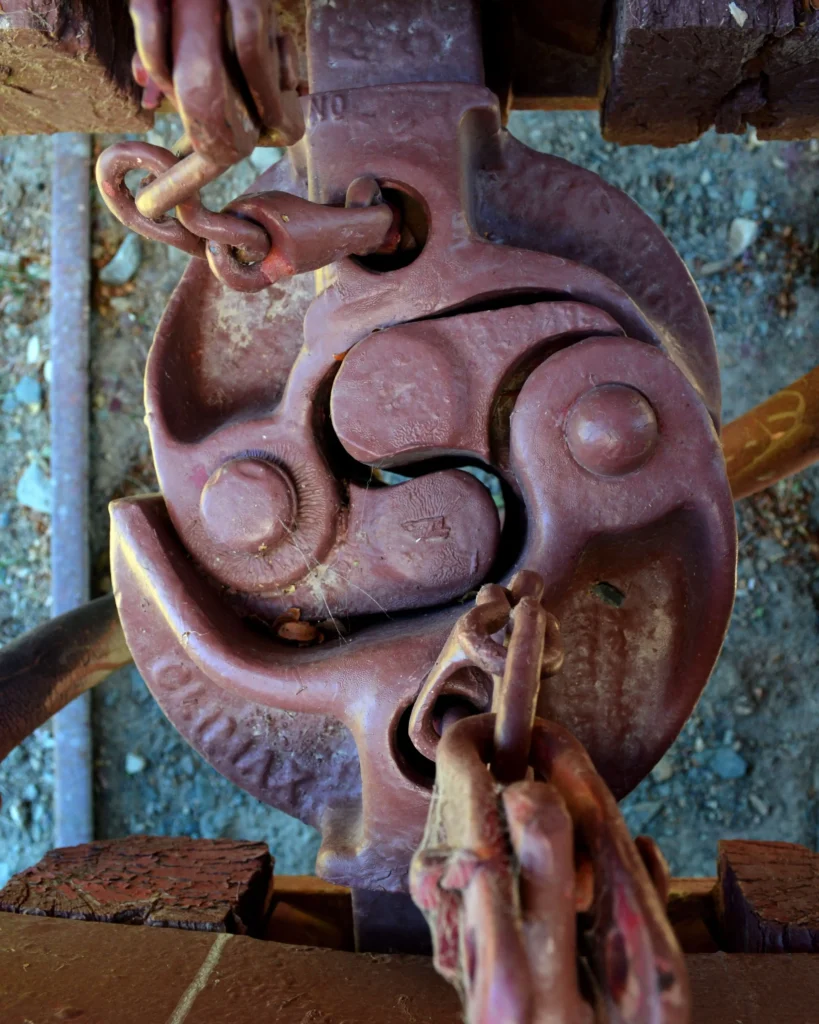
- Coupler & Draft-System Failures: Failures involving couplers, knuckles, yokes, draft gear, or related components can cause railcars to separate or affect how forces are transmitted through a train. FRA accident-cause codes specifically identify multiple coupler and draft-system failures.
- Fires, Fuel Releases & Electrical Failures: Failures in locomotive or railcar components can cause fires, smoke, fuel leaks, or electrical hazards that endanger passengers and people near the train.
- Failures That Contribute to Derailments: A mechanical failure can be part of a larger derailment investigation that involves track conditions, train operations, maintenance, component condition, and other factors.
What an Equipment Failure Investigation May Examine
- Inspection and pre-departure records
- Maintenance and repair history
- Prior defect and bad-order records
- Wheel, axle, bearing, brake, and coupler condition
- Detector alerts and diagnostic data where relevant
- Manufacturer specifications and service information
- Replacement parts and prior component work
- Event-recorder and locomotive data
- Previous incidents involving the same equipment or component
- Records identifying the companies responsible for inspection, maintenance, repair, ownership, or manufacture
The goal is to determine when the problem developed, whether there were earlier indications of a defect or malfunction, what inspections or repairs occurred, and which companies controlled the equipment or component involved.
Common equipment & component failure incidents
Equipment and component failures can happen anywhere in the rail system, main line, yards, shops, industrial tracks, and passenger operations. Some of the most frequent fact patterns include:
Brake & Train-Control Failures
Failures involving air brakes, hand brakes, locomotive controls, or other systems that may affect stopping, control, or safe operation.
Wheel, Axle & Bearing Failures
Broken wheels, cracked axles, overheated journals or bearings, and other component failures that may contribute to derailments or loss of safe operation.
Coupler & Draft-System Failures
Failures involving couplers, knuckles, yokes, draft gear, or related components that can result in railcar separation, unexpected movement, or other serious operating events.
Locomotive Mechanical & Electrical Failures
Failures involving locomotive mechanical, electrical, fuel, cooling, control, or safety systems that may contribute to fires, loss of power or control, or other dangerous events.
Passenger-Car & Safety-System Failures
Failures involving railcar doors, emergency systems, handrails, steps, seating or interior fixtures, and other equipment intended to help passengers travel safely.
Injuries involving train doors, entrapment, platform gaps, or boarding conditions are covered in our Train Door, Platform Gap & Boarding Injury Claims resource.
Defective Replacement Parts or Components
Some investigations raise questions about whether a wheel, bearing, brake part, coupler component, electrical system, or other replacement part was defectively designed, manufactured, supplied, or installed.
Railroad mechanic, carman, electrician, machinist, maintenance-of-way employee, or other craft worker injured by tools or equipment? Explore railroad job types and work-related hazards.
Who May Be Responsible for a Rail Equipment Failure?
Depending on what failed and why, potentially responsible entities may include:
- Railroad and passenger rail operators responsible for operating, inspecting, or maintaining the equipment
- Railcar and locomotive owners responsible for equipment condition and maintenance
- Mechanical and maintenance contractors that inspected, repaired, rebuilt, or serviced the equipment
- Component manufacturers that designed or manufactured wheels, bearings, axles, brakes, couplers, controls, or other parts
- Component suppliers and distributors involved in providing replacement parts or systems
- Equipment manufacturers responsible for larger mechanical or electrical systems
- Other companies or public entities that controlled the equipment, maintenance program, or operation involved
A serious rail equipment failure can involve both maintenance issues and product-liability questions. The investigation may need to distinguish between a component that was defectively designed or manufactured, equipment that was not properly inspected or maintained, and a repair or replacement that did not correct the underlying problem.
When the evidence points to a defective manufactured component, learn more about McEldrew Purtell’s Product Liability practice.
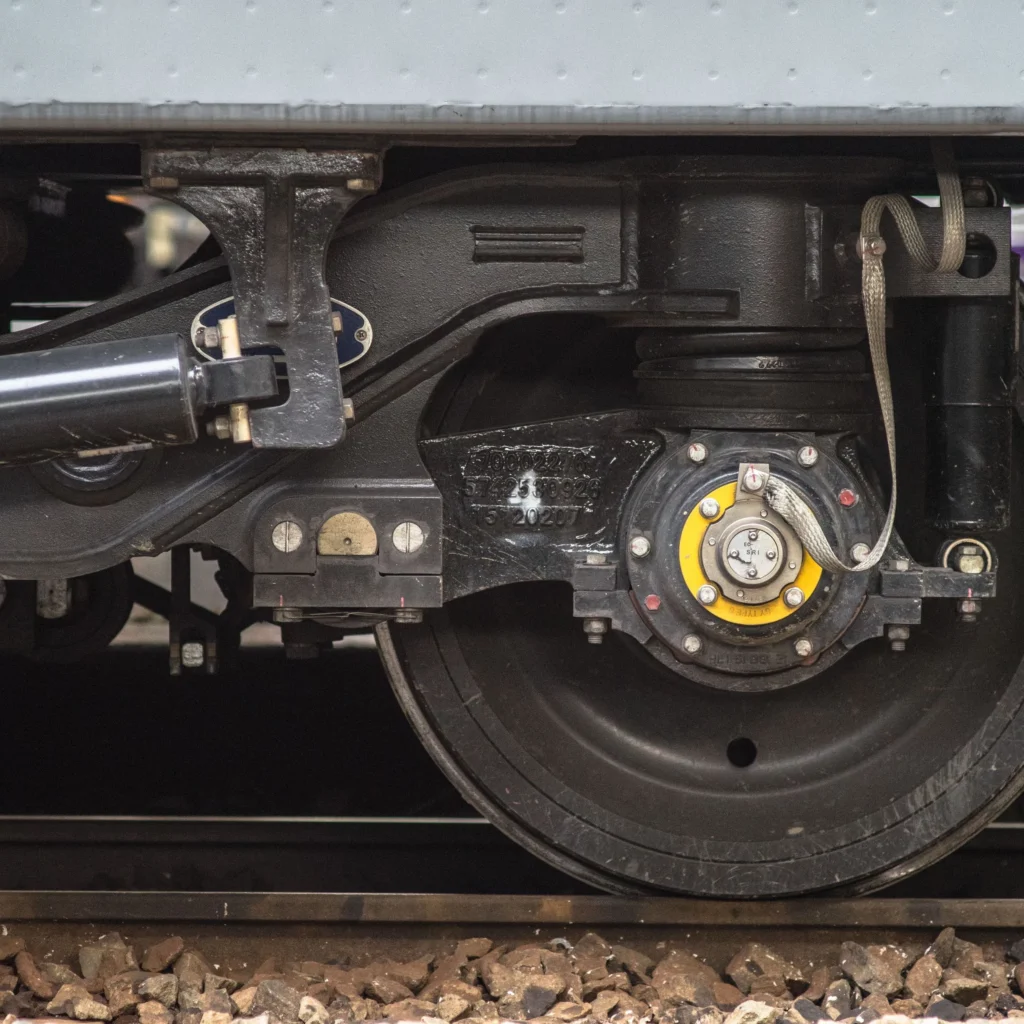
Evidence That Can Matter After a Rail Equipment Failure
Rail equipment can be repaired, moved, returned to service, dismantled, or replaced after an incident. Preserving information about the equipment and its condition can therefore become an important part of understanding why the failure occurred.
Depending on the incident, relevant evidence may include:
- The identity of the locomotive, railcar, or component involved
- Photographs and video of the equipment and surrounding scene
- Inspection, maintenance, and repair records
- Bad-order reports and prior defect records
- Component serial numbers, manufacturer information, and replacement history
- Detector alerts, diagnostic data, and event-recorder information
- Manufacturer manuals, specifications, and service communications
- Prior incidents or complaints involving the same component or equipment
- Records identifying the companies responsible for ownership, inspection, maintenance, repair, or manufacture
- Damaged parts or components when they can be preserved
This evidence can help determine whether the failure resulted from equipment condition, maintenance or repair, a manufacturing or design issue, or a combination of factors.
What to Do After an Injury Involving Rail Equipment
- Get medical care. Seek evaluation for all injuries and symptoms.
- Record the train and location. Save the route, train number, railcar number, station, location, date, and time when available.
- Photograph what you can. Preserve images or video of the train, the component, the surrounding conditions, and any visible damage.
- Identify witnesses. Save the contact information for people who witnessed the equipment failure or the resulting incident.
- Keep travel and incident records. Preserve tickets, transit records, reports, emails, claim documents, and communications.
- Do not discard damaged property. Personal belongings damaged by the incident may help document what happened.
- Act promptly. Equipment conditions, electronic data, and video may change or be lost after an incident.
Railroad employee injured by equipment on the job? See What to Do After a Railroad Injury for worker-specific guidance.
Learn More
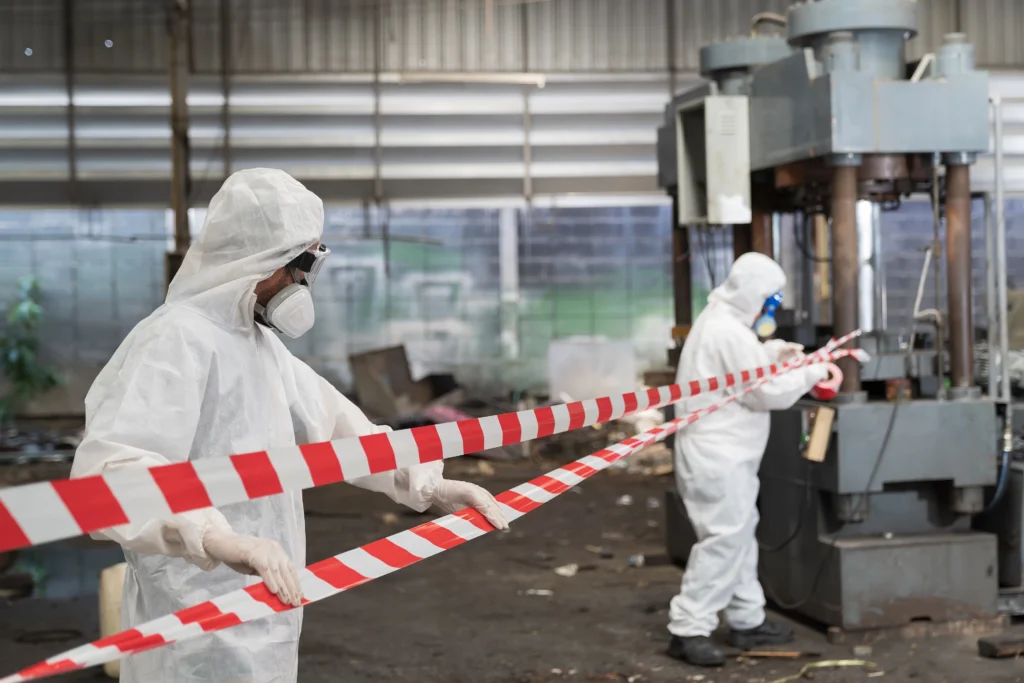
Toxic Chemical Exposure After Train, Truck, and Warehouse Spills
A train derailment, tanker truck crash, or warehouse spill can release hazardous chemicals into the air or across a worksite within seconds. Workers, drivers, emergency responders, nearby residents, and others may be exposed by breathing in contaminated air, getting chemicals…
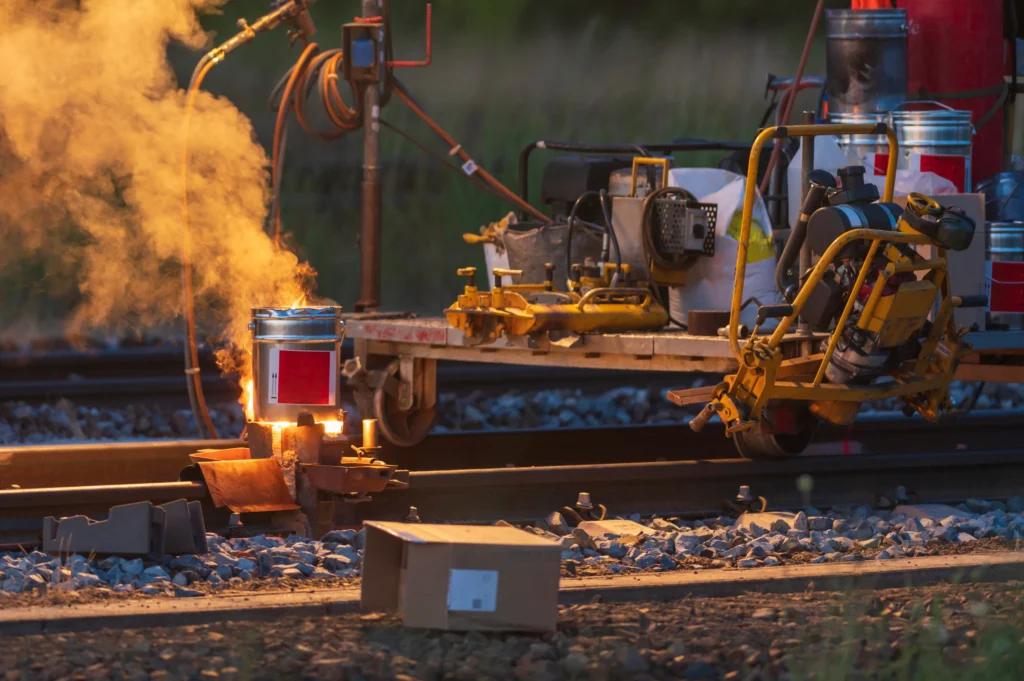
Railroad Toxic Exposure Claims: Cancer, Lung Disease, and Proving Workplace Causation
Railroad workers face dangers that extend far beyond traumatic injuries and derailments. For decades, railroad employees have been exposed to toxic substances capable of causing serious illnesses, including cancer, chronic lung disease, and other life-altering medical conditions. Under the Federal…
Fatal Accidents Involving Railroad Employees: What Families Should Know About Wrongful Death Claims Under FELA
A fatal railroad accident leaves families facing far more than grief. Many are suddenly dealing with lost income, unanswered questions about what happened, and pressure from railroad investigators before they fully understand their rights. If a railroad employee is killed…
FELA vs. Worker’s Comp: What Qualifies as an FELA Claim?
One of the most important questions in a railroad injury case is whether the claim belongs under a state’s workers’ compensation law or the Federal Employers’ Liability Act (FELA). he answer to this question can have a dramatic impact on…
Comparative negligence under FELA: what it means and how railroads try to shift blame
If you are a railroad worker hurt on the job, your claim usually falls under the Federal Employers’ Liability Act (FELA), not standard workers’ compensation. One of the biggest battleground issues in a FELA case is comparative negligence. Railroads often…
FELA vs. workers’ comp: the key differences railroad workers can’t afford to miss
If you are hurt working for a railroad, your claim usually is not a standard workers’ compensation case. Most railroad employees fall under the Federal Employers’ Liability Act (FELA), a federal law that works very differently than state workers’ comp.…