

Catastrophic Burn Injury Lawsuits
Thermal, chemical, and electrical burns and the smoke and toxic gases that come with many fires, can lead to surgeries, infection risk, permanent scarring and contractures, nerve damage, and life-long rehabilitation. In the first hours and days, families face urgent medical, insurance, and employment decisions while evidence begins to disappear. Our role is to steady that chaos. We move immediately to preserve the scene, notify the right parties, and protect your claims so you can focus on healing.
We assemble a team tailored to catastrophic burn cases: certified fire and origin-and-cause investigators, electrical and mechanical engineers, utility and code-compliance experts, human factors specialists, burn surgeons and wound-care experts, plastic/reconstructive surgeons, life-care planners, and vocational and economic-loss experts. We build liability and damages in parallel, so no opportunity is missed.

How Much Is Your Case Worth?
Our Results
McEldrew Purtell has a proven track record of maximizing recovery for our clients.
Results may vary depending on your particular facts and legal circumstances.
Severe Burn Cases We Handle
Below are common causes and contexts for severe burns and inhalation injuries. For each, we investigate the full chain of responsibility and pursue every accountable party to seek full compensation under the law.
Residential & Apartment Fires
Faulty wiring, overloaded circuits, unattended candles, space heaters, and cooking fires can lead to flashover and toxic smoke. Potentially liable parties may include property owners/managers, maintenance vendors, security/safety contractors, and smoke alarm/sprinkler providers where codes and standards were violated.
Workplace & Industrial Burns
Arc flash, boiler failures, hot-work incidents, and scalds from pressurized systems cause devastating thermal and electrical burns. Potentially liable parties may include equipment manufacturers, site GCs/subcontractors, premises owners, maintenance vendors, and safety staffing firms (third-party claims; workers’ comp may limit suits against a direct employer).
Gas & Utility Explosions
Gas leaks, damaged utility lines, and unsafe installations can lead to fires, explosions, and severe burns. We investigate the source of the leak, installation and maintenance records, prior warning signs, and the response to reported hazards to determine whether a preventable failure contributed.
Lithium‑Ion Battery & E‑Device Fires
Thermal runaway in e-bikes, scooters, vapes, laptops, and power tools can trigger intense fires and inhalation injuries. Potentially liable parties may include battery and device manufacturers, distributors/retailers, and property owners where storage/charging practices violated standards.
Defective Products & Household Appliances
Defective household products can cause serious burns, including pressure cookers that release scalding contents while still pressurized. We examine the product’s design, safety features, warnings, and failure history to determine whether a defect contributed to the injury and which parties may be responsible.
Chemical Burns (Acid/Alkali)
Industrial cleaners, pool chemicals, and laboratory agents can cause deep tissue injury and scarring. Potentially liable parties may include chemical manufacturers, distributors, premises owners, contractors, and employers (with third‑party claims where applicable).
Electrical Burns & Arc Flash
Contact with energized equipment or faulty lockout/tagout can produce deep, occult injuries to muscle and nerves. Potentially liable parties may include equipment manufacturers, site owners, contractors, and safety consultants.
Transportation Fires
Fires following vehicle collisions and damaged electric-vehicle batteries can expose occupants to severe burns and hazardous smoke. We investigate how the fire started, whether a vehicle or component defect contributed, and whether maintenance failures or another party’s conduct played a role.
Unsafe Premises & Code Violations
Blocked egress, missing or nonfunctional alarms/sprinklers, sealed windows, and inadequate fire‑stopping amplify burn and smoke hazards. Potentially liable parties may include property owners/managers, tenants/occupiers with control, contractors, and fire‑safety vendors.
Medical Negligence in Burn Care
Burn-care claims may involve missed inhalation injuries, inadequate wound care, delayed infection treatment, or failure to arrange appropriate specialist care. We review medical records with qualified experts to determine whether treatment fell below accepted standards and caused additional harm beyond the original burn injury.
Toxic Smoke & Inhalation Injuries
Carbon monoxide and hydrogen cyanide exposure during fires can injure the brain, heart, and lungs even without obvious external burns. Potentially liable parties may include premises owners, utilities, product manufacturers, and event operators where safety failures contributed.
Children’s Scalds & Household Hazards
Tap‑water scalds, hot beverages, and bath incidents are common and preventable. Potentially liable parties may include landlords and product manufacturers where temperature‑limiting devices, guards, or warnings were absent or defective.
Don’t Just Take Our Word For It
Hear From Our Clients
At McEldrew Purtell, results matter and so does the way we achieve them. While our case outcomes reflect our tenacity in court and at the negotiation table, it’s the voices of our clients that truly capture who we are and why we do this work.
We represent people at the worst moments of their lives: after catastrophic injuries, workplace tragedies, and preventable losses. Through every case, we aim to deliver not just compensation but clarity, confidence, and care.
If you’re considering working with a Philadelphia trial lawyer, we invite you to read what our clients have said about their experiences with McEldrew Purtell. Their words are the most powerful testament to our values, our dedication, and our results.
Learn More
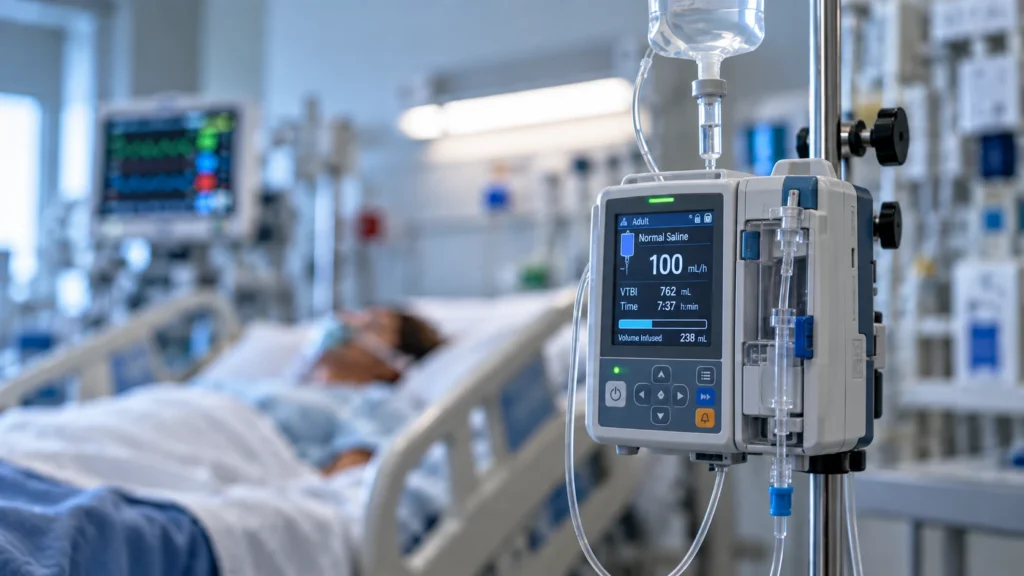
BD Alaris Infusion Set Recall: Over- and Under-Infusion Can Cause Catastrophic Injury
Patients receiving critical medications through BD Alaris pumps can face serious harm if an infusion set causes the system to deliver more or less than programmed. On October 5, 2026, the FDA updated a Class I recall involving approximately 94.2…
Hundreds of Sexual Abuse Claims Rock NJ Juvenile Detention System as New Bordentown Lawsuits Emerge
New lawsuits allege that staff at two state-operated youth detention facilities in Bordentown, New Jersey, sexually abused children in their care, including allegations involving victims as young as 13 and 14. The filings expand a much larger legal proceeding involving…

NICU Monitoring Failures: Delayed Response to Apnea, Bradycardia, and Oxygen Desaturation
Apnea, bradycardia, and oxygen desaturation are common in neonatal intensive care, particularly among premature infants. Some events resolve without treatment. Others require stimulation, supplemental oxygen, respiratory support, medication, or more advanced intervention depending on the baby’s condition. A poor outcome…
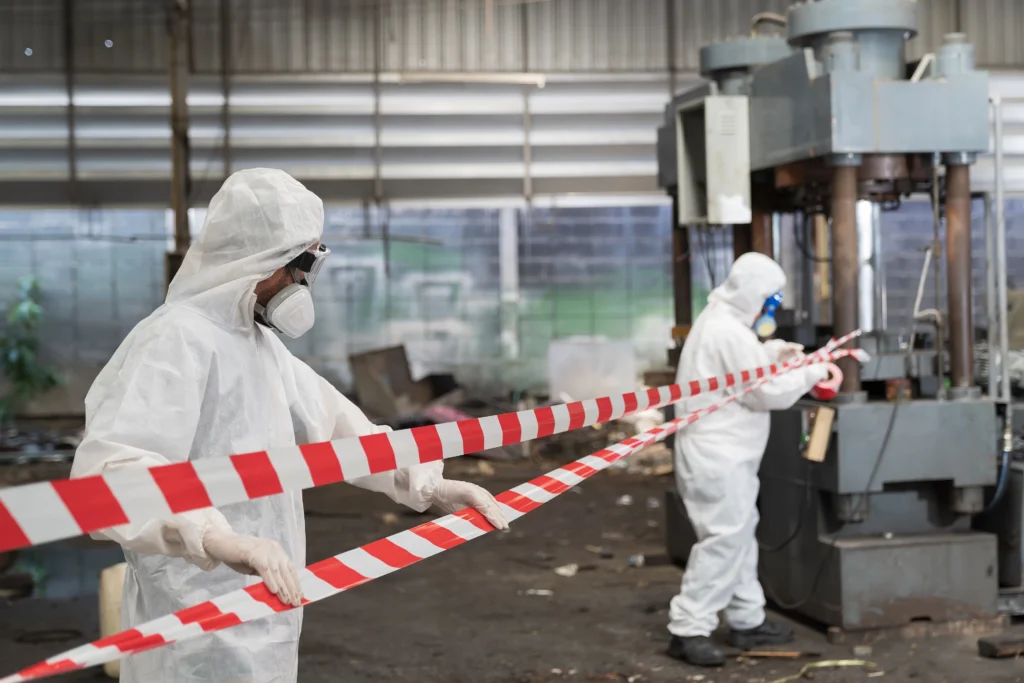
Toxic Chemical Exposure After Train, Truck, and Warehouse Spills
A train derailment, tanker truck crash, or warehouse spill can release hazardous chemicals into the air or across a worksite within seconds. Workers, drivers, emergency responders, nearby residents, and others may be exposed by breathing in contaminated air, getting chemicals…

Surgical Stapler Failures: Internal Bleeding, Sepsis, and Wrongful Death
Patients can suffer life-threatening internal bleeding, leaks, infection, or sepsis when a surgical stapler fails to create a complete and secure staple line. These complications may require emergency surgery, prolonged hospitalization, or intensive care, and in the most serious cases…

Nursing Home Fall Injuries: Hip Fractures, Brain Bleeds, and Wrongful Death
For an elderly or medically fragile nursing home resident, a single fall can cause catastrophic, life-altering harm. A fractured hip may require surgery, permanently destroy the resident’s mobility and independence, and trigger complications such as blood clots, pneumonia, pressure injuries,…
FAQs
Get answers to commonly asked questions regarding severe burns and inhalation injuries, and learn how we can help with your case.
What is considered a catastrophic burn injury?
Burns that cause permanent functional loss, deep‑partial or full‑thickness involvement, significant %TBSA (percent of total body surface area), inhalation injury, or require multiple surgeries/reconstruction and long‑term care.
How are burns classified?
By depth (superficial, partial‑thickness, full‑thickness) and by total body surface area (%TBSA – percent of total body surface area). Some clinicians still reference first/second/third/fourth degree; modern practice emphasizes thickness.
What is an inhalation injury and why does it matter?
Smoke and toxic gases (carbon monoxide, hydrogen cyanide) can damage the airway and organs, increasing ICU stays, complications, and mortality, even when skin burns are limited.
Who might be liable for a severe burn?
Depending on the facts: property owners/managers, utilities, contractors, manufacturers and distributors of defective products, employers’ third parties, transportation companies, and negligent individuals.
What compensation can a burn survivor pursue?
Medical expenses (past/future), rehabilitation and long‑term care, home/vehicle modifications, lost wages and earning capacity, scarring and disfigurement, pain and suffering, and loss of life’s pleasures. Where warranted, we evaluate punitive damages early.
If my loved one died in a fire, can the family bring a claim?
Yes. Eligible family members can pursue a wrongful death and survival action. We move quickly to investigate origin and cause, preserve evidence, and identify all responsible parties.