

Scalding injuries. Serious questions.
People have suffered serious burns when pressure cookers released scalding contents during use. These incidents have caused second- and third-degree burns, scarring, infection, hospitalization, and permanent injury.
Recalls and Consumer Product Safety Commission (CPSC) safety warnings have kept pressure cooker explosion risks in focus across multiple brands and models.
If you or someone in your family was burned, the key question is whether a defective lid, faulty pressure release system, incorrect fill marking, or other preventable safety failure played a role.

How Much Is Your Case Worth?

Pressure Cooker Explosions and Burn Injuries
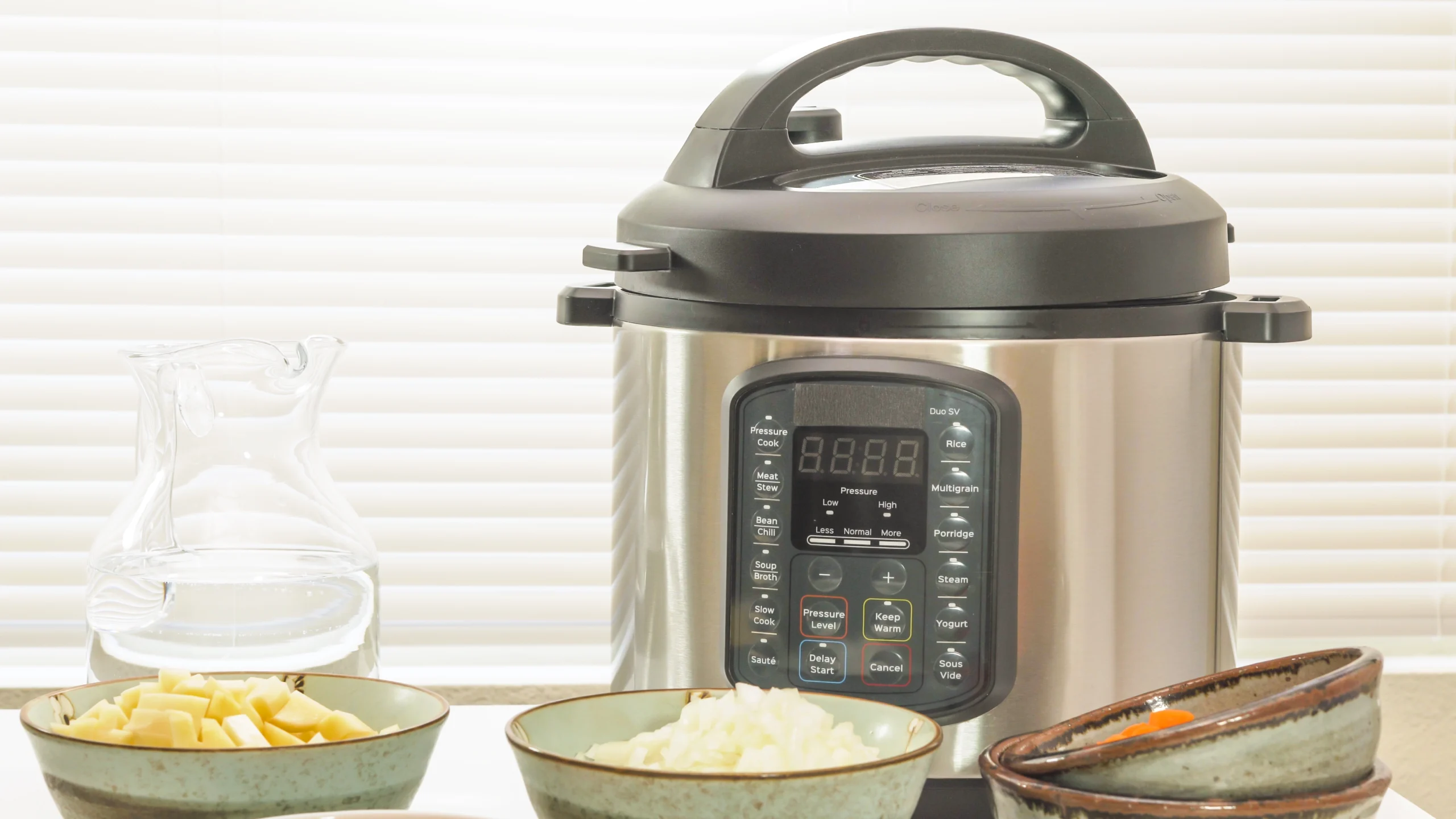
Pressure cookers are designed to trap steam and build pressure so food cooks faster. When the lid opens before pressure has safely released, or when hot contents escape during venting, users can be exposed to scalding liquids, steam, sauces, grease, or food under force.
When severe burns occur, these are not minor kitchen accidents. Pressure cooker explosion injuries can require emergency treatment, wound care, skin grafting, infection monitoring, pain management, and long-term scar treatment.
A legal claim may be investigated when a pressure cooker appeared to open while pressurized, released hot contents unexpectedly, failed to warn the user of remaining pressure, or malfunctioned despite normal use.
Recent Pressure Cooker Recalls and Safety Warnings
Federal safety records show repeated concerns involving pressure cookers and multi-cookers that may allow hot contents to escape under pressure.
- In 2026, the CPSC warned consumers to stop using Gourmia pressure cookers because the lid could open while still pressurized, hot contents could spray out, the float valve could be difficult to see, and incorrect volume markings could contribute to overfilling. The CPSC reported five incidents involving expelled hot contents, including four severe burn injuries.
- In 2025, SharkNinja recalled about 1,846,400 Ninja Foodi OP300 Series Multi-Function Pressure Cookers because the pressure-cooking lid could be opened during use, allowing hot contents to escape. The CPSC reported 106 burn injuries, including more than 50 reports of second- or third-degree burns to the face or body.
- In 2025, Tempo USA recalled about 46,660 Ambiano Electric Pressure Cookers sold at ALDI because the lid could be opened before sufficient steam pressure had been released. The firm reported 11 incidents involving contents expelled under pressure, including eight severe burn injuries.
- In 2023, Best Buy recalled about 930,000 Insignia pressure cookers because incorrect volume markings on the inner pot could cause overfilling and lead to hot food or liquids being ejected during venting or opening. Best Buy reported 31 incidents involving expelled contents, including 17 burn injuries.
- In 2023, Sensio recalled about 860,000 Bella, Bella Pro Series, Crux, and Cooks electric and stovetop pressure cookers because the lid could unlock and be removed during use. Sensio reported 63 incidents, including 61 burn injuries, some involving second- and third-degree burns to the face, torso, arms, and hands.
- In 2020, Sunbeam recalled about 914,430 Crock-Pot 6-Quart Express Crock Multi-Cookers because the unit could pressurize when the lid was not fully locked, allowing the lid to detach during use. Sunbeam reported 119 lid detachment incidents and 99 burn injuries ranging from first-degree to third-degree burns.
How Pressure Cooker Explosions Can Happen
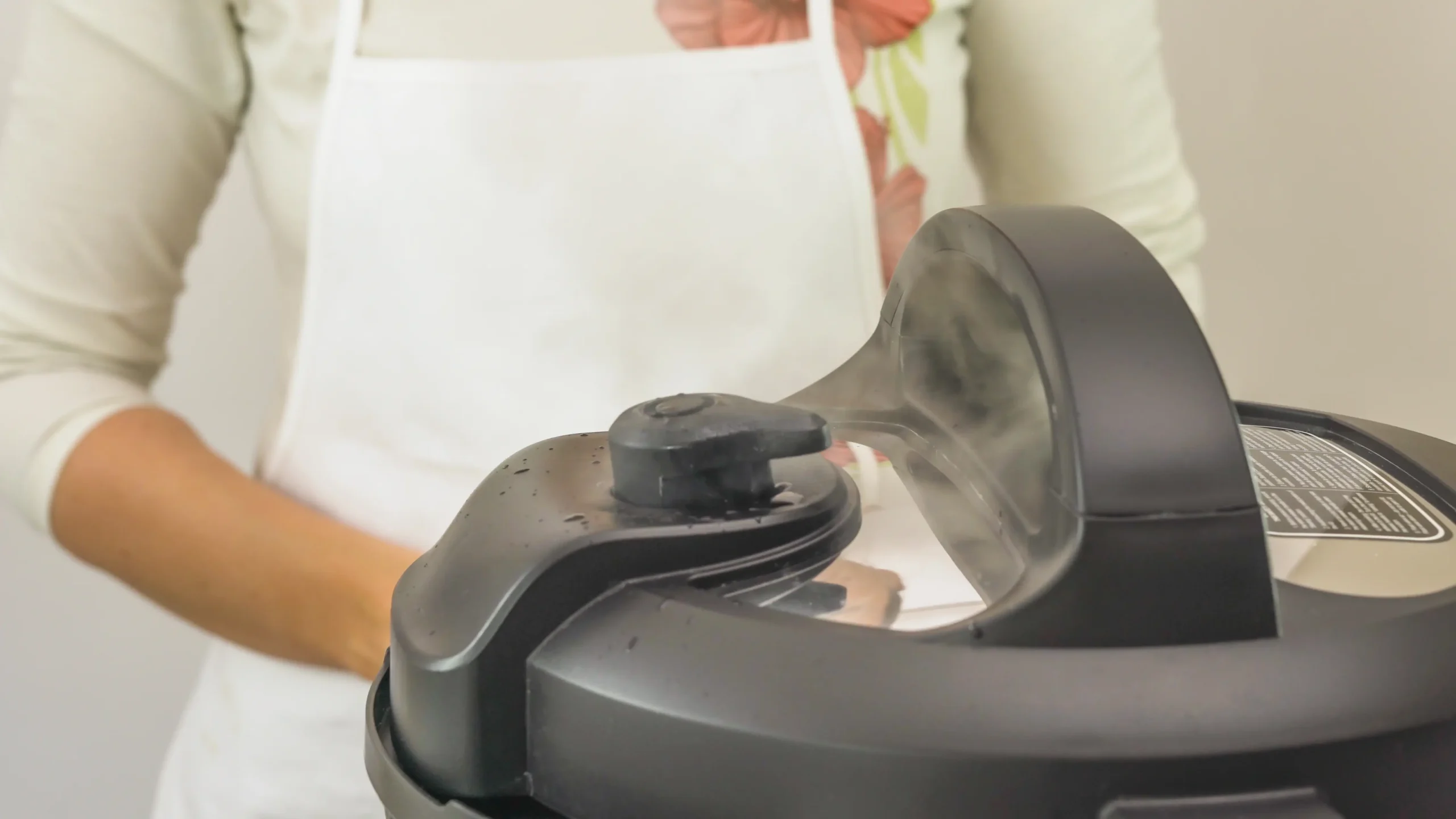
Pressure cooker explosion cases often focus on whether the product allowed the user to open the lid before pressure had safely released. A safe pressure cooker should give clear signals about internal pressure and should not allow ordinary use to expose consumers to scalding contents.
Lid Locking Failures
A defective lid lock can allow the lid to open while the cooker is still under pressure. When that happens, hot food and liquid can erupt from the cooker and strike the user’s face, chest, arms, hands, or nearby family members.
Faulty Pressure Indicators
Many pressure cookers use float valves or pressure indicators to show whether pressure remains inside the unit. If the indicator is hard to see, unclear, stuck, or poorly positioned, a user may reasonably believe the cooker is safe to open when it is not.
Incorrect Fill Markings
Some recalls have involved incorrect volume markings that can cause users to overfill the inner pot. Overfilling can increase the risk that hot liquids and food will eject during venting or opening.
Defective Seals, Gaskets, or Release Systems
A worn, poorly designed, or defective gasket may affect the cooker’s ability to seal, vent, or release pressure safely. These cases often require a close review of the product, instructions, warnings, and the condition of the cooker after the incident.
Inadequate Warnings or Instructions
Warnings matter when a product stores pressure and can release scalding contents. A claim may examine whether the manufacturer gave clear instructions about maximum fill levels, safe opening, pressure release, lid alignment, cleaning, maintenance, and known hazards.
Defective Venting or Steam Release Valves
A pressure cooker may become dangerous when the venting system clogs, sticks, leaks, or fails to release steam in a controlled way. If pressure builds beyond safe levels or releases suddenly, hot liquids and food can spray from the cooker and cause serious scald burns.

Common Pressure Cooker Explosion Injuries
Pressure cooker explosions can cause severe thermal injuries because the contents are hot and may be expelled with force. Injuries may include:
- Second-degree burns
- Third-degree burns
- Burns to the face, neck, chest, arms, or hands
- Eye injuries
- Permanent scarring
- Disfigurement
- Nerve damage
- Infection
- Skin grafting
- Loss of mobility or function
- Psychological trauma after a painful burn event
Children, older adults, and bystanders may also be injured if they are near the pressure cooker when hot contents escape.
Who May Have a Pressure Cooker Explosion Claim?
A pressure cooker explosion lawsuit may be investigated when a person suffered serious burns or other injuries after a pressure cooker malfunctioned, opened unexpectedly, released contents while pressurized, or failed during normal use.
Potential claims may involve recalled or non-recalled products. A recall is important evidence, but the absence of a recall does not automatically mean the product was safe or that no claim exists. The facts of the incident, the product design, the warnings, the user’s actions, and the injury history all matter.
A claim may involve:
- The manufacturer
- The importer
- The distributor
- The retailer
- A replacement part supplier
- Other companies involved in the product’s design, sale, or warning process

Evidence That May Matter
Pressure cooker explosion cases are evidence-driven. The product itself is often one of the most important pieces of evidence.
If it is safe to do so, preserve:
- The pressure cooker
- The lid
- The inner pot
- The gasket or sealing ring
- The power cord
- The box and manual
- Purchase receipts or order confirmations
- Photos of the product and kitchen scene
- Photos of injuries over time
- Medical records
- Recall notices or communications from the seller
- The model number, serial number, and date code
- Any replacement parts used before the incident
Do not throw the pressure cooker away if a serious injury occurred. Product condition, model details, and component testing can be critical in determining what happened.
What to Do After a Pressure Cooker Burn Injury
After a serious burn, medical care comes first. Burns can worsen, become infected, or require specialized treatment, even when the injury does not appear severe at first.
Practical steps may include:
- Get medical care and follow all treatment instructions.
- Keep the pressure cooker and all related parts.
- Photograph the product, injuries, and surrounding area.
- Write down what happened while the details are fresh.
- Save receipts, manuals, packaging, and online order records.
- Check whether the product has been recalled.
- Avoid giving recorded statements to a manufacturer or insurer before getting legal guidance.
These steps do not replace medical or legal advice. They help preserve information that may be important if the injury is investigated.


Why Pressure Cooker Explosion Cases Can Be Complex
Pressure cooker cases often involve product engineering, warnings, consumer use, recall history, and medical proof. Manufacturers may argue that the user overfilled the cooker, opened it too soon, failed to maintain the product, or ignored warnings.
A thorough investigation looks deeper. It asks whether the product design allowed a foreseeable mistake to cause catastrophic burns, whether the pressure indicator was clear, whether the lid lock performed as expected, whether the fill markings were accurate, and whether prior incidents should have led to stronger warnings or a recall.
These cases may also involve older products that remained in homes for years after sale. That makes model identification, recall research, purchase history, and product preservation especially important.
Pressure Cooker Explosion Lawsuit Compensation
Depending on the facts and applicable law, a pressure cooker explosion claim may seek compensation for losses such as:
- Emergency medical care
- Hospitalization
- Burn treatment
- Surgery or skin grafting
- Prescription medication
- Rehabilitation
- Lost income
- Reduced earning capacity
- Pain and suffering
- Scarring and disfigurement
- Emotional distress
- Future medical care
Every case depends on the specific injury, product, evidence, jurisdiction, and responsible parties. No attorney can guarantee an outcome.

Pressure Cooker Explosion FAQ
Get answers to commonly asked questions regarding Pressure Cooker Explosion injuries and learn how we can help with your case.
Can I file a lawsuit if my pressure cooker was recalled?
A recall may support an investigation, especially if the recalled defect matches what happened in your incident. A claim still requires proof of injury, causation, product identification, and legal responsibility.
Can I have a claim if my pressure cooker was not recalled?
Yes, a claim may still be investigated. Some defective products are never recalled, and some recalls occur only after many incidents have been reported.
What if I no longer have the pressure cooker?
The case may be harder, but it is not always impossible. Medical records, photos, purchase records, witness statements, recall information, and incident reports may still help establish what happened.
What brands have had pressure cooker recalls?
CPSC records include recalls or warnings involving several brands and sellers, including SharkNinja/Ninja Foodi, Gourmia, Ambiano, Insignia, Bella, Bella Pro Series, Crux, Cooks, and Crock-Pot pressure cookers or multi-cookers. The specific model number and incident facts matter.
What injuries are common in pressure cooker explosion cases?
Severe scald burns are the most common concern. These burns may affect the face, chest, arms, hands, torso, or eyes and may require emergency treatment, hospitalization, surgery, or long-term scar care.
Should I report a pressure cooker explosion?
Consumers can report dangerous products and product-related injuries to the CPSC through SaferProducts.gov. A report can help regulators identify broader safety problems, but it does not replace a legal investigation.

Talk to McEldrew Purtell About a Pressure Cooker Explosion Injury
A pressure cooker explosion can leave you with painful burns, medical bills, scarring, and unanswered questions about why the product failed. McEldrew Purtell investigates serious product liability cases involving defective household products, burn injuries, recalls, and preventable safety failures.
If you or a family member suffered serious burns from a pressure cooker explosion, contact McEldrew Purtell for a free consultation. We can review what happened, identify the product and recall history, and help determine whether a defective pressure cooker may have caused your injuries.
Learn More

BD Alaris Infusion Set Recall: Over- and Under-Infusion Can Cause Catastrophic Injury
Patients receiving critical medications through BD Alaris pumps can face serious harm if an infusion set causes the system to deliver more or less than programmed. On October 5, 2026, the FDA updated a Class I recall involving approximately 94.2…

Surgical Stapler Failures: Internal Bleeding, Sepsis, and Wrongful Death
Patients can suffer life-threatening internal bleeding, leaks, infection, or sepsis when a surgical stapler fails to create a complete and secure staple line. These complications may require emergency surgery, prolonged hospitalization, or intensive care, and in the most serious cases…

Pacemaker and ICD Failures: When a Cardiac Device Fails
Patients who rely on a pacemaker or an implantable cardioverter-defibrillator are trusting that device to work. When a pacemaker fails to deliver needed electrical impulses or an ICD fails to detect a dangerous rhythm or deliver an effective shock, the…
Electric Vehicle Defects: Battery Fires, Severe Burns, and Explosions
Drivers and passengers can suffer severe burns, smoke inhalation, catastrophic injuries, or death when an electric vehicle battery ignites. These fires can happen while a vehicle is charging, parked, operating normally, or damaged in a crash. They can spread rapidly,…
Toxic Exposure Claims: Identifying the Right Liability Theory
Toxic exposures can cause life-altering injuries. The source may be a defective product, an unsafe workplace, a leaking facility, a mislabeled container, or a chemical release that reaches homes, schools, or nearby businesses. The legal claim depends on where the…

Cerebrospinal Fluid Leaks Can Cause Serious Neurologic Injuries and Life-Threatening Infections
When a dural injury results in Cerebrospinal Fluid leak after an epidural injection, lumbar puncture, spinal cord stimulator insertion, spine procedure, or another intervention near the dura, the consequences can be debilitating and life-threatening. Patients may suffer severe migraines, brain…