

Catastrophic Respiratory & Inhalation Injury Lawsuits
Serious breathing injuries don’t just take your breath—they take your stamina, your work, your independence, and your peace of mind. In the first days and weeks after a toxic exposure, smoke inhalation, oxygen deprivation, or ventilator error, you’re asked to make medical and insurance decisions while trying to recover. Our job is to steady that chaos. We move quickly to secure evidence, notify the right parties, and protect your claim so you can focus on healing.
We hold negligent parties accountable—whether your respiratory injury followed a building fire, carbon monoxide leak, industrial release, defective product, unsafe property condition, or medical error. From day one, we assemble the right team for catastrophic cases: fire and origin investigators, industrial hygienists, pulmonary/critical-care experts, life-care planners, vocational and economic specialists.


How Much Is Your Case Worth?
Our Results
McEldrew Purtell has a proven track record of maximizing recovery for our clients.
Results may vary depending on your particular facts and legal circumstances.
Ways We Can Help
Below are common sources of catastrophic respiratory injuries. For each, we develop the evidence and pursue every responsible party – property owners, contractors, product manufacturers, utilities, employers (where third-party claims exist), and medical providers – to seek full compensation under the law.
Fire & Smoke Inhalation
Superheated gases, particulate, hydrogen cyanide, and other combustion byproducts can cause airway burns, chemical pneumonitis, and long-term lung damage. Potentially liable parties: property owners/landlords (code/maintenance), contractors, alarm/ sprinkler vendors, utilities, and product manufacturers (e.g., lithium-ion devices).
Carbon Monoxide (CO) Poisoning
Colorless, odorless CO causes hypoxia, brain injury, and cardiopulmonary harm. Often tied to faulty appliances, poor ventilation, or missing/failed detectors. Potentially liable parties: property owners/managers, installers/maintenance contractors, device manufacturers, hotels, and short-term rentals.
Chemical Releases (Chlorine, Ammonia, Hydrofluoric Acid & Others)
Industrial incidents and transport accidents can trigger acute respiratory distress, airway burns, and chronic lung disease. Potentially liable parties: facility operators, shippers/brokers, transport carriers, and chemical manufacturers (design/warning defects).
Industrial Dusts & Fumes (Silica, Welding Fume, Diesel Exhaust)
Chronic or high-dose exposures can lead to restrictive or obstructive disease, hypersensitivity pneumonitis, and cancer. Potentially liable parties: third-party contractors, product suppliers, equipment makers, premises owners (third-party claims in addition to workers’ comp where permitted).
Explosions & Blast Events
Overpressure and particulate clouds injure lungs (blast lung), while smoke/chemical plumes cause secondary damage. Potentially liable parties: utilities, fuel system manufacturers, event operators, premises owners, and pyrotechnic vendors.
Building Hazards (Mold, Off-Gassing, Renovation Fumes)
Defective HVAC, water intrusion, and unsafe renovations can cause severe respiratory symptoms and illness. Potentially liable parties: property owners/HOAs, management companies, contractors, and product manufacturers.
Defective Consumer or Industrial Products
Battery fires, space heaters, cleaners, or aerosolized chemicals can cause toxic inhalation or airway injury. Potentially liable parties: manufacturers, component suppliers, distributors/retailers, and installers.
Transportation & Rail Incidents (Including FELA/Railroad)
Derailments or cargo releases expose workers and communities to toxic plumes; diesel exhaust exposures affect railroad workers.
Potentially liable parties: carriers, shippers, brokers, and equipment manufacturers.
Medical Negligence & Hospital Errors
Airway mismanagement, anesthesia/ventilator errors, missed CO poisoning, or delayed treatment of pneumonia/ARDS can be devastating. Potentially liable parties: hospitals, emergency providers, anesthesiology/ICU teams, and nursing/home-health providers.
Premises Liability: Hotels, Schools & Public Venues
CO leaks, chlorine gas mishandling in pools, dry-ice off-gassing, and maintenance failures harm guests and students. Potentially liable parties: premises owners/tenants with control, maintenance vendors, security/safety contractors.
Children’s Respiratory Injuries
Kids are uniquely vulnerable to smoke, CO, and chemical inhalation; injuries can alter development and require specialized care. Potentially liable parties: landlords/schools, product makers, and event operators.
Wrongful Death from Respiratory Injuries
When a loved one is lost due to inhalation or airway injury, we pursue full accountability and damages available under Pennsylvania law and any other applicable jurisdiction.
Don’t Just Take Our Word For It
Hear From Our Clients
At McEldrew Purtell, results matter and so does the way we achieve them. While our case outcomes reflect our tenacity in court and at the negotiation table, it’s the voices of our clients that truly capture who we are and why we do this work.
We represent people at the worst moments of their lives: after catastrophic injuries, workplace tragedies, and preventable losses. Through every case, we aim to deliver not just compensation but clarity, confidence, and care.
If you’re considering working with a Philadelphia trial lawyer, we invite you to read what our clients have said about their experiences with McEldrew Purtell. Their words are the most powerful testament to our values, our dedication, and our results.
Learn More

Raw Milk Cheese E. Coli Outbreak: 8 Hospitalized, Most Cases in Young Children
Children aged 5 and younger account for more than half of the reported illnesses in a multistate E. coli outbreak linked to Sierra Nevada Graziers raw milk cheese. As of September 25, 2026, federal health officials had identified 13 illnesses…
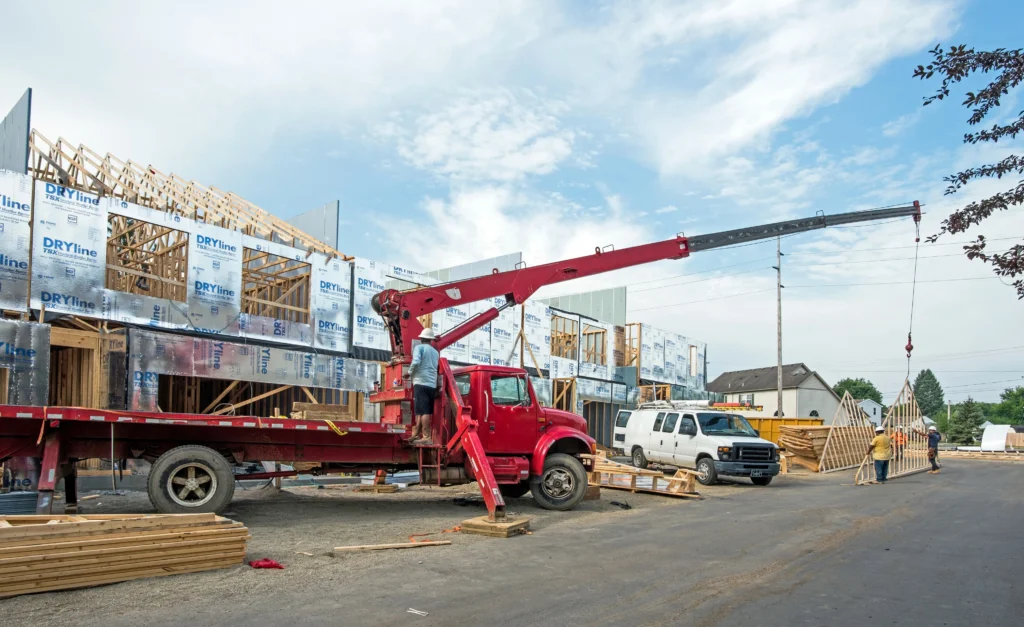
Crane, Hoist, and Rigging Failures: Third-Party Liability Beyond Workers’ Compensation
A dropped load, crane collapse, hoist failure, or rigging failure can cause catastrophic crush injuries, amputations, brain and spinal cord injuries, or death. For an injured worker, workers’ compensation may be only one part of the legal picture. When another…
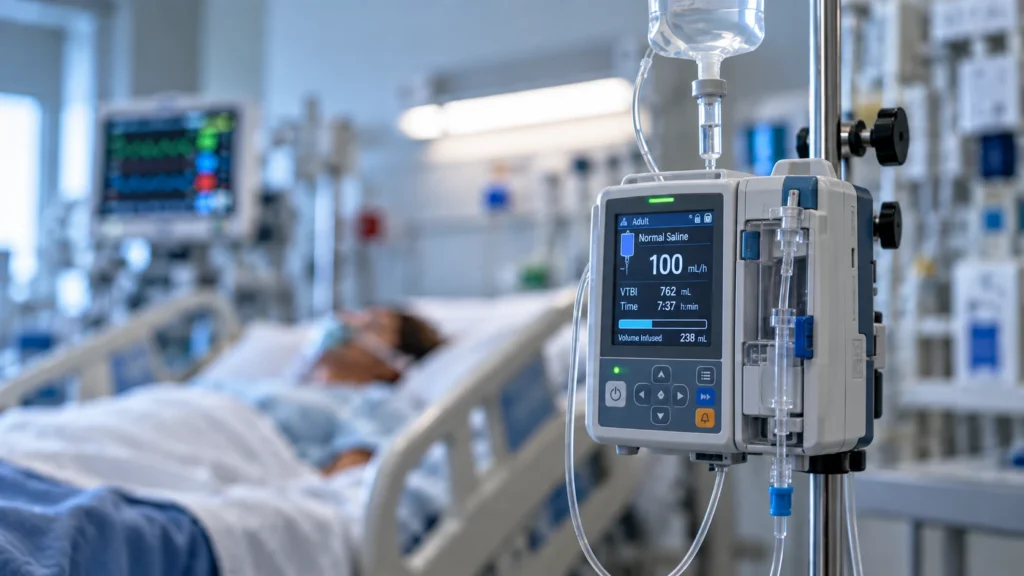
BD Alaris Infusion Set Recall: Over- and Under-Infusion Can Cause Catastrophic Injury
Patients receiving critical medications through BD Alaris pumps can face serious harm if an infusion set causes the system to deliver more or less than programmed. On October 5, 2026, the FDA updated a Class I recall involving approximately 94.2…
Hundreds of Sexual Abuse Claims Rock NJ Juvenile Detention System as New Bordentown Lawsuits Emerge
New lawsuits allege that staff at two state-operated youth detention facilities in Bordentown, New Jersey, sexually abused children in their care, including allegations involving victims as young as 13 and 14. The filings expand a much larger legal proceeding involving…
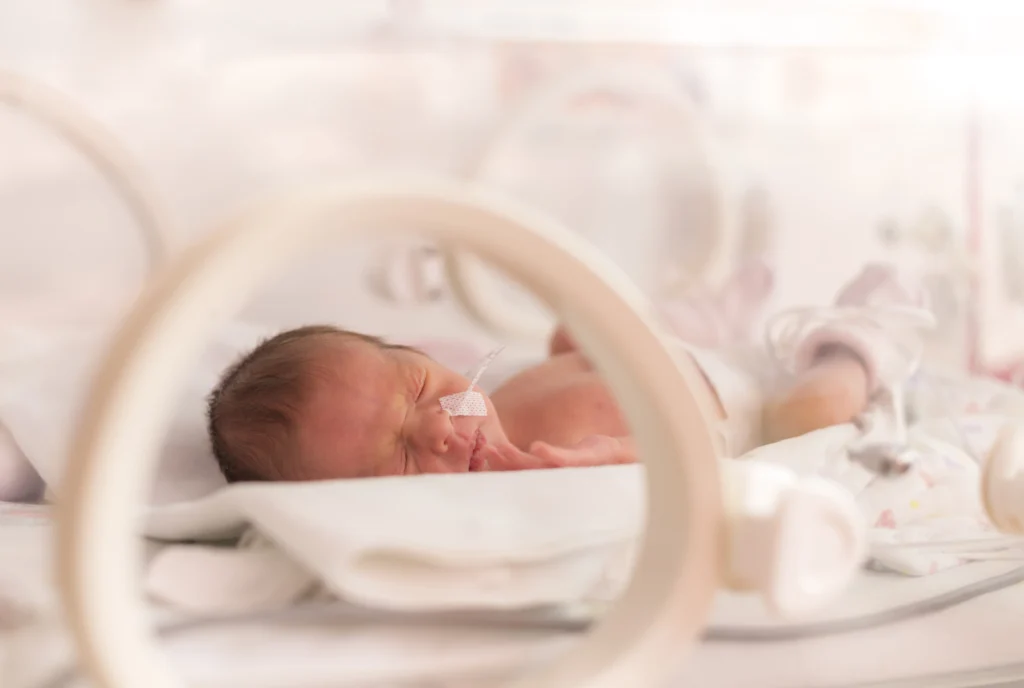
NICU Monitoring Failures: Delayed Response to Apnea, Bradycardia, and Oxygen Desaturation
Apnea, bradycardia, and oxygen desaturation are common in neonatal intensive care, particularly among premature infants. Some events resolve without treatment. Others require stimulation, supplemental oxygen, respiratory support, medication, or more advanced intervention depending on the baby’s condition. A poor outcome…
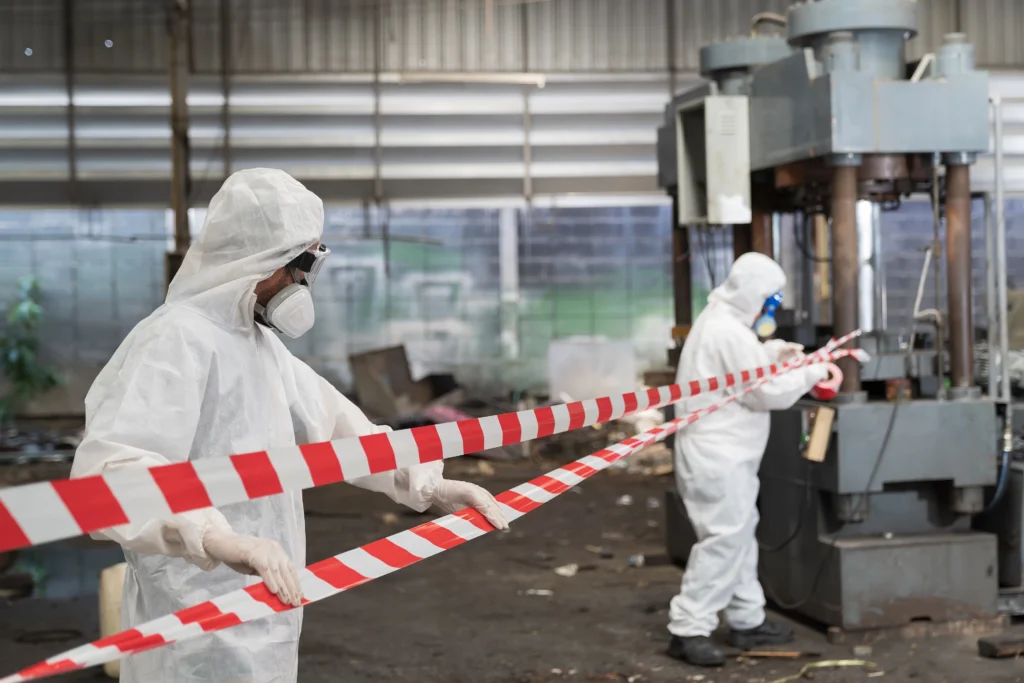
Toxic Chemical Exposure After Train, Truck, and Warehouse Spills
A train derailment, tanker truck crash, or warehouse spill can release hazardous chemicals into the air or across a worksite within seconds. Workers, drivers, emergency responders, nearby residents, and others may be exposed by breathing in contaminated air, getting chemicals…
FAQs
Get answers to commonly asked questions regarding catastrophic respiratory injuries and learn how we can help with your case.
What qualifies as a catastrophic respiratory injury?
An injury that permanently impairs breathing or oxygenation, requires long-term treatment (oxygen, ventilator, rehab), or significantly restricts work and daily life, such as severe smoke/chemical inhalation, ARDS, or permanent airway damage.
What are common causes?
Building fires, CO leaks, industrial/transport chemical releases, defective products (battery fires, appliances), unsafe renovations, hospital airway/ventilator errors, and prolonged occupational exposures.
What if I have asthma or COPD already?
Pre-existing conditions don’t bar recovery. The law allows compensation when negligent conduct aggravates or accelerates an existing condition. We document your baseline and the change.
Who may be liable for a carbon monoxide injury?
Property owners/managers, HVAC or appliance installers/servicers, device manufacturers, hotels/short-term rentals, and others who failed to prevent, detect, or warn about CO hazards.
What is ARDS and why does it matter legally?
Acute Respiratory Distress Syndrome is a severe form of lung injury that impairs oxygenation, often after smoke/chemical inhalation, sepsis, or trauma. It supports high future-care damages and long-term disability when tied to negligence.
Can families bring a wrongful death claim for fatal inhalation injuries?
Yes. Eligible beneficiaries may pursue wrongful death and survival actions for economic and non-economic losses. We explain who may file and how damages are allocated under the governing state law..