

When a flame becomes catastrophic.
People have suffered severe burns and fatal injuries after using tabletop fire pits, mini fireplaces, and other decorative alcohol-fueled fire features. These incidents can cause second- and third-degree burns, skin graft surgeries, permanent scarring, airway injuries, repeat hospitalization, and death.
Consumer Product Safety Commission (CPSC) recalls and consumer safety warnings have kept the danger in focus, especially for products that burn pooled liquid alcohol or similar fuels. If you or someone you love was burned, the critical question is whether a dangerous product design, inadequate warning, or preventable safety failure played a role.


How Much Is Your Case Worth?
Tabletop Fire Pits and Alcohol-Fueled Fire Features
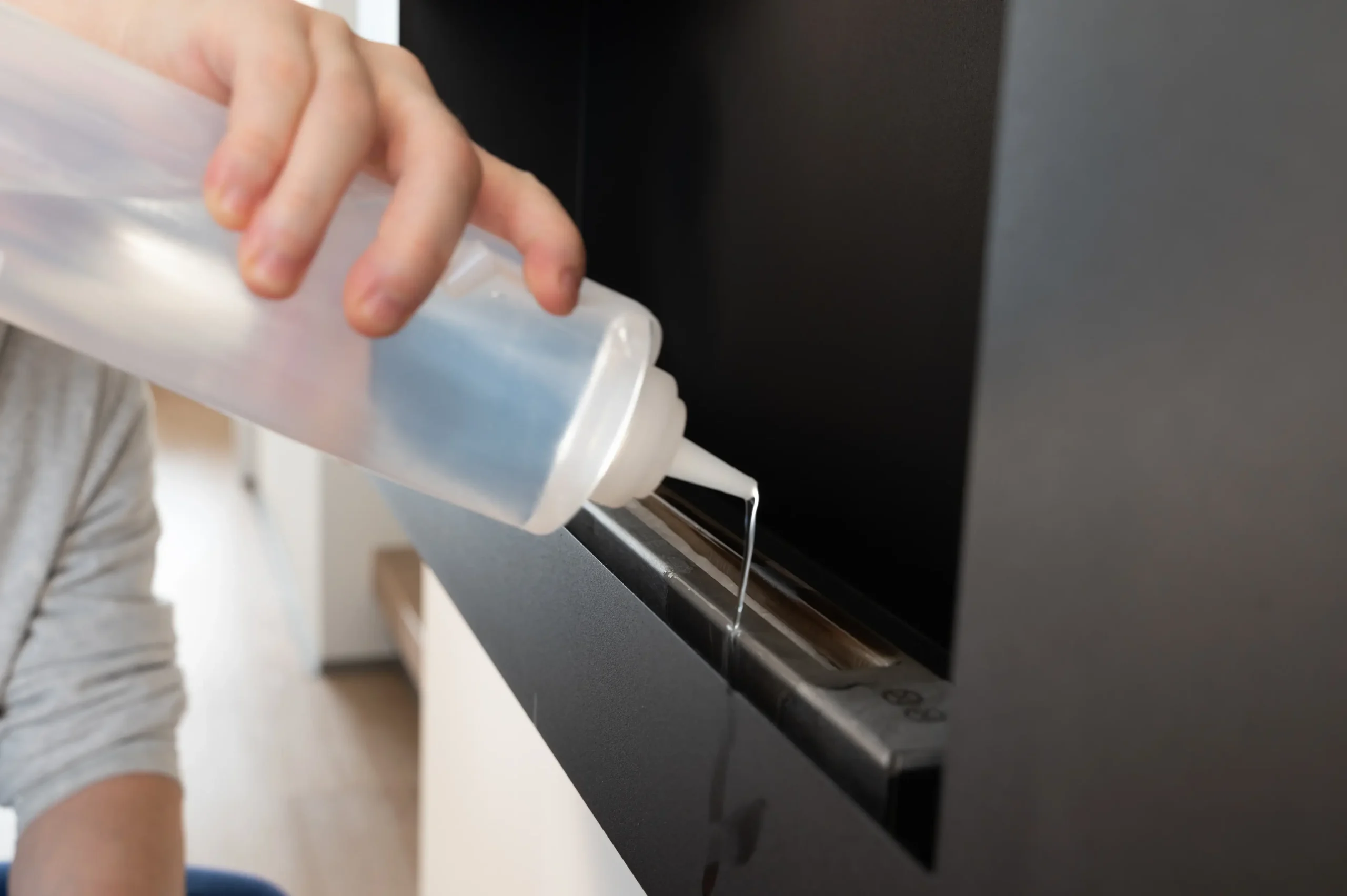
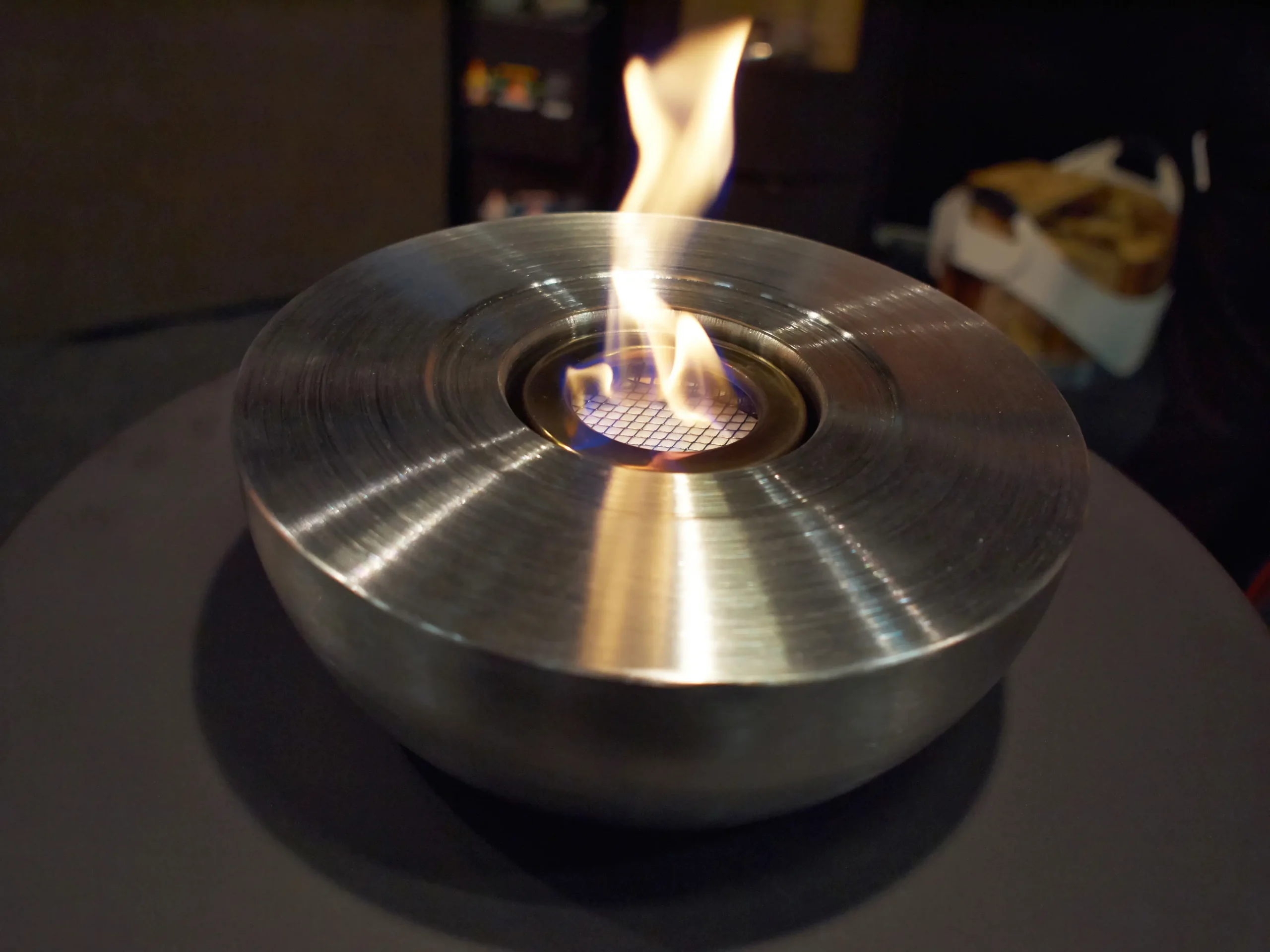
Tabletop fire pits are small decorative fire features often marketed for patios, dining tables, indoor gatherings, outdoor entertaining, and making s’mores. Many are sold as smokeless fire pits, mini fireplaces, portable fireplaces, tabletop fireplaces, fire bowls, or cement fire pits.
The most dangerous models often use liquid fuel, including ethanol, bioethanol, isopropyl alcohol, rubbing alcohol, or gel-style fuel. Some designs require users to pour liquid fuel into an open reservoir and ignite the pooled liquid in the same place it was poured. The U.S. Consumer Product Safety Commission (CPSC) has warned consumers not to buy or use certain alcohol or liquid-burning fire pits that violate voluntary safety standards and present flame jetting and fire hazards.
These products can look simple and harmless. That is part of the danger. A small tabletop flame can become an uncontrolled fire before a person has time to move away.
Why Tabletop Fire Pits Can Cause Severe Burns
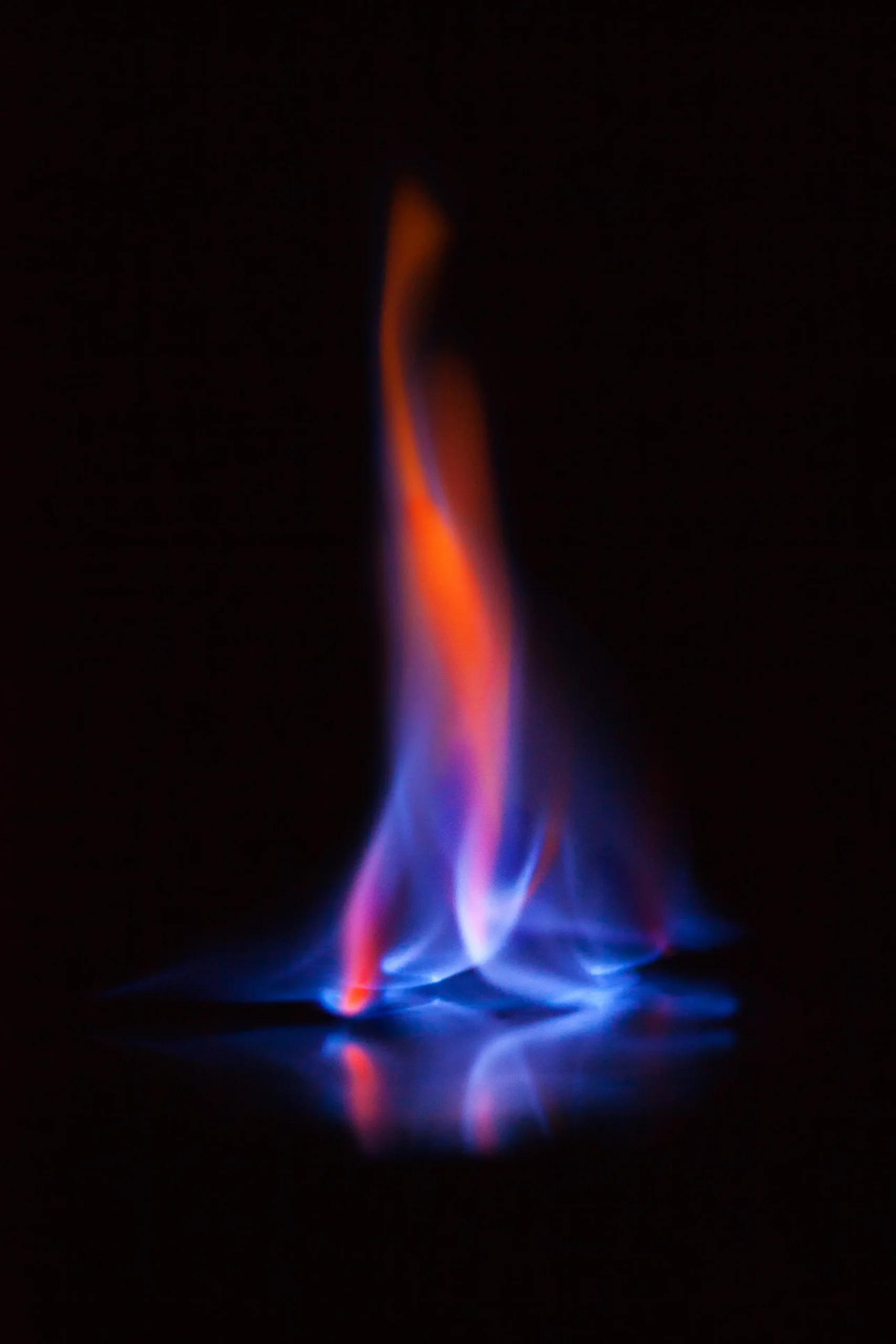
Tabletop fire pit injuries often happen because the fuel and flame behave in ways consumers do not expect. Alcohol flames can be difficult to see, especially in daylight or bright indoor lighting. A person may believe the flame has gone out when it is still burning.
When liquid fuel is added while a flame is present, the fire can flash back into the fuel container. This can cause flame jetting, where fire and burning liquid shoot outward toward the person pouring the fuel or toward bystanders. The CPSC has also warned about uncontrolled pool fires, where flames burn across the surface of pooled or spilled alcohol.
These events can produce rapid, high-temperature burns to the face, neck, chest, arms, hands, and airway.
Known Safety Concerns and Recalls
Federal safety regulators have issued multiple recalls and warnings involving tabletop fire pits, alcohol-fueled fireplaces, and related fuel products because of flame jetting, flash fire, pool fire, and serious burn hazards. The CPSC has warned consumers to stop using alcohol or other liquid-burning fire pits that require fuel to be poured into an open container or bowl and then ignited in the same place. The CPSC has stated that these products can violate the voluntary safety standard ASTM F3363-19 and can create serious or fatal burn risks.
Colsen Tabletop Fire Pits
The CPSC recalled Colsen-branded indoor and outdoor tabletop fire pits because of flame jetting and fire-spreading hazards. The recalled products include seven concrete fire pit models in gray or black, sold in round, rectangular, hexagonal, square, and skull-shaped designs. The CPSC reported that alcohol flames can be difficult to see and that flames or burning alcohol can escape from the fire pit, causing severe burns quickly.
Five Below Tabletop Fire Pits
Five Below recalled tabletop fire pits because of serious burn risks from flame jetting and fire hazards. The CPSC instructed consumers to stop using the recalled fire pits and contact Five Below for a refund.
FLIKRFIRE Tabletop Fireplaces
The CPSC urged consumers to stop using FLIKRFIRE tabletop fireplaces because the alcohol-fueled products can cause uncontrolled pool fires and flame jetting from fuel containers. The CPSC reported that the hazard can result in serious or fatal burns and instructed consumers to stop using and dispose of the products.
Rozato Tabletop Fire Pits
The CPSC warned consumers to stop using Rozato tabletop fire pits immediately because of uncontrolled pool fire and flame jetting hazards. The warning states that the products have been associated with one death and multiple burn injuries.
Wilteexs Bioethanol Fuel Bottles
The CPSC recalled Wilteexs bioethanol fuel bottles used for tabletop fire pits, fireplaces, stoves, and burners because of flash fire risks and violations of mandatory standards for portable fuel containers and hazardous substances. Fuel products can be important evidence in a tabletop fire pit burn case because the container design, labeling, and fuel warnings may affect how the incident occurred.
Broader CPSC Warning on Alcohol and Liquid-Burning Fire Pits
The CPSC has also issued a broader consumer alert covering alcohol or other liquid-burning fire pits that burn pooled liquid fuel. This warning applies to products marketed as tabletop fire pits, fire pots, miniature fireplaces, and portable indoor or outdoor fire features. The CPSC reported that these products have been linked to deaths and dozens of serious burn injuries.

Injuries Linked to Tabletop Fire Pit Accidents
Burn injuries from tabletop fire pits can require emergency care, hospitalization, surgery, and long-term rehabilitation. Common injuries may include:
- Severe Thermal Burns – Victims may suffer second-degree, third-degree, or deeper burns when flames or burning fuel contact the skin. Serious burns can damage skin, tissue, nerves, and blood vessels.
- Facial Burns and Disfigurement – Because many incidents happen while someone is sitting near the fire pit or pouring fuel, the face and upper body are often exposed. Facial burns can leave permanent scars and may require reconstructive procedures.
- Airway and Inhalation Injuries – Flash fires can burn the mouth, throat, or airway. Smoke and heat exposure may also cause breathing complications, especially when flames reach the face or neck.
- Skin Grafts and Burn Surgeries – Severe burns may require debridement, grafting, repeated wound care, and additional procedures. Recovery can be painful and prolonged.
- Permanent Scarring and Functional Loss – Burn injuries can limit movement, cause contractures, reduce sensation, and affect daily activities. Scarring can also create lasting emotional and psychological harm.
- Wrongful Death – Some tabletop fire pit incidents have resulted in fatal burns. When a dangerous product or safety failure contributes to a death, surviving family members may have grounds to investigate a wrongful death claim.
How These Incidents Often Happen
A tabletop fire pit burn injury can occur in seconds. Many cases involve one or more of the following scenarios:
- Refueling Near an Active Flame – A person adds alcohol or liquid fuel because the fire appears low or out. A hidden flame ignites the fuel stream or vapors, causing flames to travel back toward the container.
- Flame Jetting from the Fuel Bottle – Fire flashes into or toward the fuel container, sending a burst of flame and burning liquid outward. This can strike the person holding the bottle and others nearby.
- Fuel Spills and Pool Fires – Liquid fuel spills onto a table, patio, deck, clothing, or nearby surface. Once ignited, the flame can spread beyond the fire pit.
- Inadequate Warnings – Some products may not clearly warn users about invisible flames, refueling hazards, flame jetting, safe fuel handling, or the risk of severe burns.
- Unsafe Product Design – A product may lack safer fueling features, flame arrestors, barriers, stable construction, adequate extinguishing systems, or design features that reduce the risk of uncontrolled fire.

Who May Have a Tabletop Fire Pit Claim?
A claim may be investigated when someone suffered serious burns after using or being near a tabletop fire pit, mini fireplace, portable fire bowl, or alcohol-fueled decorative fire feature.
Potential claims may involve:
- A person burned while refueling the fire pit
- A bystander struck by flames or burning fuel
- A child injured during a family gathering or s’mores activity
- A guest injured at someone else’s home
- A consumer burned by a recalled product
- A family who lost a loved one after a tabletop fire pit incident
You do not need to know the exact defect before speaking with a lawyer. In many product liability cases, the cause becomes clearer only after the product, fuel container, warnings, purchase records, recall history, and incident details are investigated.
Potentially Responsible Parties
Tabletop fire pit cases can involve several companies in the chain of distribution. Depending on the facts, responsible parties may include:
Product Manufacturers
The manufacturer may be responsible if the fire pit was defectively designed, poorly tested, or sold without adequate safety features.
Product Designers or Brand Owners
Some products are branded or designed by one company and manufactured by another. The company that placed the product into the stream of commerce may still be part of the investigation.
Retailers and Big-Box Stores
Retailers that sold dangerous fire pits may be examined, especially if the product was recalled, heavily marketed, or sold despite known safety concerns.
Online Marketplaces
Many tabletop fire pits are sold online. Depending on the facts and jurisdiction, an online marketplace may be considered in the legal analysis.
Fuel Manufacturers or Sellers
In some cases, the fuel container, fuel labeling, or fuel marketing may also matter. Liquid alcohol fuels can create serious hazards when used with products that invite refueling near an open flame.

Evidence That Can Matter in a Tabletop Fire Pit Case
Preserving evidence is critical. If it is safe to do so, families should keep the product and related materials in a secure place.
Important evidence may include:
- The tabletop fire pit or mini fireplace
- Fuel bottles or gel fuel containers
- Product packaging
- Instruction manuals and warning labels
- Receipts, order confirmations, or credit card records
- Photos or videos of the product and scene
- Photos of the injuries over time
- Medical records and burn center records
- Names and contact information for witnesses
- Communications with the manufacturer, retailer, or insurer
- Recall notices or product safety alerts involving the same model
Do not throw away the product, even if it appears damaged. The fire pit, fuel container, and warnings may be central to proving what happened.
Why These Product Liability Cases Can Be Complex
Tabletop fire pit cases are often more complex than they first appear. Companies may argue that the consumer used the product incorrectly, added the wrong fuel, refueled too soon, or failed to follow instructions. A strong investigation looks deeper.
The key questions may include:
- Did the product design invite unsafe refueling?
- Were the flames difficult to see?
- Did the warnings clearly explain the risk of flame jetting?
- Did the product comply with applicable safety standards?
- Did the company know about prior incidents?
- Was the product recalled or the subject of a safety warning?
- Did marketing materials minimize the danger?
- Could a safer design have reduced the risk?
- Did the retailer continue selling the product after safety concerns emerged?
These cases often require product engineers, fire investigators, burn injury experts, human factors experts, and a careful review of the product’s design and warning history.

What To Do After a Tabletop Fire Pit Burn Injury
After emergency needs are addressed, these steps can help protect a potential claim:
- Preserve the Product – Keep the fire pit, fuel container, packaging, instructions, and any remaining parts. Do not clean, repair, discard, donate, or return the product unless your attorney advises you to do so.
- Photograph Everything – Photograph the fire pit, fuel, warning labels, burn area, table, patio, clothing, and surrounding scene. Continue documenting the injuries during treatment and recovery.
- Save Purchase Records – Keep receipts, online order confirmations, delivery records, emails, account screenshots, and credit card statements.
- Write Down What Happened – Record who was present, what product was used, what fuel was used, when it was purchased, how the flame behaved, and what happened immediately before the burn.
- Avoid Giving Recorded Statements – Manufacturers, retailers, and insurers may contact you. Speak with counsel before giving a recorded statement, signing a release, or sending the product away.
Compensation That May Be Available
A tabletop fire pit burn injury claim may seek compensation for the harm caused by a dangerous product. Depending on the facts and applicable law, damages may include:
- Emergency medical treatment
- Burn unit care
- Surgery and skin grafting
- Rehabilitation and therapy
- Future medical care
- Lost income
- Loss of future earning capacity
- Pain and suffering
- Permanent scarring or disfigurement
- Emotional distress
- Loss of normal life
- Wrongful death damages, when a loved one dies
Every case depends on the facts, the injuries, the product, the available evidence, and the law that applies.


Talk With McEldrew Purtell About a Tabletop Fire Pit Burn Injury
A tabletop fire pit burn can change a person’s life in seconds. The medical recovery is difficult enough without having to investigate manufacturers, retailers, recalls, warnings, and product defects on your own.
McEldrew Purtell investigates catastrophic burn injury and product liability cases involving tabletop fire pits, mini fireplaces, alcohol-fueled fire features, flame jetting, and flash fire incidents.
If you or someone you love was seriously burned, contact McEldrew Purtell for a free consultation. We can review what happened, help preserve critical evidence, and determine whether a dangerous product or preventable safety failure may have caused the injury.
Learn More

BD Alaris Infusion Set Recall: Over- and Under-Infusion Can Cause Catastrophic Injury
Patients receiving critical medications through BD Alaris pumps can face serious harm if an infusion set causes the system to deliver more or less than programmed. On October 5, 2026, the FDA updated a Class I recall involving approximately 94.2…

Surgical Stapler Failures: Internal Bleeding, Sepsis, and Wrongful Death
Patients can suffer life-threatening internal bleeding, leaks, infection, or sepsis when a surgical stapler fails to create a complete and secure staple line. These complications may require emergency surgery, prolonged hospitalization, or intensive care, and in the most serious cases…

Pacemaker and ICD Failures: When a Cardiac Device Fails
Patients who rely on a pacemaker or an implantable cardioverter-defibrillator are trusting that device to work. When a pacemaker fails to deliver needed electrical impulses or an ICD fails to detect a dangerous rhythm or deliver an effective shock, the…
Electric Vehicle Defects: Battery Fires, Severe Burns, and Explosions
Drivers and passengers can suffer severe burns, smoke inhalation, catastrophic injuries, or death when an electric vehicle battery ignites. These fires can happen while a vehicle is charging, parked, operating normally, or damaged in a crash. They can spread rapidly,…
Toxic Exposure Claims: Identifying the Right Liability Theory
Toxic exposures can cause life-altering injuries. The source may be a defective product, an unsafe workplace, a leaking facility, a mislabeled container, or a chemical release that reaches homes, schools, or nearby businesses. The legal claim depends on where the…

Cerebrospinal Fluid Leaks Can Cause Serious Neurologic Injuries and Life-Threatening Infections
When a dural injury results in Cerebrospinal Fluid leak after an epidural injection, lumbar puncture, spinal cord stimulator insertion, spine procedure, or another intervention near the dura, the consequences can be debilitating and life-threatening. Patients may suffer severe migraines, brain…