

Catastrophic Orthopedic Trauma & Polytrauma Lawsuits
Severe orthopedic trauma reshapes a life in seconds. Multiple fractures, joint disruptions, crush injuries, limb-threatening soft tissue damage, and complex pelvic/acetabular injuries often occur together (polytrauma) after high‑energy events. In the first hours and days, you’re asked to make hard medical and insurance decisions while trying to heal. We move quickly to preserve evidence, notify the right parties, and protect your claim so you can focus on recovery.
From day one, we assemble the right team for catastrophic cases: trauma and orthopedic surgeons, plastic/microsurgery and vascular experts, infectious‑disease specialists, life‑care planners, vocational and economic experts, and when products or workplaces are involved, engineers and human‑factors specialists. We build liability and damages in parallel, so nothing is left to chance.


How Much Is Your Case Worth?
Our Results
McEldrew Purtell has a proven track record of maximizing recovery for our clients.
Results may vary depending on your particular facts and legal circumstances.
Ways We Can Help
Below are common causes and contexts for severe orthopedic trauma. For each, we develop the evidence and pursue every responsible party to seek full compensation under the law.
Trucking & Commercial Vehicle Crashes
High‑energy impacts cause multi‑system injuries: femur/tibia fractures, pelvic ring disruptions, spinal and head trauma. Potentially liable parties may include the truck driver, motor carrier (hiring/training/Hours‑of‑Service), shipper/broker (load securement), maintenance vendors, and component manufacturers if a defect contributed.
Motorcycle Collisions
Unprotected riders face open fractures, degloving injuries, and complex joint damage. Potentially liable parties may include negligent drivers, municipalities for dangerous road conditions (where notice and immunity laws allow), and manufacturers for defective components or helmets.
Pedestrian & Bicycle Crashes
Struck‑by mechanisms frequently produce tib‑fib, pelvic, and acetabular fractures with associated head/torso trauma. Potentially liable parties may include drivers, employers (vicarious liability), ride‑hail companies, and roadway owners for hazardous design/maintenance where permitted by law.
Railroad / Public Transportation & Other High‑Energy Events
Derailments, sudden deceleration, and platform incidents can cause multi‑system orthopedic injuries that worsen without timely care. Potentially liable parties may include carriers, maintenance contractors, component manufacturers, and third‑party operators.
Construction & Workplace Incidents
Falls, struck‑by loads, machine entanglements, and scaffolding failures lead to crush injuries and complex fractures. Potentially liable parties may include site owners, GCs/subcontractors, safety staffing firms, equipment manufacturers, and maintenance vendors (third‑party claims; workers’ comp may limit suits against a direct employer).
Falls From Height & Unsafe Premises
Ladder and roof falls, collapsing stairs, and unsafe walkways result in comminuted fractures and joint destruction. Potentially liable parties may include property owners/managers, tenants/occupiers with control, contractors, and product manufacturers when defects contributed.
Defective Products & Safety Equipment Failures
Failed guards, ladders, aerial lifts, restraints, airbags/seatbelts, or helmets can convert survivable events into catastrophic injuries. Potentially liable parties may include manufacturers, designers, distributors, retailers, and rental companies (design/manufacturing defect or failure‑to‑warn theories).
Sports & Recreational Catastrophes
Skiing and cycling crashes, trampoline parks, and organized athletics can cause open fractures, dislocations, and ligamentous instability requiring reconstruction. Potentially liable parties may include operators, event promoters, coaches/organizations, and product manufacturers.
Crush Injuries & Compartment Syndrome Events
Industrial presses, vehicle under‑rides, and heavy‑object entrapments cause limb‑threatening damage and rhabdomyolysis. Potentially liable parties may include employers’ third‑party contractors, equipment manufacturers, premises owners, and maintenance vendors.
Medical Negligence in Fracture Care
Missed fractures, delayed compartment syndrome diagnosis, improper reduction/fixation, or unmanaged infection can transform an injury into permanent disability. Potentially liable parties may include hospitals, emergency physicians, orthopedic surgeons, anesthesiologists, and nursing/home‑health providers where care fell below standards.
Crowd Surges & Negligent Security
Venue stampedes and crowd‑control failures can produce crush fractures and joint injuries. Potentially liable parties may include venue owners/operators, security contractors, event promoters, and municipalities where claims are permitted by statute.
Aviation & Air‑Travel Injuries
Turbulence, hard landings, jet bridge/air stairs incidents, or falling baggage can cause complex fractures. Potentially liable parties may include airlines, airport operators, contractors, and product manufacturers depending on the facts.
Don’t Just Take Our Word For It
Hear From Our Clients
At McEldrew Purtell, results matter and so does the way we achieve them. While our case outcomes reflect our tenacity in court and at the negotiation table, it’s the voices of our clients that truly capture who we are and why we do this work.
We represent people at the worst moments of their lives: after catastrophic injuries, workplace tragedies, and preventable losses. Through every case, we aim to deliver not just compensation but clarity, confidence, and care.
If you’re considering working with a Philadelphia trial lawyer, we invite you to read what our clients have said about their experiences with McEldrew Purtell. Their words are the most powerful testament to our values, our dedication, and our results.
Learn More
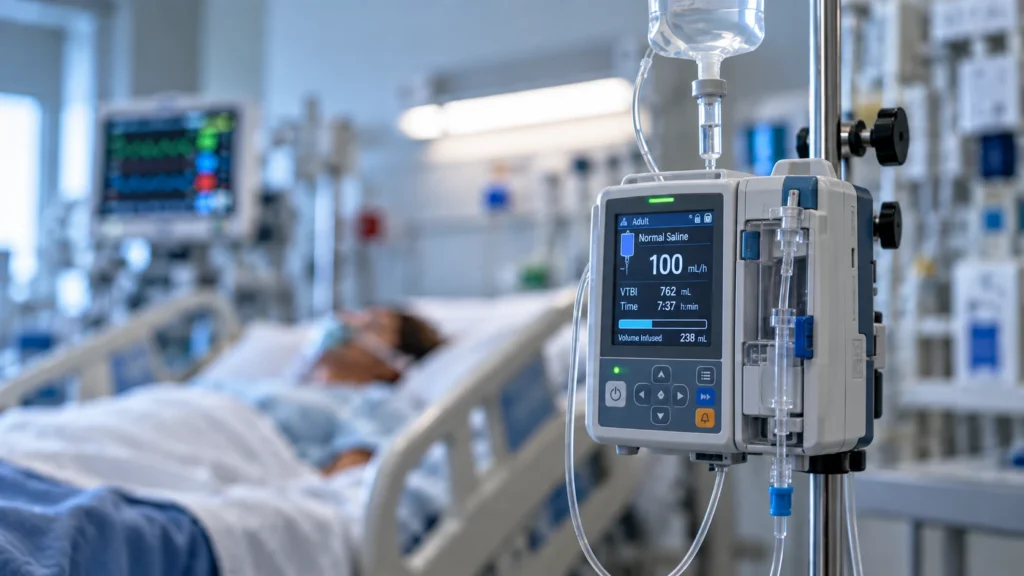
BD Alaris Infusion Set Recall: Over- and Under-Infusion Can Cause Catastrophic Injury
Patients receiving critical medications through BD Alaris pumps can face serious harm if an infusion set causes the system to deliver more or less than programmed. On October 5, 2026, the FDA updated a Class I recall involving approximately 94.2…
Hundreds of Sexual Abuse Claims Rock NJ Juvenile Detention System as New Bordentown Lawsuits Emerge
New lawsuits allege that staff at two state-operated youth detention facilities in Bordentown, New Jersey, sexually abused children in their care, including allegations involving victims as young as 13 and 14. The filings expand a much larger legal proceeding involving…

NICU Monitoring Failures: Delayed Response to Apnea, Bradycardia, and Oxygen Desaturation
Apnea, bradycardia, and oxygen desaturation are common in neonatal intensive care, particularly among premature infants. Some events resolve without treatment. Others require stimulation, supplemental oxygen, respiratory support, medication, or more advanced intervention depending on the baby’s condition. A poor outcome…
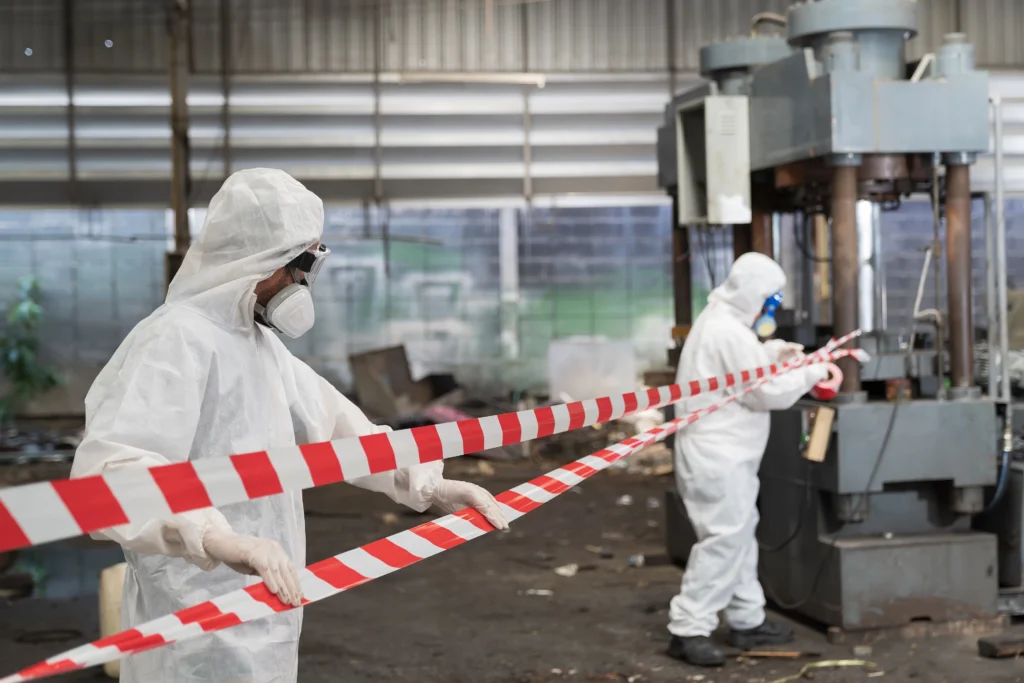
Toxic Chemical Exposure After Train, Truck, and Warehouse Spills
A train derailment, tanker truck crash, or warehouse spill can release hazardous chemicals into the air or across a worksite within seconds. Workers, drivers, emergency responders, nearby residents, and others may be exposed by breathing in contaminated air, getting chemicals…

Surgical Stapler Failures: Internal Bleeding, Sepsis, and Wrongful Death
Patients can suffer life-threatening internal bleeding, leaks, infection, or sepsis when a surgical stapler fails to create a complete and secure staple line. These complications may require emergency surgery, prolonged hospitalization, or intensive care, and in the most serious cases…
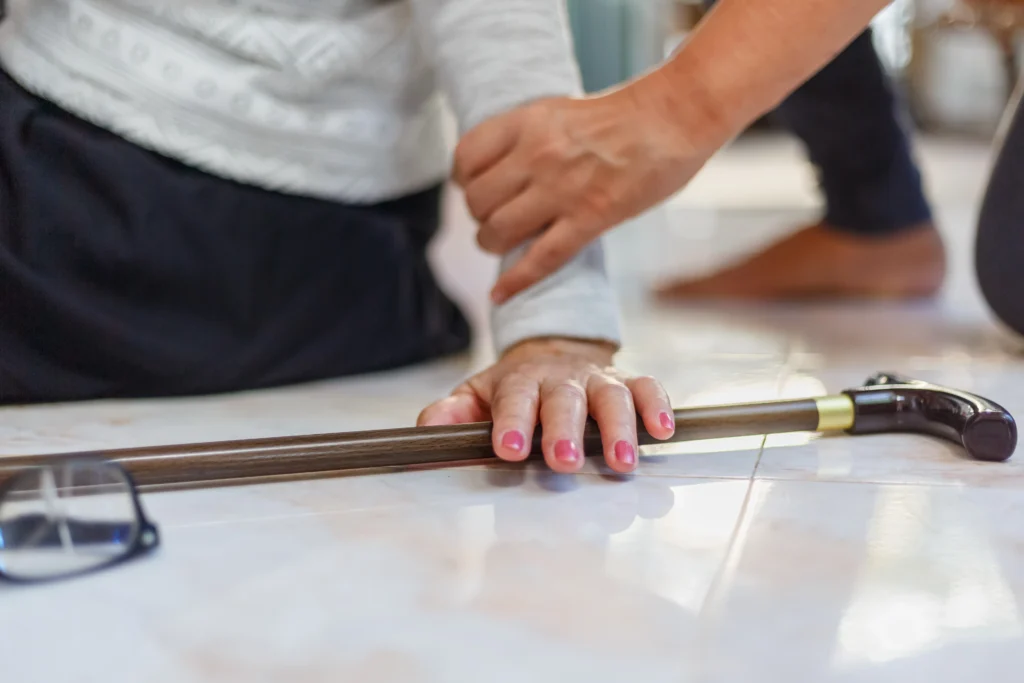
Nursing Home Fall Injuries: Hip Fractures, Brain Bleeds, and Wrongful Death
For an elderly or medically fragile nursing home resident, a single fall can cause catastrophic, life-altering harm. A fractured hip may require surgery, permanently destroy the resident’s mobility and independence, and trigger complications such as blood clots, pneumonia, pressure injuries,…
FAQs
Get answers to commonly asked questions regarding severe orthopedic trauma and learn how we can help with your case.
What qualifies as severe orthopedic trauma or polytrauma?
Injuries that permanently impair function or require staged reconstruction such as multiple long‑bone fractures, pelvic/acetabular injuries, open fractures, crush injuries with soft‑tissue loss, limb‑threatening vascular damage, or amputation.
If I felt “okay” after a crash but worsened later, do I still have a case?
Often, yes. Some fractures and soft‑tissue injuries are initially subtle or masked by adrenaline. If negligence caused the harm and medical proof links the deterioration to the incident, you may have a viable claim.
How do you calculate the value of a polytrauma case?
By connecting liability to lifelong needs: surgeries, infection management, rehabilitation, durable medical equipment, home/vehicle modifications, vocational losses, life‑care planning, and non‑economic harms. Every case is fact‑specific.
What is compartment syndrome and why is it so serious?
It’s dangerous pressure buildup within muscle compartments after trauma. Without prompt recognition and fasciotomy, it can cause nerve/muscle death, infection, and amputation. Delays can form the basis for a malpractice claim where standards of care were not met.
My fracture didn’t heal right (malunion/nonunion). Is that malpractice?
Not automatically. We investigate whether the standard of care was met—appropriate imaging, reduction/fixation method, infection control, weight‑bearing instructions, and timely revision when healing stalled.
Can infections after fracture surgery support a claim?
Sometimes. We examine sterile technique, antibiotic use, hardware selection, soft‑tissue coverage, and timing of debridement or revision. A poor outcome alone is not proof of negligence.
What if a defective product made my injuries worse?
We pursue product liability claims for design/manufacturing defects and failure to warn -covering items like vehicle components, safety equipment, ladders, lifts, and power tools.
Can you take my case if I live outside Pennsylvania?
Yes. We handle cases nationwide with local counsel where required and advise on the best venue considering defendants, witnesses, and evidence.