

Serious injuries on trains, platforms, and stations.
Passengers can suffer serious injuries when a commuter or passenger rail system is involved in a collision, derailment, sudden stop, door malfunction, or unsafe station condition. These incidents can cause fractures, traumatic brain injuries, spinal cord injuries, crush injuries, burns, permanent disability, or death. Determining why an injury occurred may require examining train operations, equipment and track maintenance, station conditions, surveillance footage, and records held by rail operators or contractors. The central question is whether a preventable safety failure or negligent act contributed to the injury.
At McEldrew Purtell, we represent:
- Passengers injured on Amtrak, commuter rail, subway, regional rail, and light-rail systems
- Riders injured while boarding, exiting, or moving through stations and platforms
- Families after fatal passenger and commuter rail incidents
Were You Injured While Working for a Railroad?
Railroad employee injury claims are different from passenger injury claims and may fall under the Federal Employers’ Liability Act (FELA). Visit McEldrew Purtell’s dedicated railroad injury website for information about FELA, railroad workplace injuries, evidence preservation, and what to do after an injury.

How Much Is Your Case Worth?
Why passenger & commuter rail injuries are so serious
Rail incidents involving people, not freight, present unique risks:
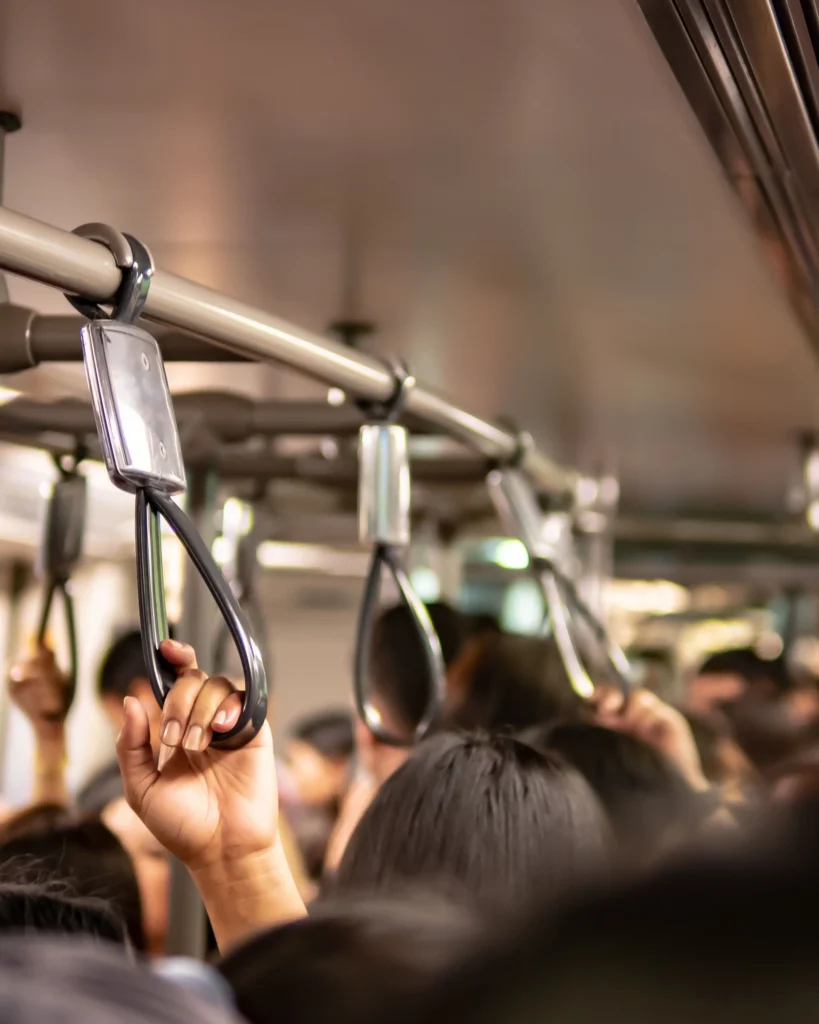
- High passenger density – Trains and platforms are often crowded, with riders standing, holding children, carrying bags, or using mobility devices. A sudden impact or braking event can send multiple people to the floor at once.
- Unrestrained occupants and hard surfaces – Unlike cars, trains typically have no seat belts. Riders can be thrown into seats, poles, bulkheads, windows, or other passengers, multiplying injuries.
- Hazardous boarding and exiting areas – Platform gaps, uneven surfaces, slick flooring, and rushed boarding can turn a minor misstep into a serious fall, especially for older riders or those with disabilities.
- Complex infrastructure – Stations include stairs, escalators, elevators, overhead walkways, tunnels, and parking areas. Poor maintenance or design can cause life-changing injuries before a passenger even steps onto the train.
- Multiple potentially responsible parties – Passenger rail incidents can involve public transportation authorities, rail operators, contractors, security providers, property owners, and equipment manufacturers. Identifying who controlled the operation, property, equipment, or condition involved is an important part of the investigation.
Common passenger & commuter rail incidents we handle
Passenger-rail cases are not limited to major derailments. Passenger rail injuries can arise from many different types of incidents, including:
- Train collisions and derailments – Passenger or commuter trains involved in collisions with other trains, vehicles, or obstructions, or leaving the track due to speed, track conditions, or signal/PTC issues, often resulting in multiple injuries and fatalities.
- Violent sudden stops and emergency braking – Hard braking to avoid a collision or due to operator error, signal issues, or track problems can throw standing and seated passengers into floors, bulkheads, and each other.
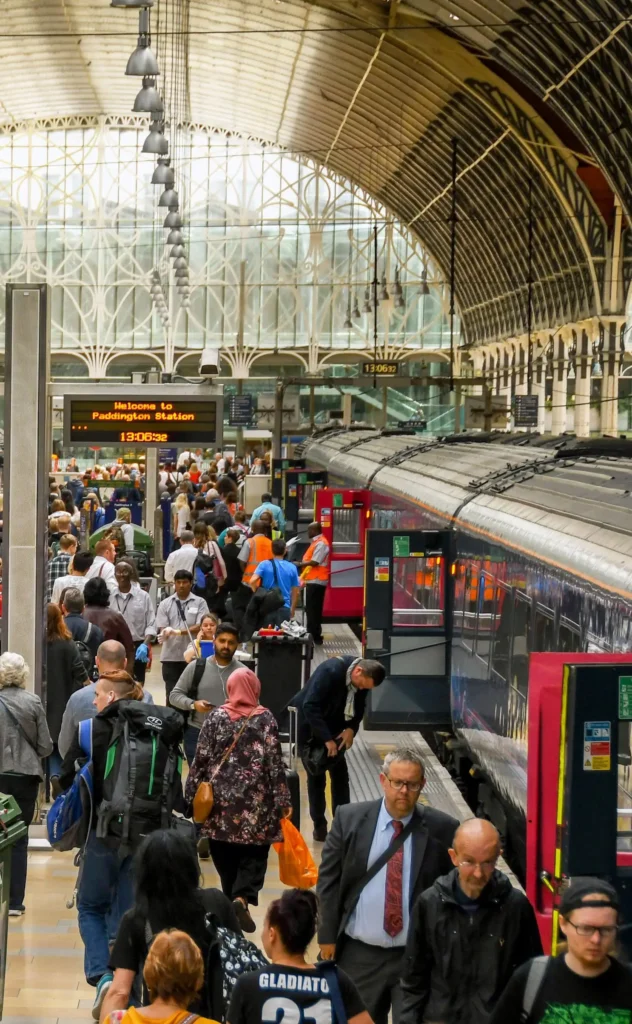
- Boarding, exiting, and platform falls – Incidents involving platform gaps, misaligned trains, slippery or broken surfaces, poor lighting, and hurried door closures that cause serious falls or entrapment.
- Door malfunctions and entrapment – Doors closing on hands, arms, bags, or mobility devices; riders dragged if a train departs with someone caught; doors failing to open or close properly at stations.
- Station, stairway, and escalator injuries – Poorly maintained stairs and handrails, malfunctioning escalators, defective elevators, water leaks, inadequate snow/ice removal, and trip hazards throughout stations and parking facilities.
- Overcrowding, crush, and stampede conditions – Overpacked cars or platforms, poor crowd control during delays or emergencies, and lack of clear communication leading to pushes, falls, and trampling.
- Assaults and inadequate security – Physical assaults, robberies, or harassment on trains or in stations where security was inadequate for known risks or where cameras, lighting, and staffing were not reasonably maintained.
Safety and system failures we investigate
When we take a passenger-rail case, we focus on the decisions and systems behind the incident, not just what happened in the last few seconds. Common failures include:
Operations, speed, and dispatching
- Trains operated too fast for curves, track conditions, or platform approaches.
- Poor coordination between dispatchers and crews.
- Inaccurate or confusing signal indications or route information.
Maintenance and inspection
- Track, switches, and signals not inspected or repaired on proper schedules.
- Cars and locomotives kept in service despite known defects.
- Doors, brakes, and on-board systems repeatedly malfunctioning without meaningful corrective action.
Station and platform design & upkeep
- Platforms with known gap, height, or slip hazards.
- Poor lighting, signage, and way-finding.
- Escalators, elevators, ramps, and stairs in disrepair, with long-standing issues ignored.
Training, staffing, and supervision
- Inadequate training or supervision for personnel responsible for train operations, doors, platforms, and emergency procedures.
- Staffing levels that leave platforms, boarding areas, or emergency situations inadequately monitored.
- Failure to follow established operating or passenger-safety procedures.
Failure to respond to complaints and prior incidents
- Prior complaints, incident reports, maintenance records, or inspections documenting the same or similar hazard.
- Internal memos or audits flagging specific stations, lines, or cars as unsafe.
- Recommended corrective actions that were delayed or not implemented.
Emergency preparedness and communication
- Confusing or absent instructions during an emergency.
- Failures to promptly stop trains, open doors, or authorize safe evacuations.
- Poor coordination with police, fire, and EMS, leading to delayed care.
- Lack of clear announcements, signage, or backup systems when PA or radios fail.
Who we may hold accountable
Passenger-rail incidents can involve multiple overlapping entities. Depending on the facts, responsible parties may include:
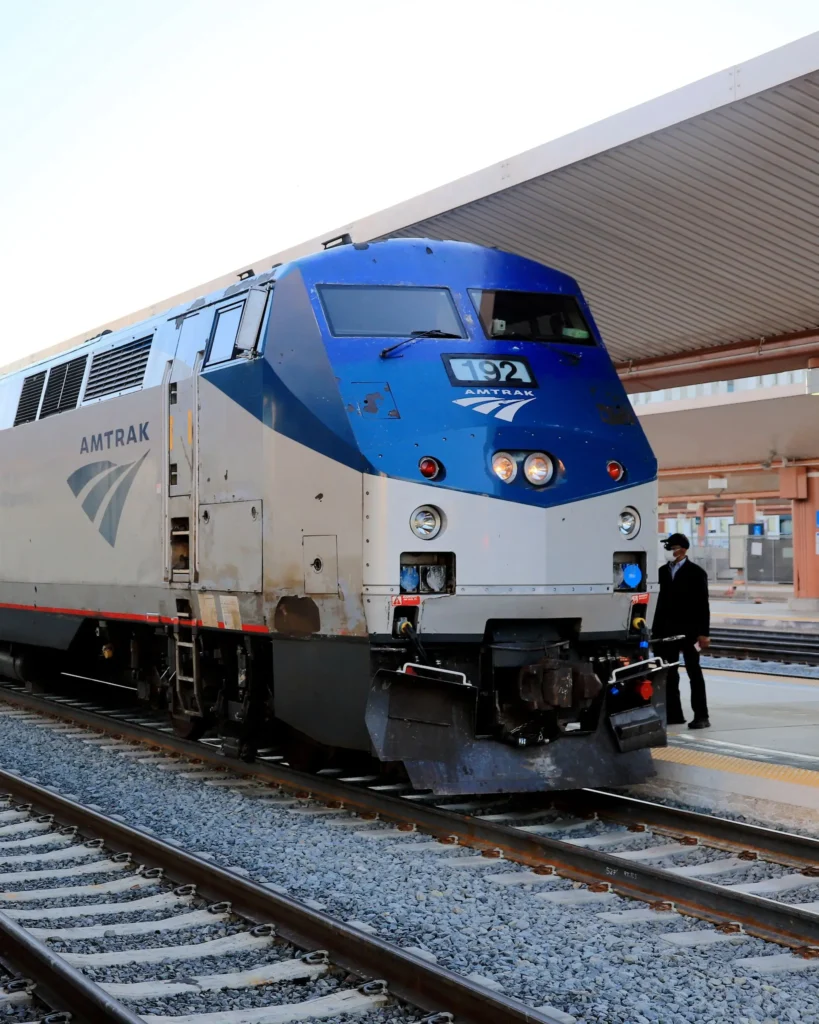
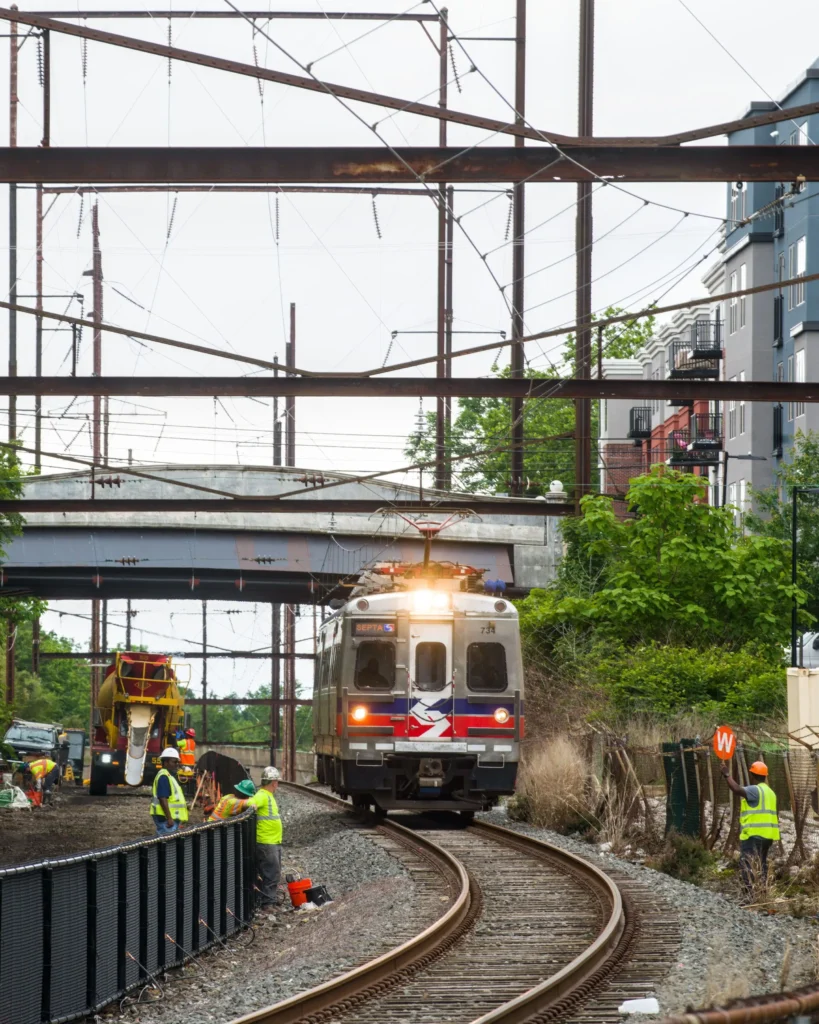
- Passenger rail operators (e.g., Amtrak, SEPTA, NJ Transit, and other regional systems)
- Host railroads over whose tracks passenger trains operate.
- Public transportation authorities and agencies responsible for stations, platforms, and facilities.
- Private maintenance and security contractors
- Equipment manufacturers and suppliers for defective doors, brakes, or other components.
- Third parties (such as drivers or property owners) whose negligence contributed to the incident.
Passenger and commuter rail claims are evaluated under the laws that apply to the operator, location, and circumstances of the incident. When a public transportation authority or government entity is involved, additional notice or procedural requirements may apply. Identifying the entities involved early can be important to preserving evidence and evaluating the claim.
Were you working for the railroad when you were injured? Learn how FELA works for injured railroad employees
What to Do After a Passenger or Commuter Rail Injury
After a serious passenger rail injury, information can disappear quickly, and details that seem minor at first may become important later.
- Get medical care. Tell your providers about all symptoms and follow recommended treatment.
- Record the basic incident details. Note the date, time, station, route, train or car number, and where you were when the injury occurred.
- Preserve photographs and video. Keep images of the train, platform, station, equipment, visible hazards, and your injuries when available.
- Identify witnesses. Save names and contact information for people who saw what happened.
- Keep records and communications. Preserve tickets, transit receipts, incident reports, emails, letters, claim forms, and communications from the rail operator or insurer.
- Act promptly. The applicable rules and procedures may depend on the rail operator and other involved entities.
Injured while working for a railroad? See What to Do After a Railroad Injury on our dedicated railroad injury website.
Learn More
Toxic Chemical Exposure After Train, Truck, and Warehouse Spills
A train derailment, tanker truck crash, or warehouse spill can release hazardous chemicals into the air or across a worksite within seconds. Workers, drivers, emergency responders, nearby residents, and others may be exposed by breathing in contaminated air, getting chemicals…
Railroad Toxic Exposure Claims: Cancer, Lung Disease, and Proving Workplace Causation
Railroad workers face dangers that extend far beyond traumatic injuries and derailments. For decades, railroad employees have been exposed to toxic substances capable of causing serious illnesses, including cancer, chronic lung disease, and other life-altering medical conditions. Under the Federal…

Fatal Accidents Involving Railroad Employees: What Families Should Know About Wrongful Death Claims Under FELA
A fatal railroad accident leaves families facing far more than grief. Many are suddenly dealing with lost income, unanswered questions about what happened, and pressure from railroad investigators before they fully understand their rights. If a railroad employee is killed…
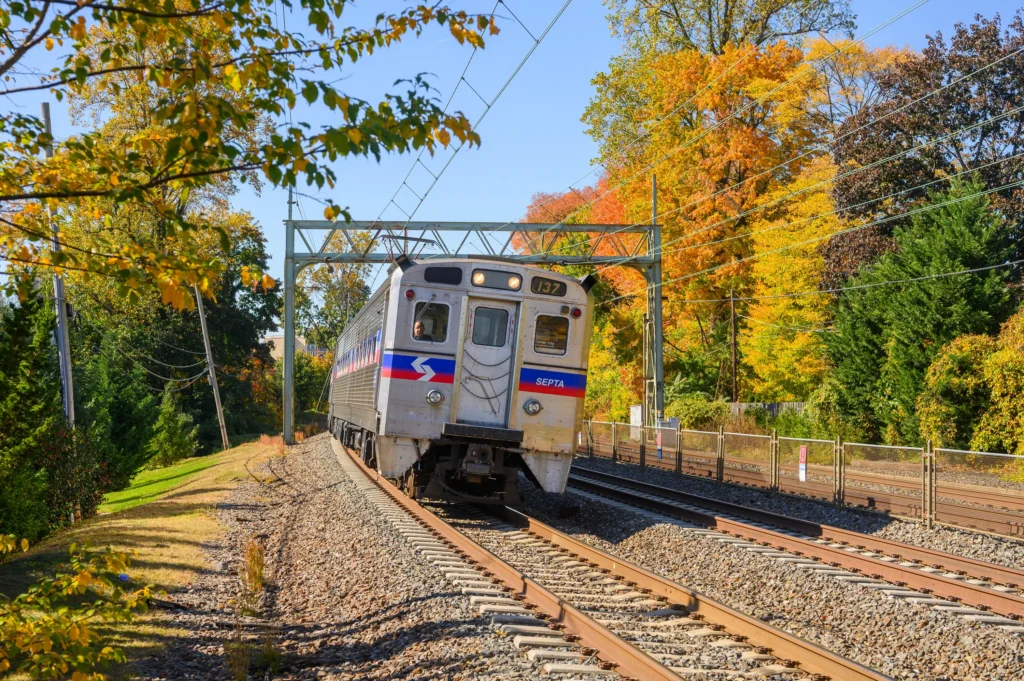
FELA vs. Worker’s Comp: What Qualifies as an FELA Claim?
One of the most important questions in a railroad injury case is whether the claim belongs under a state’s workers’ compensation law or the Federal Employers’ Liability Act (FELA). he answer to this question can have a dramatic impact on…
Comparative negligence under FELA: what it means and how railroads try to shift blame
If you are a railroad worker hurt on the job, your claim usually falls under the Federal Employers’ Liability Act (FELA), not standard workers’ compensation. One of the biggest battleground issues in a FELA case is comparative negligence. Railroads often…
FELA vs. workers’ comp: the key differences railroad workers can’t afford to miss
If you are hurt working for a railroad, your claim usually is not a standard workers’ compensation case. Most railroad employees fall under the Federal Employers’ Liability Act (FELA), a federal law that works very differently than state workers’ comp.…