

Serious injuries caused by unsafe stations, platforms, and transit facilities.
Passengers and visitors can suffer serious injuries when train stations, platforms, walkways, stairs, escalators, elevators, and boarding areas are unsafe. Falls, platform-edge incidents, equipment failures, assaults, and other hazards can cause traumatic brain injuries, spinal injuries, fractures, crush injuries, permanent disability, or death. Determining why the injury occurred may require examining property conditions, maintenance records, surveillance video, inspection history, station design, security measures, and the companies responsible for maintaining the property. The central question is whether a dangerous condition or preventable safety failure contributed to the harm.
Were You Injured at a Station or Platform While Working for a Railroad?
Railroad employees injured on platforms, walkways, stations, yards, customer property, or other work locations may have rights under the Federal Employers’ Liability Act (FELA). Visit McEldrew Purtell’s dedicated railroad injury website for information about railroad falls, unsafe walking surfaces, workplace injuries, and FELA claims.
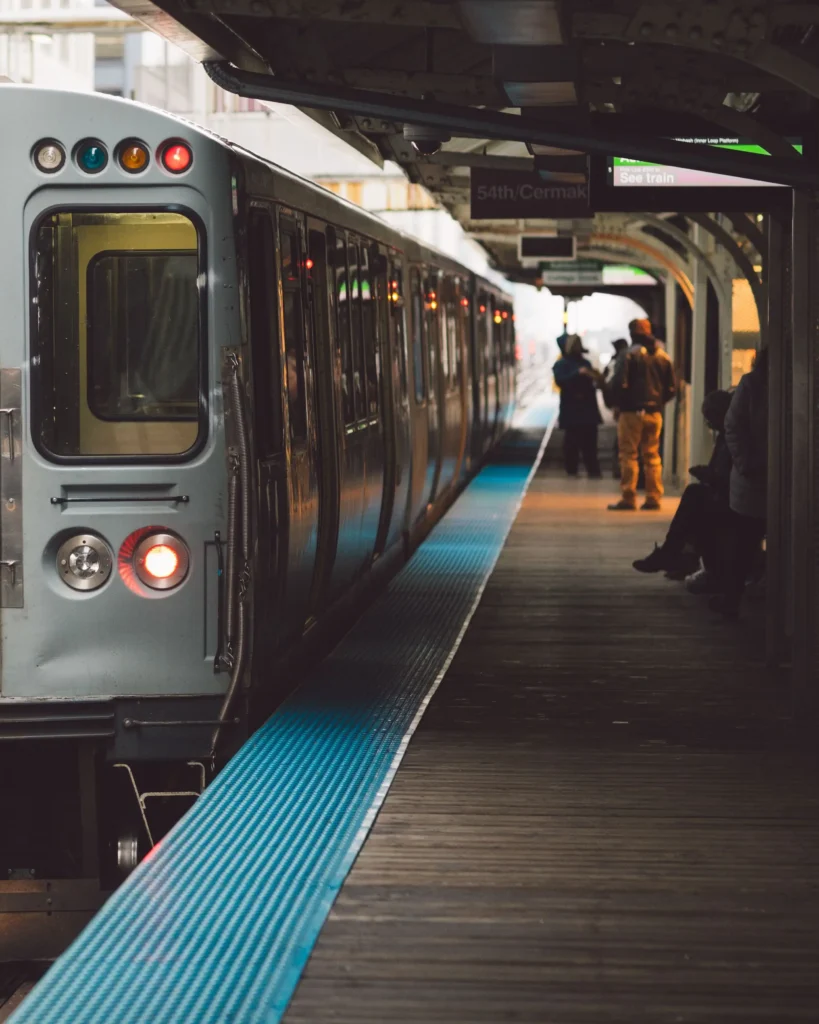

How Much Is Your Case Worth?
Who We Represent After Station & Platform Injuries
We handle cases involving:
- Passengers and transit riders injured on platforms, in stations, parking areas, walkways, escalators, elevators, or other passenger areas
- Visitors and pedestrians injured while entering, exiting, or moving through rail and transit property
- Contractors and vendors injured because of unsafe property conditions where a third party may be responsible
- Families after fatal incidents involving station, platform, or transit-property hazards
Railroad employees injured while performing their jobs should visit our dedicated railroad injury website for information about FELA and workplace injury claims.
Station & Platform Hazards That Can Cause Serious Injuries
On paper, railroads and transit agencies have detailed rules and maintenance plans for stations and platforms. In practice, serious injuries often trace back to simple, preventable conditions:
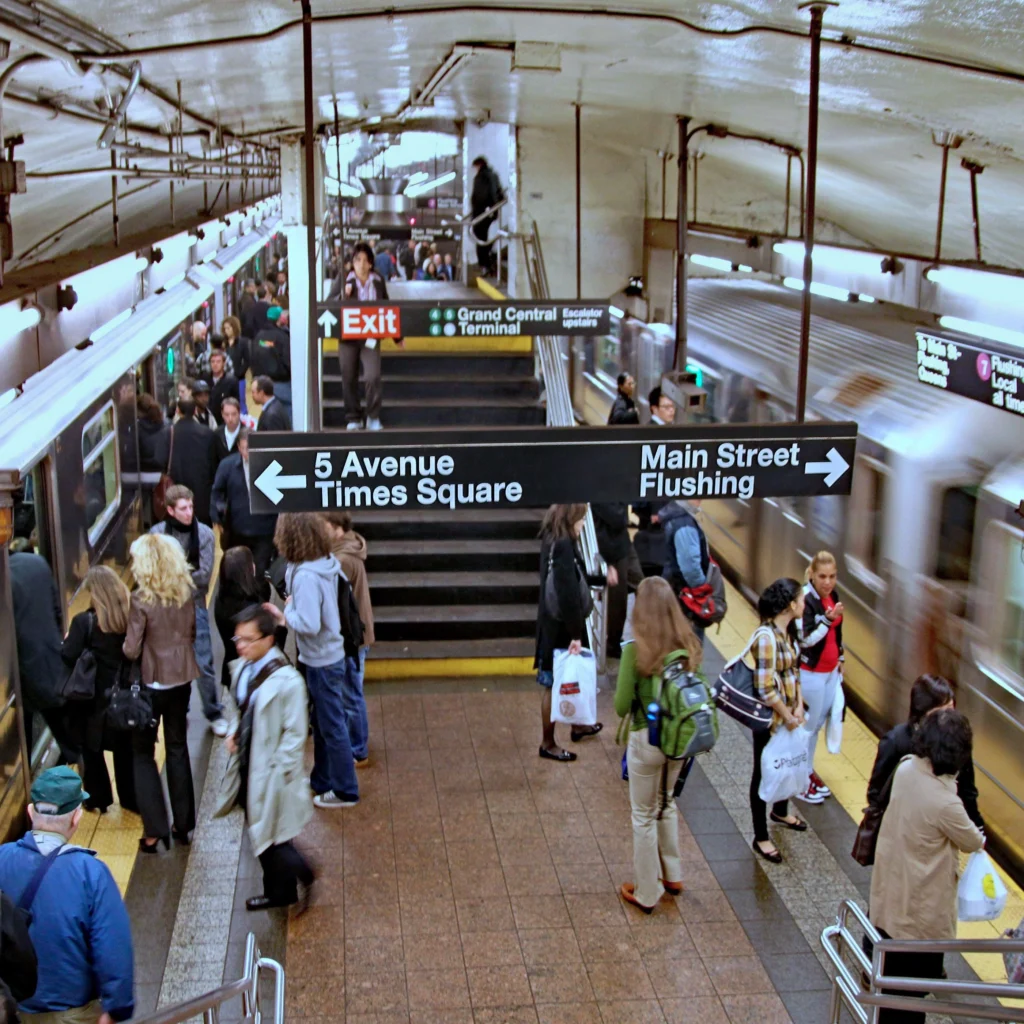
- Slips, Trips & Falls: Wet or icy platforms, snow and ice, spills, leaking roofs or pipes, cracked pavement, broken tiles, uneven walking surfaces, and debris can create dangerous conditions in areas used by passengers and visitors.
- Unsafe Platform Edges: Poorly marked edges, damaged platform surfaces, inadequate barriers, crowding, and other conditions near active tracks can increase the risk of falls or contact with moving trains.
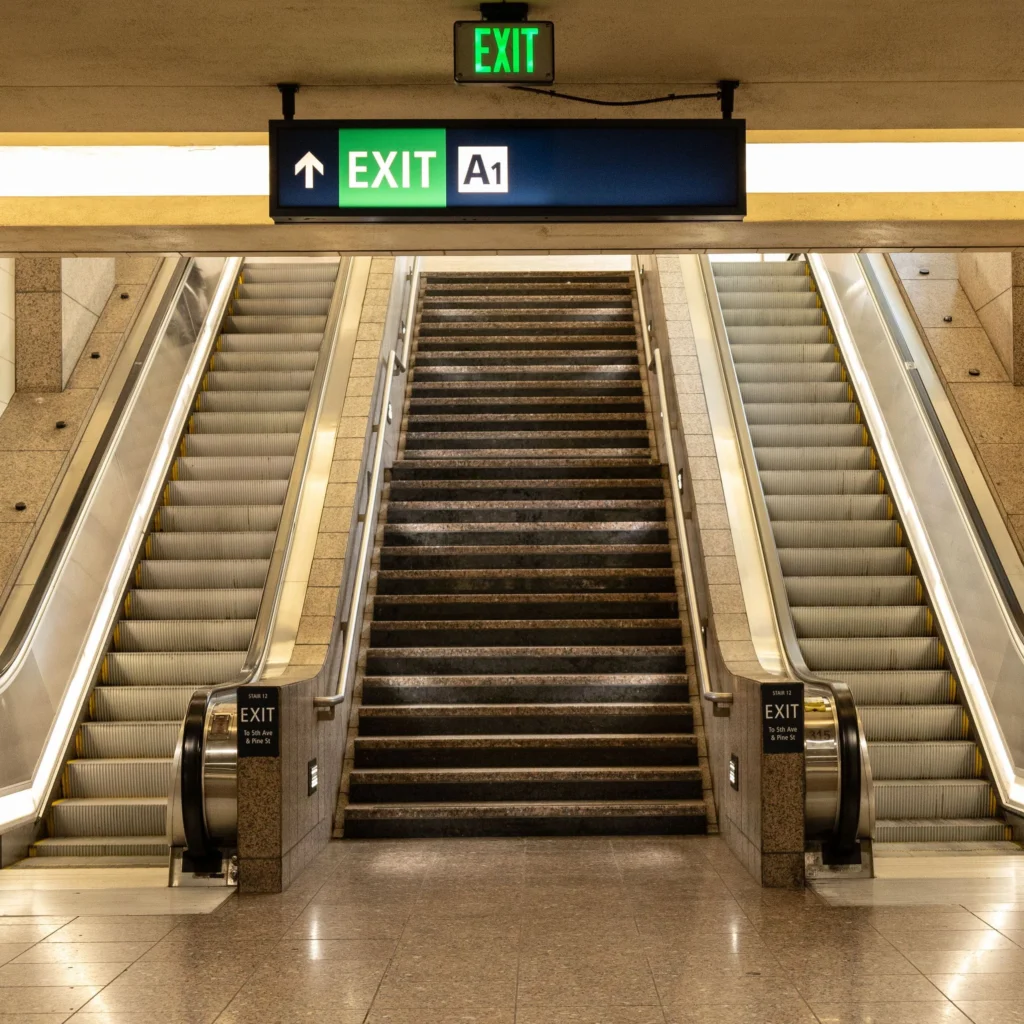
- Stairs, Escalators & Elevators: Broken steps, missing handrails, malfunctioning escalators, misleveling elevators, inadequate maintenance, and poorly lit stairways can cause serious falls and entrapment injuries.
- Falling Objects & Overhead Hazards: Loose ceiling materials, signage, fixtures, construction materials, ice, or other objects can fall onto passengers or people moving through a station.
- Vehicle & Pedestrian Conflicts: Station entrances, parking areas, drop-off zones, bus areas, and access roads can become dangerous when traffic patterns, barriers, markings, or pedestrian routes are poorly designed or maintained.
- Inadequate Lighting & Visibility: Poor lighting can make platform edges, steps, uneven surfaces, obstacles, and other hazards harder to see.
- Security Failures & Assaults: In some circumstances, inadequate lighting, broken access controls, malfunctioning cameras, inadequate security measures, or a history of prior incidents may become relevant after an assault or other violent event.
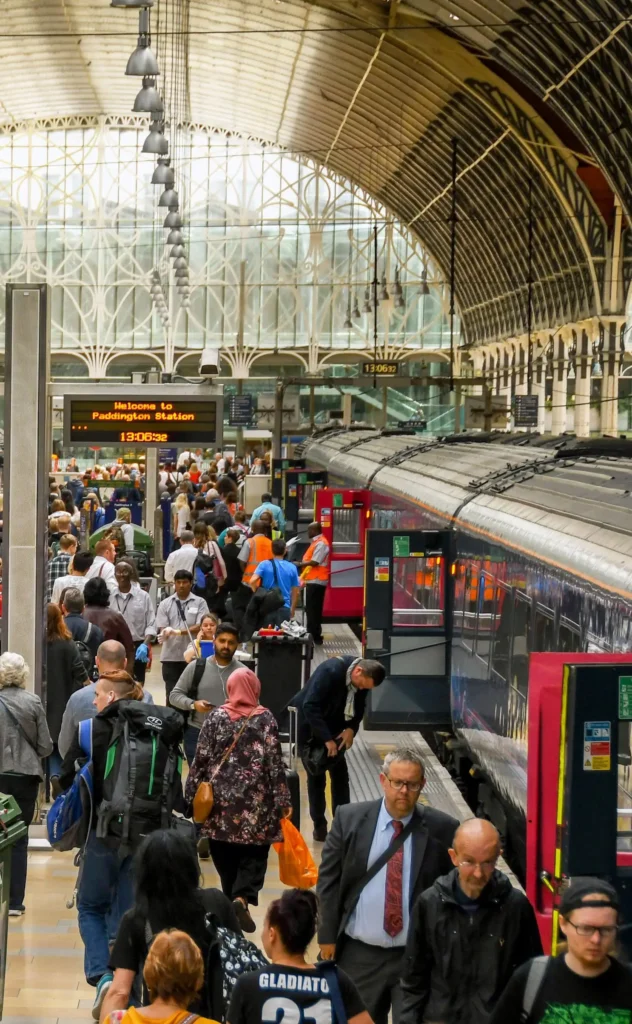
Common Station & Platform Injury Cases
Icy or wet platform falls
Snow, ice, water, spills, leaks, and other slippery conditions on platforms, stairs, entrances, and station walkways can cause serious falls.
Uneven or damaged walking surfaces
Cracked concrete, broken tiles, potholes, deteriorated platform surfaces, loose flooring, and unexpected elevation changes can create dangerous trip hazards.
Escalator, elevator & stairway injuries
Mechanical failures, sudden stops, misleveling elevators, broken handrails, deteriorated stairs, and inadequate maintenance can cause falls and entrapment injuries.
Platform-edge & track-area incidents
Crowding, poor markings, inadequate barriers, deteriorated edges, poor visibility, or unsafe platform conditions can contribute to falls near or onto active tracks.
Station security & assault cases
Serious assaults and other violent incidents may raise questions about lighting, surveillance, access controls, security practices, prior incidents, and the measures taken in response to known risks.
Parking, drop-off & pedestrian injuries
Unsafe traffic patterns, poorly maintained lots, inadequate pedestrian routes, limited visibility, and conflicts among buses, taxis, rideshare vehicles, and private vehicles can cause serious injuries around stations.
Who May Be Responsible for a Station or Platform Injury?
Depending on where and how the injury occurred, potentially responsible parties may include:
- Railroads and transit agencies responsible for operating or maintaining the station or platform
- Station and property owners responsible for the premises
- Maintenance and janitorial contractors responsible for cleaning, snow and ice removal, repairs, or inspections
- Elevator and escalator companies responsible for inspection, service, or repair
- Construction contractors performing work in or around the station
- Security companies responsible for patrols, monitoring, or access control
- Equipment manufacturers when a defective escalator, elevator, door, barrier, or other product contributed
- Other businesses or public entities that controlled the location or condition involved
Responsibility depends on who owned, operated, maintained, repaired, or controlled the part of the station involved. In some cases, several companies or public entities may need to be investigated before it is clear who was responsible for the condition that caused the injury.
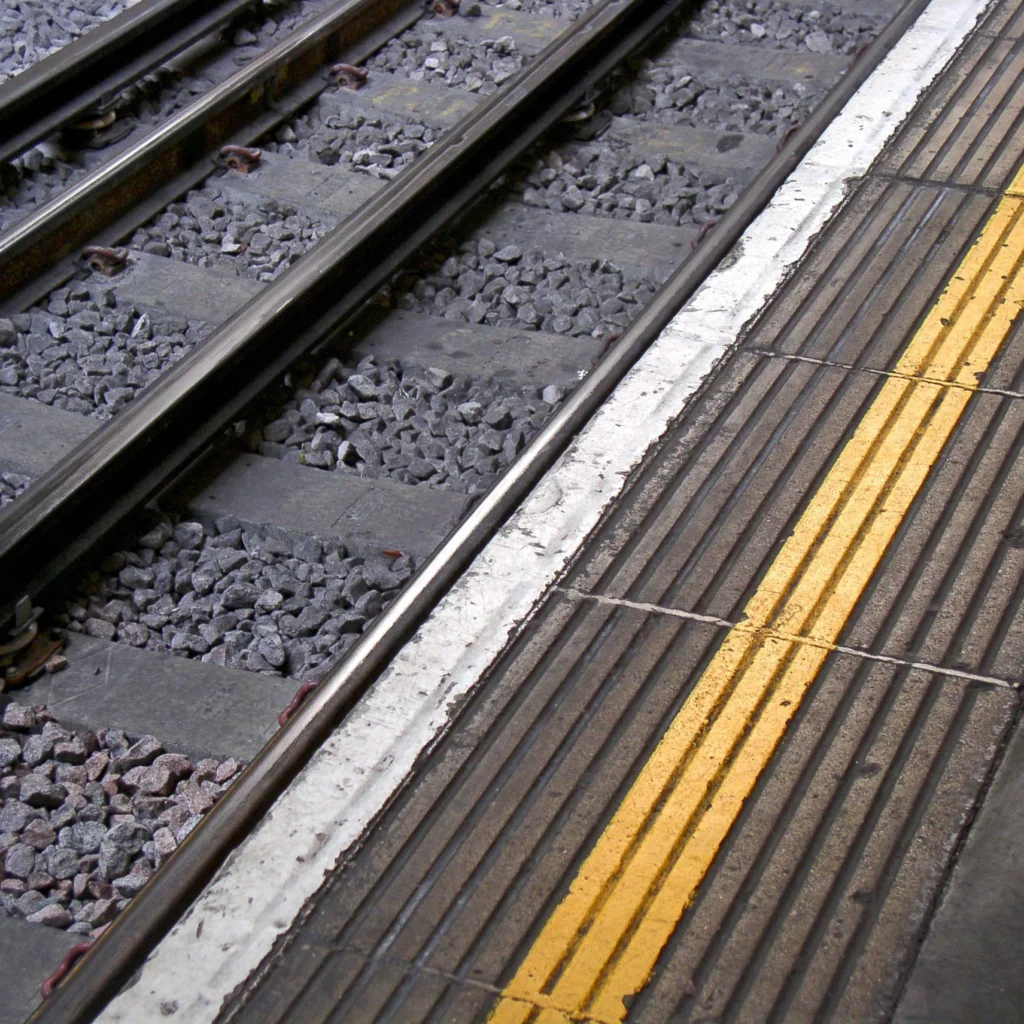
Evidence That Can Matter After a Station or Platform Injury
The condition that caused an injury can change quickly after an incident. Water can be cleaned up, snow can melt, broken surfaces can be repaired, and surveillance footage may not be kept indefinitely.
Depending on what happened, important evidence may include:
- Photographs and video of the platform, walkway, stairs, escalator, elevator, parking area, or other hazard
- Station surveillance and security-camera footage
- Inspection, cleaning, and maintenance records
- Snow and ice removal records
- Elevator and escalator service records
- Work orders and prior repair requests
- Incident and complaint records
- Lighting and security records
- Witness information
- Contracts identifying which companies were responsible for maintenance, repairs, cleaning, security, or other services
These records can help establish what condition existed, how long it may have been present, and which company or entity was responsible for addressing it.
What to Do After a Station or Platform Injury
- Get medical care. Seek prompt evaluation and document all symptoms and treatment.
- Photograph the condition. If possible, capture the exact area where the injury happened before it changes or is repaired.
- Identify the location precisely. Record the station, platform, stairway, elevator, escalator, parking area, or other location involved.
- Preserve witness information. Get names and contact information from anyone who saw the incident or the condition beforehand.
- Keep incident records. Save reports, tickets, transit records, photographs, correspondence, claim documents, and other communications.
- Preserve clothing or personal items when relevant. Shoes, damaged mobility devices, bags, or other objects may sometimes help document how an incident occurred.
- Act promptly. Surveillance footage and maintenance evidence may not be retained indefinitely, and procedural requirements can vary depending on the entities involved.
Railroad employee injured while working? See What to Do After a Railroad Injury for worker-specific guidance.
Learn More
Toxic Chemical Exposure After Train, Truck, and Warehouse Spills
A train derailment, tanker truck crash, or warehouse spill can release hazardous chemicals into the air or across a worksite within seconds. Workers, drivers, emergency responders, nearby residents, and others may be exposed by breathing in contaminated air, getting chemicals…
Railroad Toxic Exposure Claims: Cancer, Lung Disease, and Proving Workplace Causation
Railroad workers face dangers that extend far beyond traumatic injuries and derailments. For decades, railroad employees have been exposed to toxic substances capable of causing serious illnesses, including cancer, chronic lung disease, and other life-altering medical conditions. Under the Federal…
Fatal Accidents Involving Railroad Employees: What Families Should Know About Wrongful Death Claims Under FELA
A fatal railroad accident leaves families facing far more than grief. Many are suddenly dealing with lost income, unanswered questions about what happened, and pressure from railroad investigators before they fully understand their rights. If a railroad employee is killed…
FELA vs. Worker’s Comp: What Qualifies as an FELA Claim?
One of the most important questions in a railroad injury case is whether the claim belongs under a state’s workers’ compensation law or the Federal Employers’ Liability Act (FELA). he answer to this question can have a dramatic impact on…
Comparative negligence under FELA: what it means and how railroads try to shift blame
If you are a railroad worker hurt on the job, your claim usually falls under the Federal Employers’ Liability Act (FELA), not standard workers’ compensation. One of the biggest battleground issues in a FELA case is comparative negligence. Railroads often…
FELA vs. workers’ comp: the key differences railroad workers can’t afford to miss
If you are hurt working for a railroad, your claim usually is not a standard workers’ compensation case. Most railroad employees fall under the Federal Employers’ Liability Act (FELA), a federal law that works very differently than state workers’ comp.…