

After a tragic loss at sea, families deserve answers
Maritime work can be highly dangerous, but families should not assume that fatal accidents offshore, in ports, and on navigable waters were unavoidable.
These devastating losses can leave spouses, children, parents, and dependents facing financial hardship, unanswered questions, and the sudden loss of support. Maritime laws, including statutes that apply beyond three nautical miles from shore, make these cases legally complex and fact-specific. If your family lost someone at sea, it is important to find out whether unsafe conditions, corporate negligence, vessel failures, or preventable safety violations played a role.


How Much Is Your Case Worth?
Wrongful Death on Navigable Waters Is Different
A fatal accident on a vessel, offshore platform, tugboat, barge, cargo ship, fishing vessel, or maritime worksite is not always handled like an ordinary wrongful death case. Maritime law can affect who may file a claim, where the claim may be filed, what damages may be available, and which parties may be responsible.
Depending on the facts, a maritime wrongful death claim may involve:
- The Jones Act for qualifying seamen
- General maritime law
- The Death on the High Seas Act
- The Longshore and Harbor Workers’ Compensation Act
- State wrongful death law in certain near-shore or harbor cases
- Claims against vessel owners, employers, contractors, operators, or third parties
The Death on the High Seas Act applies to deaths caused by wrongful act, neglect, or default occurring on the high seas beyond three nautical miles from the shore of the United States, and the claim is brought by the personal representative for certain surviving family members. The Jones Act allows the personal representative of a seaman who dies from a work injury to bring a civil action against the employer.
Common Fatal Maritime Accidents
Fatal maritime incidents often happen because dangerous conditions develop in high-risk environments where crews, contractors, passengers, and port workers depend on strict safety systems.
Maritime wrongful death cases may involve:
- Falls overboard
- Drowning or man-overboard events
- Vessel collisions
- Tugboat, towboat, or barge accidents
- Crane, winch, line, or rigging failures
- Fires, explosions, or fuel incidents
- Toxic chemical exposure
- Electrocution
- Confined-space incidents
- Crush injuries during loading or unloading
- Falls from heights
- Unsafe crew transfers
- Heavy equipment accidents
- Dock, terminal, or port operation failures
- Offshore oil and gas support vessel incidents
- Failure to provide timely rescue or emergency care
When Maritime Negligence May Be Involved
A fatal accident at sea should be investigated carefully. Maritime companies may point to weather, worker error, or unavoidable danger, but many fatal incidents involve preventable safety failures.
Negligence or misconduct may include:
- Unsafe vessel operation
- Failure to maintain safe equipment
- Inadequate crew training
- Understaffing or fatigue
- Poor emergency planning
- Defective rails, ladders, decks, winches, or lines
- Failure to provide proper personal protective equipment
- Lack of fall protection
- Ignored safety complaints
- Unsafe loading or cargo practices
- Failure to follow maritime safety procedures
- Delayed rescue response
- Poor communication between vessels, terminals, or contractors
- Failure to correct known hazards
Who May Be Able to Bring a Maritime Wrongful Death Claim
The right to bring a claim depends on the law that applies. Maritime wrongful death cases are highly fact-specific, and the answer may vary based on where the death occurred, whether the person was a seaman, whether the person was working, and the relationship between the deceased person and surviving family members.
Potential claimants or beneficiaries may include:
- A surviving spouse
- Children
- Parents
- Dependent relatives
- A personal representative of the estate
- Other family members allowed under the applicable law
For some harbor and longshore workers, the Longshore and Harbor Workers’ Compensation Act may apply to certain maritime employment, including longshore and harbor work, while excluding masters or members of a vessel crew.

What Damages May Be Available
Damages in a maritime wrongful death case depend on the governing statute and the facts of the loss. Some laws allow different categories of recovery than others, especially when a death occurs offshore or beyond three nautical miles from shore.
A claim may involve compensation for:
- Loss of financial support
- Loss of household services
- Funeral and burial expenses
- Medical expenses before death
- Loss of care, guidance, or support
- Pain and suffering before death, where available
- Other losses allowed under the applicable maritime law
Families should not assume that ordinary wrongful death rules control the case. Maritime law can change the available damages, the proper court, and the filing requirements.
Evidence That May Matter After a Fatal Maritime Accident
Maritime companies, vessel owners, and operators often control key evidence after a fatal incident. Families may not have immediate access to records, logs, videos, or communications that explain what happened.
Important evidence may include:
- Vessel logs
- Incident reports
- Maintenance records
- Safety manuals
- Crew training records
- Work schedules
- Watch logs
- Radio communications
- Voyage data and GPS information
- Weather and sea condition reports
- Inspection records
- Photographs or video footage
- Witness statements
- Emergency response records
- Medical records
- Prior complaints or similar incidents
- Contracts between vessel owners, operators, employers, and contractors
Preserving this evidence early can be critical. Delay may make it harder to identify responsible parties, reconstruct the incident, or prove that preventable failures caused the death. In these situations, it is wise to seek legal guidance as soon as possible. An experienced attorney can help you obtain crucial evidence quickly.


Potentially Liable Parties
More than one company or person may be responsible for a fatal maritime incident. These cases often involve overlapping business relationships between vessel owners, employers, charterers, contractors, equipment manufacturers, and port operators.
Potentially liable parties may include:
- Vessel owners
- Vessel operators
- Maritime employers
- Charter companies
- Offshore contractors
- Port or terminal operators
- Cargo companies
- Maintenance contractors
- Equipment manufacturers
- Safety contractors
- Third-party service providers
- Other vessels or operators involved in a collision
Determining liability requires a close review of contracts, operational control, safety duties, and the specific failures that led to the fatal event.ow whether the incident resulted from a sudden unavoidable event or from a chain of preventable safety failures.
Why Maritime Wrongful Death Cases Are Complex
Maritime wrongful death claims can become complicated quickly because several laws may overlap. A fatal incident may raise questions about seaman status, vessel status, navigable waters, offshore location, employer duties, and third-party negligence.
These cases can be complex because:
- Different maritime laws may apply depending on the worker’s role
- Offshore location can affect the available claim
- Vessel owners and employers may dispute responsibility
- Multiple companies may share control over the worksite
- Evidence may be located offshore, on a vessel, or in corporate records
- Maritime employers may begin their own investigation immediately
- Families may receive incomplete or conflicting information
- Strict filing deadlines may apply
A focused legal investigation can help families understand what happened and whether a wrongful death claim may be available.

What Families Should Do After a Maritime Death
After a fatal maritime accident, families should focus first on immediate needs, funeral arrangements, and support. At the same time, important legal and factual questions may need attention before evidence is lost.
Families should consider taking these steps:
- Request the official incident report when available
- Keep all communications from the employer, vessel owner, insurer, or company representative
- Save photographs, text messages, emails, and documents related to the incident
- Write down the names of witnesses or coworkers who may have information
- Avoid signing releases or settlement documents without legal review
- Request copies of medical, death, and employment records
- Preserve funeral and expense records
- Contact a maritime wrongful death lawyer before evidence disappears
Families do not need to know which maritime law applies before asking for help. That is part of the investigation.
Talk to a Maritime Wrongful Death Lawyer
A death at sea leaves families with grief, uncertainty, and urgent questions. Maritime law can make those questions harder, especially when the death occurred offshore, involved a vessel, or happened beyond three nautical miles from shore.
McEldrew Purtell helps families investigate fatal maritime accidents and determine whether negligence, unsafe vessel conditions, or preventable safety failures caused their loss. Contact us today for a free consultation.

Learn More

Company Accident Reports vs. Reality: How Maritime Investigations Uncover What Happened
Right after a maritime incident, the first story usually comes from the company. A supervisor’s write-up, an internal “safety report,” or a quick email to management can sound definitive. But those early narratives are often incomplete, shaped by limited information,…
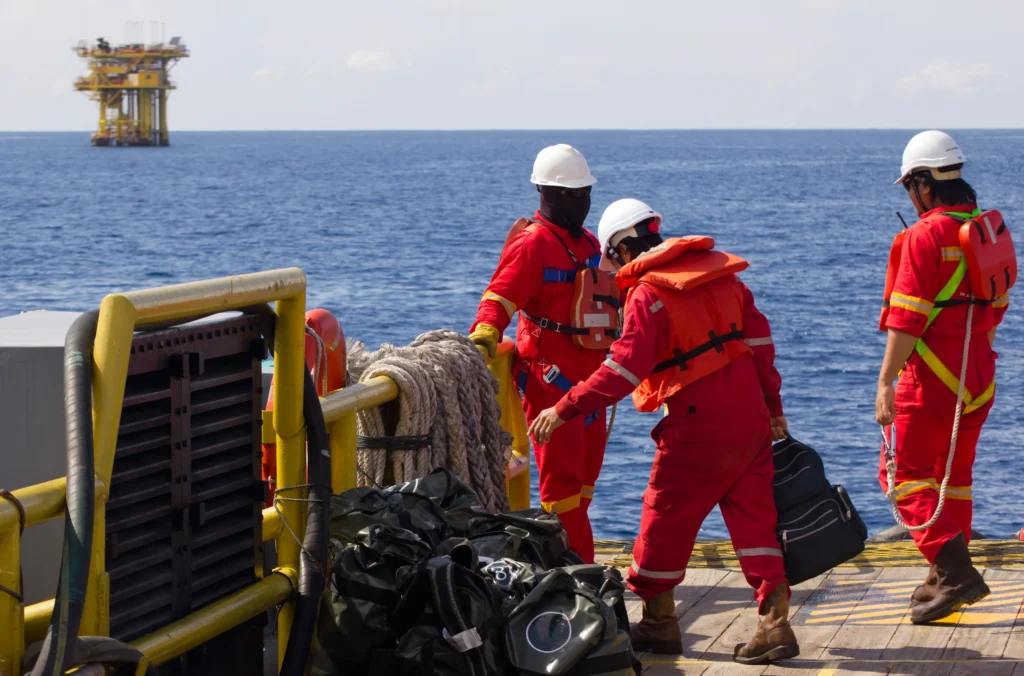
Safety Gear Failures Offshore: Harnesses, PFDs, and Fall-Protection Equipment That Didn’t Perform
Offshore work is unforgiving. When the equipment meant to keep a worker alive fails, the outcome is often catastrophic: drowning, traumatic brain injury, spinal cord damage, crush injuries, or fatal falls. These cases are especially painful because the entire point…
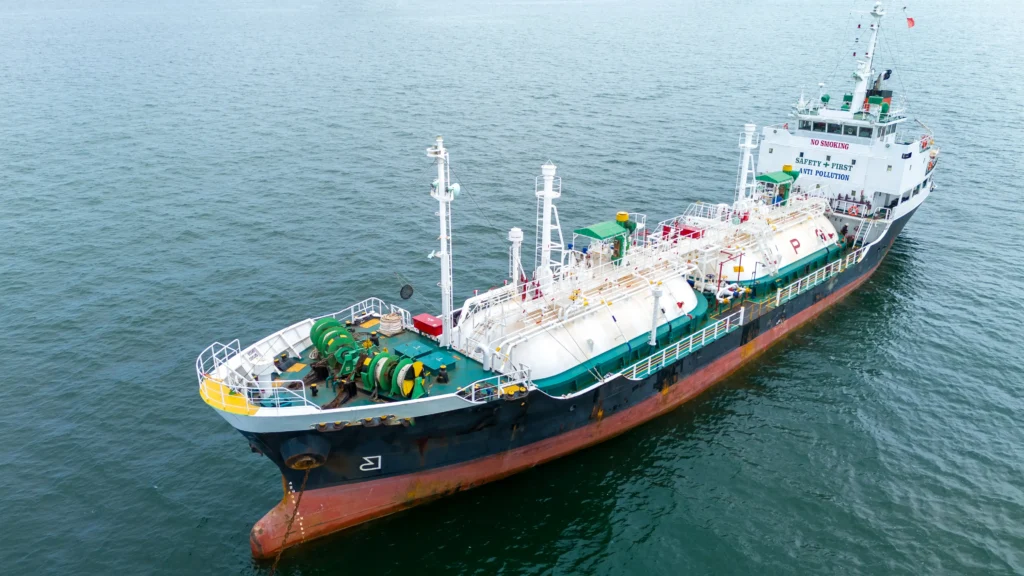
Improper Supervision on Vessels: The Overlooked Liability Driver
When a serious injury happens offshore or on a working vessel, the focus often lands on the obvious factors like rough seas, heavy equipment, or a single mistake in the moment. But in many maritime injury cases, the real driver…
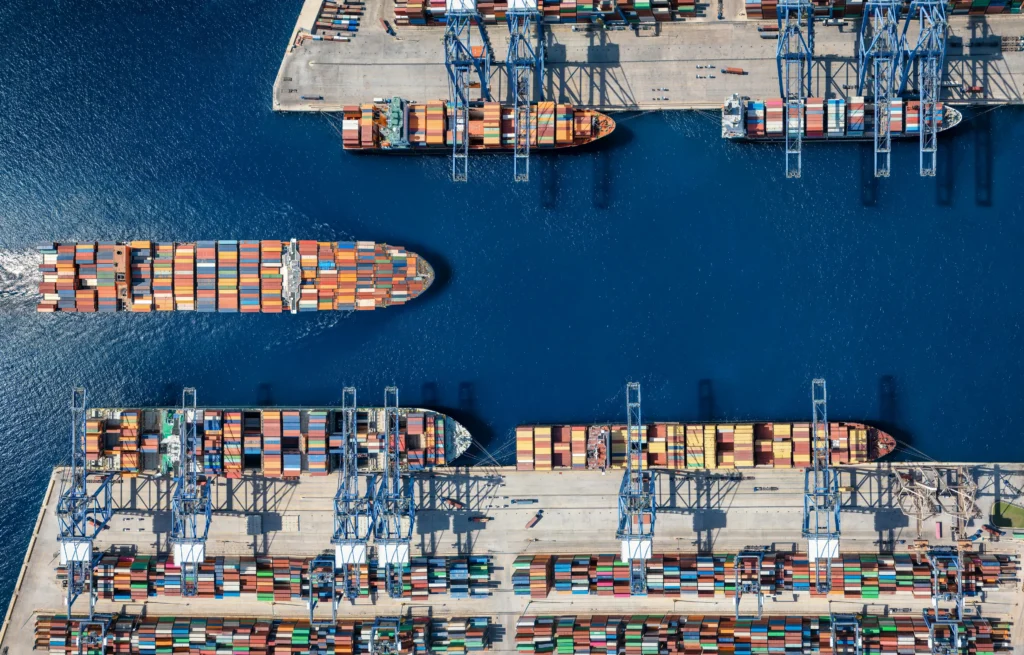
Jones Act vs. LHWCA: Which Maritime Law Applies to Your Injury?
If you are hurt working on or around the water, the first legal question is often not how bad the injury is. It is which maritime law applies. For most injured maritime workers, the answer is either the Jones Act…

Offshore Supply Vessel Injuries: Crew Transfers, Winches, Cranes, and Heavy Equipment Risks
Offshore supply vessels keep operations moving, but the same equipment that makes the job possible also creates serious injury exposure. Crew transfers in changing seas, suspended loads on deck, and pinch points around winches and cranes can turn routine tasks…

Maritime Wrongful Death: Who Can File and What Damages Are Available
Losing a loved one in a maritime incident is devastating, and the legal path forward is often more complicated than a typical wrongful death claim. Maritime cases can involve federal statutes, general maritime law, and sometimes state wrongful death laws,…