

When Offshore Vessel Work Leads to Serious Injury
Oil and gas support operations at sea can be very dangerous. Incidents can cause serious harm to offshore workers and vessel crew members. This can look like crush injuries, amputations, traumatic brain injuries, spinal cord damage, burns, drowning injuries, and death.
Coast Guard casualty investigations, Bureau of Safety and Environmental Enforcement (BSEE) safety alerts, and federal offshore reporting rules highlight the serious risks of vessel operations, crane work, personnel transfers, and material handling. If you or your family member was injured offshore, the key question is whether unsafe vessel conditions, poor planning, defective equipment, or preventable operational failures played a role.
McEldrew Purtell represents injured maritime and offshore workers in serious injury and wrongful death cases involving offshore supply vessels, tug and barge operations, crew transfers, deck operations, cranes, winches, mooring lines, and other high-risk oil and gas support work. These cases often require fast investigation because vessel records, maintenance logs, crew statements, electronic data, and equipment evidence can become harder to obtain over time.


How Much Is Your Case Worth?
What Are Offshore and Oil & Gas Support Vessel Injuries?
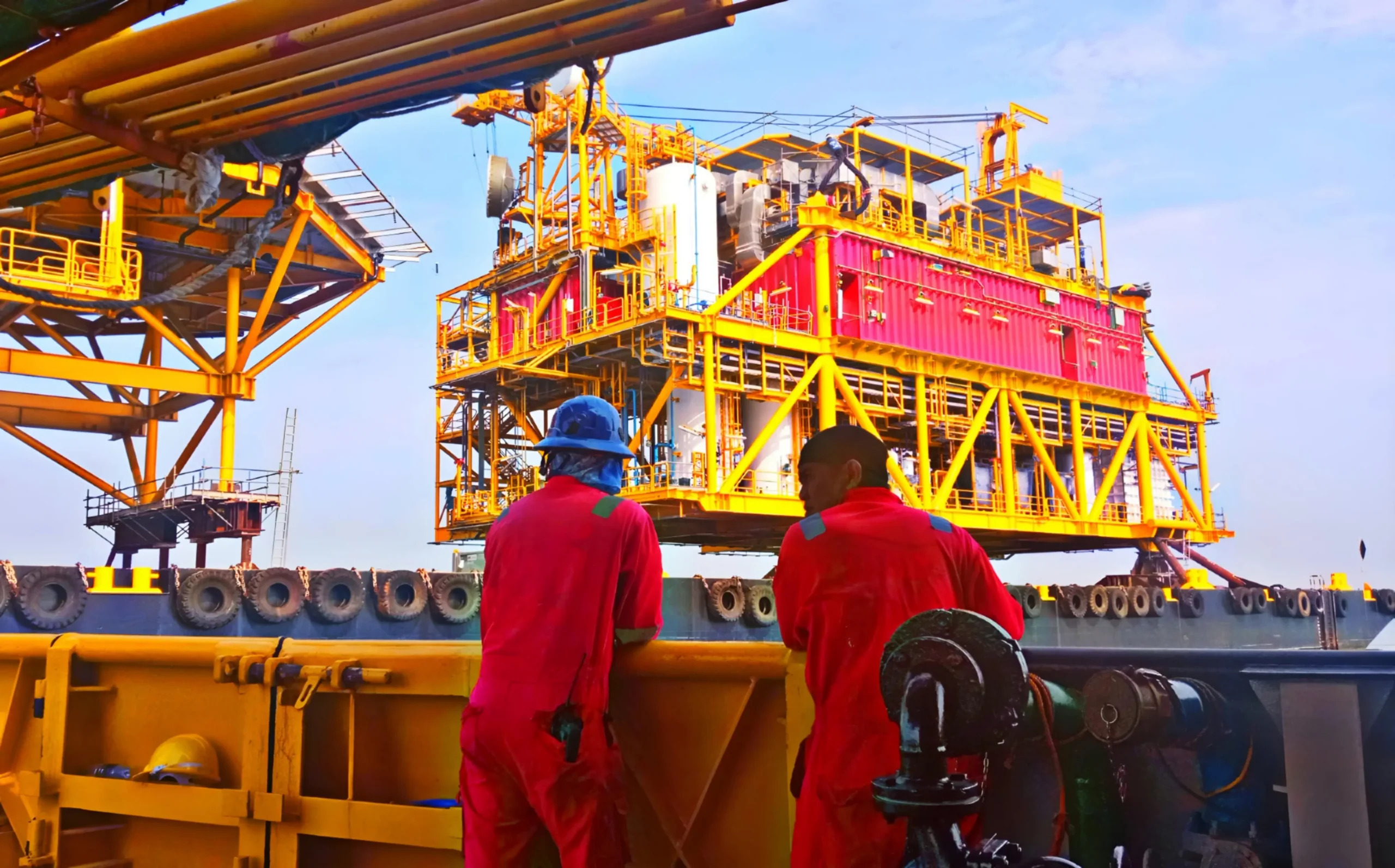
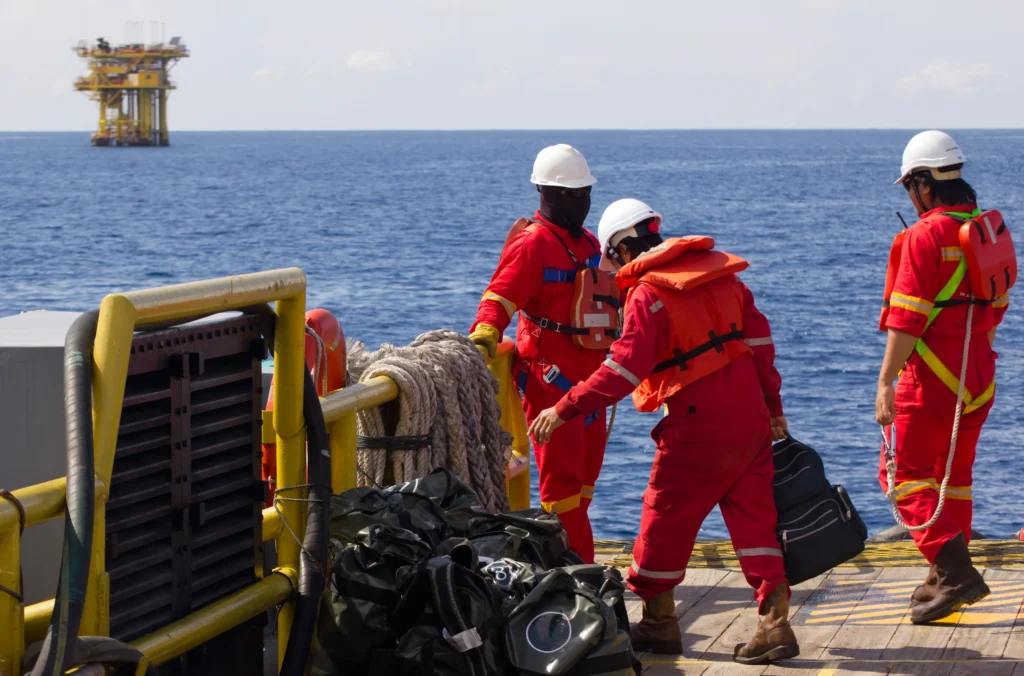
Offshore and oil and gas support vessel injuries happen during maritime work connected to drilling, production, construction, maintenance, transportation, and logistics. These incidents may occur aboard offshore supply vessels, crew boats, lifeboats, tugboats, barges, anchor handling vessels, construction vessels, and other support craft.
The work often involves heavy equipment, moving loads, slippery decks, changing weather, confined work areas, fatigue, and multiple companies operating at the same time. A single unsafe decision can place deckhands, captains, engineers, crane operators, riggers, roustabouts, contractors, and other workers in danger.
Common Offshore Support Vessel Incidents
Serious offshore injury cases may involve:
- Supply vessel deck accidents
- Tug and barge incidents
- Crew transfer injuries
- Crane and lifting accidents
- Winch, cable, and line failures
- Snapback injuries from mooring lines
- Falling cargo or shifting loads
- Man-overboard incidents
- Slip, trip, and fall hazards on wet or poorly maintained decks
- Fires, explosions, or electrical hazards
- Defective vessel equipment
- Inadequate vessel maintenance
- Unsafe watchkeeping or fatigue-related errors
- Poor coordination between vessel crews, offshore platforms, and contractors
Federal offshore reporting rules specifically identify certain serious incidents, including fatalities, injuries involving lost work time or restricted work, crane or personnel/material handling incidents, and damage to safety systems or equipment.
Why Offshore Vessel Work Is So Dangerous
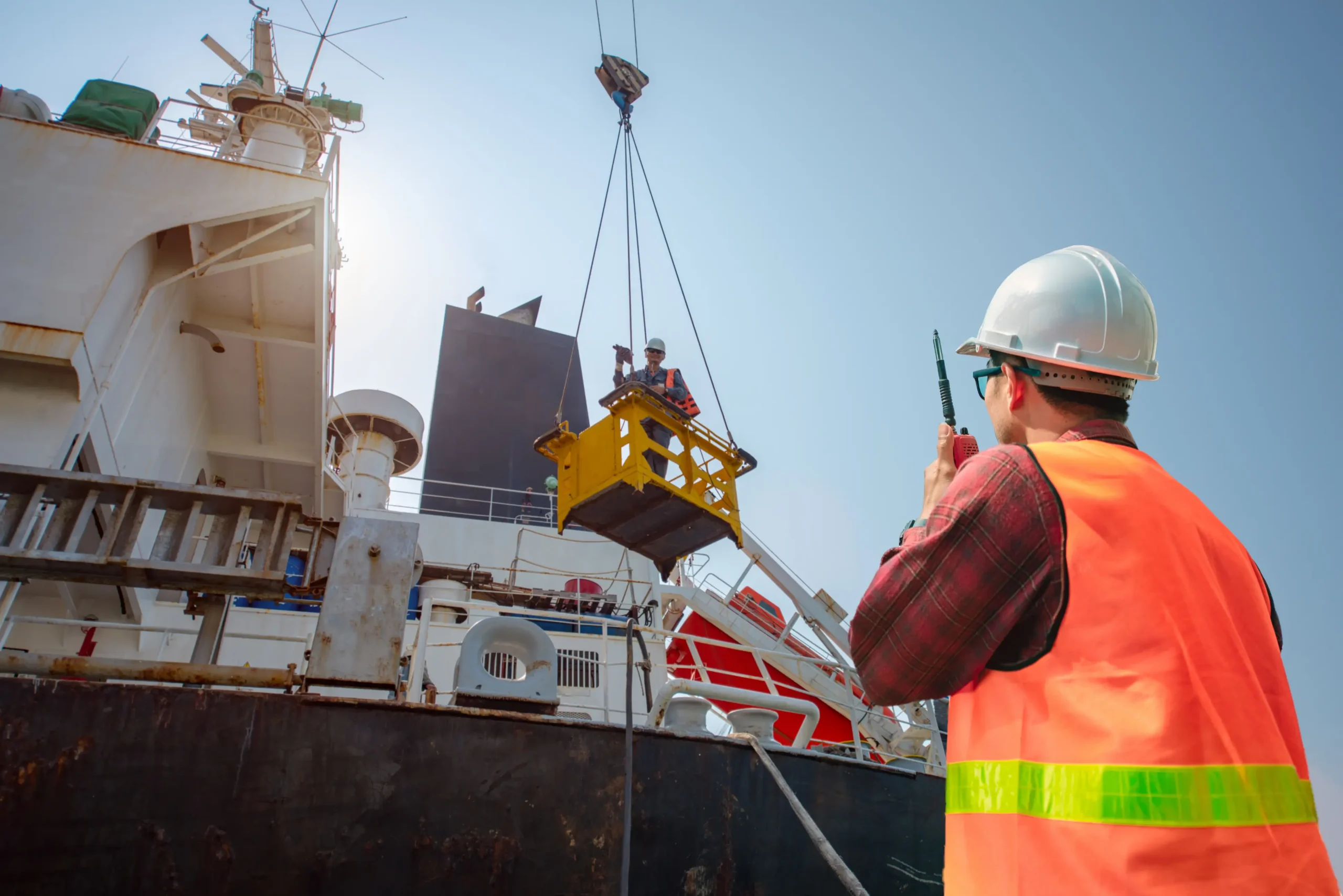
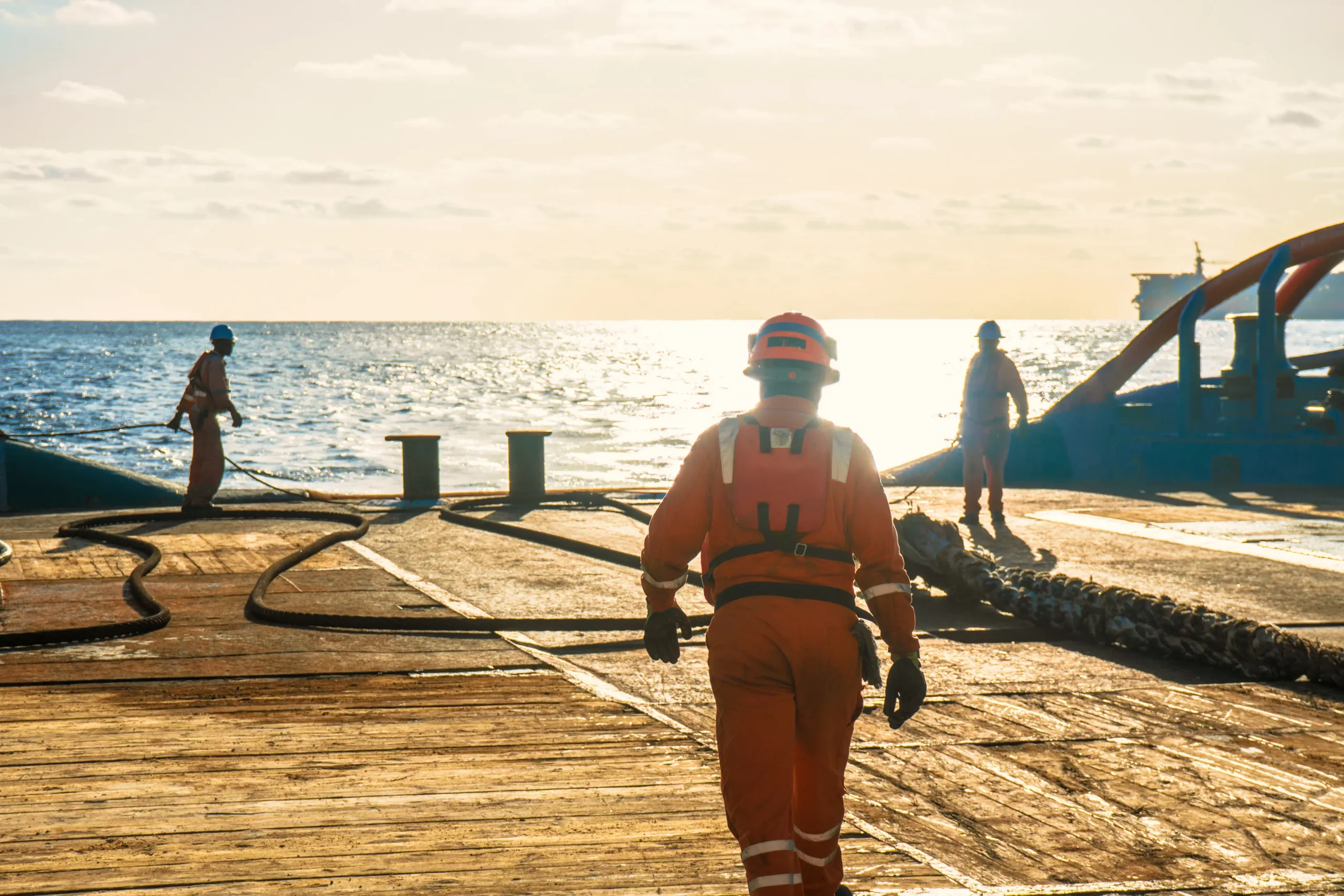
Offshore support work combines maritime hazards with industrial oil and gas risks. Workers may handle heavy cargo, connect lines under tension, operate near cranes, transfer between moving vessels and platforms, and perform urgent deck tasks in rough weather.
Danger often increases when companies rush operations, understaff crews, ignore weather conditions, use poorly maintained equipment, or fail to communicate clearly during lifts, transfers, and cargo moves. BSEE safety alerts regularly address offshore hazards involving cranes, lifting operations, weather, dropped objects, equipment maintenance, fires, and worker safety.
Injuries That May Result From Offshore Vessel Accidents
Offshore vessel incidents can cause life-changing harm. Common injuries include:
- Traumatic brain injuries
- Spinal cord injuries
- Crush injuries
- Amputations
- Broken bones
- Severe burns
- Eye and facial injuries
- Internal organ injuries
- Hypothermia or drowning-related injuries
- Electrocution injuries
- Toxic exposure injuries
- Permanent disability
- Fatal injuries
These injuries can leave workers unable to return offshore, unable to support their families, and facing long-term medical care. When an offshore incident is fatal, surviving family members may have questions about what happened and whether the death could have been prevented.

When a Maritime Injury Claim May Be Investigated
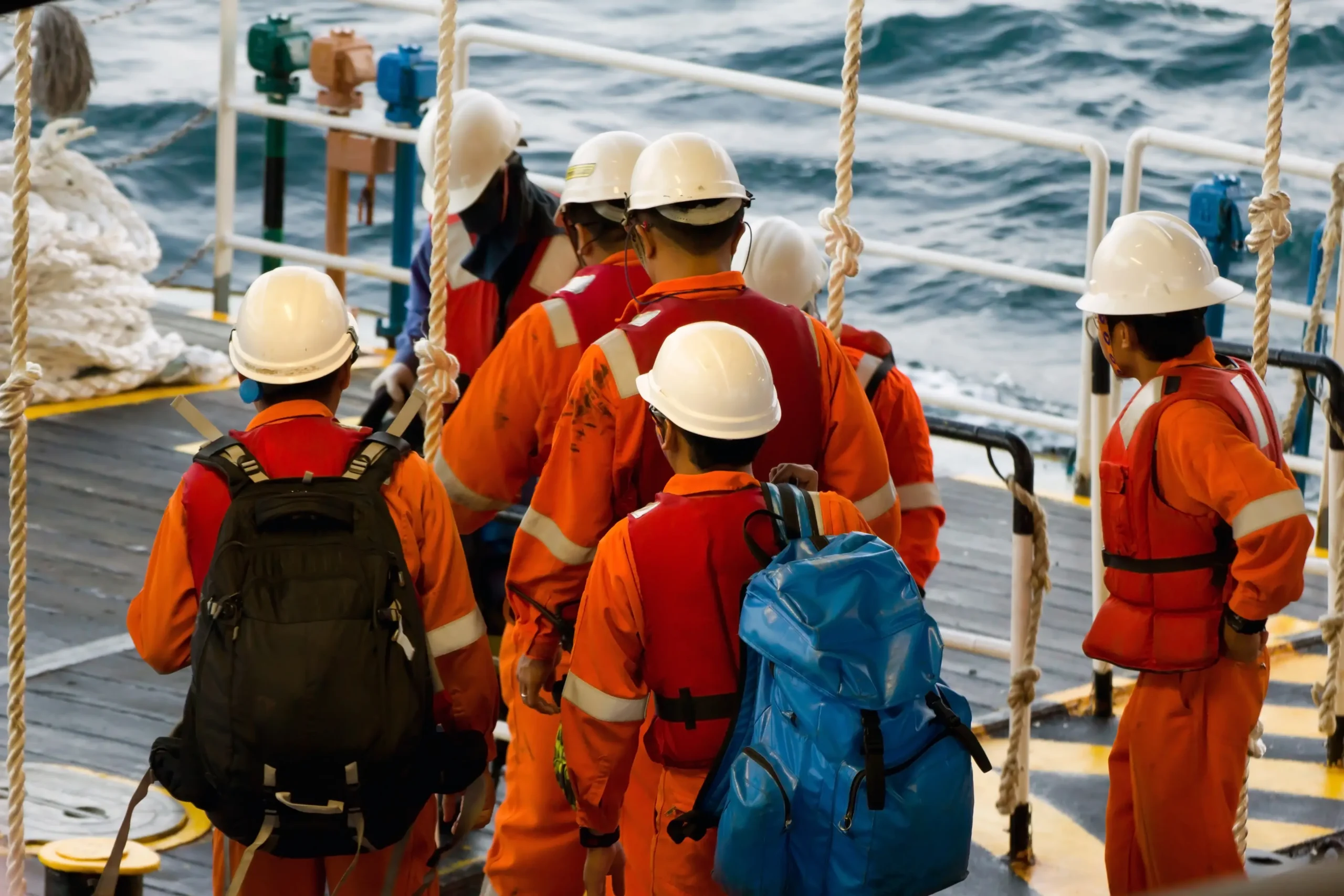
An offshore or support vessel injury claim may be investigated when unsafe conduct, defective equipment, poor maintenance, or an unseaworthy vessel contributed to the harm. Depending on the worker’s role, the vessel involved, and where the incident occurred, different maritime laws may apply.
Some injured maritime workers may qualify as seamen under the Jones Act. The Jones Act allows certain seamen to bring claims against their employers for negligence. Injured seafarers may also have rights involving maintenance and cure, which generally refers to daily living expenses and medical costs after an injury at sea.
Other claims may involve unseaworthiness, third-party negligence, defective equipment, unsafe contractor practices, or wrongful death. The correct legal path depends on the worker’s job duties, the vessel, the employer relationship, the location, and the facts of the incident.
Evidence That May Matter After an Offshore Vessel Injury
Offshore injury cases often depend on evidence controlled by vessel owners, employers, contractors, or offshore operators. Important evidence may include:
- Vessel logs
- Job safety analyses
- Permit-to-work documents
- Maintenance and inspection records
- Crane, winch, and line inspection records
- Cargo manifests and load plans
- Weather and sea condition data
- Crew schedules and fatigue records
- Training and qualification records
- Safety meeting records
- Incident reports
- Photos and video
- Witness statements
- Coast Guard or BSEE reports
- Electronic vessel data
- Equipment preservation records
Early investigation matters because offshore worksites change quickly. Vessels move, equipment gets repaired or replaced, crews rotate, and records may be difficult to locate without prompt legal action.


Who May Be Responsible?
Responsibility may extend beyond one company. Depending on the facts, potential parties may include:
- Vessel owners
- Vessel operators
- Maritime employers
- Offshore oil and gas operators
- Contractors and subcontractors
- Crane or equipment companies
- Maintenance providers
- Cargo loading companies
- Product manufacturers
- Safety management companies
Offshore operations often involve layered contracts and shared responsibilities. A careful investigation can identify who controlled the work, who owned or maintained the equipment, who trained the crew, and who had the authority to stop an unsafe operation.
Why These Cases Can Be Complex
Offshore vessel injury claims are different from ordinary workplace injury cases. They may involve maritime law, federal regulations, vessel status questions, seaman status questions, offshore energy rules, multiple defendants, and evidence located across several companies.
They can also involve competing accounts of what happened. A company may blame the injured worker, weather, another contractor, or an unavoidable hazard. Serious cases require a close review of the equipment, work plan, crew decisions, safety procedures, and the conditions on the vessel at the time of the incident.

What Families Should Know After a Fatal Offshore Incident
A fatal offshore incident leaves families with grief and unanswered questions. Families may receive limited information at first, especially when the incident involved multiple companies or an ongoing investigation.
A wrongful death investigation may examine whether the vessel was properly staffed, whether equipment was safe, whether the crew received adequate training, whether the operation should have been stopped, and whether emergency response failures contributed to the loss. These cases should be handled with care, urgency, and respect for the family’s need for answers.
How McEldrew Purtell Can Help
McEldrew Purtell investigates serious offshore and maritime injury cases involving support vessels, oil and gas operations, tug and barge work, crew transfers, cranes, winches, lines, and dangerous deck operations. Our attorneys work to uncover what happened, identify responsible parties, preserve evidence, and pursue accountability for injured workers and families.
We understand that offshore injuries can affect every part of a person’s life, including medical care, income, mobility, independence, and family stability. We also understand that families need clear answers after a catastrophic injury or death at sea.
If you or a loved one was seriously injured during offshore or oil and gas support vessel work, contact McEldrew Purtell for a free consultation. We can review what happened, explain what questions may need to be investigated, and help you understand the next steps without pressure or obligation.

Learn More

Company Accident Reports vs. Reality: How Maritime Investigations Uncover What Happened
Right after a maritime incident, the first story usually comes from the company. A supervisor’s write-up, an internal “safety report,” or a quick email to management can sound definitive. But those early narratives are often incomplete, shaped by limited information,…
Safety Gear Failures Offshore: Harnesses, PFDs, and Fall-Protection Equipment That Didn’t Perform
Offshore work is unforgiving. When the equipment meant to keep a worker alive fails, the outcome is often catastrophic: drowning, traumatic brain injury, spinal cord damage, crush injuries, or fatal falls. These cases are especially painful because the entire point…
Improper Supervision on Vessels: The Overlooked Liability Driver
When a serious injury happens offshore or on a working vessel, the focus often lands on the obvious factors like rough seas, heavy equipment, or a single mistake in the moment. But in many maritime injury cases, the real driver…
Jones Act vs. LHWCA: Which Maritime Law Applies to Your Injury?
If you are hurt working on or around the water, the first legal question is often not how bad the injury is. It is which maritime law applies. For most injured maritime workers, the answer is either the Jones Act…

Offshore Supply Vessel Injuries: Crew Transfers, Winches, Cranes, and Heavy Equipment Risks
Offshore supply vessels keep operations moving, but the same equipment that makes the job possible also creates serious injury exposure. Crew transfers in changing seas, suspended loads on deck, and pinch points around winches and cranes can turn routine tasks…
Maritime Wrongful Death: Who Can File and What Damages Are Available
Losing a loved one in a maritime incident is devastating, and the legal path forward is often more complicated than a typical wrongful death claim. Maritime cases can involve federal statutes, general maritime law, and sometimes state wrongful death laws,…