

When Routine Maritime Work Turns Catastrophic
Tugboat, towboat, and barge work is physically demanding, fast-moving, and unforgiving. Crew members handle heavy lines, shifting loads, winches, barges, decks, ladders, machinery, and moving vessels in conditions where one mistake can cause life-changing harm.
Incidents can be severe, causing crush injuries, amputations, traumatic falls overboard, drowning, brain injuries, spinal trauma, and death. When a routine job turns catastrophic, you and your family deserve to know whether unsafe equipment, poor training, an unseaworthy vessel, or a preventable safety failure played a role.
McEldrew Purtell represents injured maritime workers and families after serious tugboat, towboat, and barge catastrophes. We investigate what happened, identify responsible parties, and help families understand their legal options after devastating harm.
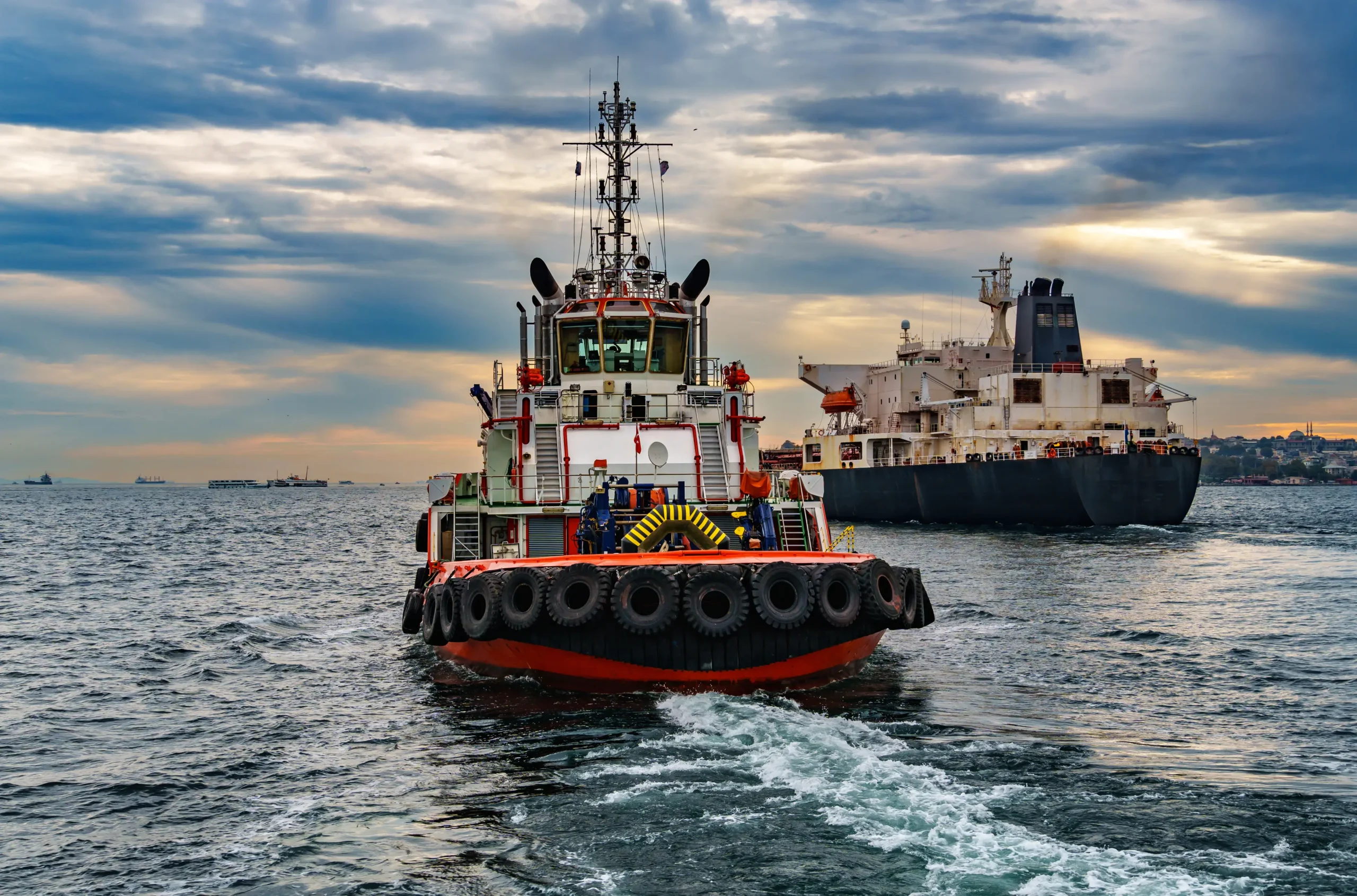

How Much Is Your Case Worth?
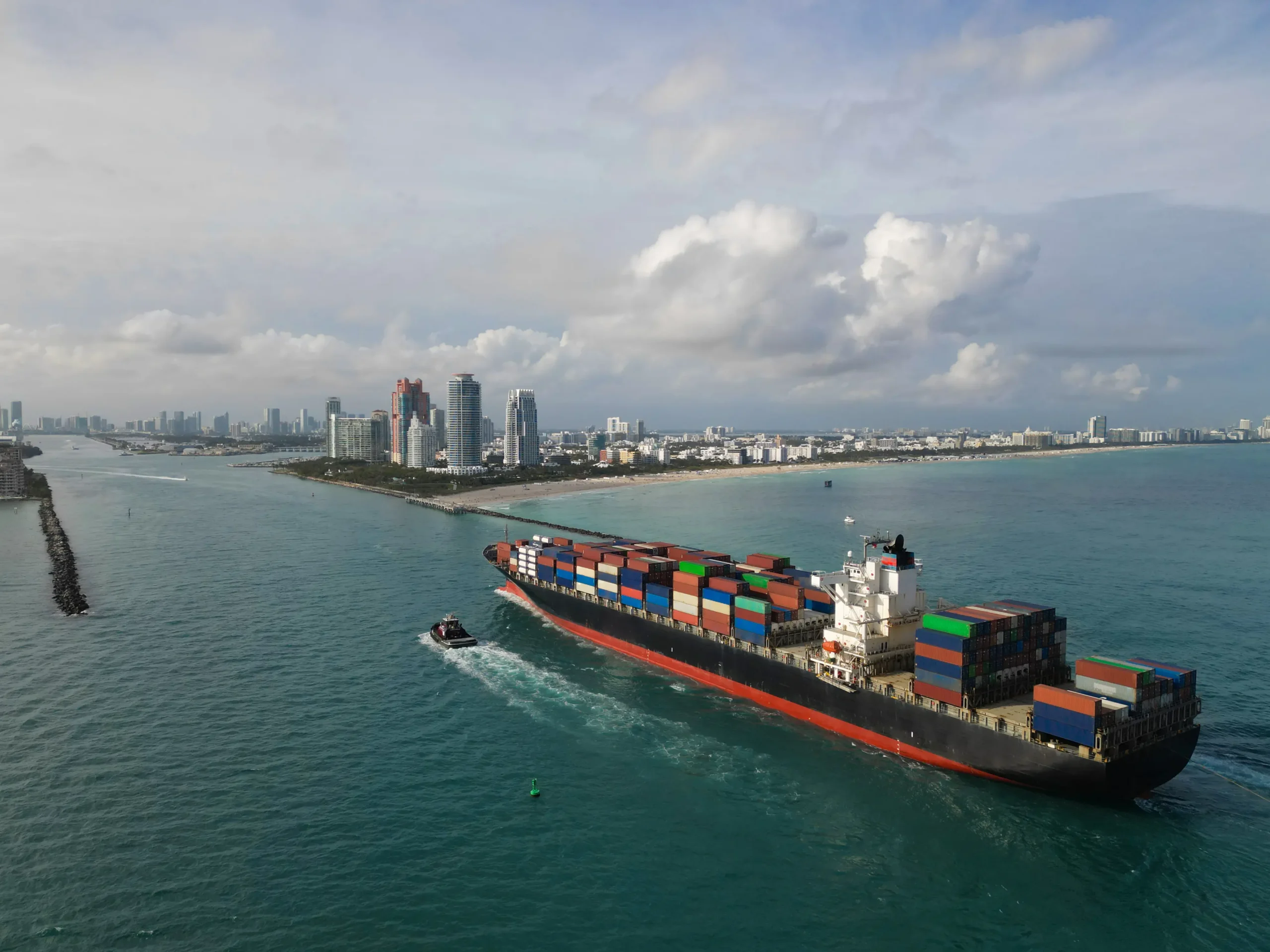
What Are Tugboat, Towboat & Barge Catastrophes?
Tugboat, towboat, and barge catastrophes are serious maritime incidents involving towing vessels, barges, push boats, harbor tugs, inland towboats, and related marine operations. These events can occur on rivers, ports, harbors, canals, offshore waters, shipyards, terminals, and industrial waterways. Vessel safety rules, maritime investigations, and documented towing hazards have kept these dangers in focus across the industry.
These cases often involve:
- Crush injuries between vessels, barges, docks, or fixed structures
- Amputations caused by lines, winches, capstans, machinery, or cargo
- Falls overboard during transfers, deck work, or barge movement
- Line snap-back events during towing, mooring, or shifting operations
- Towing casualties involving collisions, allisions, groundings, or capsizing
- Slips, trips, and falls on wet, cluttered, icy, or poorly maintained decks
- Drowning or near-drowning incidents
- Fatal injuries during high-risk deck operations
These incidents are rarely simple. A catastrophic maritime injury may involve a variety of factors, such as vessel condition, company safety culture, crew training, weather, communications, navigation decisions, fatigue, equipment maintenance, and the coordination between multiple companies.
How Tugboat, Towboat & Barge Injuries Happen
Catastrophic maritime accidents often happen during towing, fleeting, docking, line handling, barge transfers, deck work, cargo operations, and crew movement between vessels. When companies fail to maintain safe equipment, train crew members, inspect hazards, or follow proper procedures, workers can suffer severe injuries or lose their lives.
Towing operations require precise timing and constant communication. Crew members often work near moving lines, heavy equipment, vessel edges, open water, and powerful mechanical systems. A preventable failure can place workers directly in harm’s way.
Common causes of tugboat, towboat, and barge injuries include:
- Unsafe line handling procedures
- Defective or worn lines, wires, winches, or capstans
- Missing guards or unsafe machinery
- Poor communication between wheelhouse and deck crew
- Inadequate training for new or inexperienced crew members
- Failure to identify snap-back zones
- Slippery, uneven, or obstructed walking surfaces
- Lack of proper lighting during night operations
- Unsafe crew transfers between vessels or barges
- Fatigue from long shifts or understaffing
- Failure to provide proper personal flotation equipment
- Inadequate emergency response after a fall overboard
- Poor vessel maintenance
- Unsafe towing, pushing, or fleeting decisions
A company may describe a catastrophe as a sudden accident. A thorough investigation can show whether the incident followed earlier warning signs, ignored hazards, rushed work, poor planning, or unsafe procedures.
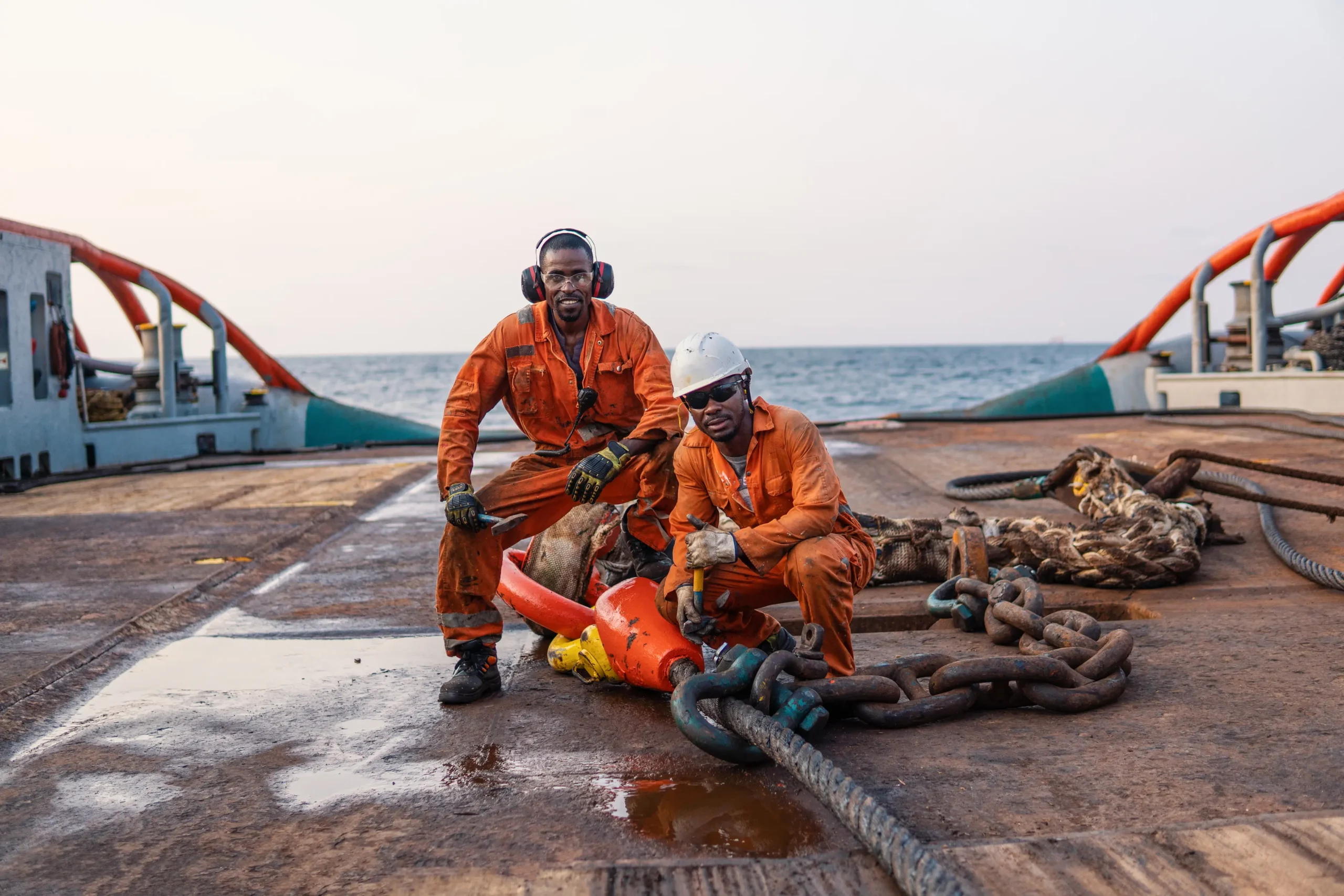
Line Snap-Back Events
Line snap-back events are among the most dangerous hazards in tugboat, towboat, and barge work. When a mooring or towing line parts under tension, it can recoil with violent force. Crew members standing in the wrong location can suffer fatal or catastrophic injuries.
Snap-back injuries may involve:
- Traumatic amputations
- Severe crush injuries
- Skull fractures
- Brain injuries
- Spinal cord trauma
- Internal injuries
- Fatal blunt-force trauma
These cases often hinge on training, supervision, line condition, deck layout, warning markings, and whether the crew had enough time and information to work safely. Employers and vessel operators must take line-handling hazards seriously.
Crush Injuries and Amputations
Maritime crush injuries can happen when a worker becomes trapped between a barge and dock, between two vessels, under shifting cargo, inside machinery, or near moving equipment. These injuries often require emergency surgery and may lead to permanent disability.
Amputations may occur when hands, arms, legs, or feet become caught in lines, winches, rollers, machinery, cargo, or pinch points. The medical consequences can include infection, nerve damage, chronic pain, prosthetic needs, additional surgeries, and long-term loss of earning capacity.
A serious crush injury or amputation case may require investigation into equipment design, maintenance records, training materials, work procedures, crew assignments, and whether safer methods were available.

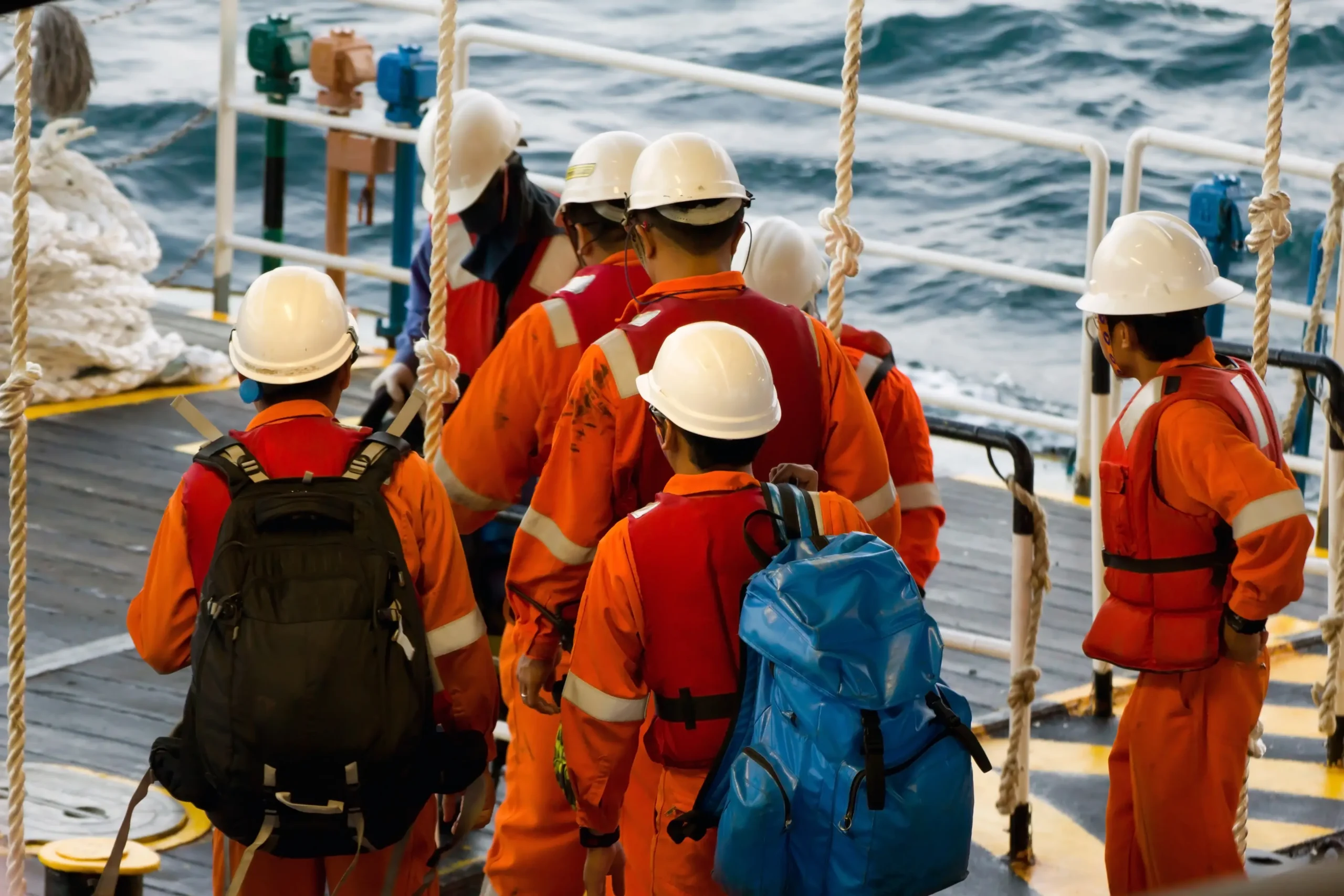
Falls Overboard and Drowning Incidents
Falls overboard can happen quickly during deck work, barge transfers, nighttime operations, poor weather, or movement between vessels. A worker who falls into the water may face cold shock, strong current, vessel traffic, propeller hazards, exhaustion, and delayed rescue.
Important questions after a fall overboard include:
- Was the worker provided proper flotation equipment?
- Were deck surfaces safe and maintained?
- Was lighting adequate?
- Were handholds, ladders, guardrails, or transfer points safe?
- Did the crew have a workable man-overboard response plan?
- Was rescue equipment available and functional?
- Did fatigue, rushing, or poor supervision contribute?
Families deserve clear answers after a drowning or near-drowning incident. These events can involve serious safety failures that are not obvious at first.
Towing Casualties and Vessel Accidents
Towing casualties can involve collisions, allisions, groundings, capsizing, breakaway barges, bridge strikes, cargo movement, and vessel instability. These events may injure crew members, dock workers, passengers, contractors, or people on nearby vessels.
Potential contributing factors include:
- Poor navigation decisions
- Unsafe speed or maneuvering
- Inadequate lookout
- Mechanical failure
- Improper tow configuration
- Weather-related decision errors
- Poor communication between vessels
- Undertrained crew
- Failure to follow company procedures
- Unsafe pressure to complete the job
A towing casualty can involve several companies, including vessel owners, operators, charterers, contractors, terminal operators, maintenance providers, and equipment manufacturers.
Who May Be Affected?
Tugboat, towboat, and barge catastrophes can harm many people involved in maritime and waterfront work, including:
- Deckhands
- Mates
- Captains and pilots
- Engineers
- Tankermen
- Harbor workers
- Barge cleaners
- Shipyard workers
- Terminal workers
- Longshore workers
- Contractors working on or near vessels
- Crew members transferring between vessels
- Families of workers killed in maritime incidents
The type of legal claim may depend on the worker’s job, where the incident occurred, vessel status, employment relationship, and the facts of the catastrophe.
When a Maritime Injury Claim May Be Investigated
A legal claim may be investigated when a catastrophe was caused by unsafe work practices, defective equipment, poor vessel maintenance, inadequate training, or another preventable failure.
Depending on the facts, a case may involve issues such as:
- Jones Act negligence
- Unseaworthiness
- Maintenance and cure disputes
- Wrongful death
- Product liability
- Third-party negligence
- Unsafe premises or terminal conditions
- Contractor or staffing agency negligence
Not every maritime injury case follows the same legal path. The correct claim depends on the worker’s status, the type of vessel, the location of the incident, and the parties involved.

Evidence That May Matter
Early evidence can be critical in these cases. Vessel conditions can change, equipment may be repaired, logs may be revised, and witnesses may leave the job site.
Important evidence may include:
- Vessel logs
- Incident reports
- Coast Guard or company investigation materials
- Maintenance and inspection records
- Training records
- Safety meeting materials
- Crew schedules and fatigue records
- Photos or videos of the vessel, deck, lines, and equipment
- Voyage data, AIS data, GPS data, or communications records
- Weather and river condition information
- Witness statements
- Equipment manuals and manufacturer warnings
- Prior incident or near-miss reports
- Medical records and rehabilitation plans
A prompt investigation helps preserve the details that explain why the catastrophe happened.
Why These Cases Can Be Complex
Maritime operations often involve overlapping responsibilities. A vessel owner may blame the crew. An employer may blame weather. A contractor may blame another company. An equipment manufacturer may claim misuse. Meanwhile, the injured worker or grieving family is left searching for answers.
These cases require careful review of:
- Maritime law
- Vessel ownership and control
- Employer responsibilities
- Crew training and supervision
- Safety policies and actual jobsite practices
- Equipment design and maintenance
- Industry standards
- Medical causation
- Future care needs
- Lost income and earning capacity
- Wrongful death damages, where applicable
A serious maritime case should not be evaluated only by what the company says happened. The full record matters.


What Families Should Know After a Fatal Tugboat, Towboat, or Barge Accident
Early evidence can be critical in these cases. Vessel conA fatal maritime accident leaves families facing grief, financial uncertainty, and unanswered questions. Companies may begin their investigations immediately, often before the family has access to the vessel, witnesses, or documents.
Families should know that wrongful death claims may require close review of the worker’s maritime status, the location of the incident, the employer’s conduct, the condition of the vessel, and whether third parties contributed to the death.
A claim cannot undo the loss. It can help uncover what happened, identify preventable failures, and pursue accountability for the harm caused.
How McEldrew Purtell Can Help
McEldrew Purtell helps injured maritime workers and families investigate catastrophic tugboat, towboat, and barge incidents. We look beyond the first explanation and examine the safety decisions, equipment failures, company practices, and legal issues that may have contributed to the harm.
If you or someone you love suffered catastrophic harm in a tugboat, towboat, or barge incident, contact McEldrew Purtell for a free consultation. We can review what happened, explain what legal questions may matter, and help you understand whether unsafe equipment, an unseaworthy vessel, negligent operations, or another preventable failure may have contributed to the injury or loss.

Learn More

Company Accident Reports vs. Reality: How Maritime Investigations Uncover What Happened
Right after a maritime incident, the first story usually comes from the company. A supervisor’s write-up, an internal “safety report,” or a quick email to management can sound definitive. But those early narratives are often incomplete, shaped by limited information,…
Safety Gear Failures Offshore: Harnesses, PFDs, and Fall-Protection Equipment That Didn’t Perform
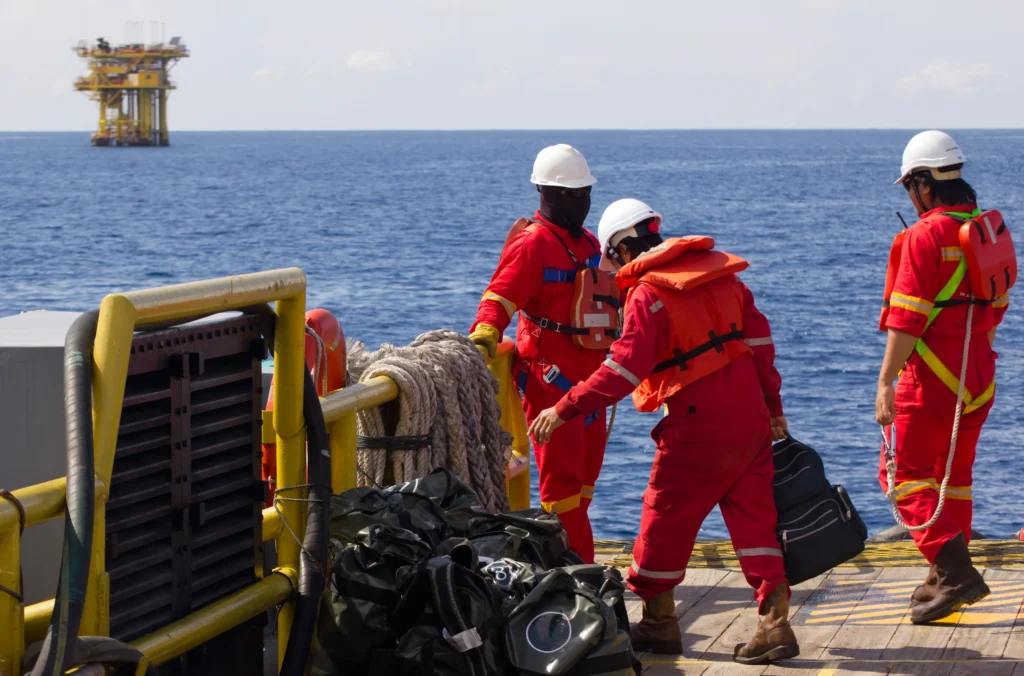
Offshore work is unforgiving. When the equipment meant to keep a worker alive fails, the outcome is often catastrophic: drowning, traumatic brain injury, spinal cord damage, crush injuries, or fatal falls. These cases are especially painful because the entire point…
Improper Supervision on Vessels: The Overlooked Liability Driver
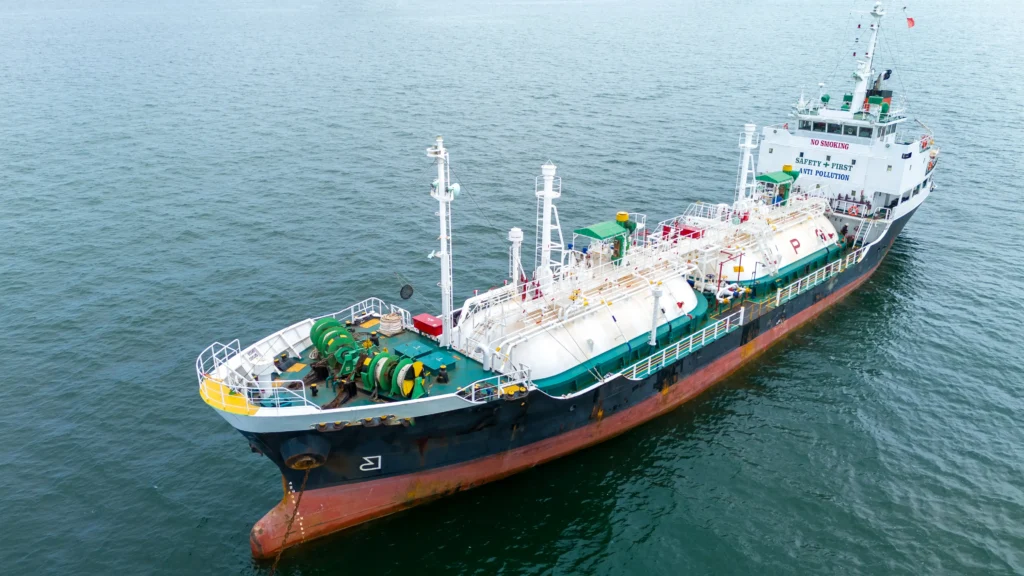
When a serious injury happens offshore or on a working vessel, the focus often lands on the obvious factors like rough seas, heavy equipment, or a single mistake in the moment. But in many maritime injury cases, the real driver…
Jones Act vs. LHWCA: Which Maritime Law Applies to Your Injury?
If you are hurt working on or around the water, the first legal question is often not how bad the injury is. It is which maritime law applies. For most injured maritime workers, the answer is either the Jones Act…

Offshore Supply Vessel Injuries: Crew Transfers, Winches, Cranes, and Heavy Equipment Risks
Offshore supply vessels keep operations moving, but the same equipment that makes the job possible also creates serious injury exposure. Crew transfers in changing seas, suspended loads on deck, and pinch points around winches and cranes can turn routine tasks…
Maritime Wrongful Death: Who Can File and What Damages Are Available
Losing a loved one in a maritime incident is devastating, and the legal path forward is often more complicated than a typical wrongful death claim. Maritime cases can involve federal statutes, general maritime law, and sometimes state wrongful death laws,…