

When smart systems fail.
Drivers, passengers, pedestrians, cyclists, and families have suffered serious harm in crashes involving autonomous vehicle technology and advanced driver-assistance systems. These crashes can cause traumatic brain injuries, spinal cord injuries, amputations, catastrophic fractures, permanent disability, and death.
Federal crash reporting rules, safety investigations, recalls, and public warnings have kept the risks of automated and driver-assistance technology in focus. If a vehicle failed to detect danger, respond properly, warn the driver, or operate as represented, your family may need answers about whether a preventable safety failure played a role.

How Much Is Your Case Worth?
Autonomous Vehicles and Driver-Assistance Failure Lawsuits
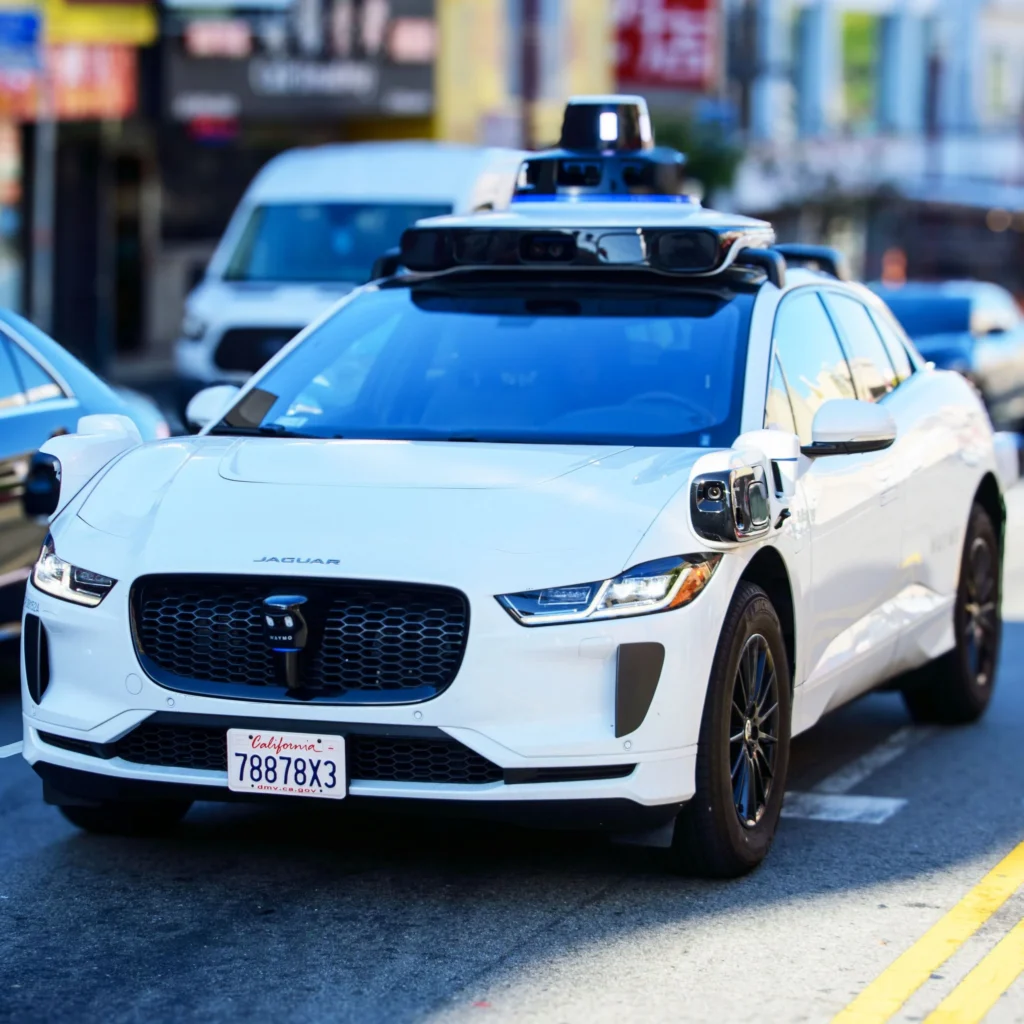
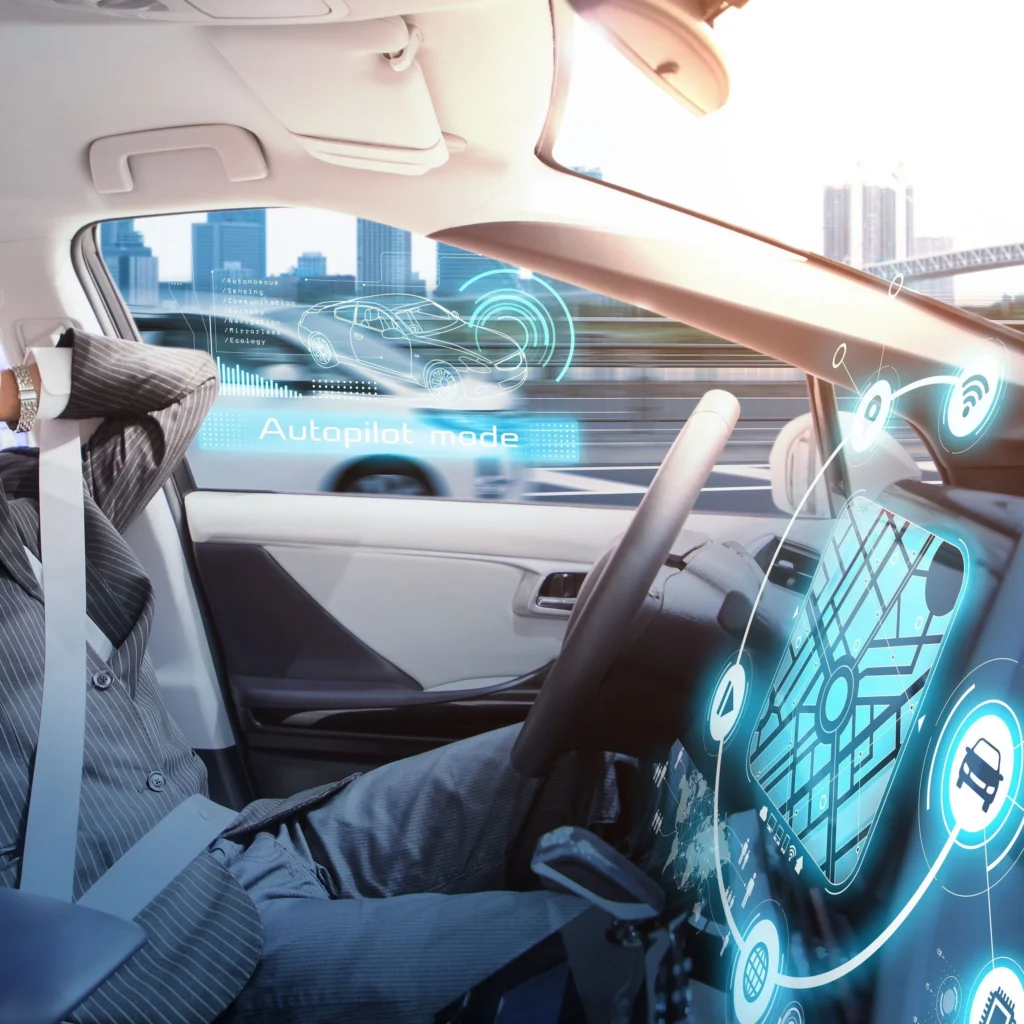
Autonomous vehicle technology and advanced driver-assistance systems are now common in cars, trucks, rideshare fleets, delivery vehicles, commercial vehicles, and test vehicles. These systems may include adaptive cruise control, lane-centering assistance, automatic emergency braking, blind spot intervention, pedestrian detection, collision warnings, traffic-aware cruise control, self-parking features, and higher-level automated driving functions.
When these technologies work properly, they can support safer driving. When they fail, the consequences can be severe. A vehicle that does not recognize a stopped truck, drifting lane line, pedestrian, cyclist, construction zone, emergency vehicle, or disabled car can create a catastrophic crash in seconds.
McEldrew Purtell represents people and families in serious product liability cases involving defective vehicles, dangerous consumer products, and preventable safety failures.
What Are Autonomous Vehicle and Driver-Assistance Failure Claims?
Autonomous vehicle and driver-assistance failure claims involve crashes where vehicle technology may have failed to operate safely or where a manufacturer may have overstated what the system could do.
These cases may involve fully automated driving systems, partial automation, or advanced driver-assistance systems that still require an attentive driver. The legal issue is not simply whether the driver made a mistake. The deeper question is whether the vehicle, software, sensors, warnings, instructions, design choices, or safety systems created a foreseeable risk of serious harm.
A claim may focus on whether the manufacturer designed the system safely, tested it adequately, warned users clearly, monitored known hazards, corrected defects, or allowed the technology to be used in conditions it could not safely handle.
Driver Assistance Is Not the Same as a Self-Driving Car
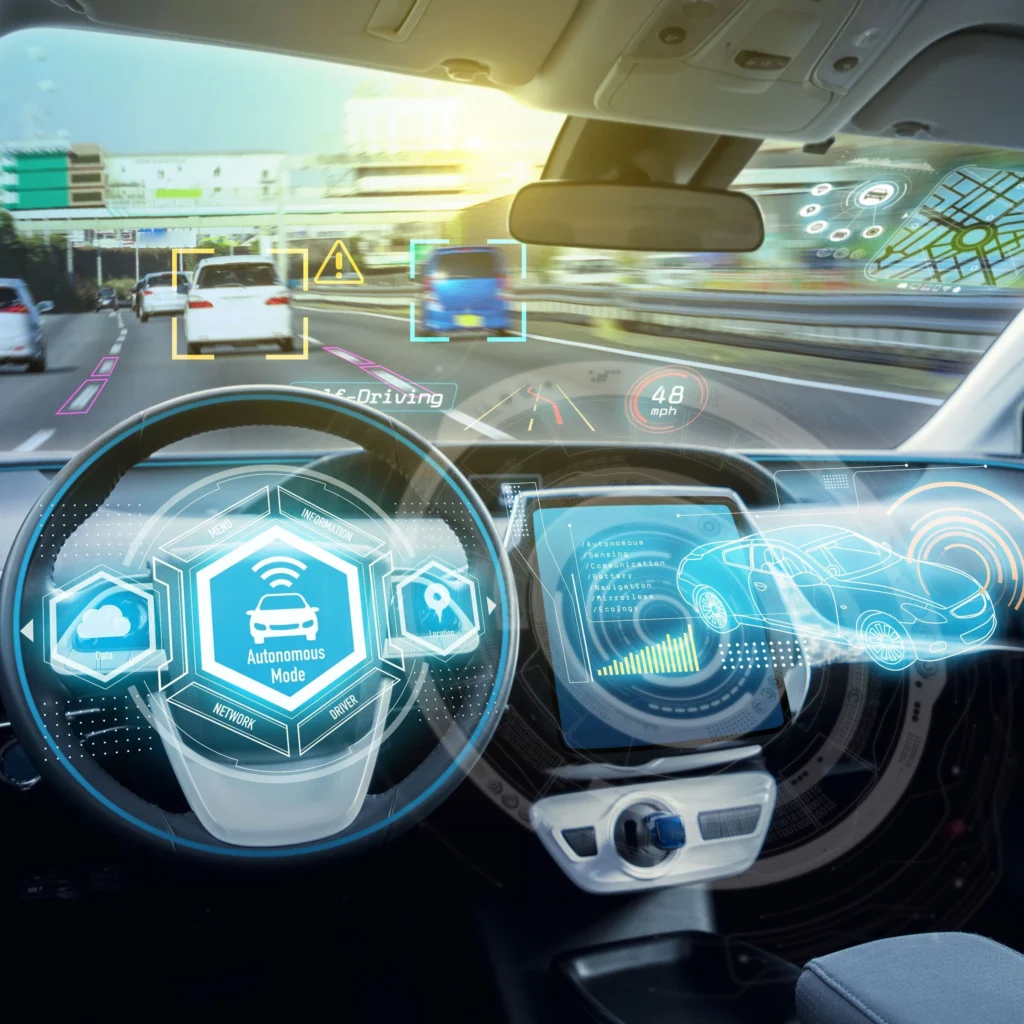
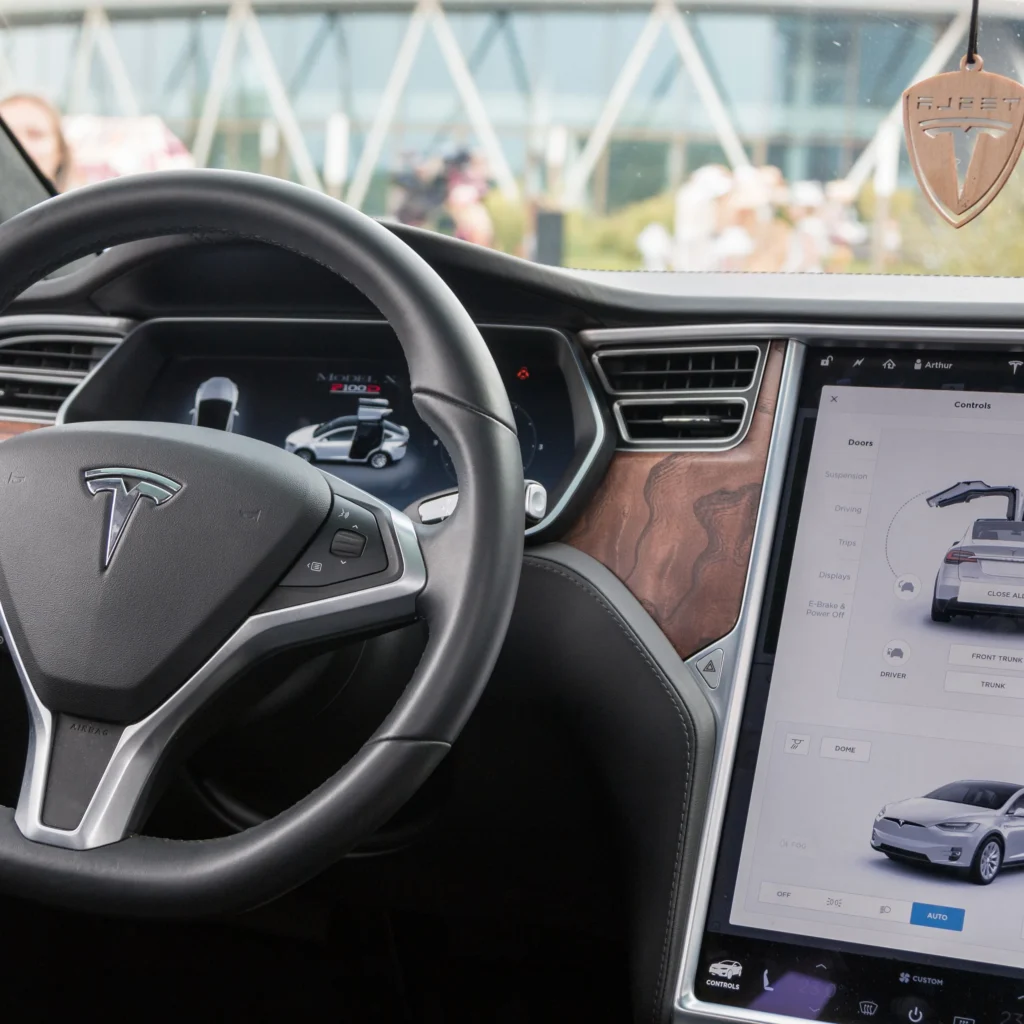
Many vehicles are marketed with terms that can make automation sound more capable than it really is. Consumers may hear phrases like autopilot, full self-driving, highway assist, hands-free driving, automated driving, or intelligent cruise control and believe the vehicle can handle more than it can.
In many consumer vehicles, these systems assist with limited tasks. They do not make the vehicle fully autonomous. The driver may still be expected to monitor the road, respond to hazards, and take control when the system reaches its limits.
That distinction matters in litigation. A manufacturer may argue that the driver was responsible for the crash. Injured people and families may need to investigate whether the system encouraged overreliance, failed to monitor driver attention, gave confusing warnings, disengaged without enough notice, or performed poorly in a foreseeable driving situation.
Common Autonomous Vehicle and ADAS Failure Scenarios
Crashes involving autonomous vehicle technology and driver-assistance features can happen in many ways. Serious cases may involve:
Failure to Detect a Vehicle, Person, or Object
A system may fail to detect stopped traffic, a crossing pedestrian, a cyclist, a motorcycle, a construction barrier, debris in the road, or an emergency vehicle. Detection failures can be especially dangerous at highway speeds or in urban areas with complex traffic patterns.
Failure to Brake or Slow Down
Automatic emergency braking or adaptive cruise control may fail to respond in time. A delayed response can cause a rear-end collision, underride crash, pedestrian impact, or multi-vehicle pileup.
Unsafe Lane Keeping or Lane Centering
Lane-assistance technology may steer the vehicle toward a barrier, adjacent vehicle, road edge, gore area, work zone, or oncoming traffic. These cases often require careful review of lane markings, road geometry, software behavior, sensor data, and driver warnings.
Sudden or Unexpected Disengagement
Some systems may disengage when conditions become difficult. If the vehicle returns control to the driver without clear, timely, and effective warnings, the driver may not have enough time to avoid a crash.
Poor Driver Monitoring
Partial automation can become dangerous when a vehicle allows the driver to stop paying attention while still requiring the driver to intervene during emergencies. Weak driver monitoring, ineffective alerts, or confusing human-machine interface design may be central issues in a claim.
Misleading Marketing or Instructions
Manufacturers have a responsibility to describe vehicle technology accurately. If advertising, manuals, in-car displays, sales materials, or software prompts made a system appear more capable than it was, those statements may become important evidence.
Software, Sensor, or Mapping Problems
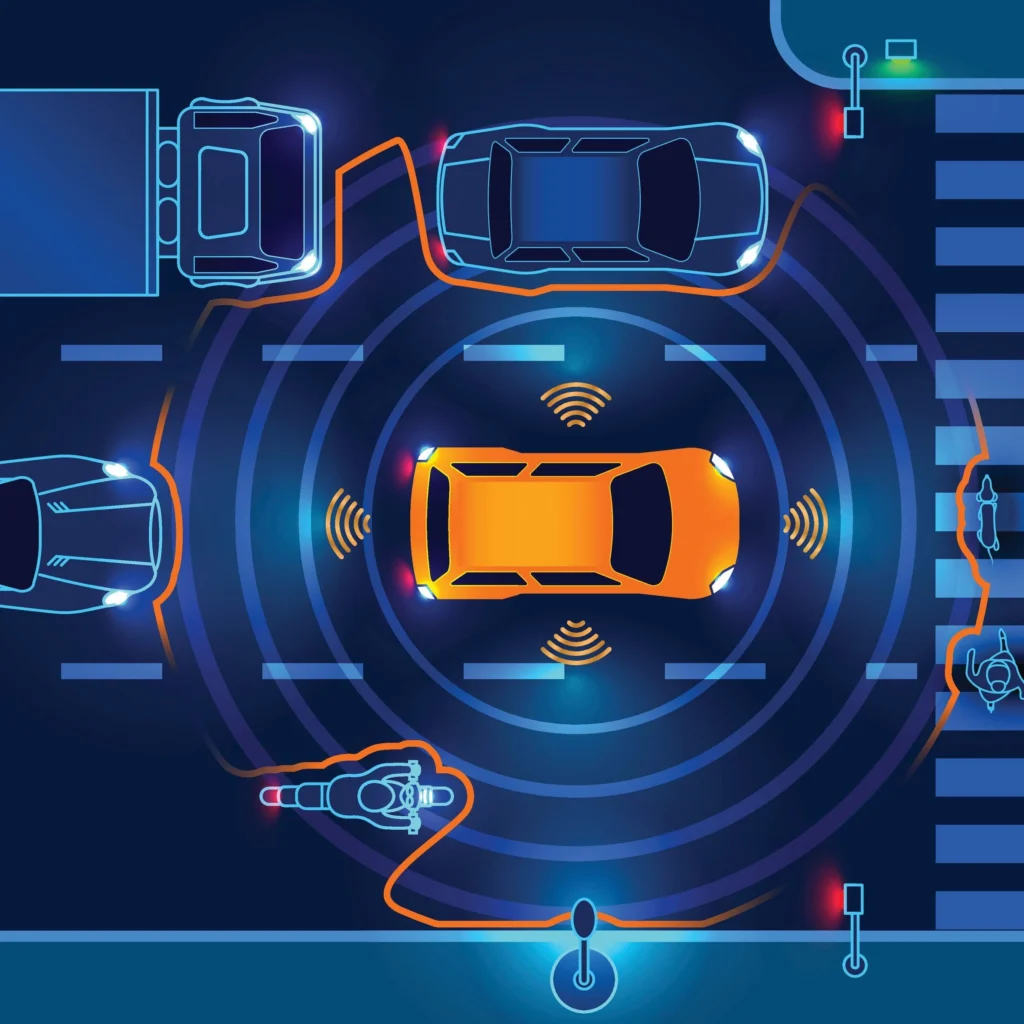
Autonomous and driver-assistance systems depend on cameras, radar, lidar, ultrasonic sensors, GPS, mapping data, onboard computers, and software. A defect in any part of that system can affect how the vehicle detects hazards, classifies objects, predicts movement, or responds to risk.
Failure to Recognize Changing Road Conditions
Some systems struggle to adapt to changing or degraded road conditions such as faded lane markings, heavy rain, snow, fog, glare, or construction zones. When a system cannot properly interpret these conditions, it may make unsafe decisions or fail to respond appropriately, increasing the risk of a serious crash.
Injuries in Autonomous Vehicle and Driver-Assistance Failure Cases
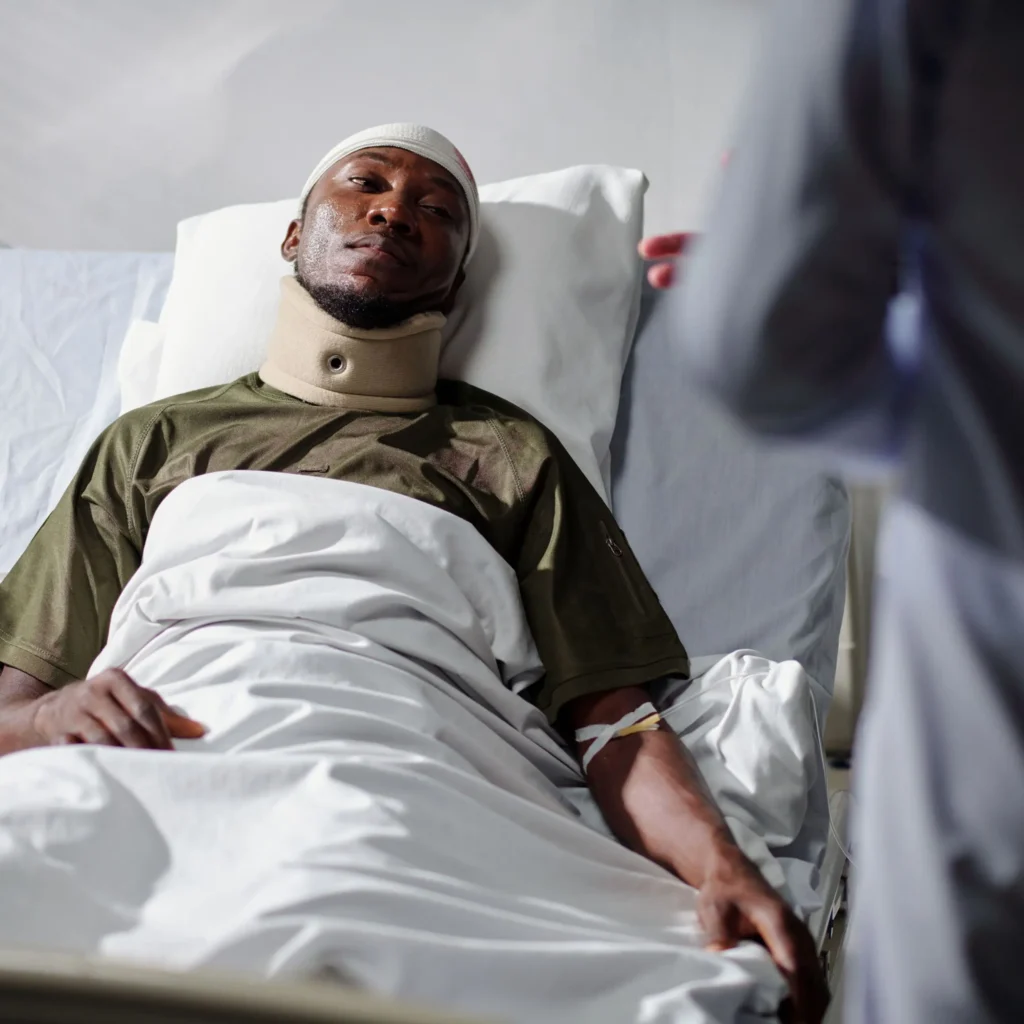
These crashes can cause life-changing injuries because they often occur at high speeds, involve vulnerable road users, or happen when no meaningful evasive action occurs. Injuries may include:
- Traumatic brain injuries
- Spinal cord injuries and paralysis
- Amputations
- Crush injuries
- Severe burns
- Internal bleeding and organ damage
- Vision or hearing loss
- Permanent nerve damage
- Wrongful death
Families may face emergency medical care, surgeries, rehabilitation, long-term disability, lost income, home modifications, and the lasting emotional consequences of a preventable crash.
When Product Liability May Be Involved
Autonomous vehicle and driver-assistance cases often fall under product liability law. A product liability claim may involve a defect in the vehicle, software, warnings, instructions, or safety design.
- Design Defects – A design defect claim may focus on whether the system was unreasonably dangerous even when manufactured as intended. These claims may involve unsafe operating limits, poor object detection, inadequate driver monitoring, dangerous handoff design, or software that performs poorly in foreseeable driving conditions.
- Manufacturing Defects – A manufacturing defect may involve a specific vehicle, sensor, camera, wiring component, processor, braking system, steering system, or related part that failed because it was built, installed, or calibrated incorrectly.
- Failure to Warn – A failure-to-warn claim may arise when a manufacturer did not clearly explain the system’s limitations, known risks, required driver attention, disengagement conditions, or situations where the technology should not be used.
- Software and Update Failures – Modern vehicles can change through over-the-air updates, software patches, data collection, and feature releases. A claim may examine whether a software version introduced a hazard, failed to correct a known problem, or was released before adequate safety validation.

Why These Cases Are Complex
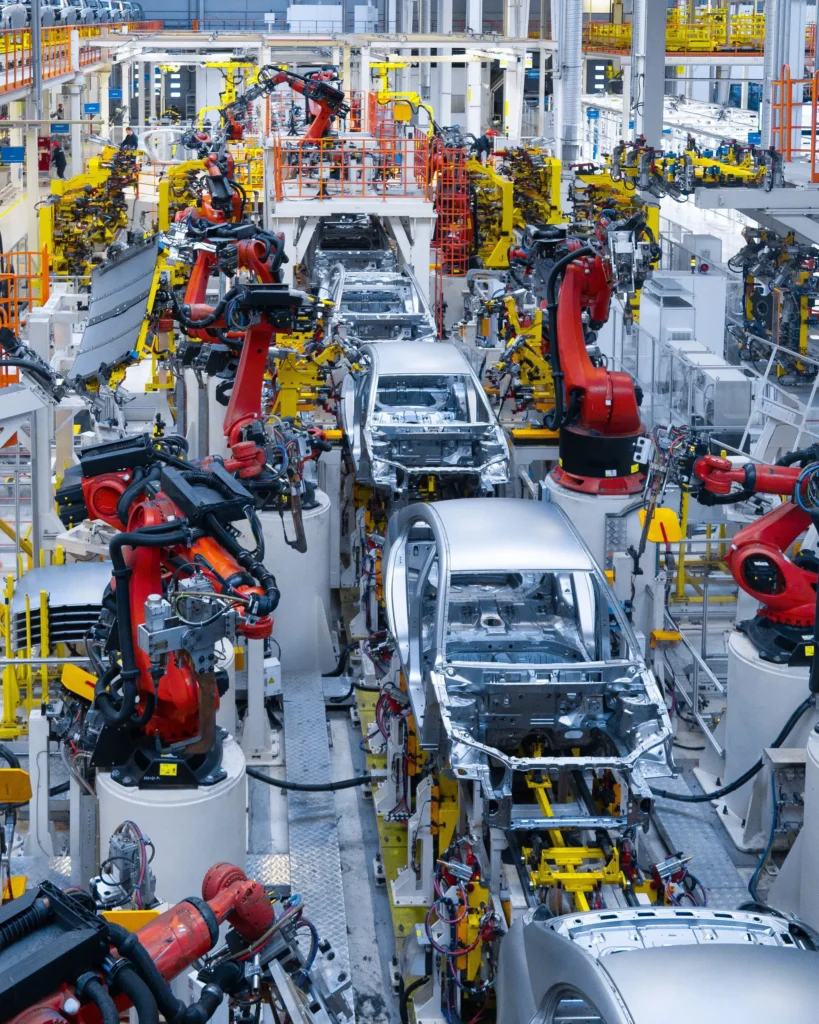
Autonomous vehicle and driver-assistance failure cases are not ordinary car accident claims. They can involve product liability law, crash reconstruction, software engineering, human factors, vehicle electronics, sensor performance, regulatory reporting, and corporate safety records.
Manufacturers may blame the driver, road conditions, weather, third parties, or misuse of the system. Those defenses must be tested against the vehicle data, system design, marketing language, warnings, known limitations, and the manufacturer’s own internal safety information.
The investigation may require experts in accident reconstruction, automotive engineering, human-machine interaction, software systems, perception technology, vehicle dynamics, and warnings. It may also require rapid action to preserve vehicle data before it is lost or overwritten.
What Families Should Do After a Serious Crash
After a serious crash involving autonomous vehicle technology or driver-assistance systems, the priority is medical care and safety. Once immediate needs are addressed, families should take steps to protect evidence.
Do not rely only on the crash report. Police reports may not identify whether a driver-assistance system was active or whether vehicle data exists. Do not assume the manufacturer will preserve all relevant information without a formal request. Do not allow the vehicle to be destroyed, transferred, or repaired without legal guidance.
Families should gather photographs, insurance documents, vehicle purchase records, app screenshots, recall notices, repair records, and any communications with the manufacturer or dealership. If the crash involved a rideshare, delivery, trucking, or fleet vehicle, additional company records may also matter.

Speak With an Autonomous Vehicle and Driver-Assistance Failure Lawyer
McEldrew Purtell investigates serious product liability claims involving unsafe vehicles, defective products, and preventable injuries. In autonomous vehicle and driver-assistance failure cases, our work may include preserving vehicle data, reviewing crash evidence, identifying responsible companies, consulting technical experts, investigating prior similar incidents, and pursuing claims against manufacturers or other liable parties.
These cases require a careful, evidence-based approach. The question is not just whether a crash happened. The question is whether the vehicle technology, warnings, software, design, testing, or corporate conduct failed in a way that caused preventable harm.
If you or someone you love was seriously injured in a crash involving autonomous vehicle technology, self-driving features, autopilot systems, automatic emergency braking, lane assistance, adaptive cruise control, or another driver-assistance feature, McEldrew Purtell can help you understand what may have happened.
Contact McEldrew Purtell for a free consultation. Our attorneys can review the facts, explain what evidence may matter, and determine whether a product liability investigation is appropriate.
Learn More
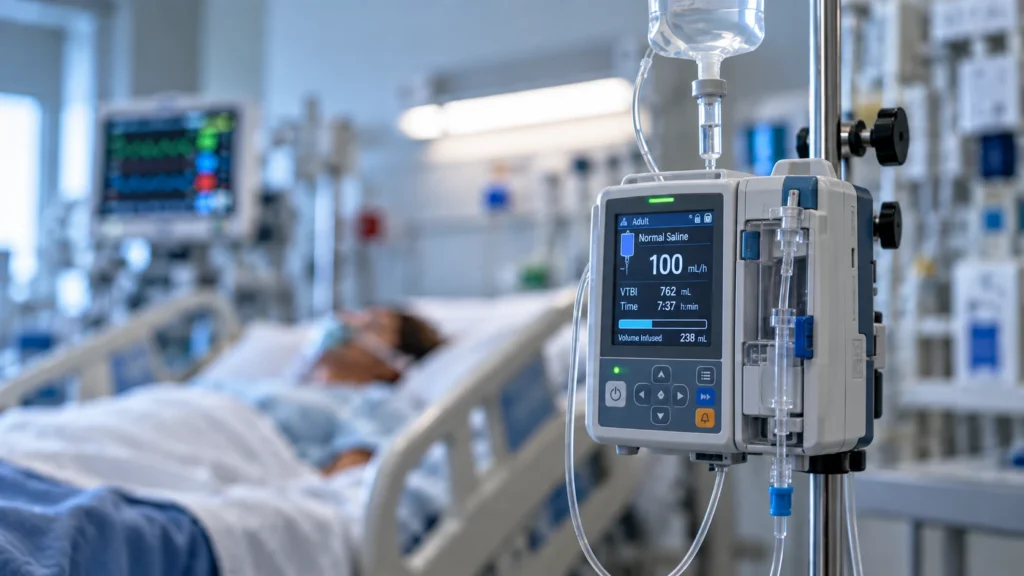
BD Alaris Infusion Set Recall: Over- and Under-Infusion Can Cause Catastrophic Injury
Patients receiving critical medications through BD Alaris pumps can face serious harm if an infusion set causes the system to deliver more or less than programmed. On October 5, 2026, the FDA updated a Class I recall involving approximately 94.2…

Surgical Stapler Failures: Internal Bleeding, Sepsis, and Wrongful Death
Patients can suffer life-threatening internal bleeding, leaks, infection, or sepsis when a surgical stapler fails to create a complete and secure staple line. These complications may require emergency surgery, prolonged hospitalization, or intensive care, and in the most serious cases…

Pacemaker and ICD Failures: When a Cardiac Device Fails
Patients who rely on a pacemaker or an implantable cardioverter-defibrillator are trusting that device to work. When a pacemaker fails to deliver needed electrical impulses or an ICD fails to detect a dangerous rhythm or deliver an effective shock, the…
Electric Vehicle Defects: Battery Fires, Severe Burns, and Explosions
Drivers and passengers can suffer severe burns, smoke inhalation, catastrophic injuries, or death when an electric vehicle battery ignites. These fires can happen while a vehicle is charging, parked, operating normally, or damaged in a crash. They can spread rapidly,…
Toxic Exposure Claims: Identifying the Right Liability Theory
Toxic exposures can cause life-altering injuries. The source may be a defective product, an unsafe workplace, a leaking facility, a mislabeled container, or a chemical release that reaches homes, schools, or nearby businesses. The legal claim depends on where the…

Cerebrospinal Fluid Leaks Can Cause Serious Neurologic Injuries and Life-Threatening Infections
When a dural injury results in Cerebrospinal Fluid leak after an epidural injection, lumbar puncture, spinal cord stimulator insertion, spine procedure, or another intervention near the dura, the consequences can be debilitating and life-threatening. Patients may suffer severe migraines, brain…