

The Dangers of E-Bike and E-Scooters
Most people associate e-bike and e-scooter injuries with accidents on the road, not with batteries erupting into flames.
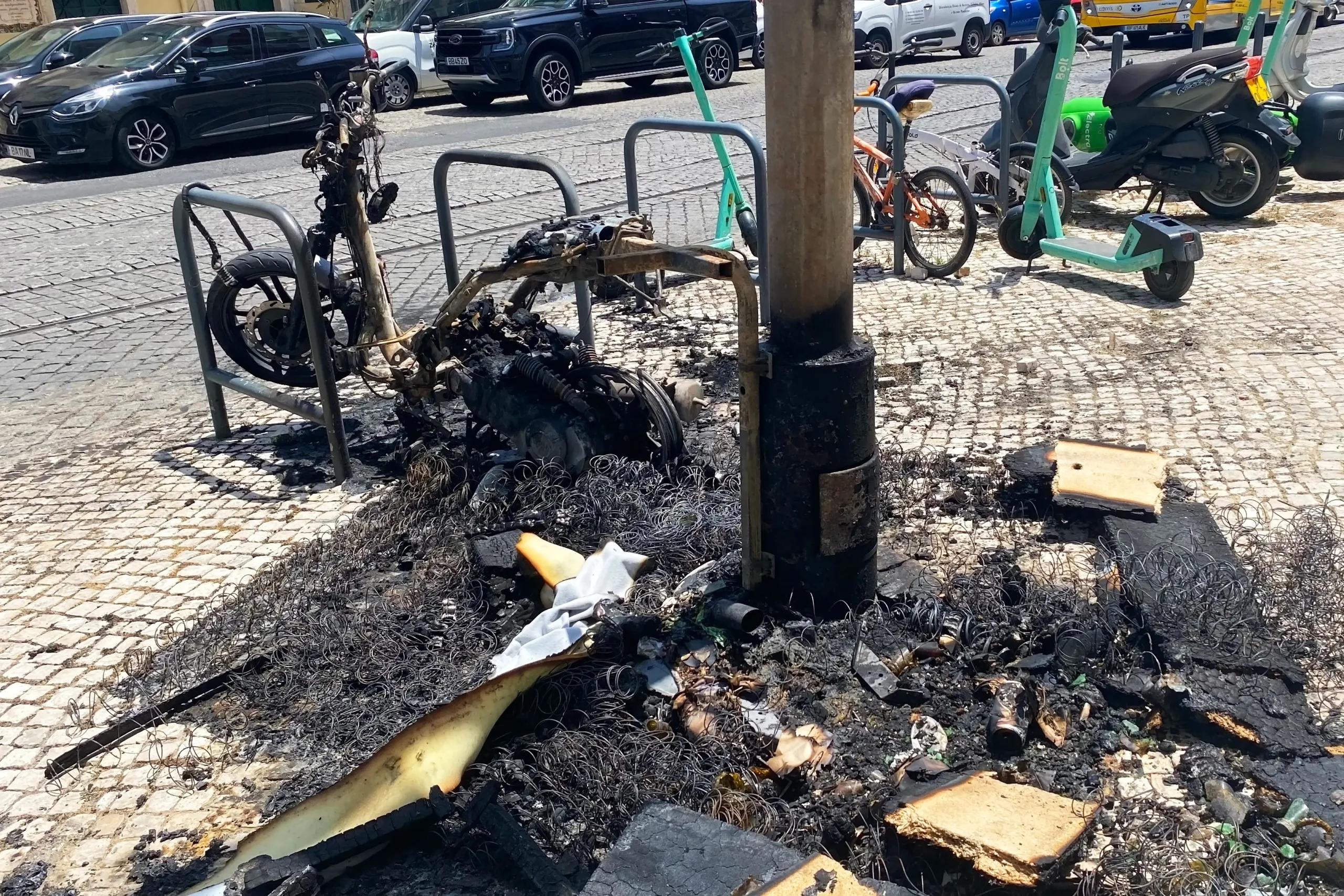
Nobody expects their ride to suddenly ignite. But riders, families, tenants, and bystanders have suffered serious harm when e-bike and e-scooter lithium-ion batteries caught fire or exploded. The consequences can include severe burns, smoke inhalation, destroyed homes, repeat hospitalization, permanent injury, and death. After a battery fire, you and your family deserve answers about whether a defective battery, charger, battery management system, or inadequate warning played a role.

How Much Is Your Case Worth?
Why E-Bike and E-Scooter Battery Fires Are So Dangerous
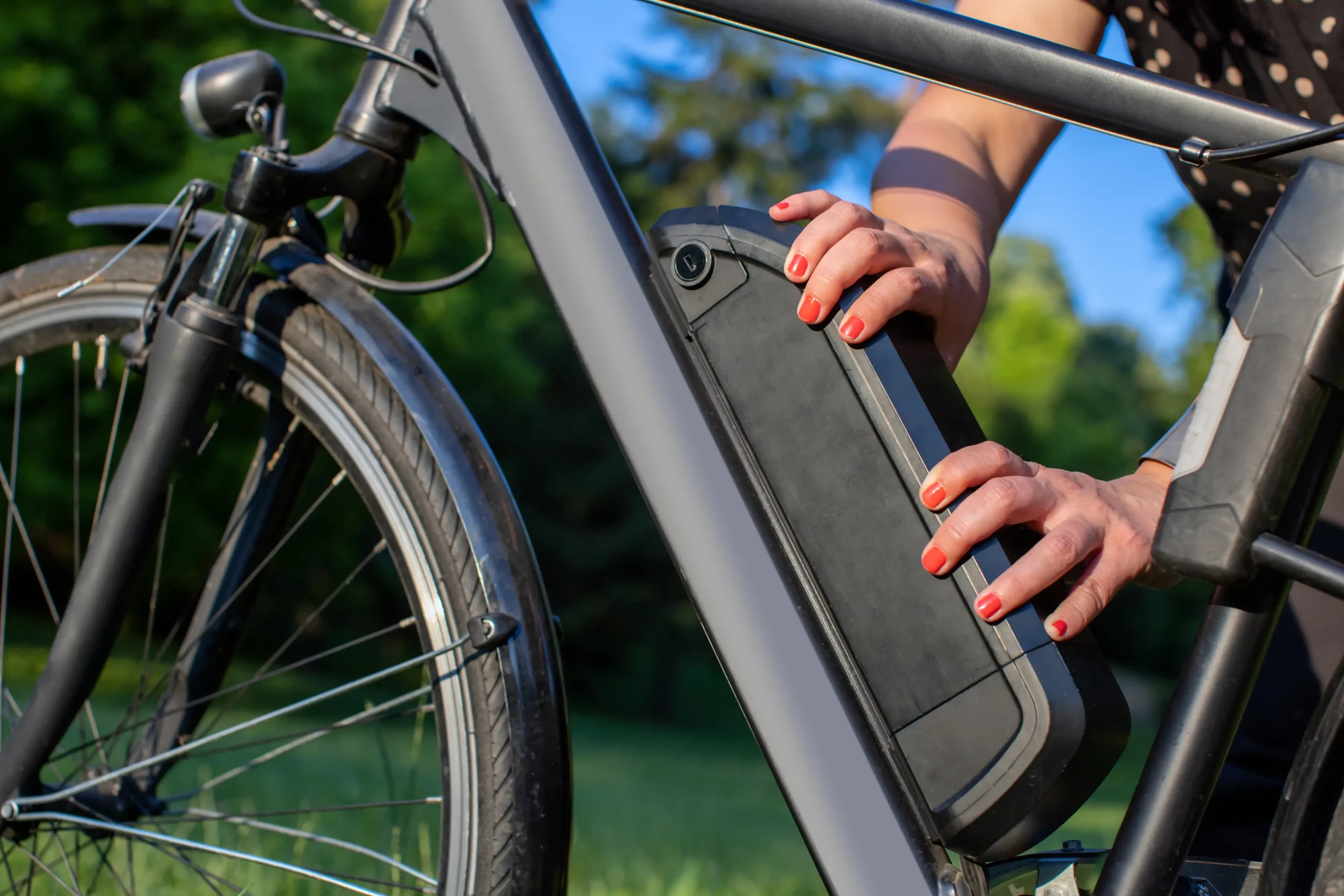
E-bikes and e-scooters rely on lithium-ion batteries that store a large amount of energy in a small space. When a battery fails, it can overheat, ignite, explode, or spread fire quickly, especially when the device is charging or stored inside an apartment, garage, workplace, dorm, delivery hub, or residential building.
Defective and improperly controlled batteries present a serious danger. The Consumer Product Safety Commission (CPSC) has warned manufacturers and importers that failure to follow applicable UL safety standards for e-bikes and personal e-mobility devices may create an unreasonable risk of fire, serious injury, or death. The CPSC reported at least 208 micromobility fire or overheating incidents across the United States between January 1, 2021 and November 28, 2022, with at least 19 fatalities and 22 emergency department-treated injuries.
These fires can leave families facing medical bills, lost income, property loss, housing disruption, and long-term trauma. When the battery, charger, wiring, or warnings were unsafe, a legal claim may be investigated against the companies involved in designing, manufacturing, importing, selling, or distributing the product.
How Lithium-Ion Battery Fires Can Happen
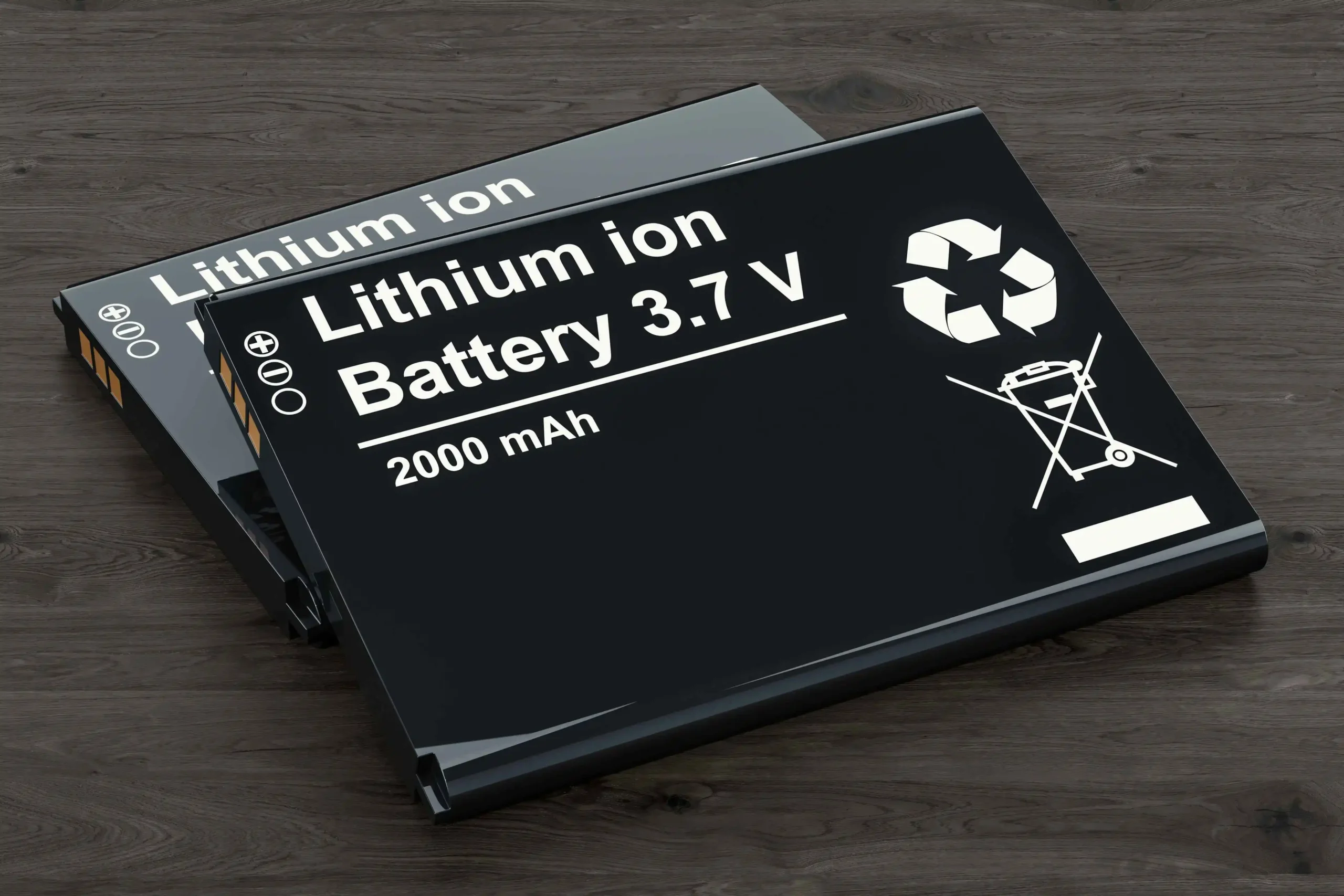
Lithium-ion battery fires often begin when a battery cell becomes unstable and enters thermal runaway. That process can cause heat, smoke, fire, and explosion. A failure may occur while the device is charging, while the battery is stored, after exposure to water or debris, after physical damage, or after use with an incompatible or poorly designed charger.
Potential causes may include:
Defective Battery Cells
A battery cell may contain manufacturing defects, contamination, internal short circuits, poor separators, or other flaws that make it vulnerable to overheating and failure.
Charger or Charging System Failures
A charger that delivers unsafe current or voltage can create dangerous conditions. A defective or incompatible charger can also increase the risk of overheating, especially when consumers are not clearly warned about compatibility limits.
Battery Management System Failures
A battery management system should monitor conditions such as temperature, voltage, and current. If that system does not detect or respond to unsafe conditions, the battery may continue operating or charging when it should shut down.
Poor Water, Heat, or Impact Protection
Some batteries become dangerous after water intrusion, corrosion, road debris, impact damage, or exposure to extreme temperatures. The CPSC has warned that certain e-bike batteries could unexpectedly ignite and explode, especially after exposure to water and debris.
Inadequate Warnings and Instructions
Consumers need clear warnings about charging, storage, compatible chargers, damaged batteries, disposal, water exposure, and signs of failure. A company may face scrutiny when warnings were missing, unclear, buried in fine print, or inconsistent with real-world use.
Unsafe Battery Pack Design
A battery pack can create fire risks when cells are packed too tightly, poorly insulated, inadequately vented, or not protected from vibration and impact. Weak pack design can allow heat to build, damage to spread from one cell to another, or a small internal failure to become a larger fire event.
Injuries and Losses Linked to E-Bike and E-Scooter Battery Fires
Battery fires can injure riders and non-riders. A person may be harmed while sleeping in a home, walking near stored devices, responding to a fire, or trying to escape.
Common injuries and losses may include:
- Severe burns
- Smoke inhalation
- Respiratory injury
- Scarring and disfigurement
- Nerve damage
- Eye injuries
- Wrongful death
Battery fires can also destroy the evidence needed to understand what happened. The CPSC has noted that lithium-ion battery fires can be highly destructive and that identifying the product after a fire can be difficult when the device has been destroyed.

Who May Be Responsible for an E-Bike or E-Scooter Battery Fire?
Several companies may have played a role in placing an unsafe product into a home, workplace, or building. Depending on the facts, a claim may involve:
- Battery manufacturers: The battery maker may be responsible if defective cells, poor assembly, inadequate testing, or unsafe battery design contributed to the fire.
- E-bike or e-scooter manufacturers: The device manufacturer may be responsible if the overall electrical system, battery integration, wiring, enclosure, or design created an unreasonable fire risk.
- Charger manufacturers: A charger manufacturer may be investigated when unsafe charging behavior, incompatibility, overheating, or lack of automatic shutoff contributed to the incident.
- Sellers, retailers, and online marketplaces: Retailers, importers, distributors, and sellers may be part of the investigation when they sold, imported, marketed, or distributed a dangerous product.
- Repair shops or conversion kit sellers: Battery replacement, aftermarket chargers, conversion kits, and repair work can create additional safety questions. A claim may examine whether non-original parts were unsafe, mismatched, poorly installed, or sold without adequate warnings.
Evidence That May Matter After a Battery Fire
E-bike and e-scooter battery fire cases often hinge on technical evidence. Preserving what remains of the device, charger, battery, and surrounding area can be critical.
Important evidence may include:
- The e-bike, e-scooter, battery, and charger
- Any recovered cells, wiring, connectors, labels, or battery casing
- Purchase receipts and online order records
- Product manuals, warnings, and packaging
- Photos or videos from before and after the fire
- Fire department reports
- Insurance investigation materials
- Recall notices or CPSC warnings
- Repair records or replacement battery records
- Communications with the seller, manufacturer, or insurer
- Medical records and bills
Do not throw away the battery, charger, or device unless a fire official or hazardous waste authority instructs you to do so for safety reasons. If the product must be moved or disposed of, document it first and follow local hazardous waste guidance.


Why These Cases Can Be Complex
E-bike and e-scooter battery fire cases are not simple fire claims. They often require product liability investigation, fire origin analysis, electrical engineering review, battery design analysis, and a close look at the supply chain.
A case may involve imported components, private-label brands, online sellers, replacement batteries, third-party chargers, repaired devices, or missing product identification after the fire. It may also involve disputes between manufacturers, sellers, insurers, landlords, building owners, and repair businesses.
McEldrew Purtell investigates these cases with attention to the technical evidence and the human consequences. The goal is to determine what failed, who was involved, and whether the harm could have been prevented.
What To Do After an E-Bike or E-Scooter Battery Fire
After a fire, your first priority is medical care and safety. Once the immediate danger has passed, take practical steps to protect your ability to understand what happened.
Seek medical treatment for burns, smoke inhalation, breathing problems, dizziness, eye irritation, or any symptoms after exposure to smoke or fumes. Save the device, battery, charger, packaging, receipts, and photos if it is safe to do so. Get the fire incident report when available. Avoid giving recorded statements to product companies or insurers before you understand your rights.
Guidance from the New York City Fire Department warns that batteries should not be charged unattended or overnight, should not block exits, and should not be stored near combustible materials or heat sources. That guidance reflects the serious risk these batteries can pose when stored or charged indoors.


When an E-Bike or E-Scooter Battery Fire Claim May Be Investigated
A legal claim may be investigated when a battery fire caused serious injury, death, or major property loss and there is evidence that a product defect, charging failure, missing safety feature, inadequate warning, or unsafe sale contributed to the incident.
Examples include fires involving:
- A battery that ignited while charging
- A battery that caught fire while not in use
- An e-bike or e-scooter stored indoors
- A replacement battery or aftermarket charger
- A battery exposed to water or debris
- A recalled or warned-about product
- A device sold without clear safety instructions
- A battery that showed swelling, leaking, corrosion, overheating, or other warning signs before failure
Each case depends on the available evidence, the product history, and the law that applies.
Talk To McEldrew Purtell About an E-Bike or E-Scooter Battery Fire
A sudden battery fire can leave you with painful injuries, damaged property, unanswered questions, and pressure from insurers or product companies. You do not have to sort through the technical evidence alone.
McEldrew Purtell investigates e-bike and e-scooter battery fire cases involving lithium-ion battery defects, charger failures, battery management system failures, inadequate warnings, and unsafe products sold to consumers. Contact McEldrew Purtell for a free consultation to discuss what happened and whether a product liability claim may be available.

Learn More

Raw Milk Cheese E. Coli Outbreak: 8 Hospitalized, Most Cases in Young Children
Children aged 5 and younger account for more than half of the reported illnesses in a multistate E. coli outbreak linked to Sierra Nevada Graziers raw milk cheese. As of September 25, 2026, federal health officials had identified 13 illnesses…

BD Alaris Infusion Set Recall: Over- and Under-Infusion Can Cause Catastrophic Injury
Patients receiving critical medications through BD Alaris pumps can face serious harm if an infusion set causes the system to deliver more or less than programmed. On October 5, 2026, the FDA updated a Class I recall involving approximately 94.2…

Surgical Stapler Failures: Internal Bleeding, Sepsis, and Wrongful Death
Patients can suffer life-threatening internal bleeding, leaks, infection, or sepsis when a surgical stapler fails to create a complete and secure staple line. These complications may require emergency surgery, prolonged hospitalization, or intensive care, and in the most serious cases…

Pacemaker and ICD Failures: When a Cardiac Device Fails
Patients who rely on a pacemaker or an implantable cardioverter-defibrillator are trusting that device to work. When a pacemaker fails to deliver needed electrical impulses or an ICD fails to detect a dangerous rhythm or deliver an effective shock, the…
Electric Vehicle Defects: Battery Fires, Severe Burns, and Explosions
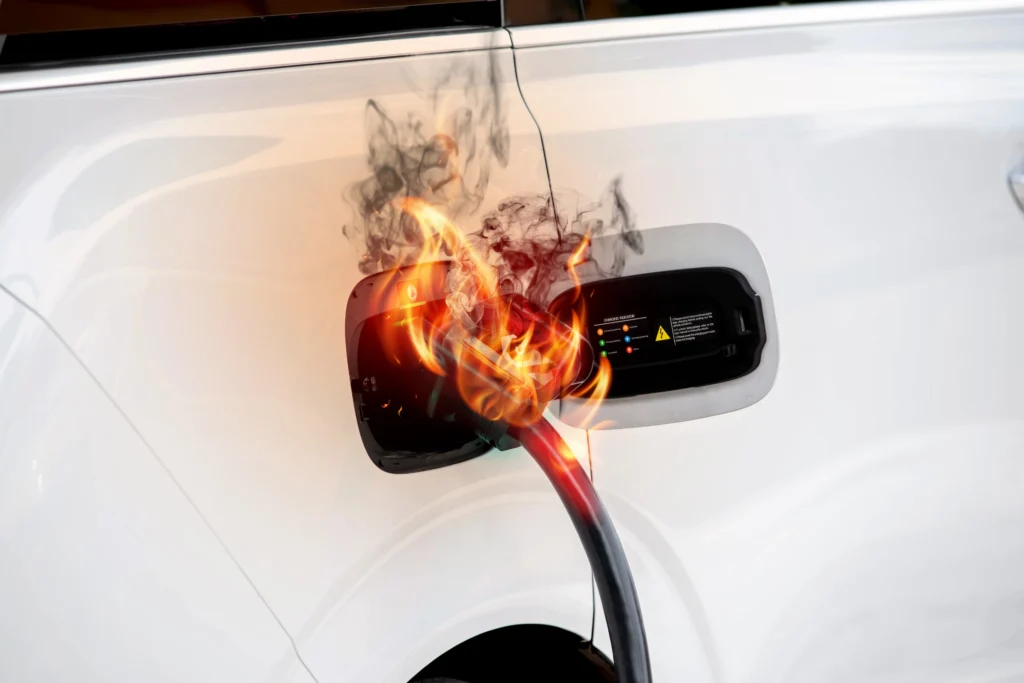
Drivers and passengers can suffer severe burns, smoke inhalation, catastrophic injuries, or death when an electric vehicle battery ignites. These fires can happen while a vehicle is charging, parked, operating normally, or damaged in a crash. They can spread rapidly,…
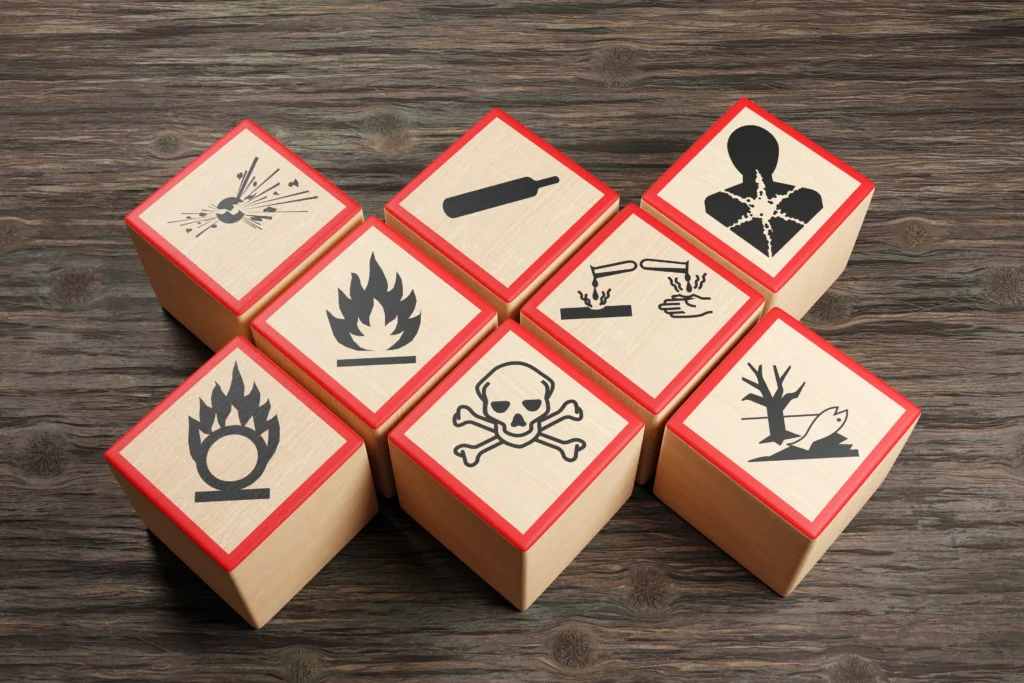
Toxic Exposure Claims: Identifying the Right Liability Theory
Toxic exposures can cause life-altering injuries. The source may be a defective product, an unsafe workplace, a leaking facility, a mislabeled container, or a chemical release that reaches homes, schools, or nearby businesses. The legal claim depends on where the…