

“Popcorn Lung” (Diacetyl) & Flavoring Chemicals
“Popcorn lung”, medically known as bronchiolitis obliterans, is a rare, irreversible lung disease that scars and narrows the smallest airways. Over time, breathing becomes harder, activity becomes limited, and everyday life can shrink to what the lungs can tolerate.
This disease is strongly associated with workplace inhalation of certain flavoring chemicals, including diacetyl (2,3-butanedione) and related substitutes such as 2,3-pentanedione (acetyl propionyl). In severe cases, workers have become disabled and, in some cases, have died from flavoring-related lung disease.


How Much Is Your Case Worth?

The core hazard: safe to eat ≠ safe to inhale
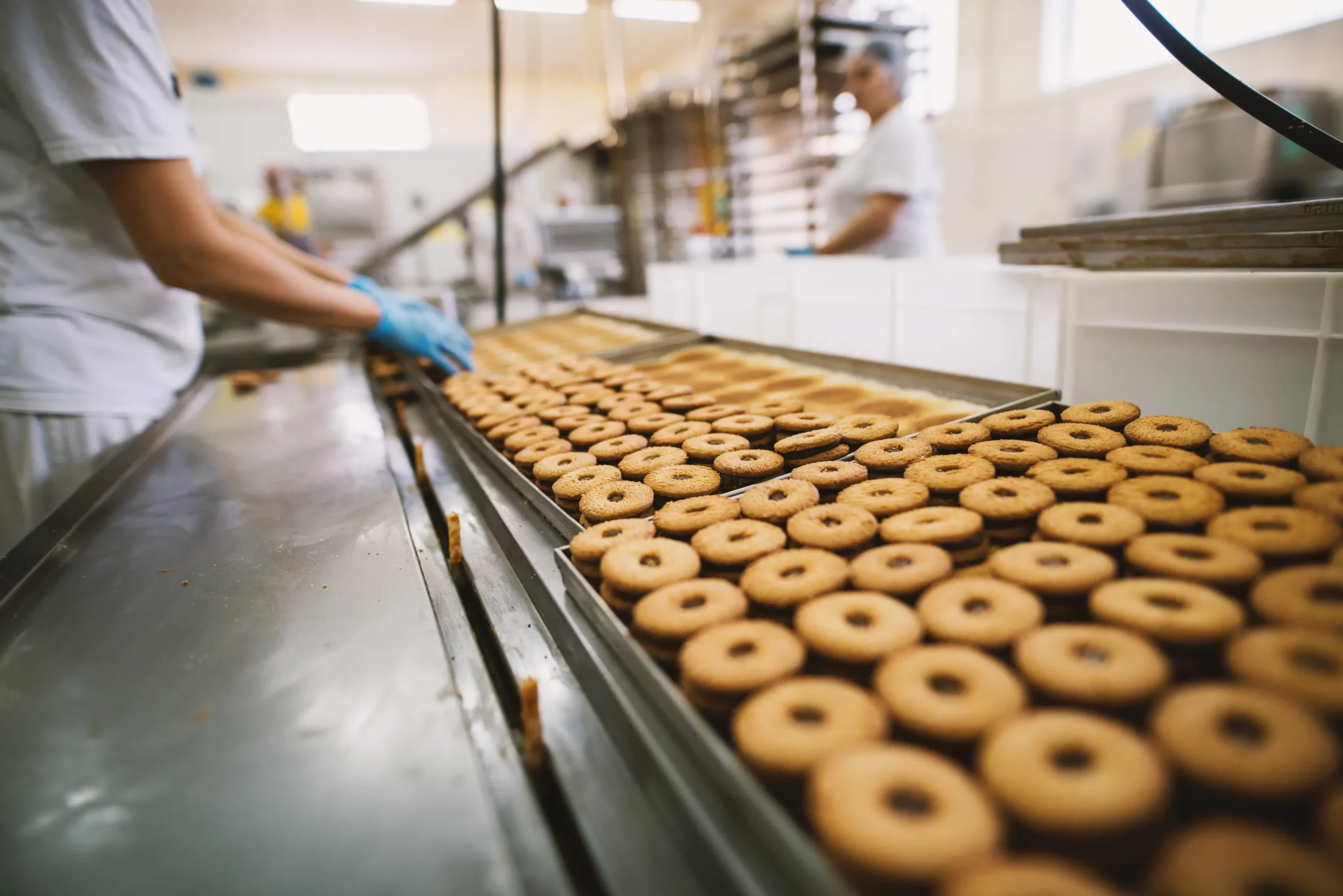
Flavoring chemicals are used to create buttery and other familiar tastes and aromas. But inhalation exposure is different from ingestion. In manufacturing environments, these chemicals can become airborne as vapors, mists, or dusts, especially during heating, mixing, pouring, filling, and cleaning operations. Public health guidance recognizes that breathing these substances can be associated with severe, permanent respiratory harm.
Where exposure happens
Popcorn lung is not limited to popcorn facilities. Diacetyl and related flavoring chemicals appear in many flavor formulations used across food and beverage production. They have been identified in or used for flavors and products such as bakery items, dairy products, snack foods, and other flavor profiles, and can be present as part of processes involving coffee and beer production.
NIOSH has specifically identified risk in industries such as microwave popcorn, bakery mix, and flavored coffee operations.

Symptoms that should not be brushed off
Popcorn lung is often mistaken for asthma or COPD. The most common symptoms include:
- Dry cough
- Wheezing
- Shortness of breath that worsens over time
Some people also report systemic symptoms such as fever, night sweats, and unexplained weight loss.
The critical issue is progression: once the small airways scar, the disease is generally not reversible. Treatment focuses on limiting decline and managing symptoms, not restoring normal lung function.
Flavoring chemical lung disease can force major life changes quickly: loss of stamina, inability to keep working, oxygen dependence, repeated medical visits, and a long-term vulnerability to respiratory complications. OSHA warns that workers exposed to diacetyl have suffered severe lung disease leading to disability or death.
What matters in a flavoring-chemical toxic tort case
These cases are built on evidence that connects a workplace environment to irreversible lung damage.
Medical proof
Diagnosis often involves a detailed exposure history plus pulmonary function testing, imaging (X-ray/CT), and sometimes lung biopsy because bronchiolitis obliterans can be difficult to confirm and may be mistaken for other diseases.
Exposure proof
Key details include where and how flavorings were handled, whether flavoring was heated or aerosolized, ventilation conditions, use of respirators or other PPE, and whether the facility conducted air monitoring and implemented controls recommended by OSHA/NIOSH guidance.
Accountability
Safety guidance exists for controlling airborne flavoring exposures; engineering controls, work practices, and respiratory protection where needed. When those safeguards were feasible but ignored or minimized, the risk is no longer an accident, it’s a preventable exposure.


What to save if there’s a diagnosis or evaluation underway
Evidence can disappear fast once a worker leaves a job or a facility changes production.
Helpful documentation includes:
- Job titles, dates, departments, and tasks (mixing, pouring, heating, packaging, cleaning)
- Training materials, SDS sheets, respirator fit-testing records, and incident reports (if available)
- Medical records: pulmonary testing, imaging, and occupational medicine notes
- Names of coworkers who can confirm day-to-day conditions
A workplace should not steal someone’s breath
Popcorn lung is a permanent, life-altering diagnosis. When work exposure to diacetyl or other flavoring chemicals is followed by irreversible lung disease or a death from respiratory complications, there should be a serious investigation into what was used, how exposure occurred, and what safeguards were missing.
McEldrew Purtell evaluates flavoring-chemical exposure cases involving catastrophic injury and wrongful death and pursues accountability when preventable exposure changes a life forever.

Learn More
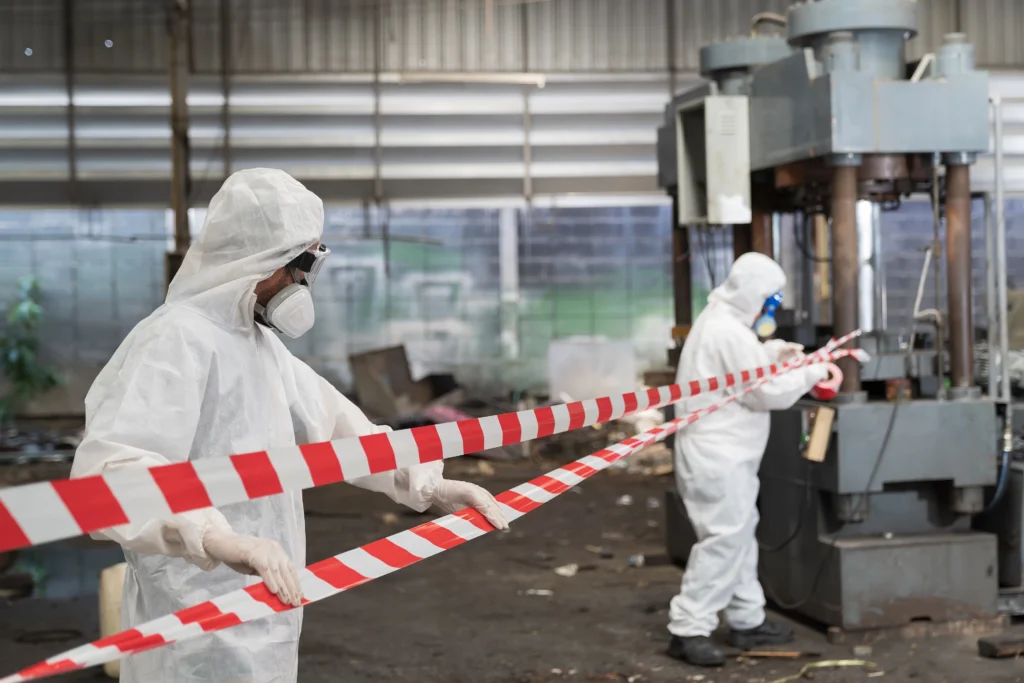
Toxic Chemical Exposure After Train, Truck, and Warehouse Spills
A train derailment, tanker truck crash, or warehouse spill can release hazardous chemicals into the air or across a worksite within seconds. Workers, drivers, emergency responders, nearby residents, and others may be exposed by breathing in contaminated air, getting chemicals…

Railroad Toxic Exposure Claims: Cancer, Lung Disease, and Proving Workplace Causation
Railroad workers face dangers that extend far beyond traumatic injuries and derailments. For decades, railroad employees have been exposed to toxic substances capable of causing serious illnesses, including cancer, chronic lung disease, and other life-altering medical conditions. Under the Federal…

Toxic Exposure Claims: Identifying the Right Liability Theory
Toxic exposures can cause life-altering injuries. The source may be a defective product, an unsafe workplace, a leaking facility, a mislabeled container, or a chemical release that reaches homes, schools, or nearby businesses. The legal claim depends on where the…
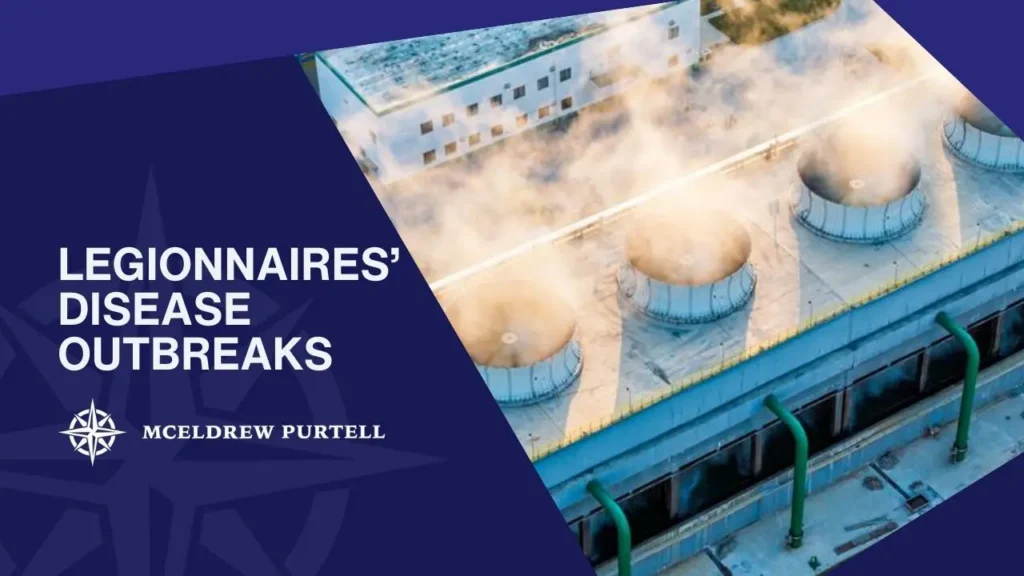
Growing New York City Legionnaires’ Disease Outbreak Raises Questions About Preventable Cooling Tower Failures
A growing Legionnaires’ disease outbreak on New York City’s Upper East Side has sickened at least 56 people, sending dozens to the hospital and triggering one of the city’s largest public health investigations of the year. Health officials are racing…
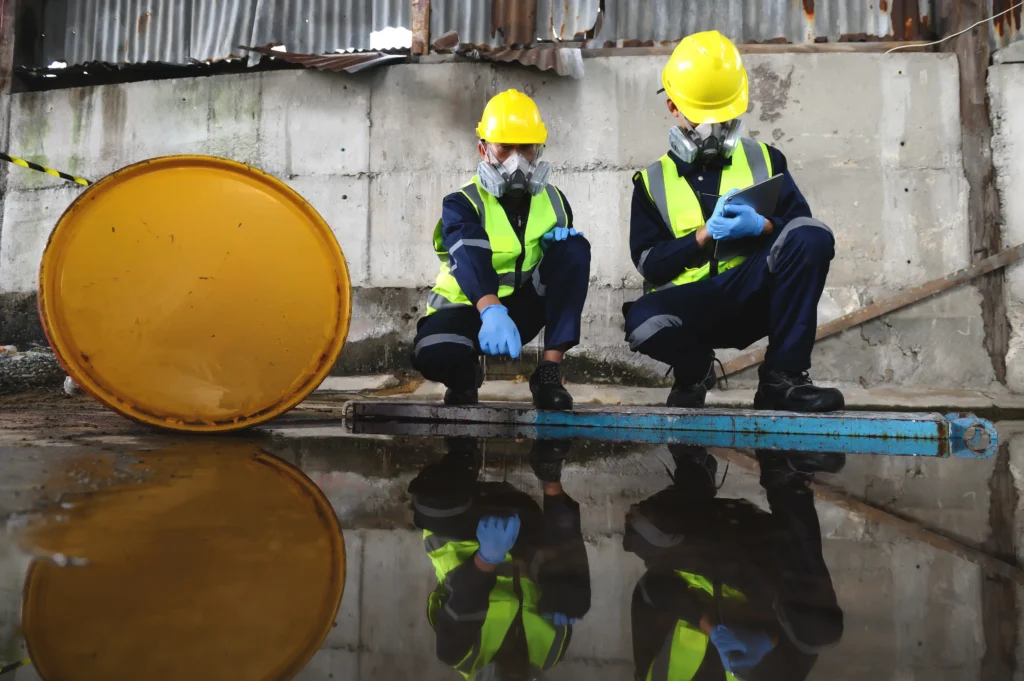
Supply Chain Failures: Toxic Chemical Exposure Leading to Burns, Organ Damage, and Wrongful Death
Workers, drivers, warehouse employees, emergency responders, and nearby families can suffer life-changing injuries when hazardous chemicals leak, spill, or ignite. A single transportation failure or packaging defect can expose people to toxic fumes, chemical burns, respiratory damage, explosions, or long-term…

Five Killed in Virginia I-95 Bus Crash as Investigators Examine Multi-Vehicle Collision Near Work Zone
Five people were killed and dozens more were injured when a bus struck multiple vehicles on Interstate 95 in Virginia. For the families involved, the central question is not only what happened in the seconds before impact, but whether the…