

“Forever Chemicals,” Real Consequences
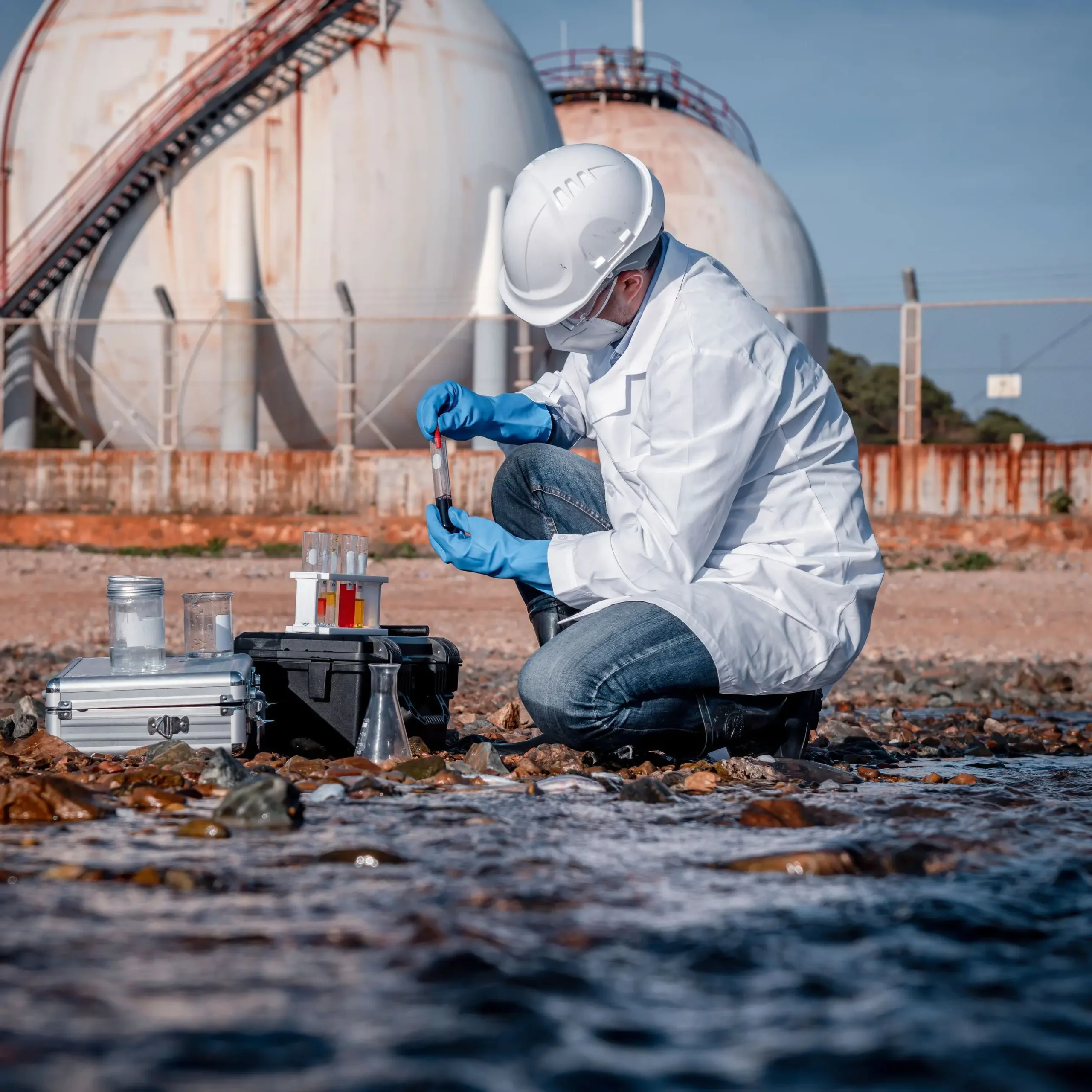
PFAS, often called “forever chemicals”, are a large class of manufactured chemicals that persist in the environment and can accumulate in the human body over time. When PFAS enter drinking water, families can be exposed every day through something as basic as making coffee, mixing formula, or filling a glass at the sink.
For many people, the harm shows up as a medical crisis years later. For others, the fear is immediate: How long has this been in the water, and what does it mean for our family? Toxic tort cases focus on whether this contamination was preventable, whether responsible parties failed to control releases, and whether they should pay for the damage and long-term risk they created.

How Much Is Your Case Worth?

The water pathways that keep coming up
PFAS water contamination is often connected to predictable sources and sites, including:
- Industrial facilities that used or released PFAS in manufacturing processes
- Firefighting foam (AFFF) used at airports, refineries, military installations, and training sites
- Landfills and wastewater systems where PFAS-containing products end up and leach into surrounding environments
Why PFAS exposure is treated as high stakes
Public health agencies continue to study PFAS, but authoritative reviews recognize associations between PFAS exposure and a range of health effects (with risk depending on dose, duration, and individual vulnerability).
In catastrophic injury terms, the concern is that long-term exposure may contribute to conditions that can become life-altering or fatal—serious cancers, organ disease, and immune-related complications—especially when exposure is sustained through drinking water.

“Regulation is catching up” — what recent federal action signals
New regulation doesn’t prove a specific person’s illness was caused by PFAS. But it does show how seriously the risk is being treated at a national level.
Federal drinking water standards (EPA):
In April 2024, EPA finalized enforceable drinking-water limits (MCLs) for multiple PFAS, including PFOA and PFOS at 4 ppt, plus additional PFAS and a hazard index approach for certain mixtures. EPA’s materials describe required monitoring, public notification, and treatment timelines under the rule.
Superfund (“hazardous substance”) designation:
EPA also designated PFOA and PFOS (including salts and structural isomers) as hazardous substances under CERCLA, which strengthens cleanup authority and can reshape liability and cost recovery.
Standards continue to evolve:
In May 2025, EPA announced a plan to keep the PFOA/PFOS MCLs but reconsider parts of the broader PFAS drinking-water framework and extend compliance timing—illustrating that PFAS regulation remains a fast-moving area.

What families can do when PFAS contamination is suspected
When there’s a serious contamination concern, early documentation helps protect health decisions and legal options:
- Document the “water history”: addresses, dates, and the water system used (municipal, private well, school/workplace supply).
- Save official notices and test results from water suppliers, municipalities, or state agencies.
- Keep medical records organized if there’s a diagnosis that could plausibly relate to long-term exposure (labs, imaging, pathology, treating physician notes).
- Don’t throw away filters or test kits used to measure or address PFAS; chain-of-custody can matter in contested cases.
EPA has published consumer-facing resources on PFAS in drinking water and reducing exposure, including filtration guidance.
How PFAS water cases are actually built
PFAS cases are rarely about a single event. They are reconstruction cases, tracing contamination through time and responsibility through the supply chain.
Exposure proof
- Where the water came from, over what timeframe, and what PFAS were detected
- Whether releases can be traced to identifiable facilities, disposal practices, or foam use patterns
Accountability proof
- What the responsible parties knew (or should have known) about releases and persistence
- Whether reasonable controls, treatment, or disclosure were delayed or avoided
Damages proof (catastrophic injury / wrongful death)
- Medical causation analysis grounded in medical records and authoritative health evidence
- The real-life impact: treatment costs, disability, loss of earnings, long-term care needs, and the profound losses that follow a wrongful death


A quiet crisis with lasting consequences
PFAS contamination is a quiet crisis, because it can enter the body through ordinary routines and stay there for years. When that exposure leads to catastrophic illness, or when a community’s water is compromised by preventable releases, accountability should not be optional.
McEldrew Purtell investigates PFAS water contamination cases as toxic tort matters: evidence-driven, science-aware, and focused on results that reflect the true cost to families and communities.
Learn More

Raw Milk Cheese E. Coli Outbreak: 8 Hospitalized, Most Cases in Young Children
Children aged 5 and younger account for more than half of the reported illnesses in a multistate E. coli outbreak linked to Sierra Nevada Graziers raw milk cheese. As of September 25, 2026, federal health officials had identified 13 illnesses…
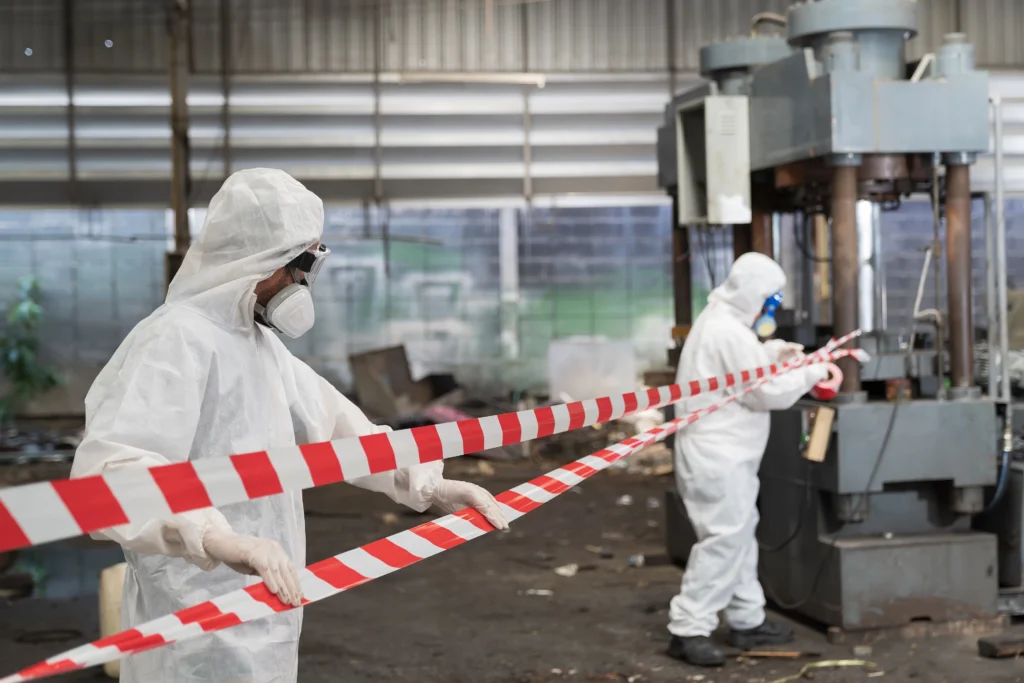
Toxic Chemical Exposure After Train, Truck, and Warehouse Spills
A train derailment, tanker truck crash, or warehouse spill can release hazardous chemicals into the air or across a worksite within seconds. Workers, drivers, emergency responders, nearby residents, and others may be exposed by breathing in contaminated air, getting chemicals…

Railroad Toxic Exposure Claims: Cancer, Lung Disease, and Proving Workplace Causation
Railroad workers face dangers that extend far beyond traumatic injuries and derailments. For decades, railroad employees have been exposed to toxic substances capable of causing serious illnesses, including cancer, chronic lung disease, and other life-altering medical conditions. Under the Federal…

Toxic Exposure Claims: Identifying the Right Liability Theory
Toxic exposures can cause life-altering injuries. The source may be a defective product, an unsafe workplace, a leaking facility, a mislabeled container, or a chemical release that reaches homes, schools, or nearby businesses. The legal claim depends on where the…
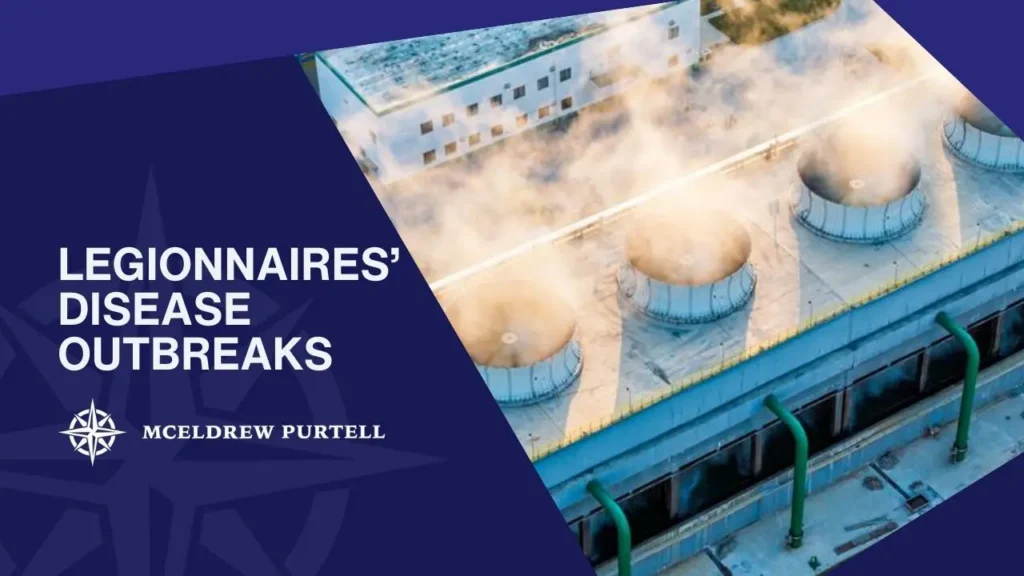
Growing New York City Legionnaires’ Disease Outbreak Raises Questions About Preventable Cooling Tower Failures
A growing Legionnaires’ disease outbreak on New York City’s Upper East Side has sickened at least 56 people, sending dozens to the hospital and triggering one of the city’s largest public health investigations of the year. Health officials are racing…
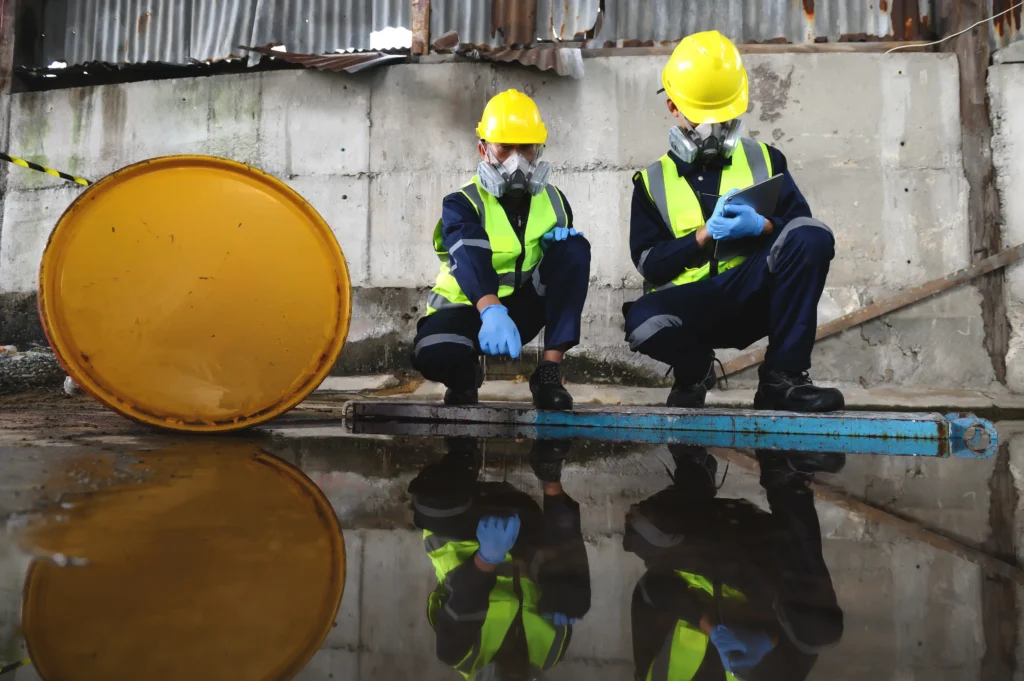
Supply Chain Failures: Toxic Chemical Exposure Leading to Burns, Organ Damage, and Wrongful Death
Workers, drivers, warehouse employees, emergency responders, and nearby families can suffer life-changing injuries when hazardous chemicals leak, spill, or ignite. A single transportation failure or packaging defect can expose people to toxic fumes, chemical burns, respiratory damage, explosions, or long-term…