

When Salmonella Contamination Causes Severe Harm
People across the United States have suffered serious harm after eating food contaminated with Salmonella. Severe cases can cause dehydration, sepsis, invasive infection, hospitalization, long-term complications, or death. Food recalls, outbreak investigations, and public health warnings have highlighted the dangers of Salmonella contamination. If you or someone you love became seriously ill, the central question is whether a preventable food safety failure allowed contaminated food to reach your table.
McEldrew Purtell represents people and families in serious food poisoning claims involving contaminated produce, eggs, poultry, meat, dairy, and processed foods. A Salmonella poisoning lawsuit may be investigated when unsafe food handling, contaminated ingredients, poor sanitation, supplier failures, or delayed recall action caused preventable illness.

How Much Is Your Case Worth?
What Is Salmonella Poisoning?
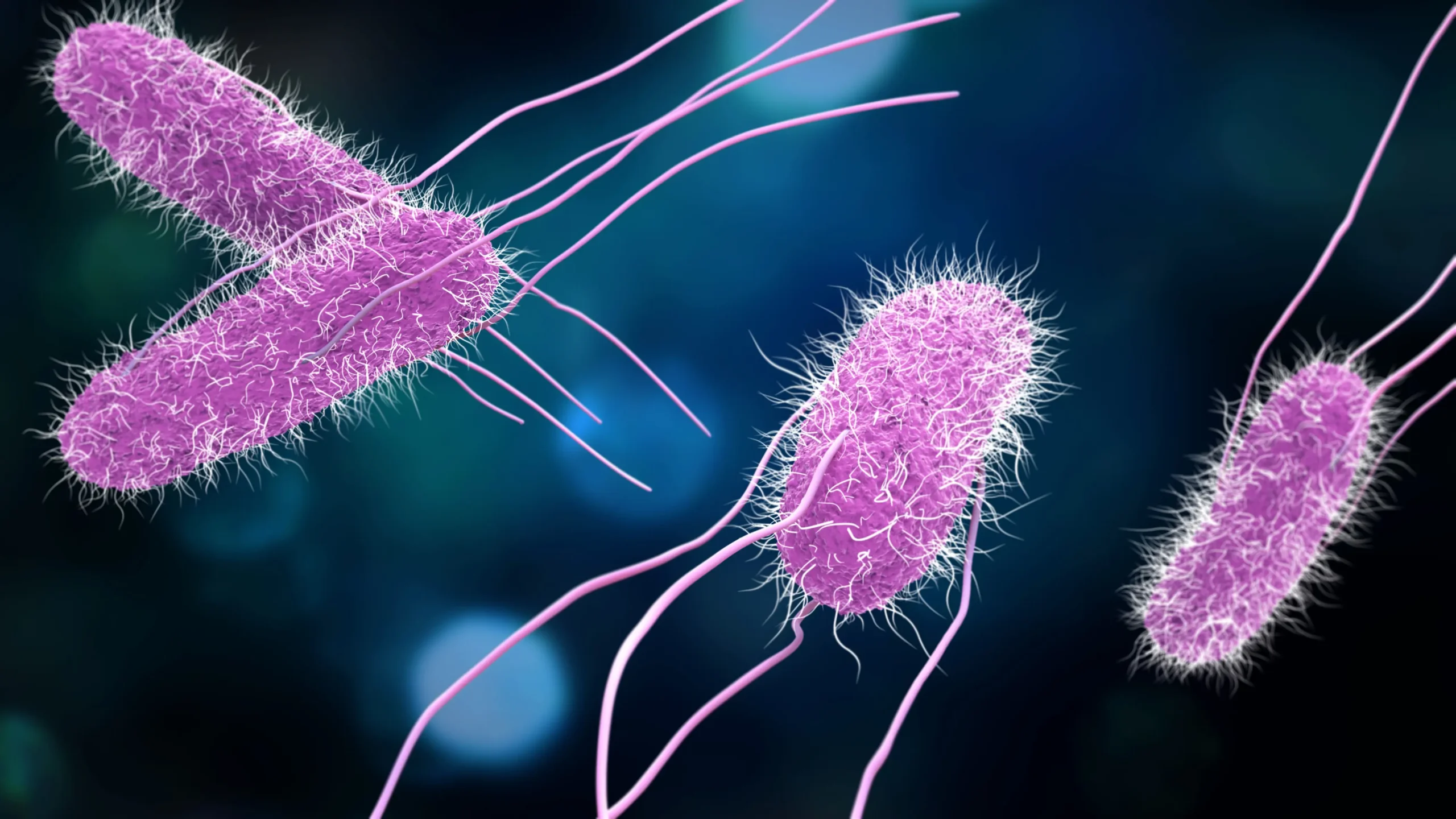
Salmonella poisoning, also called salmonellosis, is an infection caused by Salmonella bacteria. People usually become sick after swallowing the bacteria through contaminated food, contaminated water, or contact with infected animals or contaminated surfaces.
The CDC estimates that Salmonella causes about 1.35 million infections in the United States each year, and contaminated food is the source of most of these illnesses. Salmonella has been linked to many foods, including chicken, turkey, beef, pork, eggs, fruits, vegetables, nuts, and processed foods such as flour.
Most mild infections improve without major treatment. Severe infections can become medical emergencies, especially for young children, older adults, pregnant people, and people with weakened immune systems.
Foods Commonly Linked to Salmonella Outbreaks
E. coli contamination can occur at many points Salmonella outbreaks are often tied to foods that became contaminated before sale, during processing, during packaging, during distribution, or during preparation. Common sources include:
- Raw or undercooked poultry
- Eggs and egg products
- Beef, pork, and other meats
- Leafy greens, tomatoes, cucumbers, melons, and other produce
- Unpasteurized milk, soft cheeses, and other dairy products
- Nut butters, nuts, flour, spices, and other processed foods
- Ready-to-eat meals or prepared foods
FoodSafety.gov states that Salmonella can be found in chicken, beef, pork, eggs, fruits, vegetables, and processed foods. That wide range matters because consumers may not know which food made them sick until health agencies, testing, traceback records, or outbreak investigations identify a common source.

Symptoms of Salmonella Infection
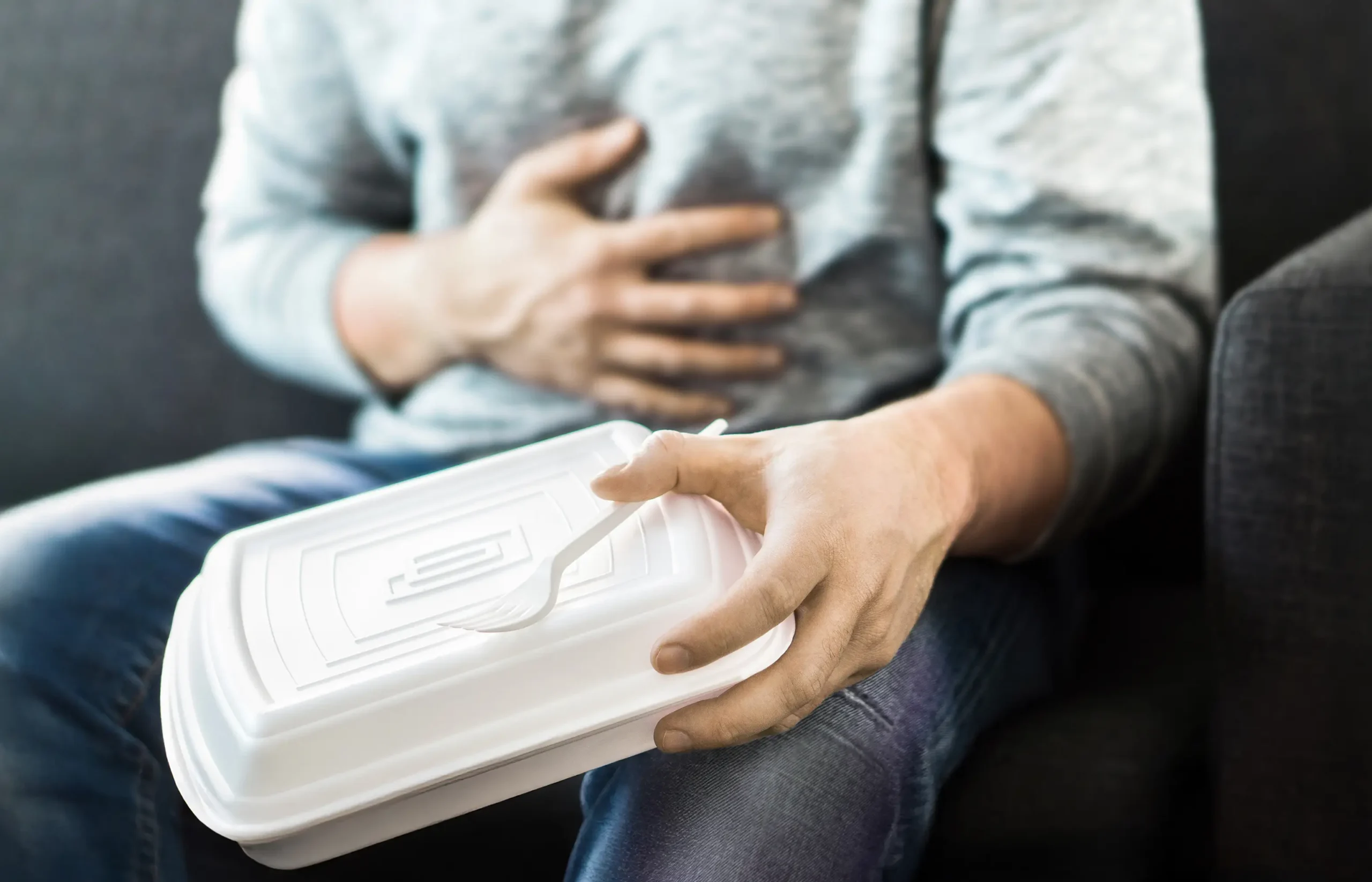
Salmonella symptoms often include diarrhea, stomach cramps, fever, nausea, vomiting, and headache. The CDC notes that diarrhea can last for several days and may cause severe dehydration, especially in young children and older adults.
Warning signs of a serious infection may include:
- Bloody diarrhea
- High fever
- Severe or worsening abdominal pain
- Repeated vomiting
- Signs of dehydration
- Confusion, weakness, or dizziness
- Symptoms that do not improve
- Hospitalization or emergency treatment
Some people develop invasive Salmonella infections when bacteria spread beyond the intestines. The CDC states that invasive infections occur in about 8 percent of people with laboratory-confirmed Salmonella infection and are most common among young children, older adults, and people with compromised immune systems.
Severe Salmonella Injuries and Complications
A serious Salmonella infection can involve far more than a few days of stomach illness. Severe cases may lead to:
- Severe dehydration
- Sepsis
- Bloodstream infection
- Invasive infection
- Meningitis
- Kidney complications
- Reactive arthritis
- Extended hospitalization
- Long-term weakness or medical complications
- Death
The CDC reports that some people develop reactive arthritis after Salmonella infection, and that condition can last for months or years. When Salmonella causes a life-changing injury or fatal illness, families may need answers about where the contamination started and whether a company failed to prevent the outbreak.

When a Salmonella Poisoning Lawsuit May Be Investigated
A Salmonella poisoning lawsuit may be investigated when evidence connects a serious illness to contaminated food sold, served, processed, distributed, or prepared by a business. These cases often involve questions about whether a company failed to follow food safety rules, ignored sanitation problems, distributed contaminated ingredients, or waited too long to warn consumers.
A claim may involve:
- A farm, grower, or producer
- A meat, poultry, egg, dairy, or produce supplier
- A food processor or packing facility
- A distributor or wholesaler
- A grocery store or retailer
- A restaurant, caterer, cafeteria, or food service company
- A meal delivery or prepared food company
Liability depends on the facts, the source of contamination, the applicable law, and the available evidence. A lawsuit is strongest when medical testing, food history, purchase records, public health data, or traceback evidence connects the illness to a contaminated product or outbreak.
Evidence That May Matter in a Salmonella Case
Salmonella cases require careful proof. A person may become sick days after eating contaminated food, and the product may be discarded before the source is known. That is why early investigation can matter.
Important evidence may include:
- Stool test or blood test results
- Medical records and hospital records
- Food purchase receipts
- Grocery loyalty card records
- Restaurant receipts or delivery orders
- Product packaging, lot numbers, or labels
- Photos of food, packaging, or menus
- Public health interviews
- CDC, FDA, USDA, state, or local health department outbreak findings
- Recall notices
- Records from restaurants, retailers, suppliers, or manufacturers
Federal outbreak investigations may use epidemiologic, laboratory, and traceback data to identify contaminated foods. In one FDA and CDC investigation involving eggs, public health agencies used those types of evidence to connect illnesses to contaminated recalled products.

What Families Should Do After Severe Salmonella Poisoning
After a serious Salmonella infection, medical care comes first. People should follow the guidance of their treating doctors and contact a healthcare provider if symptoms are severe, persistent, or involve dehydration, blood in the stool, high fever, or worsening weakness.
Families can also take practical steps to protect important information:
- Save medical records and discharge paperwork
- Keep receipts, packaging, and product labels when available
- Write down foods eaten before symptoms began
- Preserve grocery, restaurant, or delivery records
- Keep notes about symptoms, missed work, and medical visits
- Report suspected food poisoning to the local health department
- Avoid throwing away packaging if the food may be linked to an outbreak
These steps do not replace legal guidance, but they can help preserve facts that may matter in a future investigation.
Talk to a Salmonella Poisoning Lawsuit Lawyer
A severe Salmonella infection can leave a person facing hospital bills, lost income, pain, long-term health problems, or the loss of a loved one. When contaminated food caused the illness, families deserve clear answers about what happened and who may be responsible.
McEldrew Purtell investigates serious Salmonella poisoning lawsuits involving contaminated foods, restaurants, retailers, and food manufacturers. Contact McEldrew Purtell for a free consultation to discuss what happened, what evidence may matter, and whether a food contamination claim may be available.

Learn More
Toxic Chemical Exposure After Train, Truck, and Warehouse Spills
A train derailment, tanker truck crash, or warehouse spill can release hazardous chemicals into the air or across a worksite within seconds. Workers, drivers, emergency responders, nearby residents, and others may be exposed by breathing in contaminated air, getting chemicals…
Railroad Toxic Exposure Claims: Cancer, Lung Disease, and Proving Workplace Causation
Railroad workers face dangers that extend far beyond traumatic injuries and derailments. For decades, railroad employees have been exposed to toxic substances capable of causing serious illnesses, including cancer, chronic lung disease, and other life-altering medical conditions. Under the Federal…
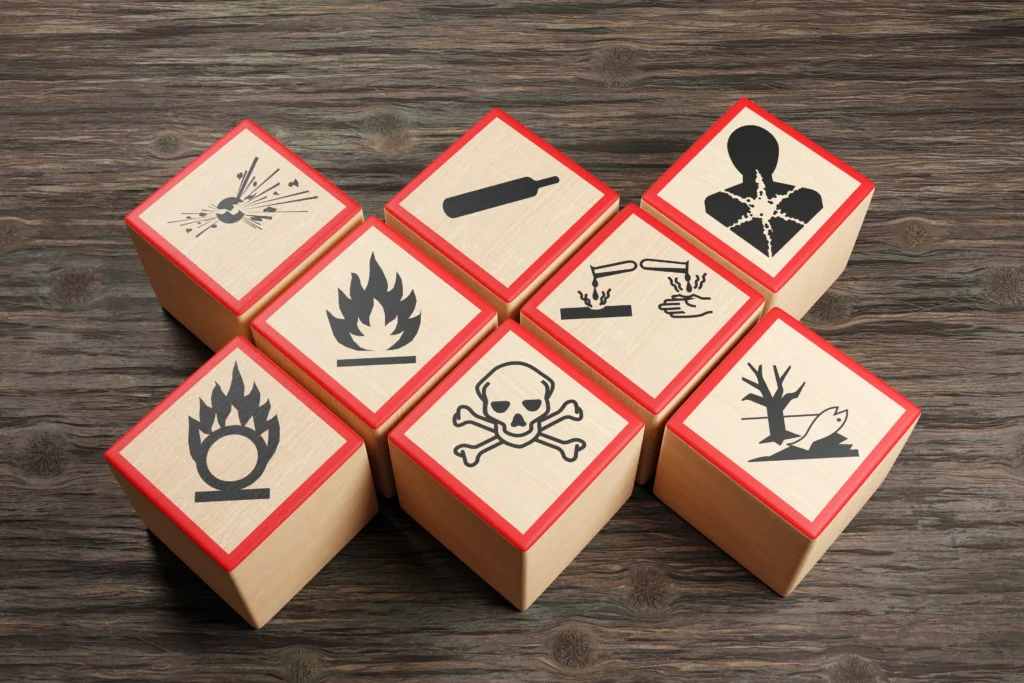
Toxic Exposure Claims: Identifying the Right Liability Theory
Toxic exposures can cause life-altering injuries. The source may be a defective product, an unsafe workplace, a leaking facility, a mislabeled container, or a chemical release that reaches homes, schools, or nearby businesses. The legal claim depends on where the…
Growing New York City Legionnaires’ Disease Outbreak Raises Questions About Preventable Cooling Tower Failures
A growing Legionnaires’ disease outbreak on New York City’s Upper East Side has sickened at least 56 people, sending dozens to the hospital and triggering one of the city’s largest public health investigations of the year. Health officials are racing…
Supply Chain Failures: Toxic Chemical Exposure Leading to Burns, Organ Damage, and Wrongful Death
Workers, drivers, warehouse employees, emergency responders, and nearby families can suffer life-changing injuries when hazardous chemicals leak, spill, or ignite. A single transportation failure or packaging defect can expose people to toxic fumes, chemical burns, respiratory damage, explosions, or long-term…

Five Killed in Virginia I-95 Bus Crash as Investigators Examine Multi-Vehicle Collision Near Work Zone
Five people were killed and dozens more were injured when a bus struck multiple vehicles on Interstate 95 in Virginia. For the families involved, the central question is not only what happened in the seconds before impact, but whether the…