

Serious illness. Clear answers.
People and families have suffered serious harm after exposure to contaminated food that caused less common but dangerous foodborne illnesses.
The consequences can include hospitalization, sepsis, neurological injury, paralysis, kidney or liver complications, pregnancy complications, long-term gastrointestinal disorders, or death. CDC and FDA food-safety guidance, outbreak investigations, recalls, and public health warnings keep these risks in focus.
If you or someone you love became seriously ill after eating contaminated food, the central question is whether a preventable food-safety failure played a role.

How Much Is Your Case Worth?
Foodborne Illness Claims Beyond E. Coli, Salmonella, and Listeria
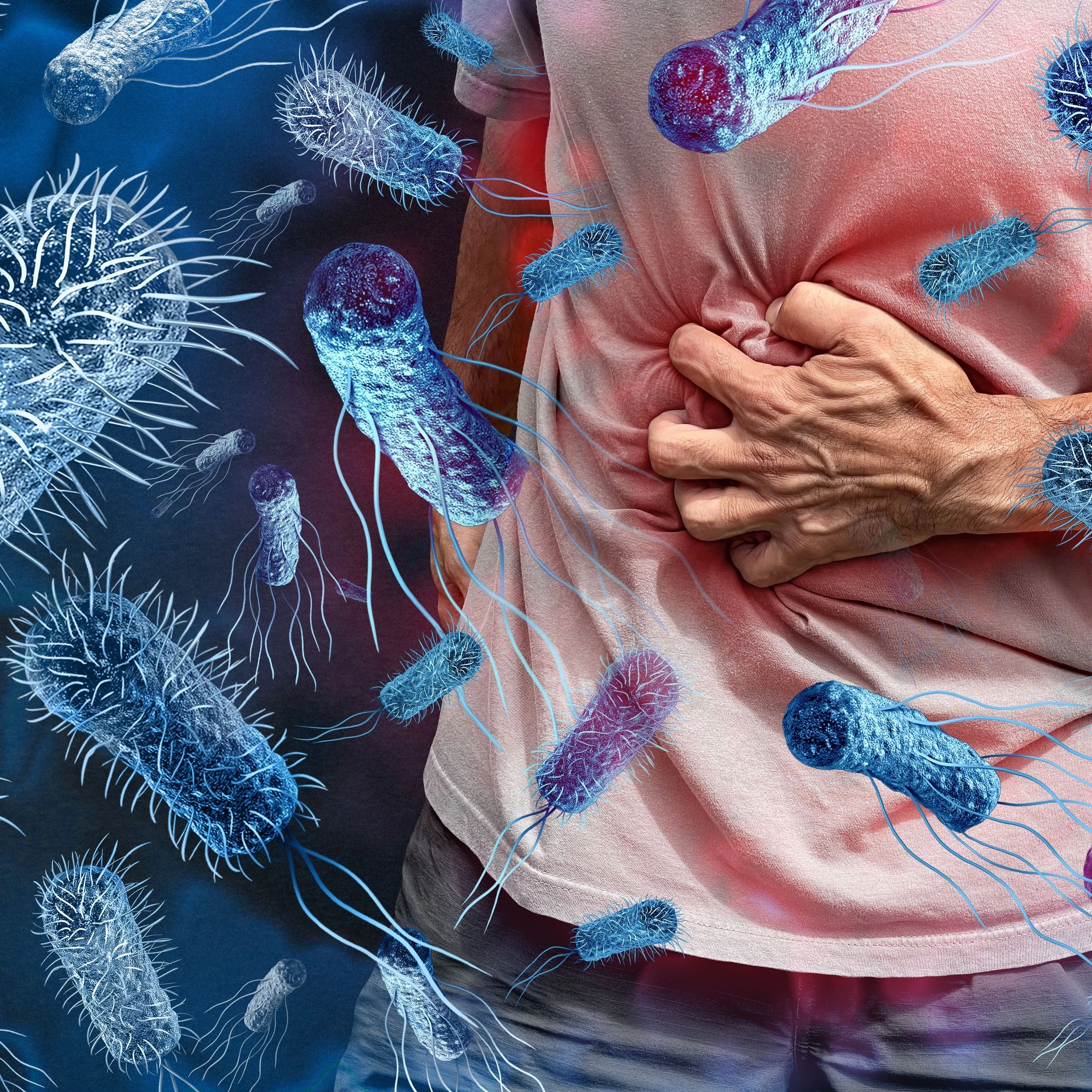
Many serious foodborne illness cases involve pathogens that receive less public attention but can still cause life-changing harm. These claims may involve botulism, Campylobacter, Cyclospora, Vibrio, Hepatitis A, norovirus, parasitic infections, and toxin-related food poisoning.
The CDC states that symptoms of food poisoning depend on the germ involved and that severe food poisoning can cause symptoms such as prolonged diarrhea, high fever, frequent vomiting, and dehydration. The CDC also estimates that foodborne illness causes millions of illnesses in the United States each year, including hospitalizations and deaths.
For many families, the issue is not only what pathogen caused the illness. The more important question is how contaminated food reached the consumer in the first place.
Foodborne Illnesses That May Lead to Severe Claims
Severe foodborne illness claims may involve many different pathogens, toxins, and exposure sources. Examples include:
- Botulism, a rare but serious illness caused by a toxin that attacks the body’s nerves and can lead to difficulty breathing, paralysis, and death.
- Campylobacter, a common cause of diarrheal illness that can sometimes lead to long-term complications such as irritable bowel syndrome, arthritis, and Guillain-Barré syndrome.
- Cyclospora, a parasite that can cause prolonged intestinal illness, often linked to contaminated produce.
- Vibrio, a group of bacteria often associated with raw or undercooked seafood, especially oysters. Some Vibrio infections can become severe, particularly for people with underlying medical conditions.
- Hepatitis A, a contagious liver infection that can spread through contaminated food or drink.
- Norovirus, a highly contagious cause of foodborne illness that can spread quickly in restaurants, schools, nursing homes, hospitals, cruise settings, and other shared environments.
- Parasitic infections, which may involve contaminated produce, meat, seafood, or water.
- Toxin-related food poisoning, which can occur when bacteria or other contaminants produce harmful toxins in food.
Not every foodborne illness supports a legal claim. A claim may be investigated when the illness is severe, the exposure source can be identified, and evidence suggests that a food manufacturer, restaurant, caterer, institution, distributor, retailer, or other responsible party failed to follow required safety practices.

Serious Injuries and Complications
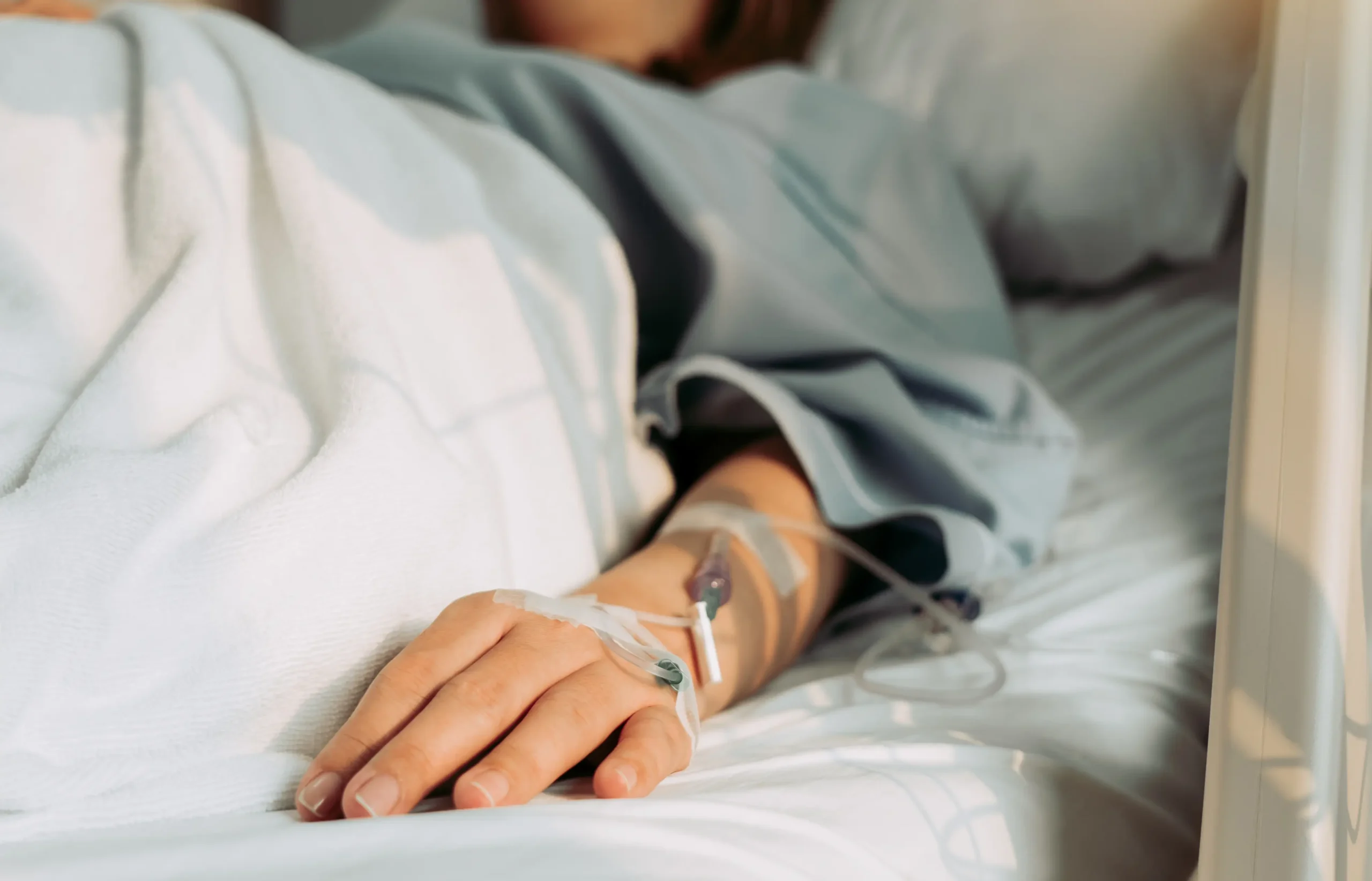
Some foodborne illnesses resolve within a few days. Severe cases can become medical emergencies and may require urgent care, hospitalization, or long-term follow-up treatment.
Serious complications may include:
- Severe dehydration
- Sepsis or bloodstream infection
- Neurological injury
- Muscle weakness or paralysis
- Guillain-Barré syndrome
- Kidney complications
- Liver complications
- Pregnancy complications
- Long-term gastrointestinal problems
- Wrongful death
Certain people face a higher risk of serious illness from food poisoning, including adults 65 and older, children under 5, pregnant people, and people with weakened immune systems. in urine, unusual bruising, extreme tiredness, irritability, or decreased alertness.
How Severe Foodborne Illness Exposure Can Happen
Foodborne illness can occur when food becomes contaminated during growing, harvesting, processing, storage, transport, preparation, or service. In some cases, the contamination starts before the food reaches a restaurant, store, school, hospital, nursing home, or event venue. In other cases, unsafe handling or poor sanitation allows contaminated food to sicken consumers.
Common food-safety failures may include:
- Undercooked meat, poultry, seafood, or eggs
- Cross-contamination between raw and ready-to-eat foods
- Improper refrigeration or hot-holding
- Unsafe food storage
- Sick food handlers
- Poor handwashing practices
- Contaminated water or ice
- Failure to clean and sanitize equipment
- Unsafe produce handling
- Serving recalled or contaminated products
- Poor outbreak response after complaints begin
A foodborne illness investigation often looks at the full chain of distribution, not just the last place where the food was served.


When a Foodborne Illness Claim May Be Investigated
A severe foodborne illness claim may be investigated when there is evidence that contaminated food caused serious harm. These cases often require a careful review of medical records, laboratory testing, food purchase history, public health data, inspection records, and outbreak information.
Important questions may include:
- What pathogen, toxin, or infection was identified?
- Was the illness confirmed through stool, blood, or other laboratory testing?
- What foods did the person eat before becoming sick?
- Did other people become ill after eating the same food?
- Was the food linked to a recall, warning, outbreak, or inspection problem?
- Did a restaurant, caterer, institution, manufacturer, distributor, or retailer violate food-safety rules?
- Did the illness cause hospitalization, long-term complications, or death?
Clear answers often depend on fast action. Receipts, menus, food packaging, leftover food, medical test results, and witness information can become harder to find as time passes.
Why These Cases Can Be Complex
Severe foodborne illness cases can be difficult because symptoms may begin hours or days after exposure, and some infections have longer incubation periods. A person may eat several meals before becoming sick, making it harder to identify the source without medical testing and public health records.
These cases may also involve multiple responsible parties. A contaminated product may pass through farms, processors, distributors, retailers, restaurants, caterers, nursing homes, hospitals, schools, or event venues before it reaches the person who becomes ill.
A strong investigation may require review of:
- The likely incubation period
- The pathogen involved
- The foods eaten before symptoms began
- Whether other people became sick
- Whether public health officials identified a cluster or outbreak
- Whether a recall or warning was issued
- Whether the food provider followed required safety procedures
- Whether the illness caused serious, documented harm
The goal is to determine whether the illness was an isolated event or the result of a preventable breakdown in food safety.s that a preventable food-safety failure caused serious injury or loss.xpert review, to examine responsibility.

What Families Should Know After a Severe Foodborne Illness
Medical care comes first. Anyone with severe symptoms, dehydration, bloody diarrhea, high fever, neurological symptoms, signs of liver complications, difficulty breathing, pregnancy-related concerns, or worsening illness should seek medical attention.
After urgent medical needs are addressed, families should try to preserve information that may help identify the source of exposure. This can include saving receipts, writing down meals eaten before symptoms began, keeping food packaging, photographing labels, and asking healthcare providers about appropriate testing.
You should not have to determine the cause on your own. A legal investigation can help identify whether contaminated food, unsafe handling, poor sanitation, a recalled product, or another preventable safety failure contributed to the illness.
Talk to McEldrew Purtell About a Severe Foodborne Illness Claim
Severe foodborne illness can disrupt every part of a person’s life. Hospital stays, missed work, long-term complications, and the loss of a loved one can leave families with urgent questions about what happened and who may be responsible.
McEldrew Purtell investigates serious foodborne illness and wrongful death claims involving contaminated food, unsafe food handling, institutional outbreaks, restaurant exposure, recalled products, and other preventable food-safety failures.
Contact McEldrew Purtell for a free consultation. We can review what happened, explain what evidence may matter, and help you understand whether a severe foodborne illness claim may be available.

Learn More
Toxic Chemical Exposure After Train, Truck, and Warehouse Spills
A train derailment, tanker truck crash, or warehouse spill can release hazardous chemicals into the air or across a worksite within seconds. Workers, drivers, emergency responders, nearby residents, and others may be exposed by breathing in contaminated air, getting chemicals…
Railroad Toxic Exposure Claims: Cancer, Lung Disease, and Proving Workplace Causation
Railroad workers face dangers that extend far beyond traumatic injuries and derailments. For decades, railroad employees have been exposed to toxic substances capable of causing serious illnesses, including cancer, chronic lung disease, and other life-altering medical conditions. Under the Federal…
Toxic Exposure Claims: Identifying the Right Liability Theory
Toxic exposures can cause life-altering injuries. The source may be a defective product, an unsafe workplace, a leaking facility, a mislabeled container, or a chemical release that reaches homes, schools, or nearby businesses. The legal claim depends on where the…
Growing New York City Legionnaires’ Disease Outbreak Raises Questions About Preventable Cooling Tower Failures
A growing Legionnaires’ disease outbreak on New York City’s Upper East Side has sickened at least 56 people, sending dozens to the hospital and triggering one of the city’s largest public health investigations of the year. Health officials are racing…
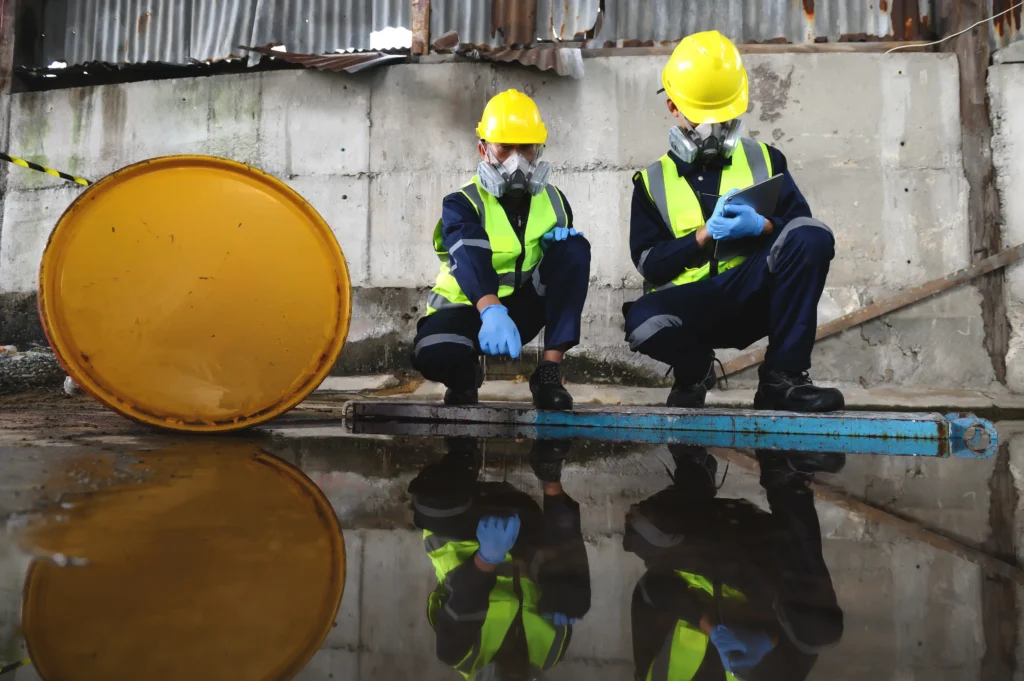
Supply Chain Failures: Toxic Chemical Exposure Leading to Burns, Organ Damage, and Wrongful Death
Workers, drivers, warehouse employees, emergency responders, and nearby families can suffer life-changing injuries when hazardous chemicals leak, spill, or ignite. A single transportation failure or packaging defect can expose people to toxic fumes, chemical burns, respiratory damage, explosions, or long-term…
Five Killed in Virginia I-95 Bus Crash as Investigators Examine Multi-Vehicle Collision Near Work Zone
Five people were killed and dozens more were injured when a bus struck multiple vehicles on Interstate 95 in Virginia. For the families involved, the central question is not only what happened in the seconds before impact, but whether the…