

Serious Harm From Listeria Contamination
Pregnant people, newborns, older adults, and people with weakened immune systems have suffered serious harm after eating food contaminated with Listeria. The infection can lead to miscarriage, stillbirth, premature delivery, sepsis, meningitis, repeat hospitalization, or death.
Federal outbreak investigations, recalls, and food safety alerts have emphasized the danger of Listeria contamination in ready-to-eat foods, deli items, dairy products, and produce.
If your family is facing a severe Listeria diagnosis, the central question is whether unsafe food handling, contaminated processing equipment, or another preventable safety failure played a role.
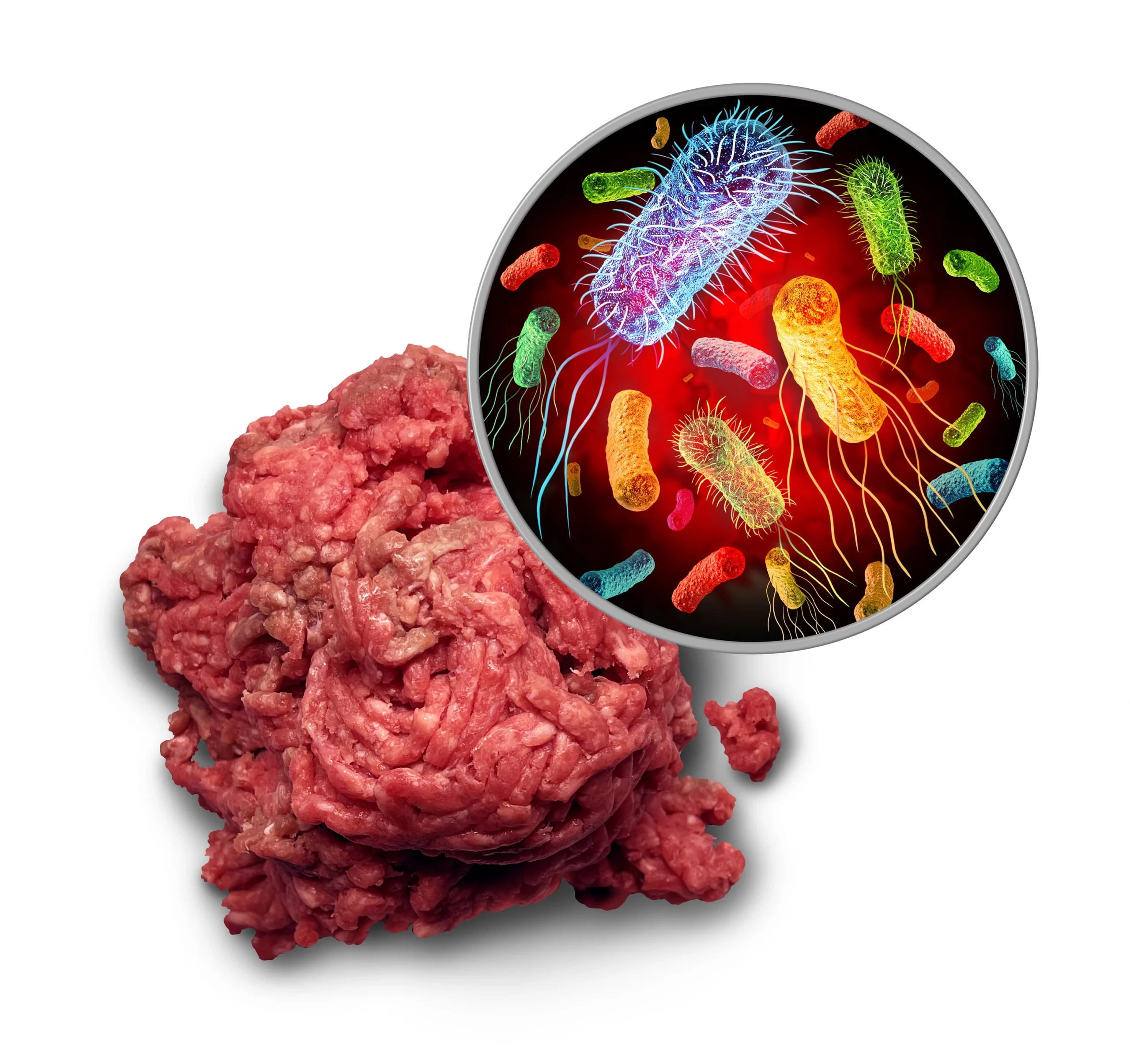

How Much Is Your Case Worth?
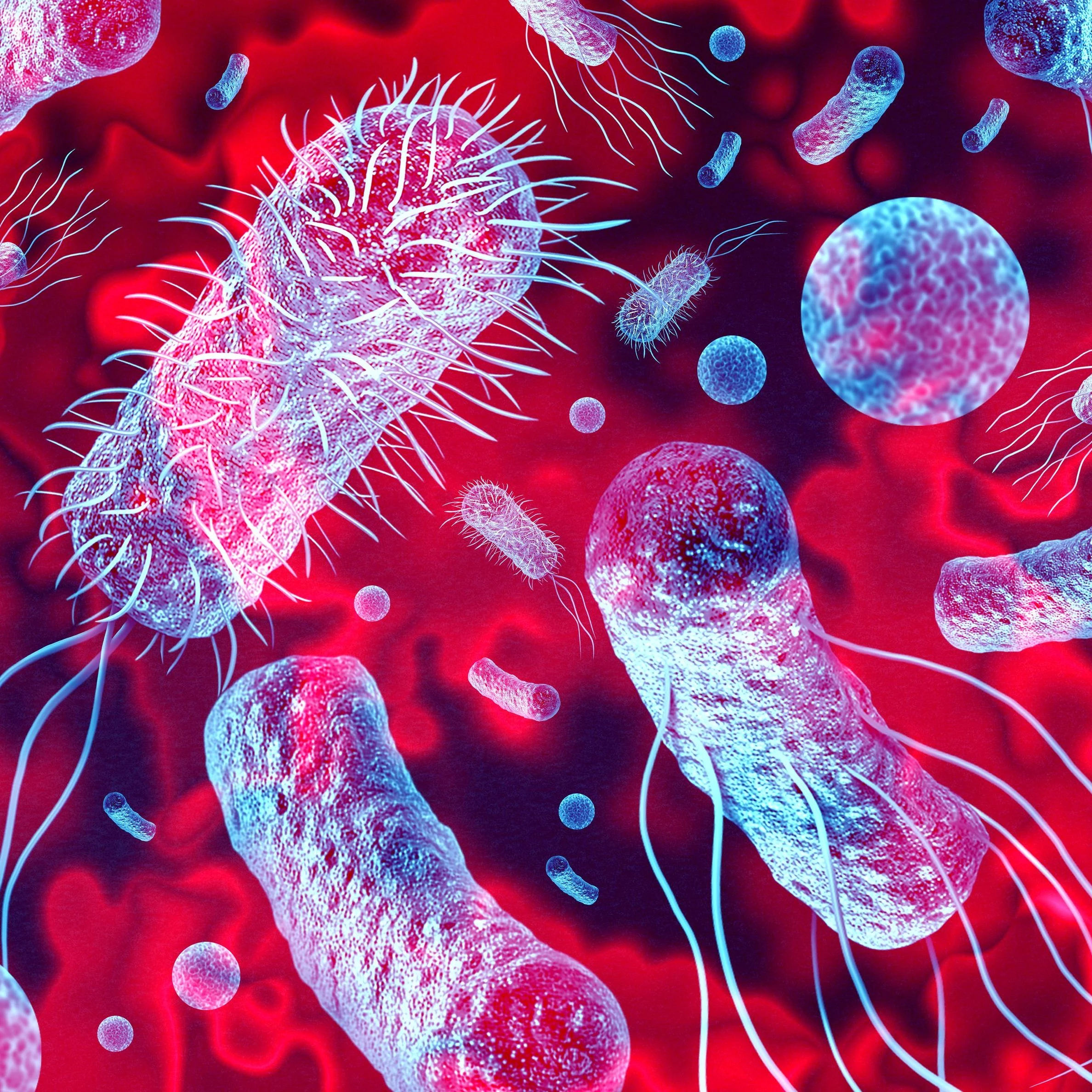
What Is Listeria?
Listeria is a harmful bacterium that can contaminate food and cause an infection called listeriosis. The CDC identifies pregnant people and newborns, adults age 65 and older, and people with weakened immune systems as groups at higher risk for severe illness.
Unlike many foodborne bacteria, Listeria can survive in refrigerated environments. The CDC warns that deli meats, cold cuts, hot dogs, deli cheeses, and prepared deli foods can become contaminated through equipment, surfaces, hands, or food handling practices.
Why Listeria Contamination Is So Dangerous
For some people, Listeria may cause a short-term illness. For high-risk patients, it can become invasive and life-threatening.
Serious Listeria complications can include:
- Bloodstream infection
- Sepsis
- Meningitis
- Encephalitis
- Pregnancy loss
- Premature delivery
- Severe newborn infection
- Death
The FDA warns that listeriosis during pregnancy can cause miscarriage, premature labor, low birth weight, infant death, or severe newborn illness. FoodSafety.gov also states that some foodborne illnesses, including Listeria, can infect the fetus even when the pregnant person does not feel seriously ill.
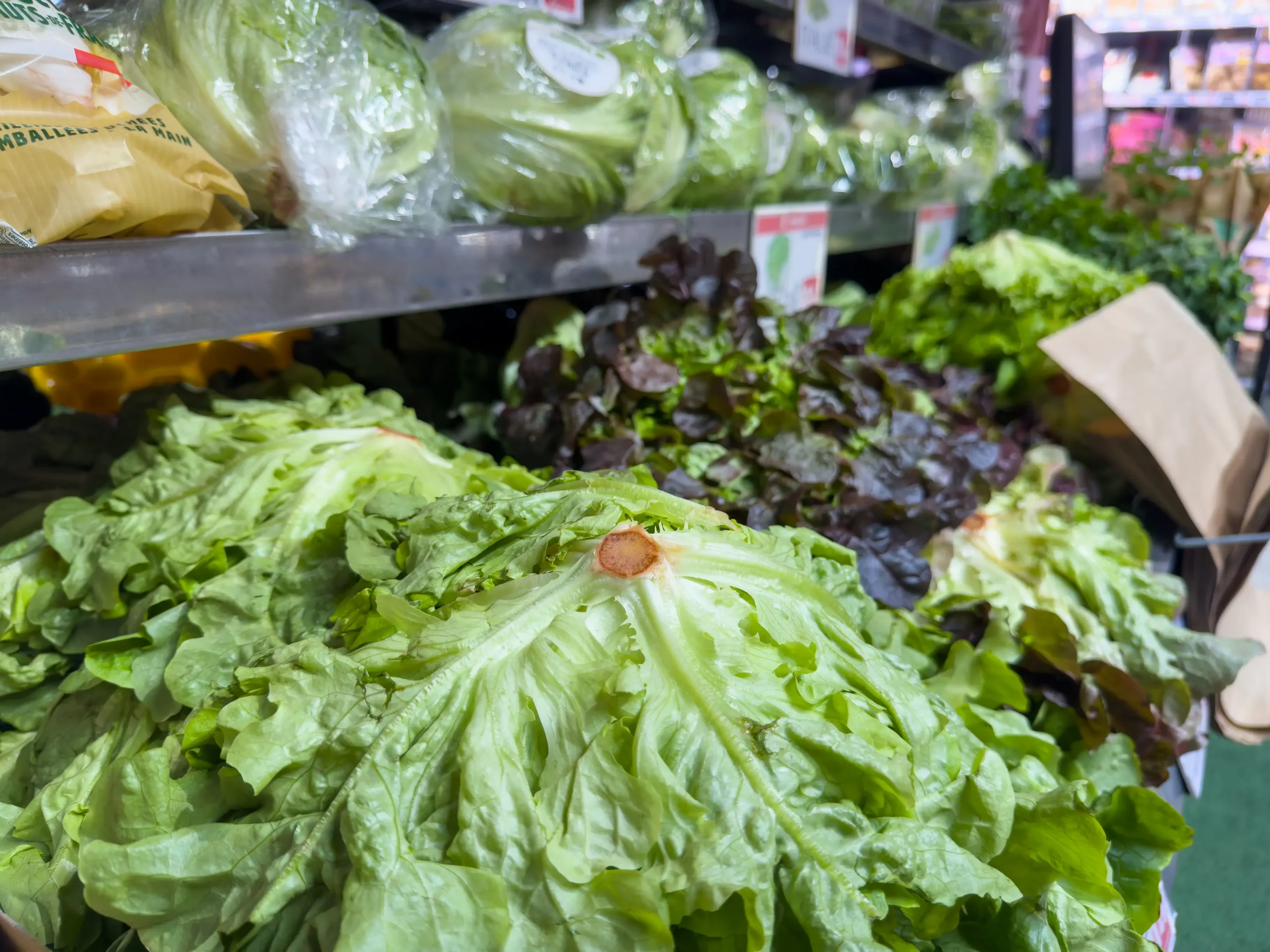

Foods Commonly Linked to Listeria Contamination
Listeria contamination is often associated with foods that are ready to eat, refrigerated, sliced, handled after processing, or consumed without further cooking.
Common sources can include:
- Deli meats and cold cuts
- Hot dogs and sausages
- Soft cheeses
- Unpasteurized milk products
- Prepared salads
- Ready-to-eat meals
- Packaged meats and poultry
- Smoked seafood
- Produce
- Ice cream and other refrigerated foods
Federal agencies have investigated Listeria concerns involving prepared meals and ready-to-eat products, including FDA and USDA food safety alerts and recall information.
Who May Have a Listeria Lawsuit?
A Listeria lawsuit may be pursued when a person develops a serious illness after eating contaminated food. These claims often involve more than a positive test result. They require a careful review of medical records, food history, purchase records, recall information, product testing, traceback evidence, and outbreak data.
A claim may involve:
- A diagnosed Listeria infection
- Hospitalization or invasive infection
- Pregnancy loss or newborn injury
- A recalled or contaminated food product
- A known outbreak linked to a food facility, restaurant, grocery store, or manufacturer
- Evidence that unsafe food handling, sanitation failures, or contaminated equipment contributed to the illness
Every case depends on the facts. A lawyer can investigate whether a manufacturer, distributor, grocery store, restaurant, food service company, or another party may be legally responsible.
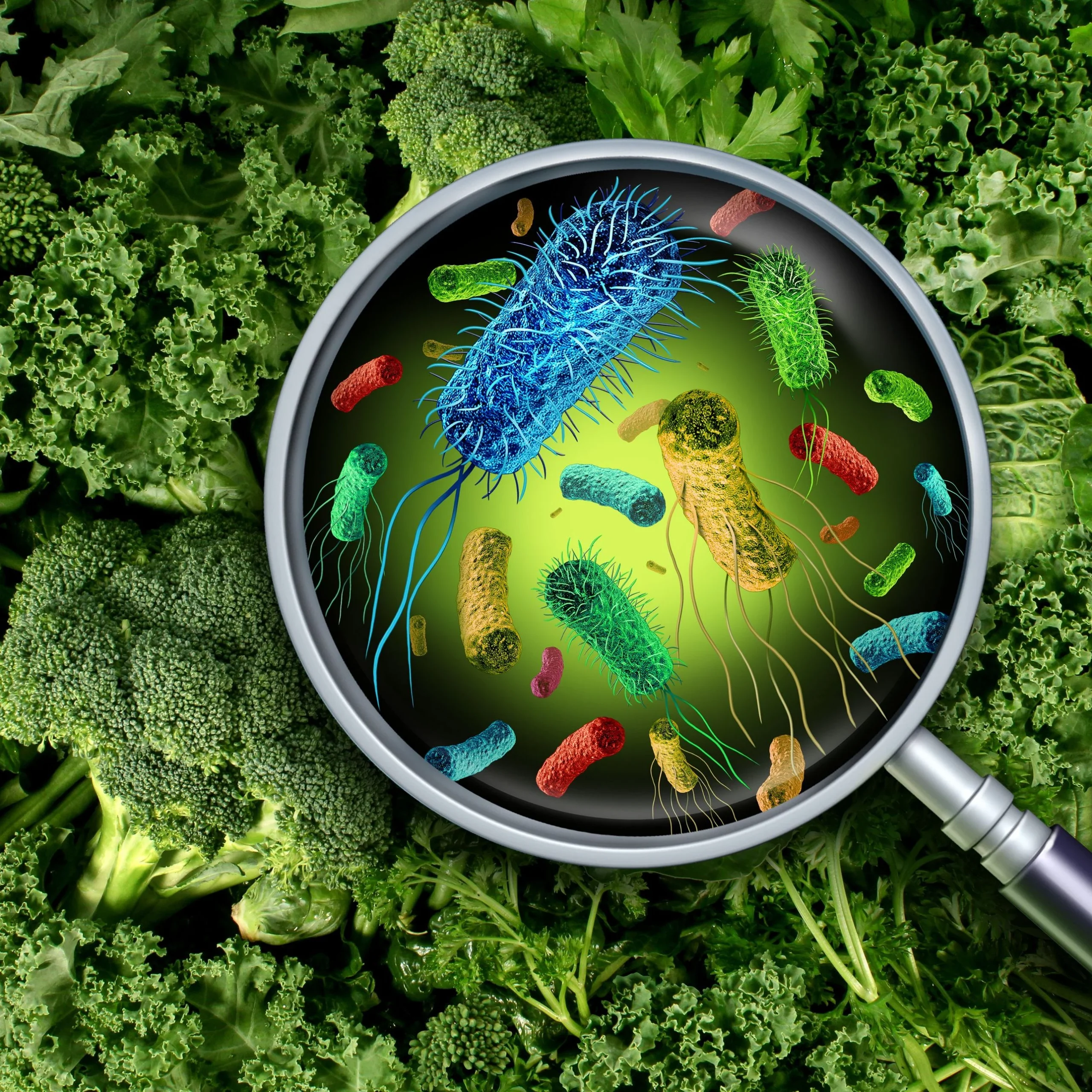
How Listeria Contamination Happens
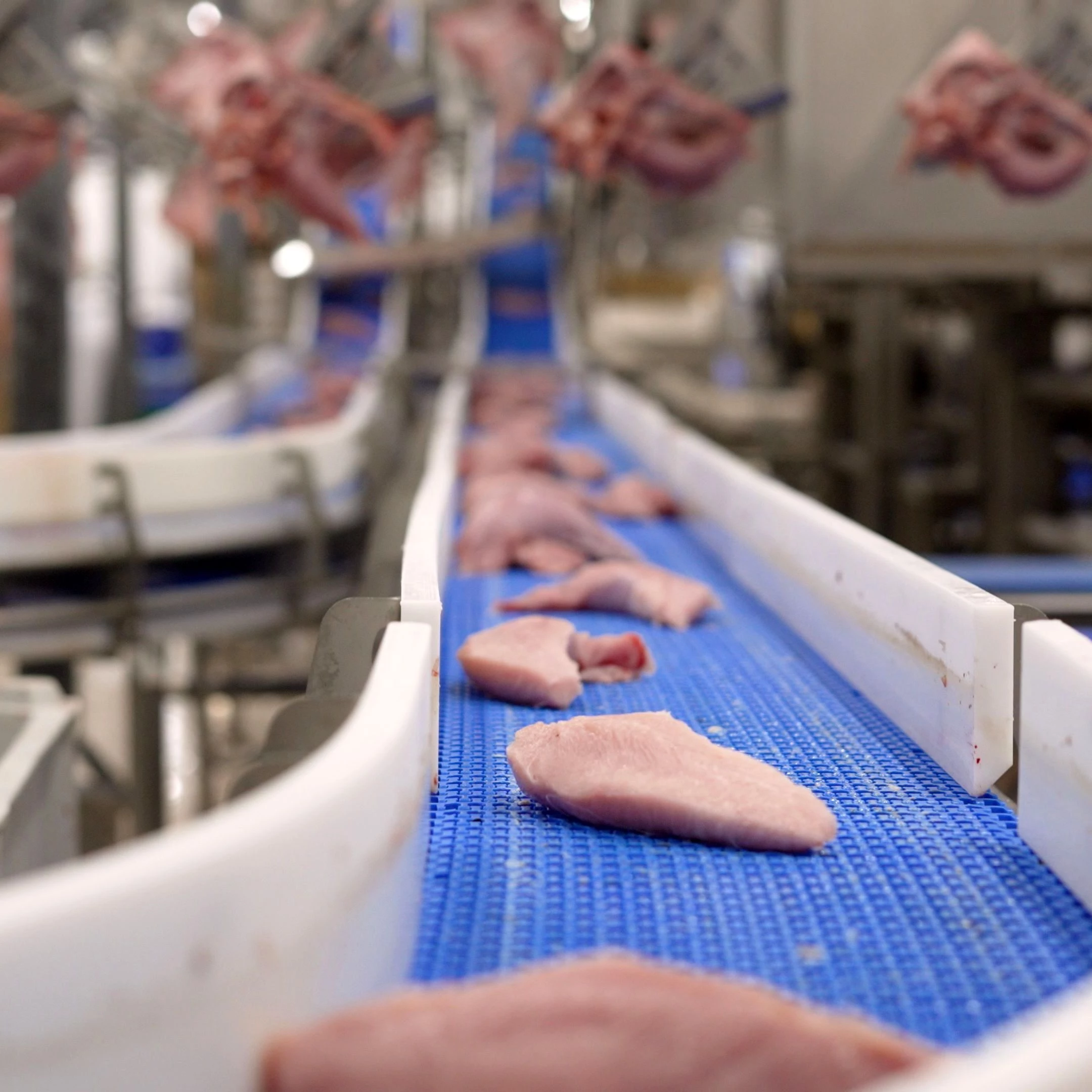
Listeria contamination can occur at different points in the food chain. Food can become contaminated during production, processing, packaging, storage, slicing, transportation, or preparation.
Possible safety failures include:
- Poor sanitation at a food processing facility
- Contaminated slicing or packaging equipment
- Cross-contamination between foods
- Unsafe temperature control
- Failure to identify environmental contamination
- Failure to remove contaminated products from the market
- Inadequate recall response
- Poor employee food safety practices
Federal food safety rules recognize that Listeria monocytogenes can contaminate ready-to-eat products after processing and must be controlled through sanitation and food safety procedures.
Evidence That May Matter in a Listeria Lawsuit
Listeria cases can be difficult to prove without quick investigation. Important evidence may disappear as food is thrown away, packaging is discarded, stores rotate inventory, and companies update or remove records.
Evidence may include:
- Medical records and lab results
- Stool, blood, placenta, or newborn testing records
- Hospital discharge summaries
- Food purchase receipts
- Grocery loyalty card records
- Product packaging
- Lot numbers, sell-by dates, and UPC codes
- Photos of food labels or packaging
- Recall notices
- Public health investigation records
- Genetic testing or outbreak data
- Facility inspection records
- Company sanitation and testing records
Families should keep any remaining food, packaging, receipts, and medical paperwork when it is safe to do so. Anyone with symptoms or pregnancy-related concerns should seek medical care promptly.

Why Listeria Lawsuits Can Be Complex
Listeria cases often involve delayed symptoms, multiple food exposures, and supply chains that include several companies. A contaminated product may pass through growers, processors, distributors, warehouses, retailers, restaurants, and food service providers before reaching the consumer.
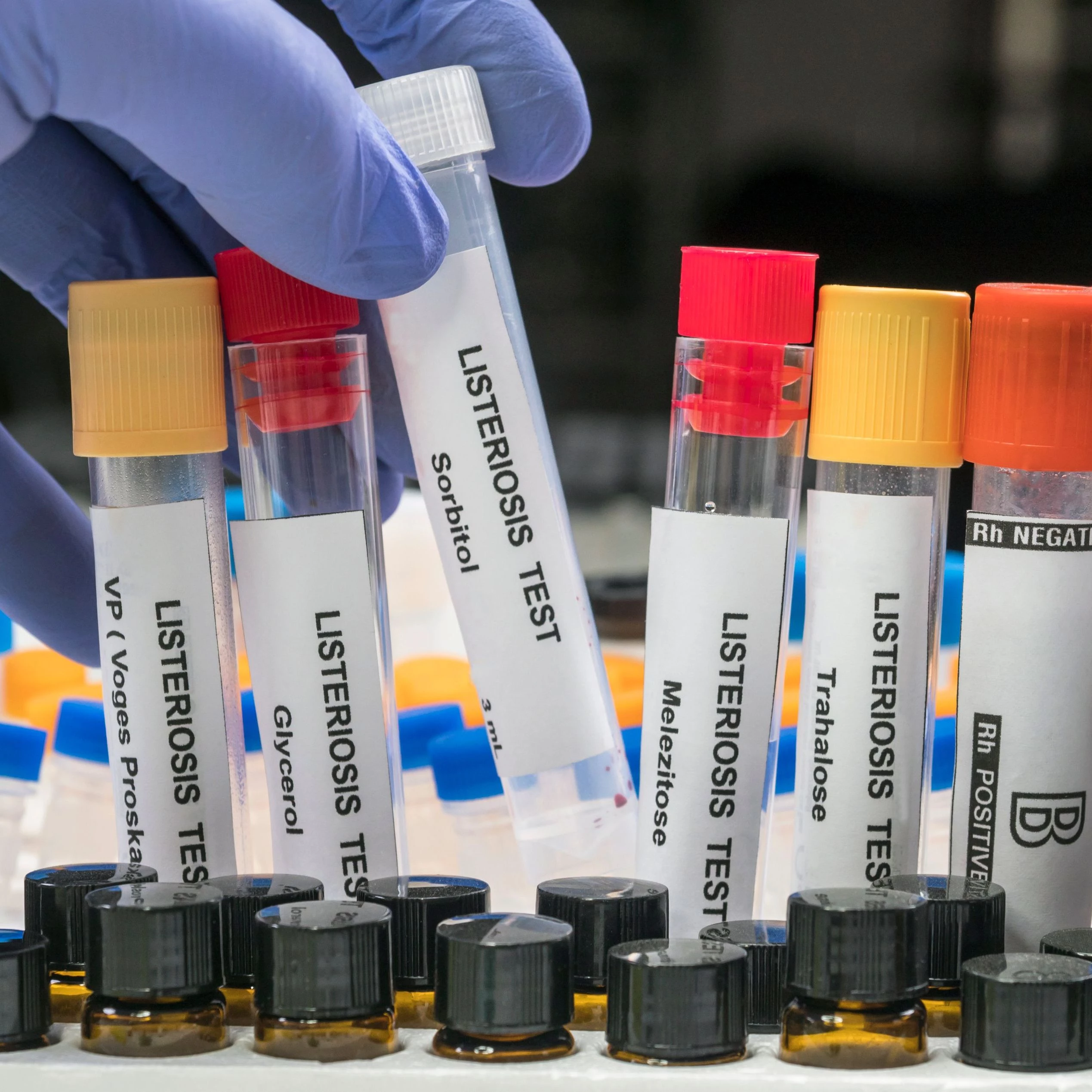
These cases can also involve technical evidence, including epidemiology, product traceback, environmental testing, and genetic sequencing. That evidence can help connect a patient’s illness to a contaminated food source or outbreak.
Talk to a Listeria Lawsuit Lawyer
A severe Listeria infection can leave families with urgent medical, financial, and legal questions. McEldrew Purtell investigates serious food contamination cases involving hospitalization, pregnancy loss, newborn injury, invasive infection, and death.
If you or a loved one suffered serious harm after a Listeria infection, contact McEldrew Purtell for a free consultation. We can review what happened, evaluate the available evidence, and explain whether a legal claim may be available.

Learn More

Raw Milk Cheese E. Coli Outbreak: 8 Hospitalized, Most Cases in Young Children
Children aged 5 and younger account for more than half of the reported illnesses in a multistate E. coli outbreak linked to Sierra Nevada Graziers raw milk cheese. As of September 25, 2026, federal health officials had identified 13 illnesses…
Toxic Chemical Exposure After Train, Truck, and Warehouse Spills
A train derailment, tanker truck crash, or warehouse spill can release hazardous chemicals into the air or across a worksite within seconds. Workers, drivers, emergency responders, nearby residents, and others may be exposed by breathing in contaminated air, getting chemicals…
Railroad Toxic Exposure Claims: Cancer, Lung Disease, and Proving Workplace Causation
Railroad workers face dangers that extend far beyond traumatic injuries and derailments. For decades, railroad employees have been exposed to toxic substances capable of causing serious illnesses, including cancer, chronic lung disease, and other life-altering medical conditions. Under the Federal…
Toxic Exposure Claims: Identifying the Right Liability Theory
Toxic exposures can cause life-altering injuries. The source may be a defective product, an unsafe workplace, a leaking facility, a mislabeled container, or a chemical release that reaches homes, schools, or nearby businesses. The legal claim depends on where the…
Growing New York City Legionnaires’ Disease Outbreak Raises Questions About Preventable Cooling Tower Failures
A growing Legionnaires’ disease outbreak on New York City’s Upper East Side has sickened at least 56 people, sending dozens to the hospital and triggering one of the city’s largest public health investigations of the year. Health officials are racing…
Supply Chain Failures: Toxic Chemical Exposure Leading to Burns, Organ Damage, and Wrongful Death
Workers, drivers, warehouse employees, emergency responders, and nearby families can suffer life-changing injuries when hazardous chemicals leak, spill, or ignite. A single transportation failure or packaging defect can expose people to toxic fumes, chemical burns, respiratory damage, explosions, or long-term…