

Answers after contaminated food.
Consumers and families have suffered serious illness after eating food contaminated with dangerous strains of E. coli. The consequences can include severe diarrhea, dehydration, hemolytic uremic syndrome, acute kidney failure, neurological complications, permanent health problems, and death.
Recalls, outbreak investigations, public health alerts, and food safety warnings continue to keep E. coli contamination in the public eye. If you or your child became seriously ill after eating contaminated food, the key question is whether unsafe food handling, preventable contamination, or a breakdown in the supply chain played a role.

How Much Is Your Case Worth?
What Is E. coli Food Contamination?
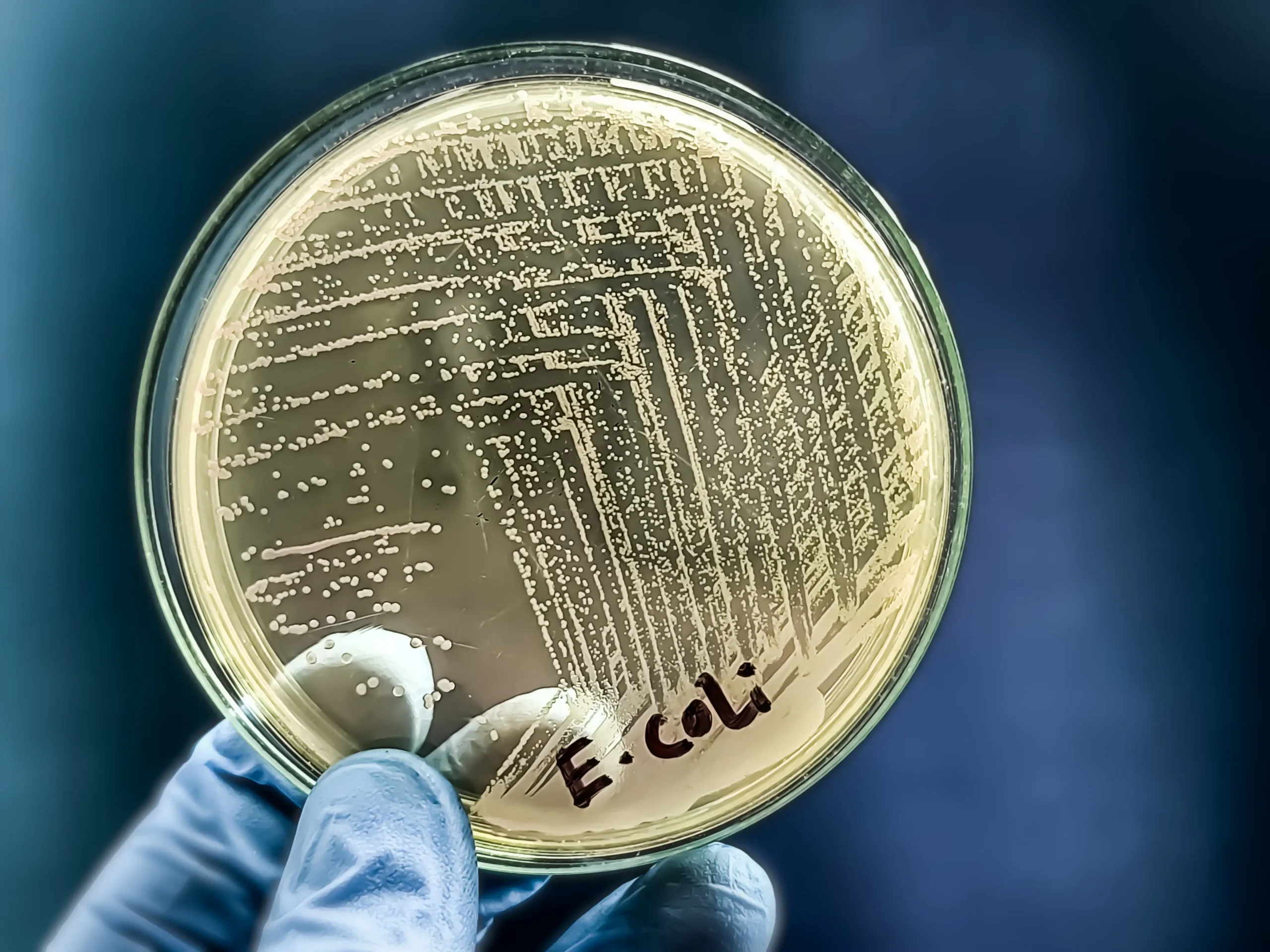
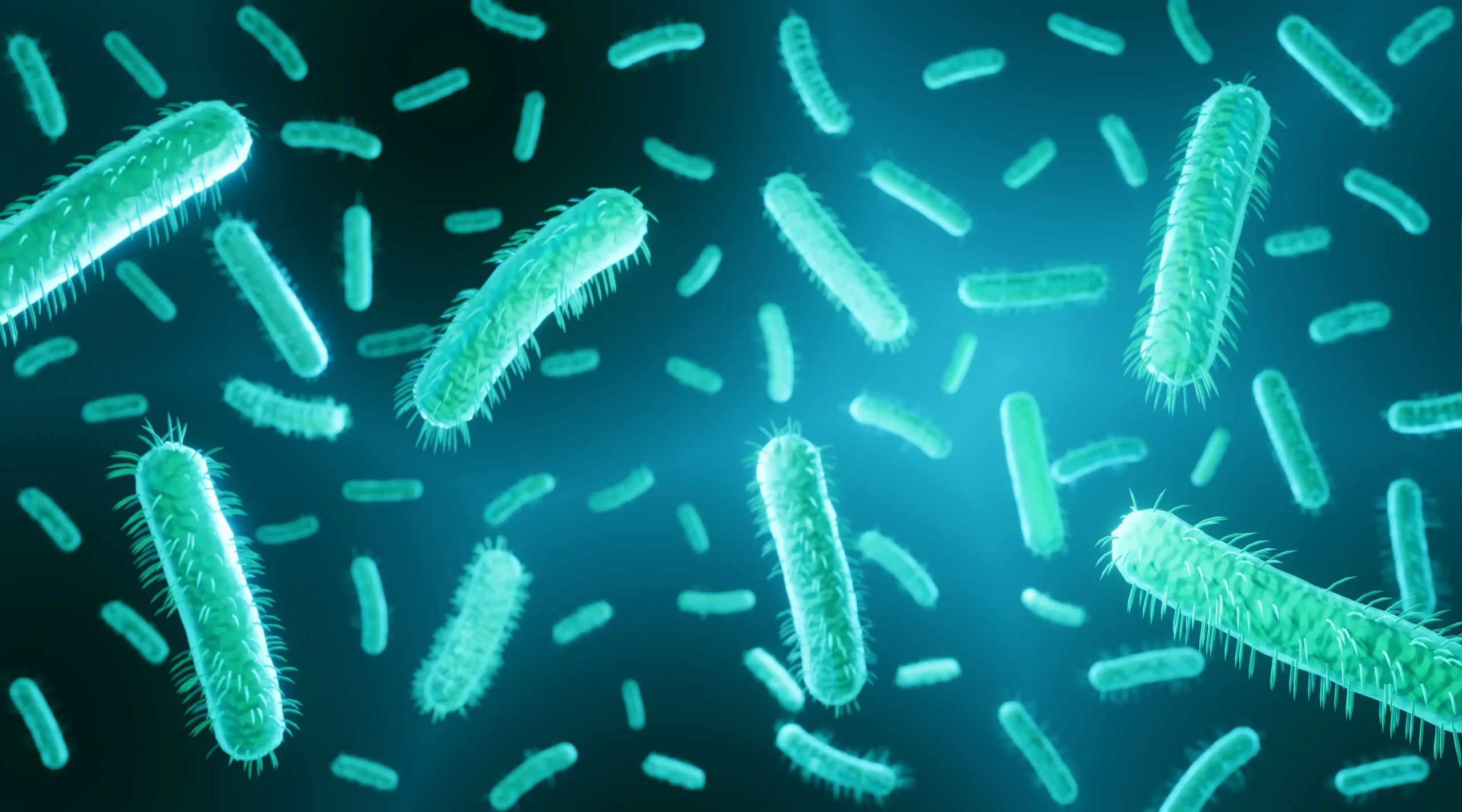
E. coli is a group of bacteria found in the environment, food, water, and the intestines of people and animals. Many types are harmless, but some can cause serious illness after a person swallows contaminated food or water. The CDC states that Shiga toxin-producing E. coli, often called STEC, can lead to hemolytic uremic syndrome, kidney failure, permanent health problems, and death.
E. coli food contamination cases often involve a contaminated product, unsafe food handling, cross-contamination, undercooking, poor sanitation, or a failure to remove unsafe food from the market. These cases can affect one person, a family, a restaurant group, or consumers across multiple states.
Foods Commonly Linked to E. coli Outbreaks
E. coli contamination can occur at many points in the food supply chain, including farms, slaughterhouses, processing plants, packing facilities, restaurants, grocery stores, and home kitchens. FDA materials identify prior U.S. outbreaks involving foods such as leafy greens, sprouts, raw milk and cheeses, raw beef, and poultry.
Common sources investigated in E. coli food contamination cases include:
- Ground beef and other meat products
- Leafy greens, lettuce, spinach, and packaged salads
- Sprouts
- Raw milk and unpasteurized dairy products
- Soft cheeses made with unpasteurized milk
- Contaminated produce
- Food served at restaurants, cafeterias, daycares, schools, or catered events
- Foods recalled because of possible E. coli contamination
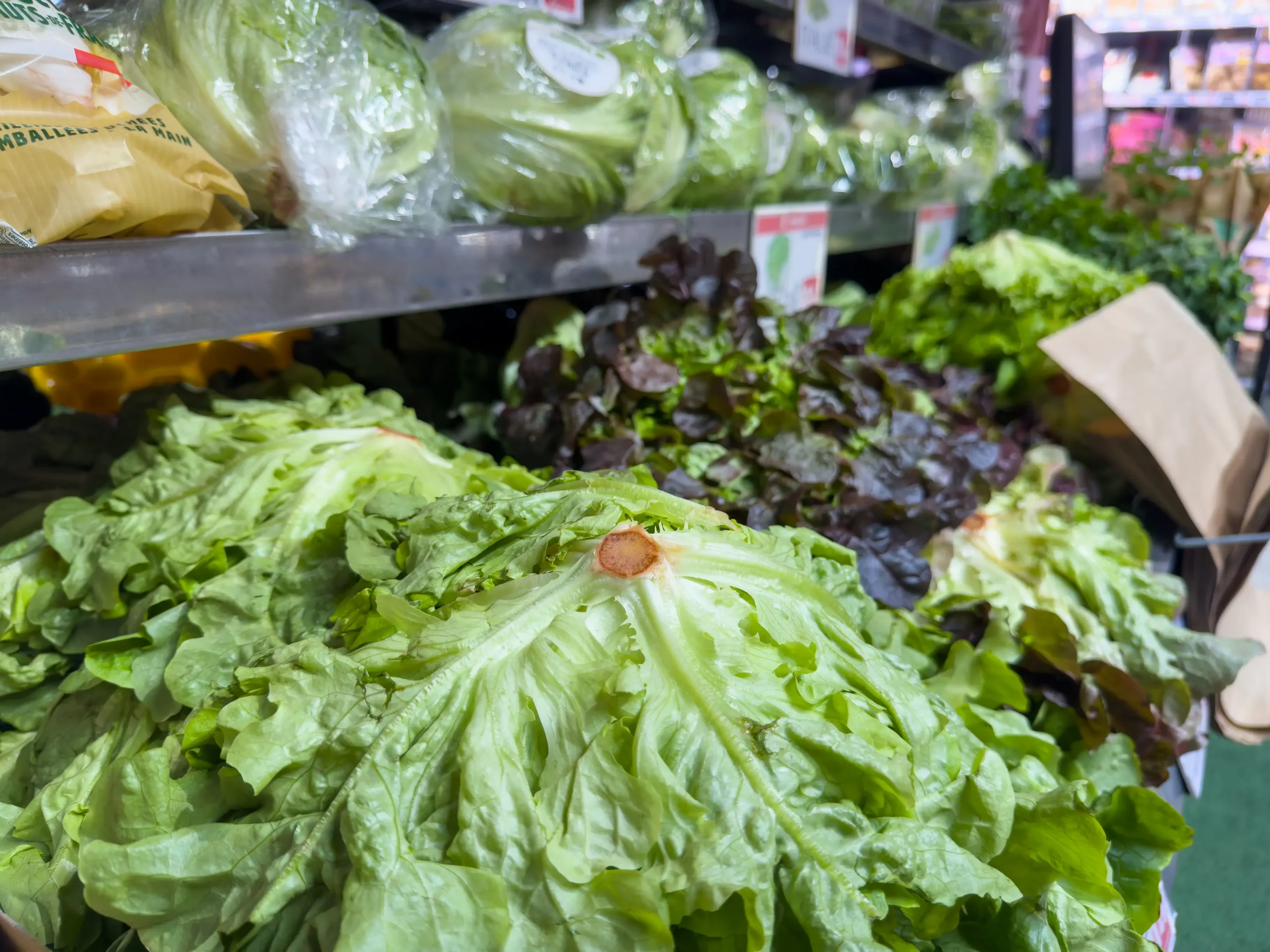
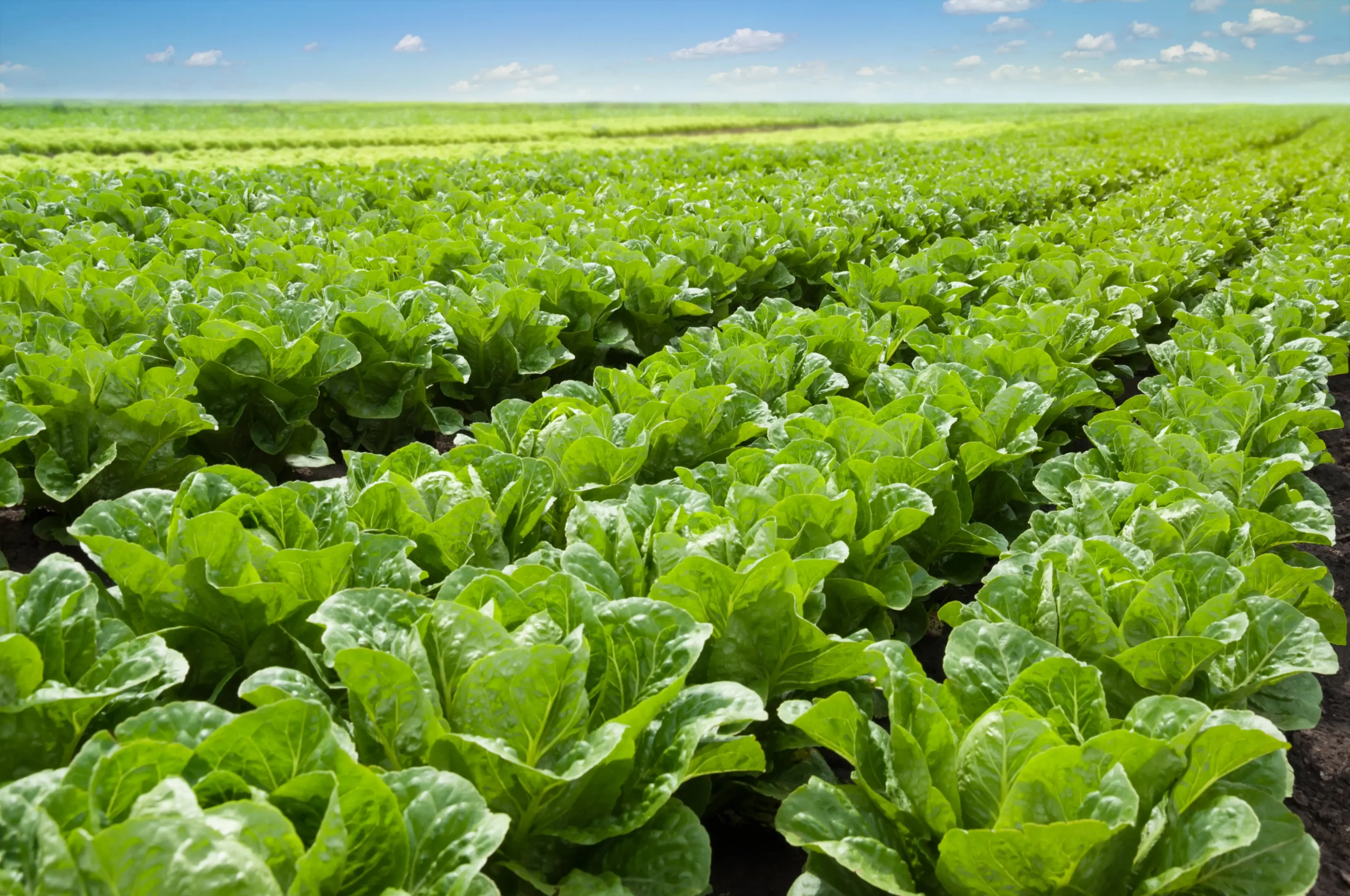
Fresh produce can be especially difficult to control because contamination may occur through soil, water, animals, equipment, harvesting, processing, or distribution. The FDA has noted that leafy greens have been repeatedly associated with illnesses caused by Shiga toxin-producing E. coli.
Serious Injuries Caused by E. coli
Many E. coli infections cause diarrhea, stomach cramps, vomiting, or low fever. Some cases become far more serious. CDC guidance states that symptoms can include bloody or watery diarrhea, severe stomach cramps, vomiting, fever, dehydration, and signs of hemolytic uremic syndrome.
Severe E. coli illness can involve:
- Hemolytic uremic syndrome
- Acute kidney injury or kidney failure
- Dialysis
- Neurological complications
- Seizures or decreased alertness
- High blood pressure
- Chronic kidney disease
- Death
HUS is a medical emergency. The CDC states that HUS can lead to kidney failure, permanent health problems, and death, and that signs may include little or no urination, blood in urine, unusual bruising, extreme tiredness, irritability, or decreased alertness.
How E. coli Contamination Happens
E. coli contamination usually raises questions about how bacteria entered the food supply and why the contaminated product reached consumers. In serious cases, an investigation may examine:
- Contaminated irrigation water or agricultural runoff
- Animal waste near growing fields
- Unsafe slaughter or processing practices
- Grinding practices that spread bacteria throughout beef
- Undercooking of ground beef or other foods
- Cross-contamination between raw and ready-to-eat foods
- Poor employee hygiene or inadequate handwashing
- Dirty equipment, surfaces, utensils, or food contact areas
- Failure to follow food safety plans
- Delayed recall or delayed public warning
- Weak traceback records after illnesses were reported
Restaurants and food service operations must control risks tied to undercooking and cross-contamination. CDC materials on restaurant ground beef handling identify proper cooking, thermometer use, handwashing, and equipment cleaning as important practices for reducing E. coli risks.
When an E. coli Food Contamination Claim May Be Investigated
An E. coli food contamination claim may be investigated when a person suffers serious illness after eating food that was contaminated, recalled, mishandled, undercooked, or linked to an outbreak. A claim often depends on whether the illness can be connected to a specific food, restaurant, supplier, manufacturer, distributor, or food service provider.
Potential claims may involve:
- A contaminated food product sold to consumers
- A restaurant or food service provider that served unsafe food
- A supplier or distributor that failed to control contamination risks
- A processor or manufacturer that allowed contaminated food into commerce
- A grocery store or retailer that sold recalled or unsafe food
- A daycare, school, nursing facility, or event venue that served contaminated food
Evidence That May Matter in an E. coli Case
E. coli food contamination cases often require fast evidence preservation. Food may be thrown away, packaging may be lost, and records may become harder to obtain.
Important evidence may include:
- Medical records and lab test results
- Stool culture or genetic testing results
- Hospital records showing HUS, kidney injury, or other complications
- Receipts, loyalty card records, delivery app records, or bank statements
- Leftover food, packaging, labels, lot numbers, or photos
- Restaurant menus, order records, and reservation records
- Recall notices, public health alerts, or outbreak notices
- Health department communications
- Food supplier and distribution records
- Inspection reports and sanitation records
- Employee training records
- Temperature logs and cooking records
- Cleaning and cross-contamination policies
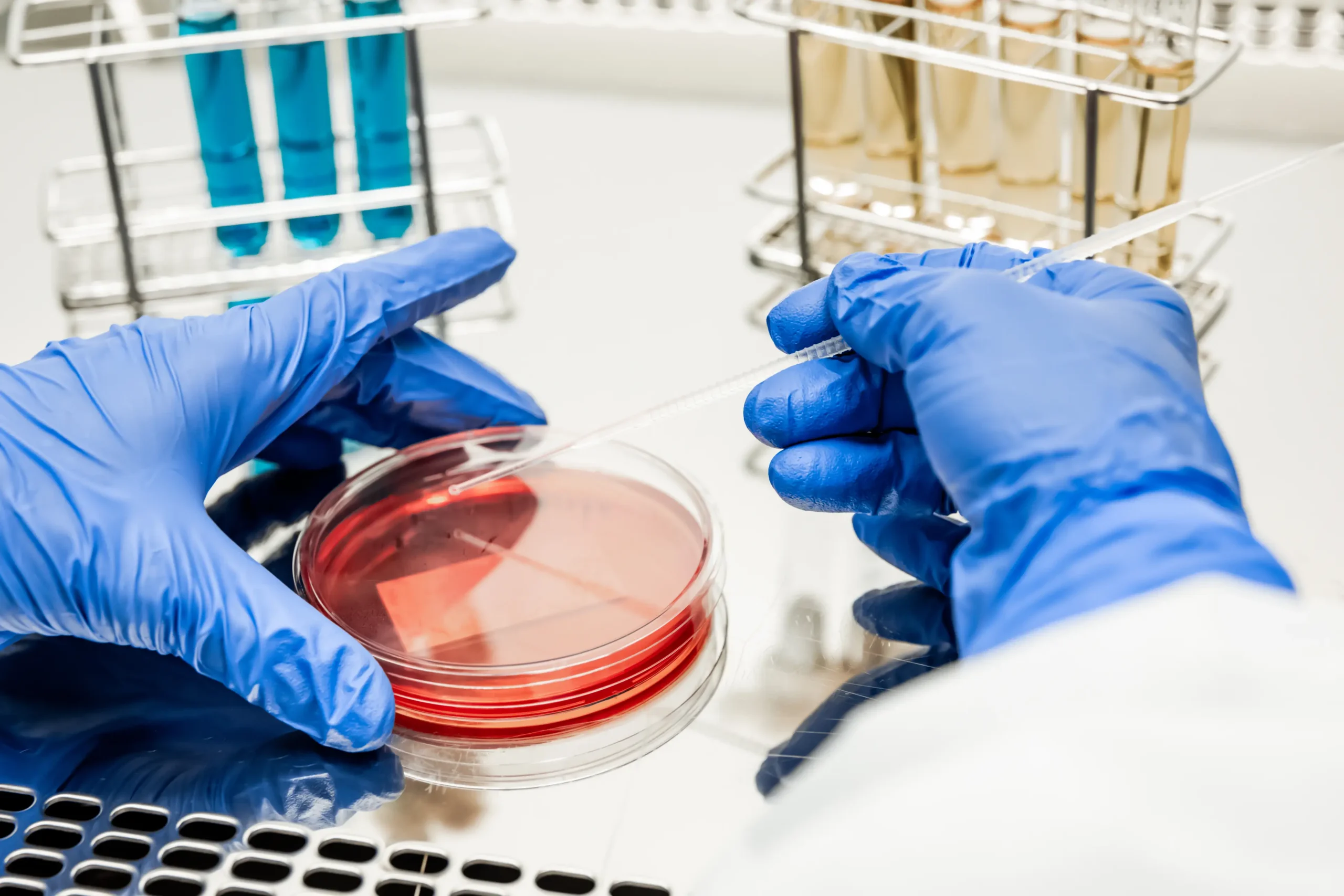
Public health agencies may use traceback investigations, testing, and whole genome sequencing to identify links between illnesses and contaminated food. A civil legal investigation can use that information, along with business records and expert review, to examine responsibility.

What Families Should Do After a Serious E. coli Illness
Medical care comes first. Anyone with bloody diarrhea, severe dehydration, little or no urination, unusual bruising, extreme tiredness, confusion, or signs of HUS should seek medical attention immediately.
Families should also try to preserve information that may help identify the source of contamination. Keep food packaging, receipts, delivery records, photos, and written notes about what the injured person ate in the days before symptoms began. Do not rely on memory alone. Dates, restaurant names, grocery stores, brands, and lot numbers can matter.
It may also help to write down the timeline of symptoms, doctor visits, emergency room care, hospitalization, dialysis, and follow-up treatment. This information can help connect the illness, the exposure, and the harm suffered.
Talk to an E. coli Food Contamination Lawyer
A severe E. coli infection can leave a family facing hospitalization, kidney injury, long-term medical monitoring, missed work, and lasting uncertainty. When contaminated food may be responsible, the investigation should begin before evidence disappears.
McEldrew Purtell reviews serious E. coli food contamination cases involving HUS, kidney failure, severe illness, and wrongful death. Contact McEldrew Purtell for a free consultation to discuss what happened, what evidence may matter, and whether a preventable food safety failure may have played a role.

Learn More

Raw Milk Cheese E. Coli Outbreak: 8 Hospitalized, Most Cases in Young Children
Children aged 5 and younger account for more than half of the reported illnesses in a multistate E. coli outbreak linked to Sierra Nevada Graziers raw milk cheese. As of September 25, 2026, federal health officials had identified 13 illnesses…
Toxic Chemical Exposure After Train, Truck, and Warehouse Spills
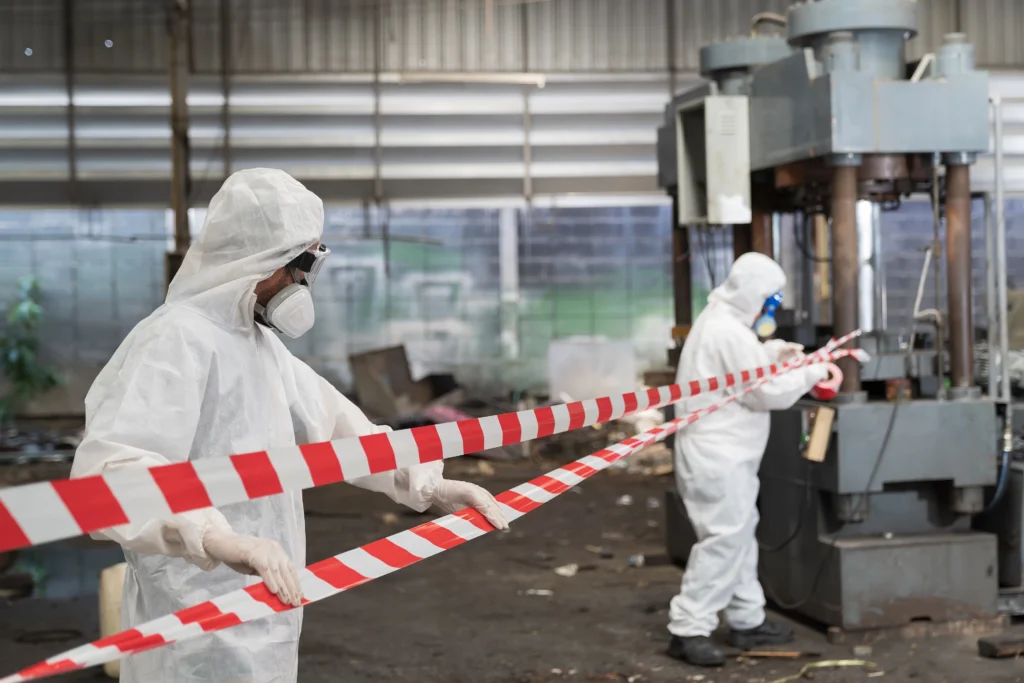
A train derailment, tanker truck crash, or warehouse spill can release hazardous chemicals into the air or across a worksite within seconds. Workers, drivers, emergency responders, nearby residents, and others may be exposed by breathing in contaminated air, getting chemicals…
Railroad Toxic Exposure Claims: Cancer, Lung Disease, and Proving Workplace Causation
Railroad workers face dangers that extend far beyond traumatic injuries and derailments. For decades, railroad employees have been exposed to toxic substances capable of causing serious illnesses, including cancer, chronic lung disease, and other life-altering medical conditions. Under the Federal…
Toxic Exposure Claims: Identifying the Right Liability Theory
Toxic exposures can cause life-altering injuries. The source may be a defective product, an unsafe workplace, a leaking facility, a mislabeled container, or a chemical release that reaches homes, schools, or nearby businesses. The legal claim depends on where the…
Growing New York City Legionnaires’ Disease Outbreak Raises Questions About Preventable Cooling Tower Failures
A growing Legionnaires’ disease outbreak on New York City’s Upper East Side has sickened at least 56 people, sending dozens to the hospital and triggering one of the city’s largest public health investigations of the year. Health officials are racing…
Supply Chain Failures: Toxic Chemical Exposure Leading to Burns, Organ Damage, and Wrongful Death
Workers, drivers, warehouse employees, emergency responders, and nearby families can suffer life-changing injuries when hazardous chemicals leak, spill, or ignite. A single transportation failure or packaging defect can expose people to toxic fumes, chemical burns, respiratory damage, explosions, or long-term…