

The Hidden Dangers of Last-Mile Delivery
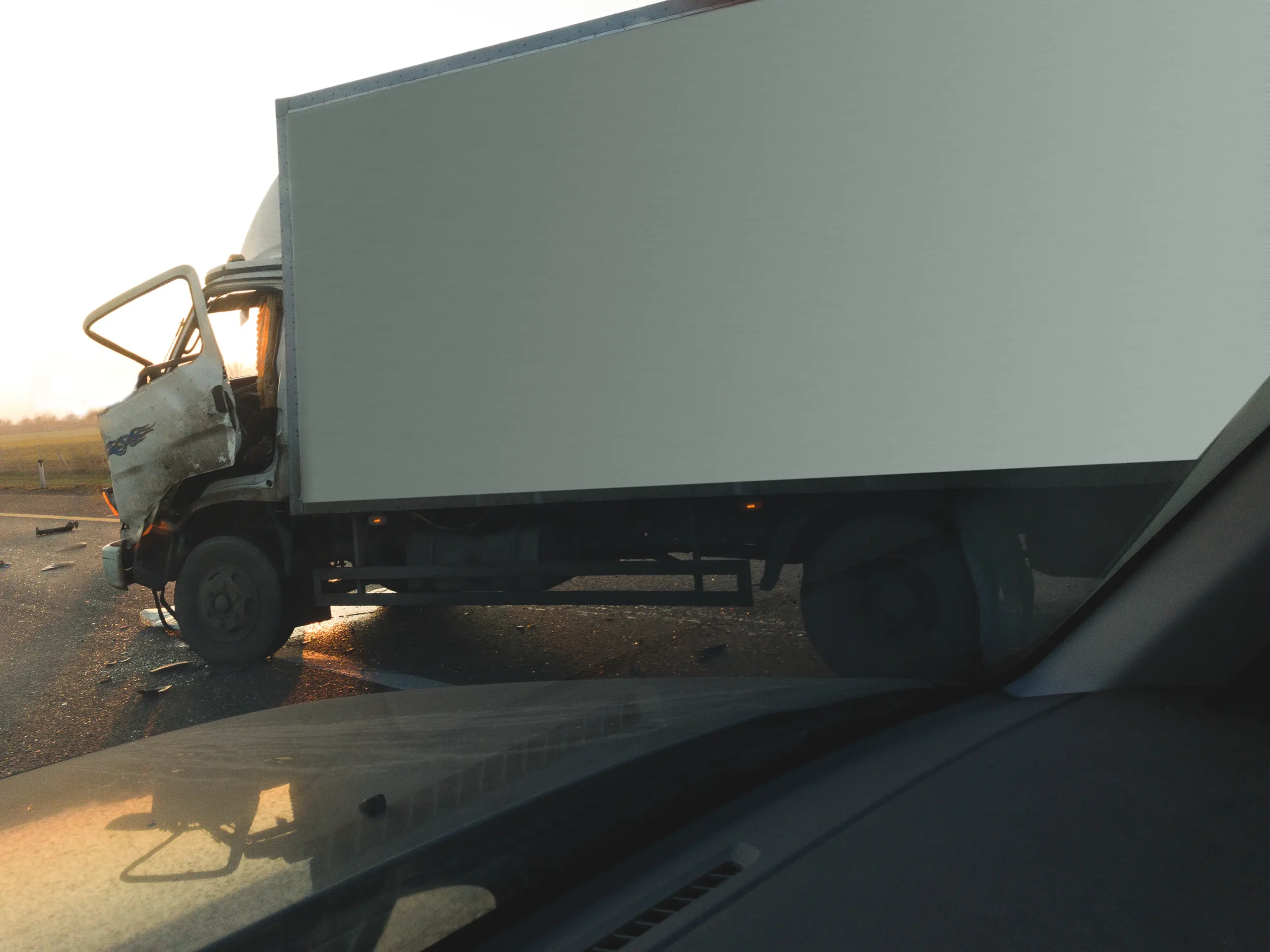
The rise of e-commerce has transformed how goods move, but it has also created intense pressure on drivers to deliver faster, farther, and with fewer safeguards. Last-mile and commercial delivery drivers often operate under strict quotas, tight deadlines, and constant monitoring, all of which can lead to dangerous decisions behind the wheel.
When companies prioritize speed and volume over safety, the consequences can be devastating. Serious crashes involving delivery vans, box trucks, and contracted fleet vehicles frequently result in catastrophic injuries or loss of life. These cases demand a deep understanding of both roadway negligence and the complex web of companies behind modern delivery systems.


How Much Is Your Case Worth?
Why These Crashes Keep Happening
Behind many delivery-related crashes is a system designed for efficiency, not safety. Common contributing factors include:
- Driver fatigue from long shifts and unrealistic delivery quotas
- Distracted driving due to GPS navigation, dispatch apps, and handheld devices
- Poor route planning that forces unsafe turns, illegal parking, or rushed driving
- Inadequate driver training or supervision by contractors and subcontractors
- Pressure from employers or gig platforms to meet delivery metrics at any cost
- Negligent hiring practices, including failure to screen driving records
- Lack of maintenance or inspection of delivery vehicles
These are not isolated mistakes. They are often predictable outcomes of systemic failures.
Life-Altering Injuries in Delivery Vehicle Crashes
Collisions involving commercial delivery vehicles can be especially severe due to vehicle size, weight, and impact force. Victims may suffer:
- Traumatic brain injuries (TBI)
- Spinal cord injuries and paralysis
- Multiple fractures and orthopedic trauma
- Internal organ damage and hemorrhage
- Severe burns or crush injuries
- Permanent disability or disfigurement
These injuries often require lifelong care, rehabilitation, and significant financial resources.


Wrongful Death After a Delivery Crash
When a delivery-related crash results in loss of life, families are left facing unimaginable grief along with financial and legal burdens. Wrongful death claims can arise when negligence (whether by a driver, contractor, or corporate entity) caused or contributed to the fatal incident. Our goal is to secure accountability and recover compensation for funeral expenses, lost income, and the profound loss suffered by surviving loved ones.
Who May Be Responsible
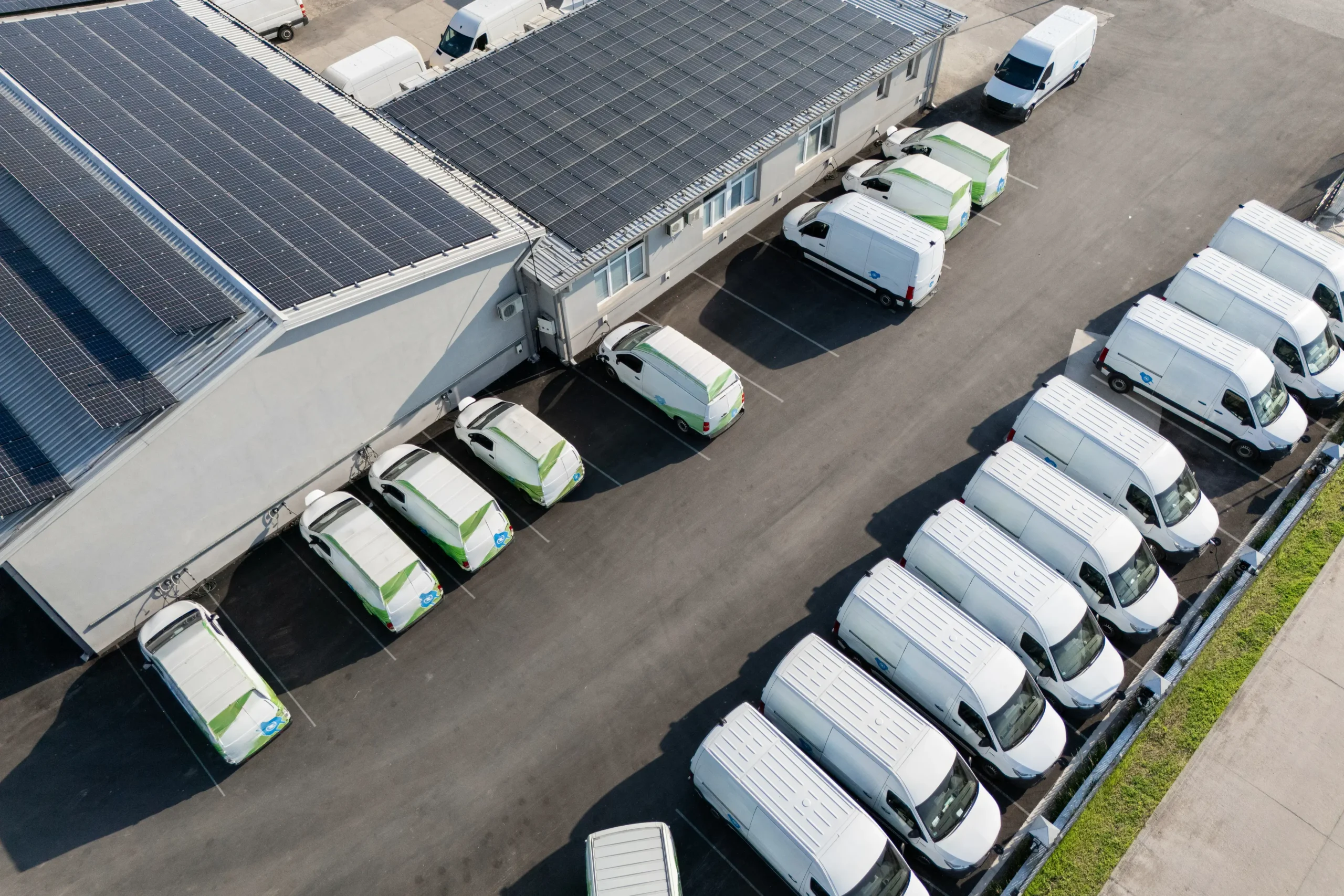
Last-mile delivery cases often involve multiple layers of responsibility. Identifying all liable parties is critical to maximizing recovery. Potential defendants may include:
- Delivery drivers and their direct employers
- Third-party logistics providers (3PLs)
- National retailers and e-commerce companies
- Contracted delivery service providers (DSPs)
- Gig-economy platforms and fleet operators
- Vehicle owners, leasing companies, or maintenance providers
These entities often attempt to shift blame through complex contracts, but we cut through those structures to hold the right parties accountable.

How We Build Strong Delivery Crash Cases
These cases require more than a standard crash investigation. We take an aggressive, evidence-driven approach to uncover systemic negligence:
- Securing telematics, GPS data, and delivery logs to track driver behavior
- Analyzing dispatch communications, quotas, and performance metrics
- Reviewing driver schedules to identify fatigue and hours-of-service violations
- Investigating hiring, training, and supervision practices
- Inspecting vehicle maintenance records and safety compliance
- Working with accident reconstruction and trucking safety experts
By connecting company policies to real-world outcomes, we build cases that show not just what happened, but why it was preventable.
How McEldrew Purtell Can Help
At McEldrew Purtell, we focus on catastrophic injury and wrongful death cases where corporate decisions lead to serious harm. We understand how delivery networks operate and how they try to avoid responsibility when things go wrong.
When delivery systems fail, the impact is personal and permanent. We are here to hold the responsible parties accountable and fight for the outcome you deserve.
If you were injured in a commercial vehicle crash, we may be able to help. Contact McEldrew Purtell for a free, confidential evaluation.

Learn More
Toxic Chemical Exposure After Train, Truck, and Warehouse Spills
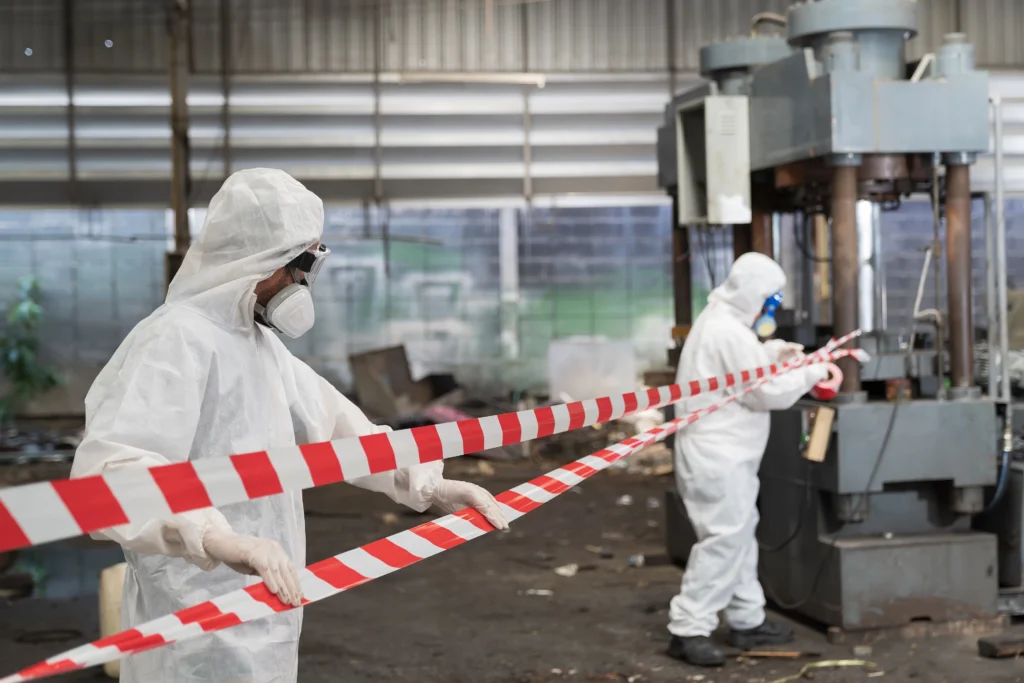
A train derailment, tanker truck crash, or warehouse spill can release hazardous chemicals into the air or across a worksite within seconds. Workers, drivers, emergency responders, nearby residents, and others may be exposed by breathing in contaminated air, getting chemicals…
Warehouse Crush Injuries: Severe Limb Damage and Amputations
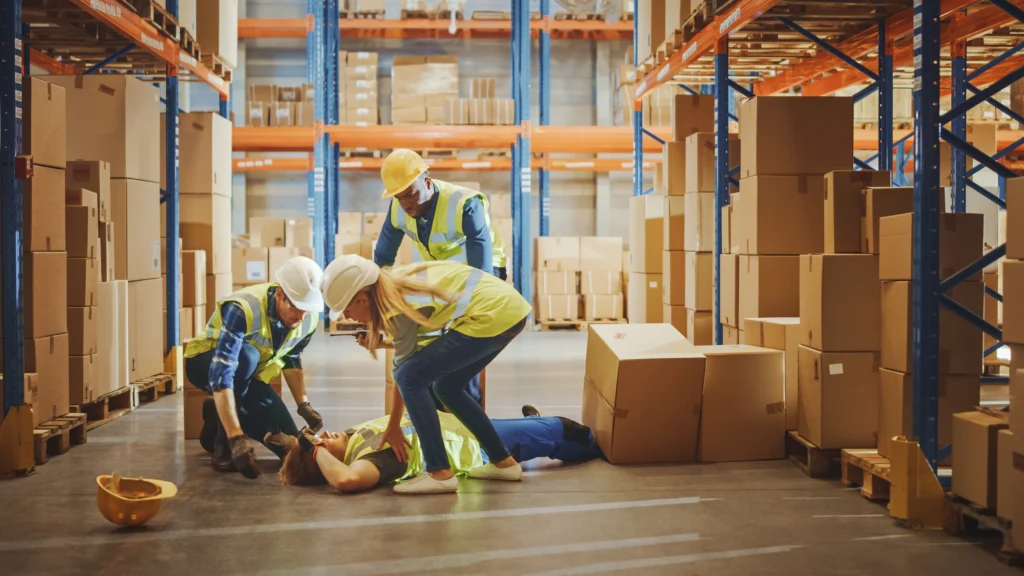
A warehouse crush injury happens when a forklift, machine, trailer, collapsing load, or other heavy equipment traps an arm, leg, hand, or foot; the resulting force can destroy bone, muscle, blood vessels, nerves, and skin. What begins as a workplace…
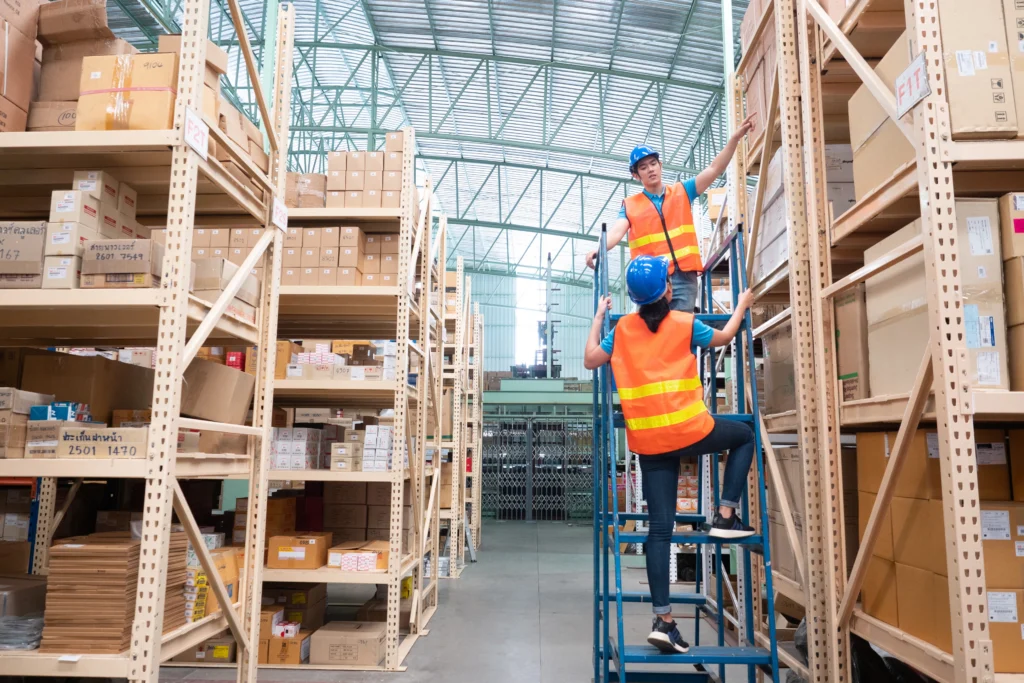
Traumatic Brain Injuries (TBI), Paralysis, and Wrongful Death Caused by Warehouse Falls
Warehouse workers have suffered permanent brain damage, paralysis, or death within seconds of a fall from a storage rack, mezzanine, ladder, loading dock, or raised pallet. A worker may strike a concrete floor, shelving, machinery, or stored materials with enough…
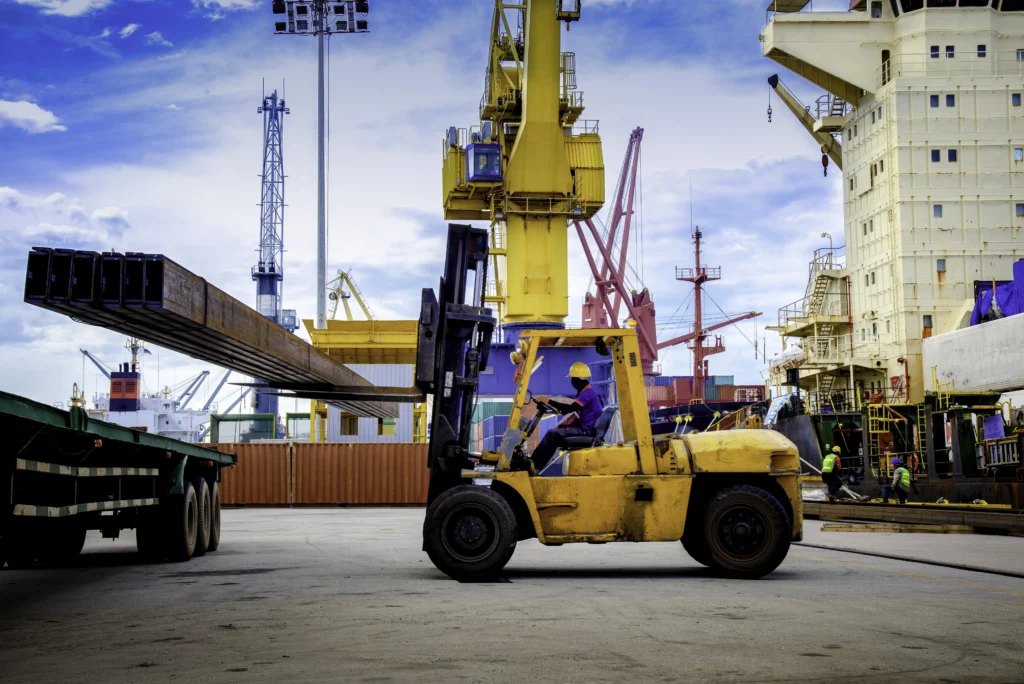
Warehouse and Yard Injuries: The Safety Failures That Put Workers in Danger
Warehouse safety often focuses on what happens inside the facility: forklifts in aisles, pallet racks, conveyor systems, and loading areas. But some of the most dangerous conditions develop outside the building, where trucks move in and out, trailers are staged,…
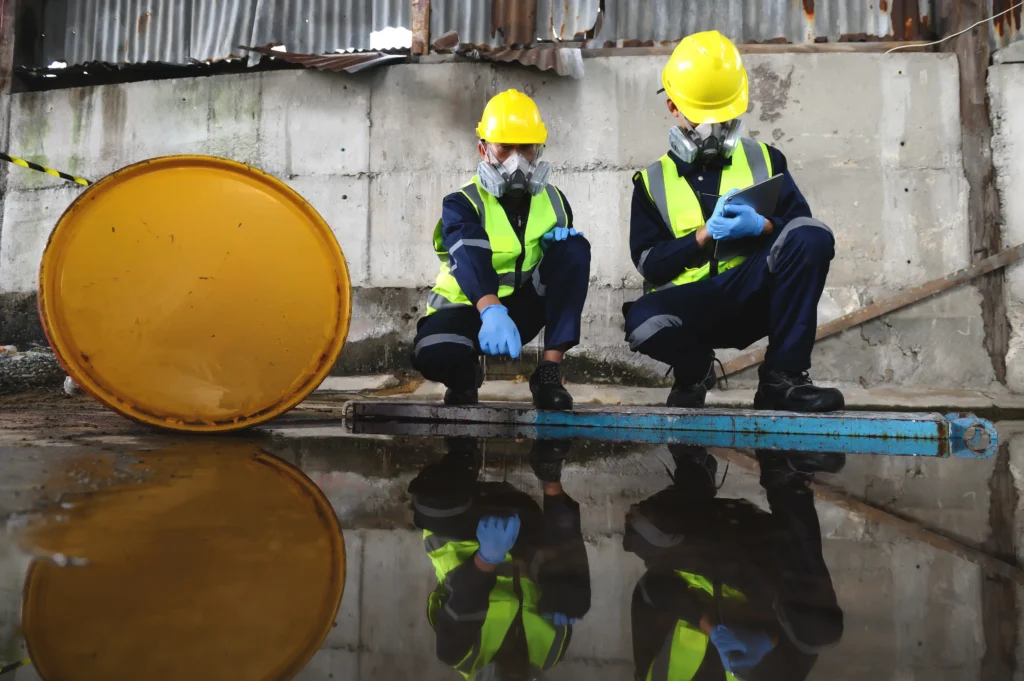
Supply Chain Failures: Toxic Chemical Exposure Leading to Burns, Organ Damage, and Wrongful Death
Workers, drivers, warehouse employees, emergency responders, and nearby families can suffer life-changing injuries when hazardous chemicals leak, spill, or ignite. A single transportation failure or packaging defect can expose people to toxic fumes, chemical burns, respiratory damage, explosions, or long-term…
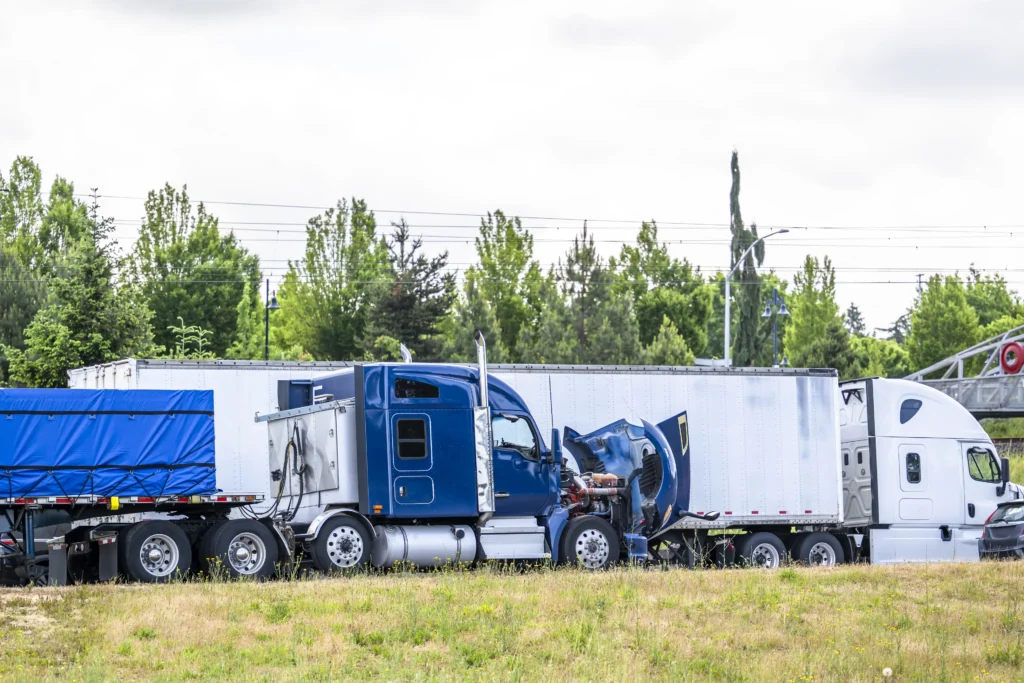
Corporate Negligence in Trucking: When Company Decisions Cause Safety Issues
Families traveling on the highway may not realize that the commercial trucks driving beside them are not always operated by safe or even easily identifiable companies. Often, that only becomes clear after a serious crash, when victims and their families…