

When Cargo Handling Goes Wrong
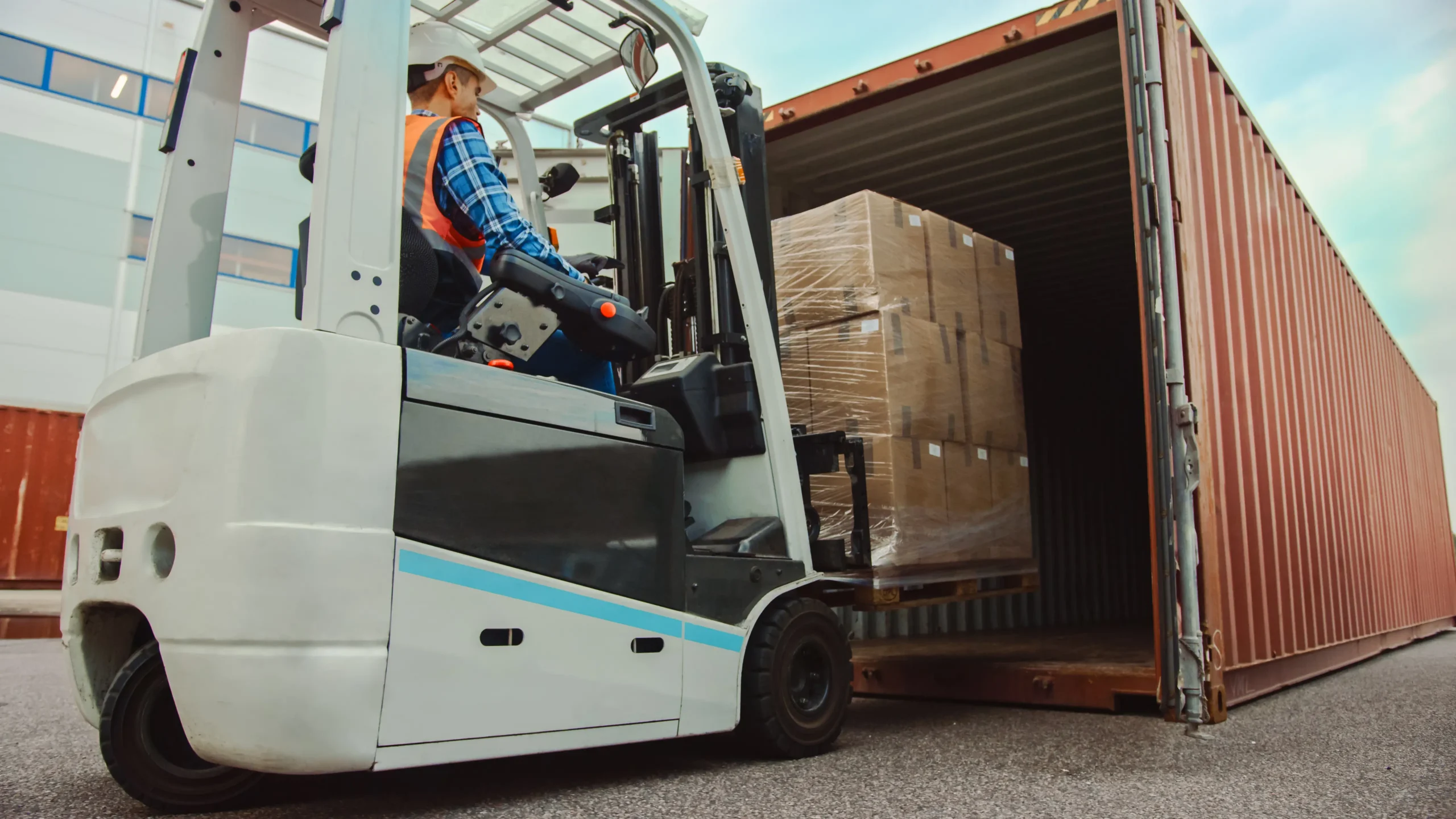
Cargo loading, unloading, and securement failures are among the most dangerous breakdowns in the supply chain. Whether inside a warehouse, at a loading dock, or out on the roadway, improperly handled freight can shift, fall, or collapse with devastating force.
These incidents often lead to catastrophic injuries or fatal crashes, especially when overloaded trailers, unstable pallets, or failed tie-downs go unchecked. At McEldrew Purtell, we investigate these failures from start to finish, identifying where safety protocols broke down and who is responsible.

How Much Is Your Case Worth?
Breakdowns in Safety and Oversight
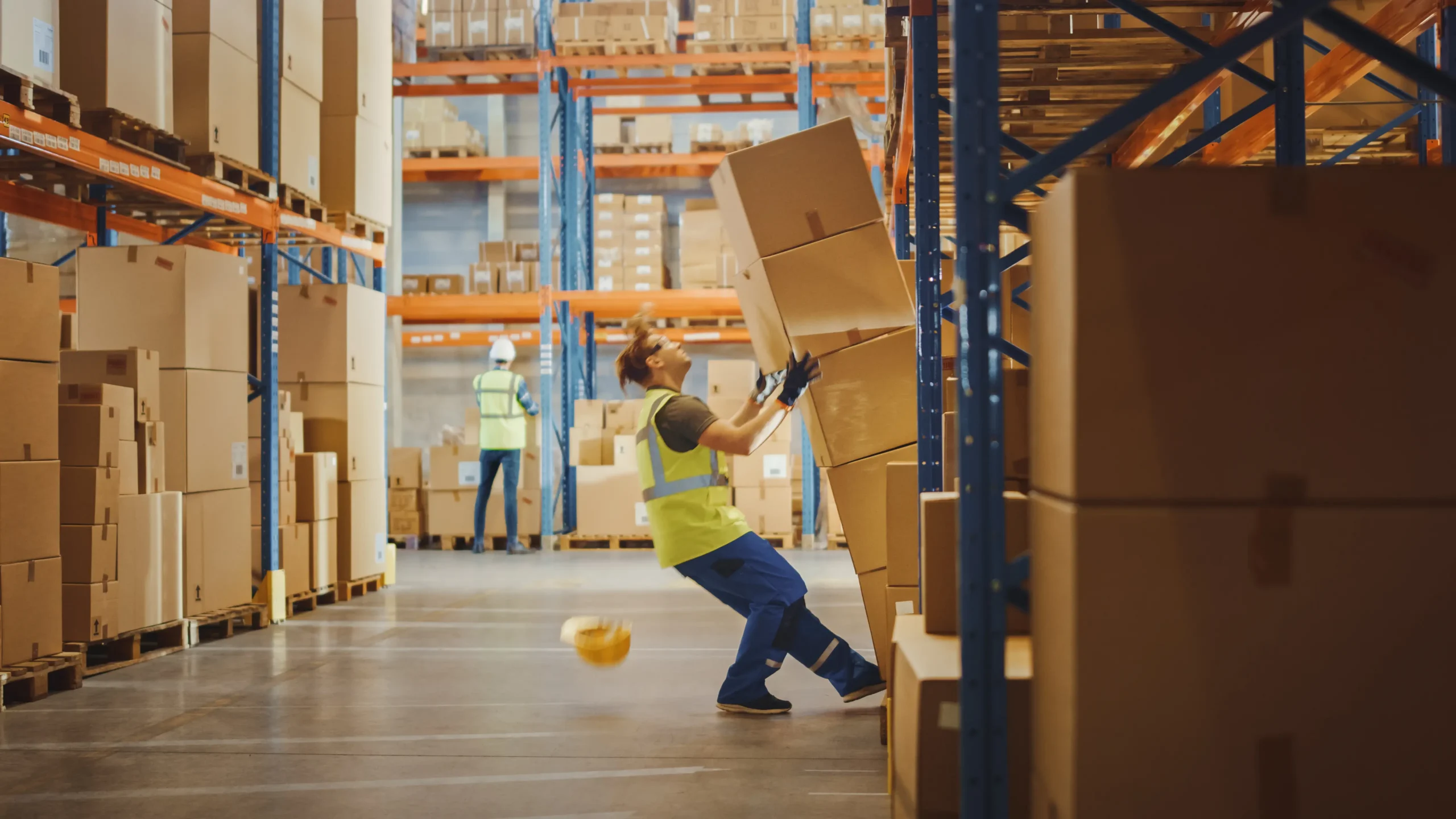
Cargo-related accidents are rarely “accidents” in the true sense they are preventable failures rooted in poor practices, rushed timelines, or ignored safety standards.
Common causes include:
- Improper load distribution or weight imbalance
- Over-stacked or unstable pallets
- Inadequate or failed tie-downs, straps, or restraints
- Failure to follow FMCSA cargo securement regulations
- Lack of training for forklift operators or dock workers
- Communication failures between loaders, drivers, and site managers
- Rushed loading schedules and production pressure
- Defective packaging or damaged pallets
Common accidents & injuries
When cargo shifts or falls, the consequences are often immediate and severe—especially in high-volume industrial environments or at highway speeds.
Common injuries include:


When Failures Turn Fatal
Tragically, cargo securement failures can result in loss of life, whether from falling freight at a worksite or a catastrophic truck crash caused by shifting cargo.
Our goal is to uncover the truth, preserve critical evidence, and pursue full accountability for the loss of life.
Who May Be Liable: A Chain of Responsibility
Cargo handling is rarely the responsibility of just one party. These cases often involve multiple entities across the supply chain.
Potentially liable parties include:
- Shipping and logistics companies
- Warehouse operators and 3PL providers
- Trucking companies and motor carriers
- Cargo loaders and dock crews
- Freight brokers and contractors
- Equipment manufacturers (e.g., straps, pallets, restraints)
- Property owners or site managers
We identify every responsible party to ensure no avenue of recovery is overlooked.

How We Build Cargo Loading Cases
Cargo failure cases require immediate and thorough investigation. Evidence can disappear quickly—especially in fast-moving logistics environments.
Our approach includes:
- Securing surveillance footage and incident reports
- Inspecting load configurations and securement methods
- Analyzing bills of lading, weight tickets, and shipping records
- Reviewing training logs, safety policies, and compliance history
- Consulting with cargo securement and transportation safety experts
- Reconstructing incidents to demonstrate how and why the failure occurred
We connect the dots between negligent practices and the injuries they caused.
How McEldrew Purtell Can Help
When cargo handling failures lead to catastrophic injury or wrongful death, you need a legal team that understands both the law and the logistics industry.
At McEldrew Purtell, we:
- Conduct rapid, in-depth investigations
- Work with top experts in transportation and workplace safety
- Take on large corporations, insurers, and supply chain operators
- Fight for maximum compensation for medical care, lost income, and long-term needs
- Provide clear guidance and relentless advocacy every step of the way
If you or a loved one has been seriously injured due to unsafe cargo loading, unloading, or securement, we are here to help you pursue answers and justice.

Learn More
Toxic Chemical Exposure After Train, Truck, and Warehouse Spills
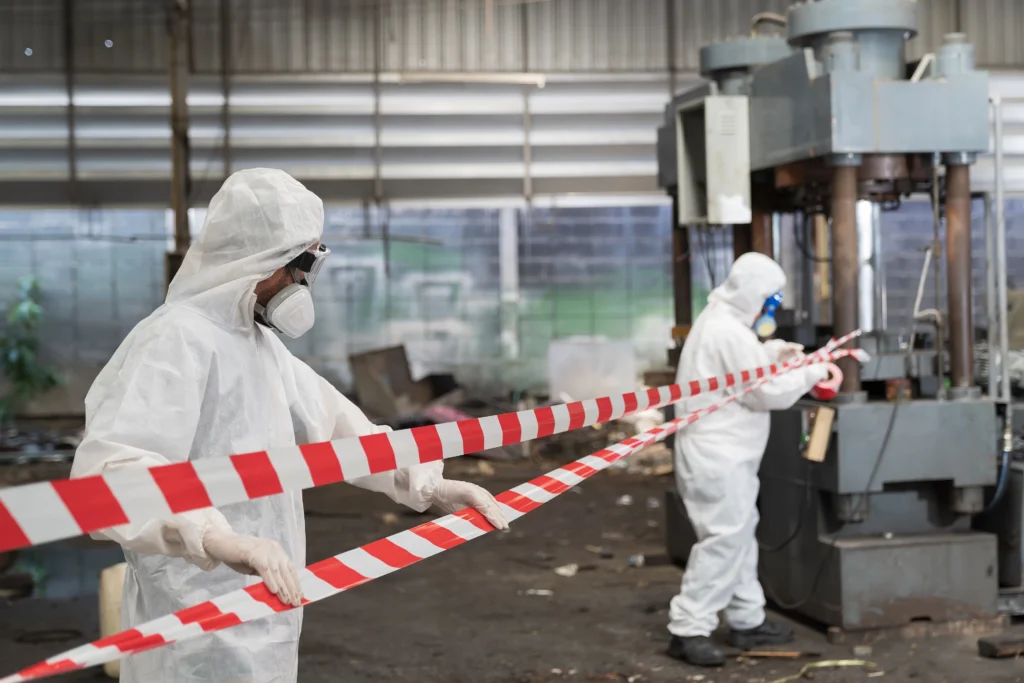
A train derailment, tanker truck crash, or warehouse spill can release hazardous chemicals into the air or across a worksite within seconds. Workers, drivers, emergency responders, nearby residents, and others may be exposed by breathing in contaminated air, getting chemicals…
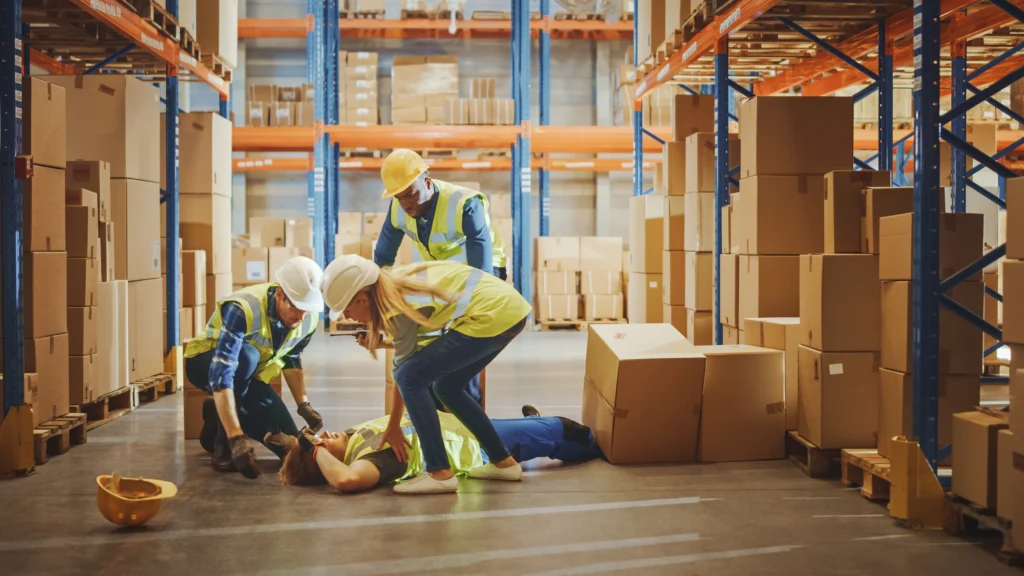
Warehouse Crush Injuries: Severe Limb Damage and Amputations
A warehouse crush injury happens when a forklift, machine, trailer, collapsing load, or other heavy equipment traps an arm, leg, hand, or foot; the resulting force can destroy bone, muscle, blood vessels, nerves, and skin. What begins as a workplace…
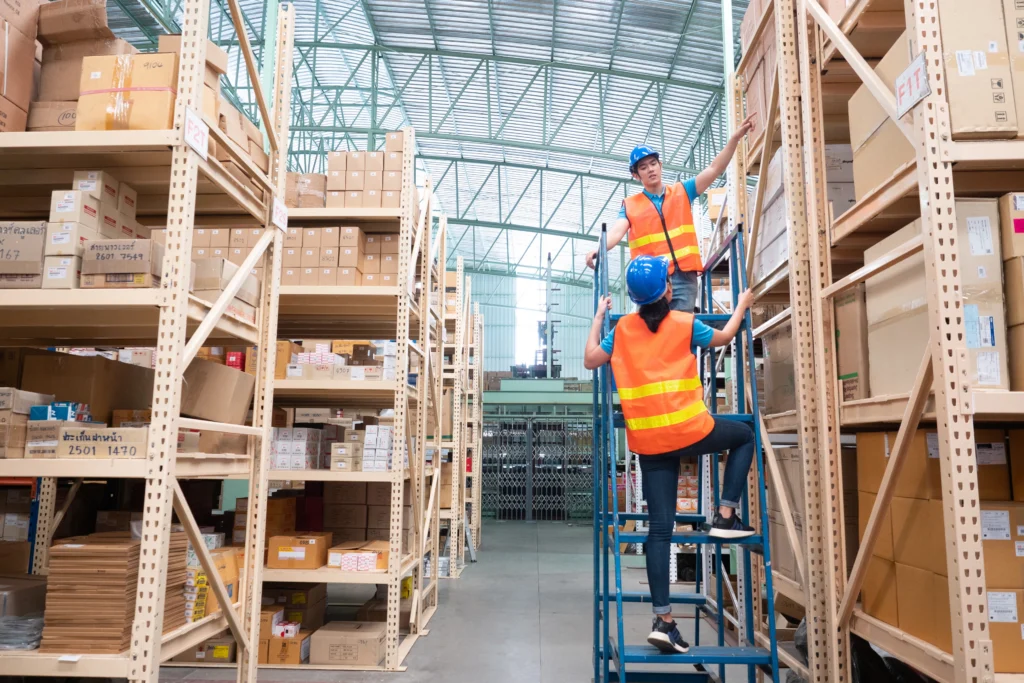
Traumatic Brain Injuries (TBI), Paralysis, and Wrongful Death Caused by Warehouse Falls
Warehouse workers have suffered permanent brain damage, paralysis, or death within seconds of a fall from a storage rack, mezzanine, ladder, loading dock, or raised pallet. A worker may strike a concrete floor, shelving, machinery, or stored materials with enough…
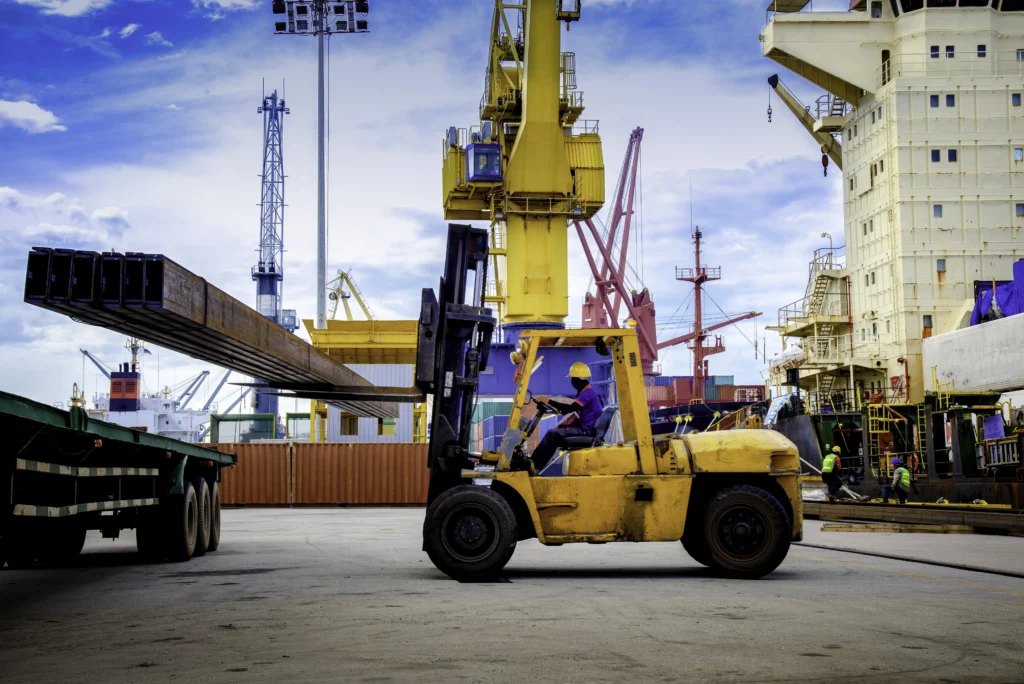
Warehouse and Yard Injuries: The Safety Failures That Put Workers in Danger
Warehouse safety often focuses on what happens inside the facility: forklifts in aisles, pallet racks, conveyor systems, and loading areas. But some of the most dangerous conditions develop outside the building, where trucks move in and out, trailers are staged,…
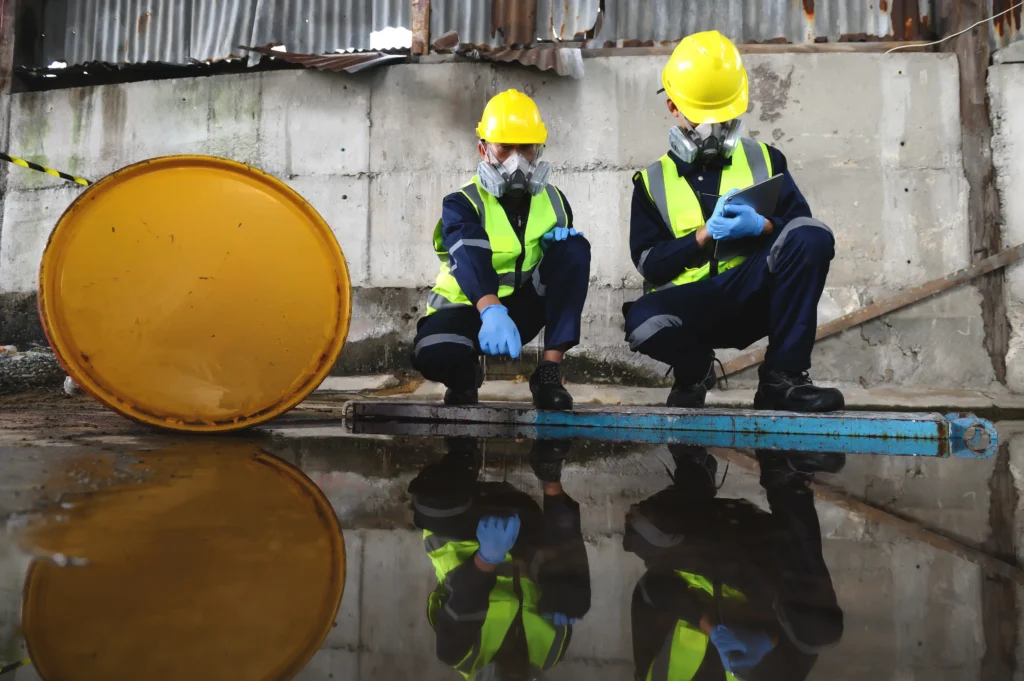
Supply Chain Failures: Toxic Chemical Exposure Leading to Burns, Organ Damage, and Wrongful Death
Workers, drivers, warehouse employees, emergency responders, and nearby families can suffer life-changing injuries when hazardous chemicals leak, spill, or ignite. A single transportation failure or packaging defect can expose people to toxic fumes, chemical burns, respiratory damage, explosions, or long-term…
Corporate Negligence in Trucking: When Company Decisions Cause Safety Issues
Families traveling on the highway may not realize that the commercial trucks driving beside them are not always operated by safe or even easily identifiable companies. Often, that only becomes clear after a serious crash, when victims and their families…