

Cave-ins and Collapses:
We Prove What Went Wrong.
Open trenches, unstable soil, and compromised structures can turn routine work into life‑changing emergencies. A cave‑in can bury a worker in seconds; a mis‑classified soil cut can shear without warning; a utility strike can trigger fire, electrocution, or flooding; and an undermined footing can start a progressive collapse. These aren’t “accidents” when basic safeguards are skipped, rushed, or designed poorly.
When a contractor ignores protective systems, when a site pushes speed over safety, or when a product or shoring system is unsafe by design, people get hurt—and families are left to pick up the pieces. If that happened to you or your family, we move immediately to protect you.


How Much Is Your Case Worth?

Why these incidents are so dangerous
Even routine tasks turn high‑risk when deep excavations, shifting soil, and nearby loads are involved. If basic safeguards slip for a moment, the consequences can be catastrophic.
- Seconds to collapse: Cave‑ins can bury workers before anyone can react.
- Hidden forces: Water, vibration, spoil piles, and adjacent loads add pressure you can’t see.
- Chain reactions: A failed trench box, undermined footing, or weak shoring can trigger wider structural collapse.
Common accidents & injuries
These are the events we see most often. They happen in seconds and cause life‑changing harm.
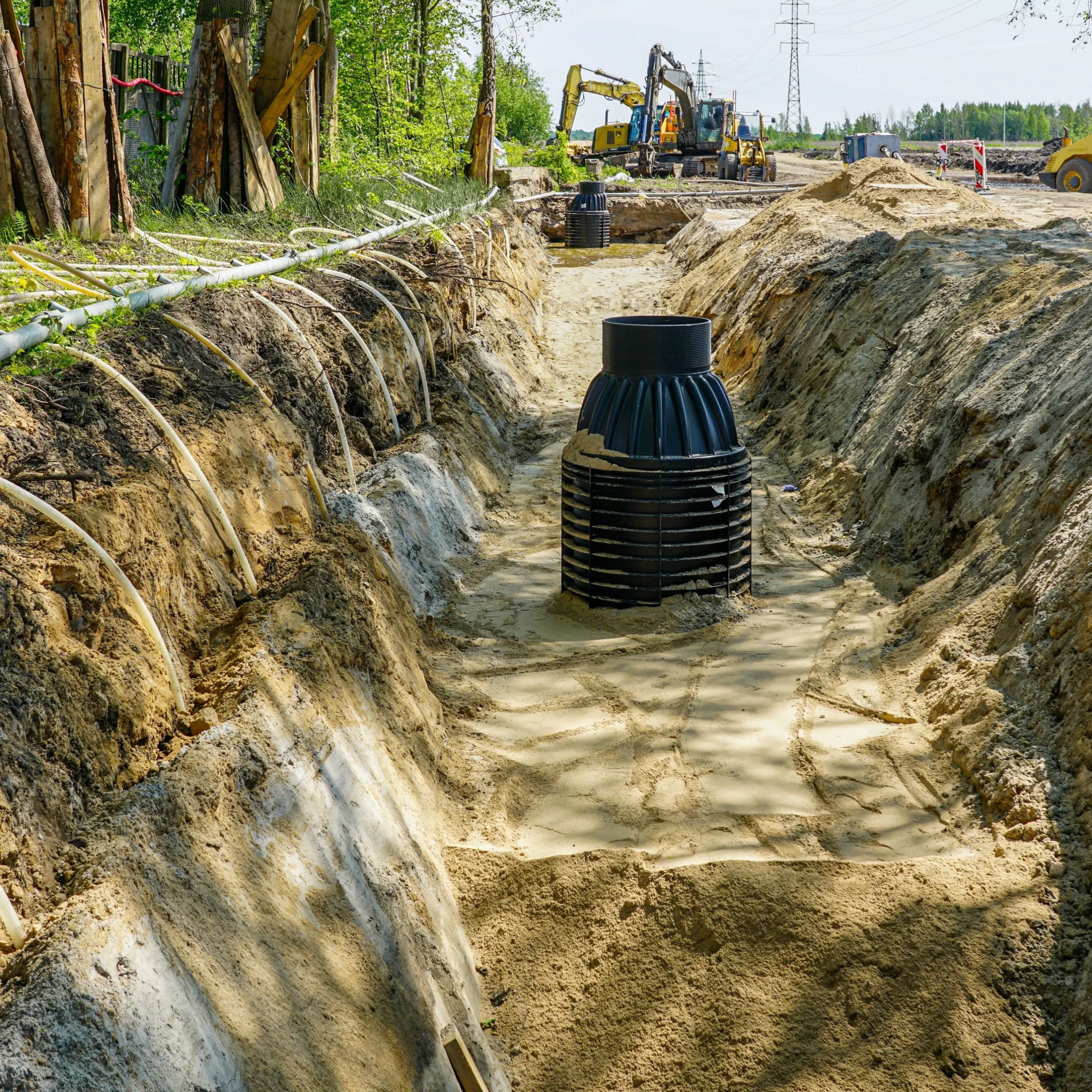
- Trench cave‑ins from unprotected vertical cuts or improper sloping/benching
- Shoring or trench box failures due to improper installation, damaged equipment, or overloading
- Underground utility strikes (gas, electric, water, telecom) leading to fires, explosions, electrocution, or flooding
- Spoil pile/vehicle encroachment adding weight too close to the edge
- Structural/partial building collapses from excavation undermining or improper sequencing/demolition
- Falls into excavations from missing barricades or lighting
Resulting harm often includes crush injuries, asphyxiation, traumatic brain injury, spinal injuries, burns, amputations, and wrongful death.
Common Product and Design Defects
What this means for your case: we evaluate the protection system, plans, and equipment as sold and as used. If safer, practical protection was available—or clear limits and instructions were missing—that can support a product liability claim.
Weak or mismatched shoring systems
Components not rated for soil depth/type; mixed parts; worn pins; damaged panels
Improperly sized trench boxes
Boxes too short/narrow; gaps that allow sloughing; lack of spreaders
Defeatable or missing restraints
No means to prevent movement/float; anchoring points not provided
Poor access/egress design
No safe ladders within reach; slippery or blocked access
Inadequate guarding/barricades
Open edges without railings or covers; incomplete fencing in public areas
Confusing or missing instructions
No clear install sequence, inspection steps, or max depth/width charts
Equipment that encourages shortcuts
Heavy components without lift points; systems that are hard to inspect, leading to skipped checks
No “fail‑safe” behavior
Systems that don’t prevent use when parts are damaged/missing
Know Your Rights
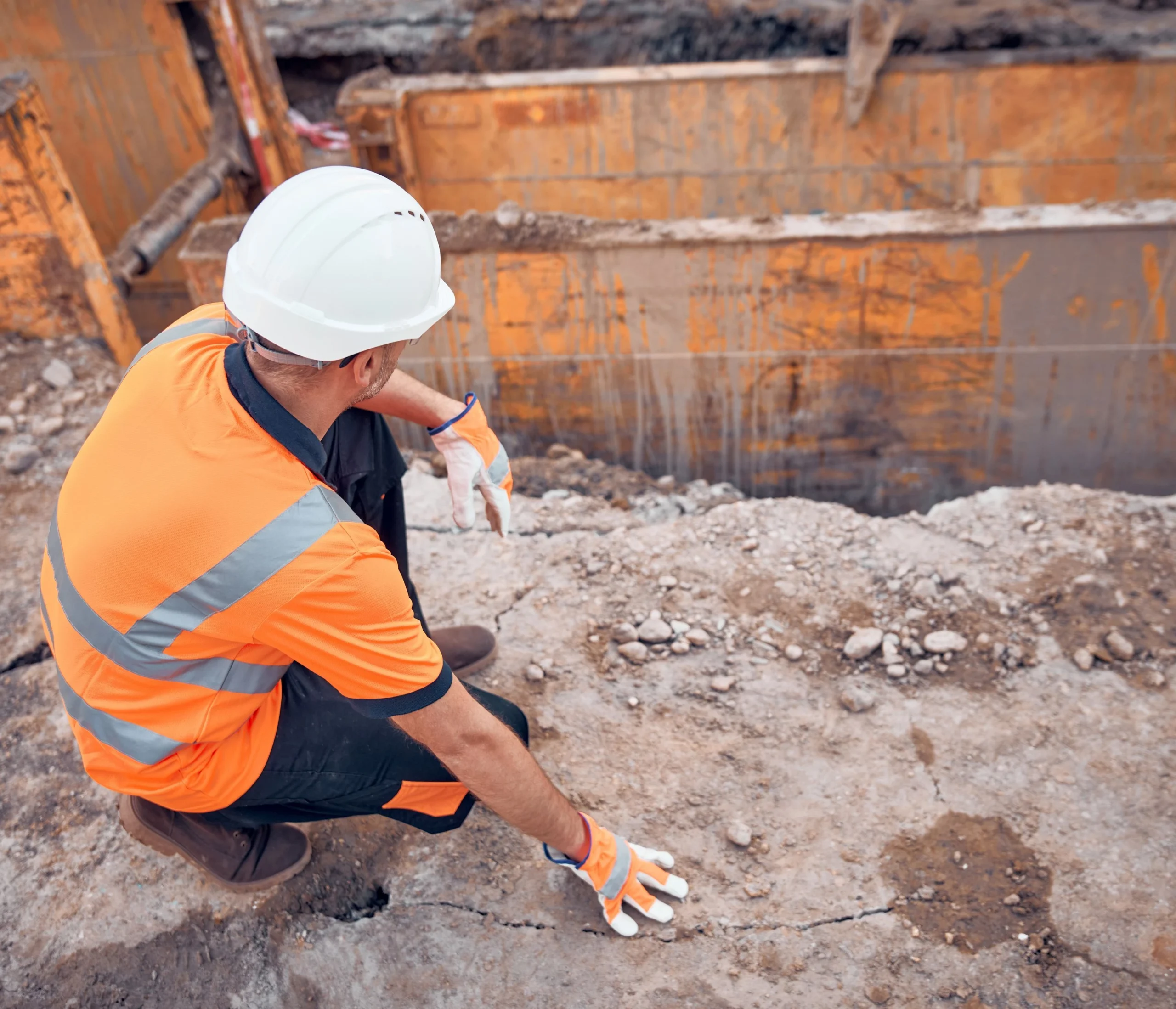
Workers have the right to a workplace free from known hazards. Basic safeguards should be in place: protective systems for trenches over five feet (or less in unstable soil), a competent person on site, daily inspections especially after rain or vibration, safe access/egress, and barricades. When companies ignore these rules or when a manufacturer sells unsafe gear, you can hold them accountable.
Trenching & Excavation:
Added Risks
Service and excavation work are high‑risk moments. We often see:
- No competent person conducting soil classification or daily inspections
- Improper sloping/benching for the soil conditions (Type C treated like Type B)
- Water in the trench from rain, groundwater, or broken lines with no dewatering plan
- Vibration & loads from trucks, cranes, and spoil piles too close to the edge
- Undermined structures or sidewalks without support; poor sequencing of demolition or excavation
- Lighting and traffic control missing in public rights‑of‑way
These failures are preventable with disciplined planning, protection systems sized for the job, and real‑time inspections by someone with authority to stop work.

Learn More
Crane, Hoist, and Rigging Failures: Third-Party Liability Beyond Workers’ Compensation
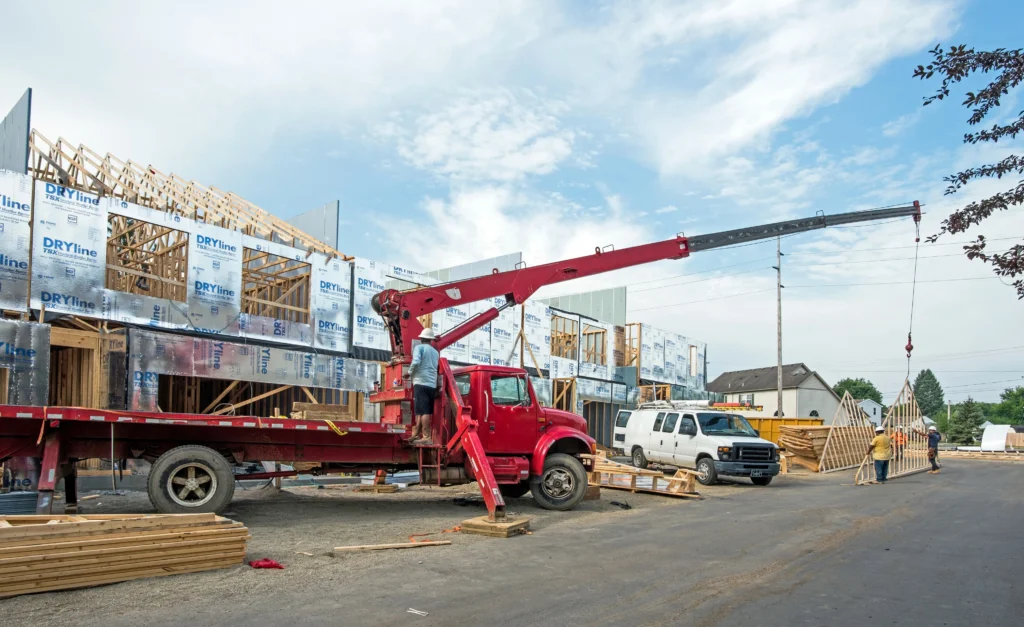
A dropped load, crane collapse, hoist failure, or rigging failure can cause catastrophic crush injuries, amputations, brain and spinal cord injuries, or death. For an injured worker, workers’ compensation may be only one part of the legal picture. When another…
Warehouse Crush Injuries: Severe Limb Damage and Amputations
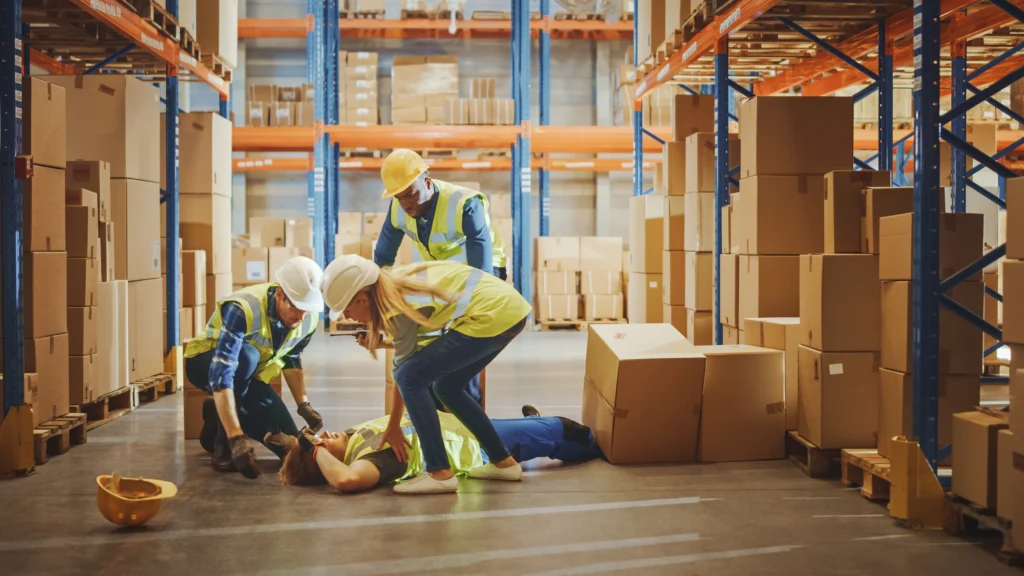
A warehouse crush injury happens when a forklift, machine, trailer, collapsing load, or other heavy equipment traps an arm, leg, hand, or foot; the resulting force can destroy bone, muscle, blood vessels, nerves, and skin. What begins as a workplace…
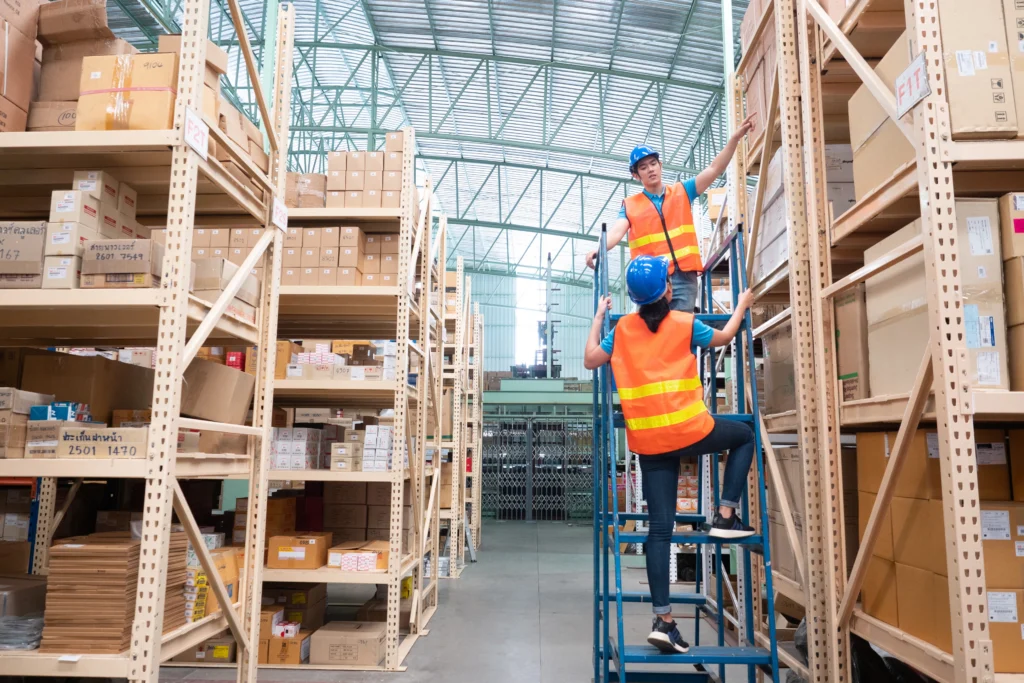
Traumatic Brain Injuries (TBI), Paralysis, and Wrongful Death Caused by Warehouse Falls
Warehouse workers have suffered permanent brain damage, paralysis, or death within seconds of a fall from a storage rack, mezzanine, ladder, loading dock, or raised pallet. A worker may strike a concrete floor, shelving, machinery, or stored materials with enough…
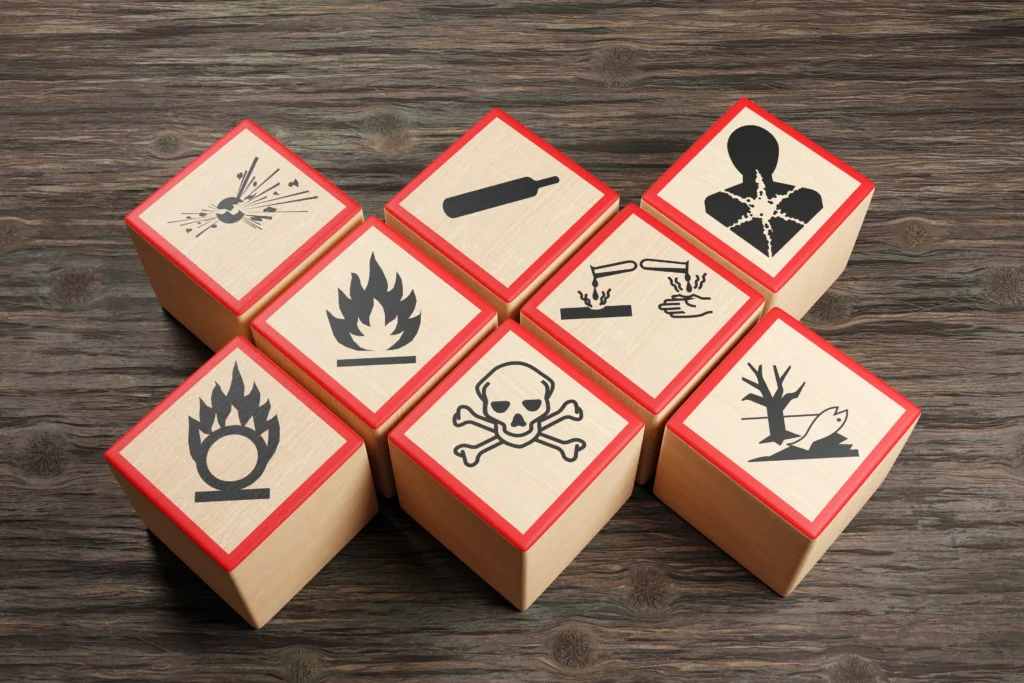
Toxic Exposure Claims: Identifying the Right Liability Theory
Toxic exposures can cause life-altering injuries. The source may be a defective product, an unsafe workplace, a leaking facility, a mislabeled container, or a chemical release that reaches homes, schools, or nearby businesses. The legal claim depends on where the…
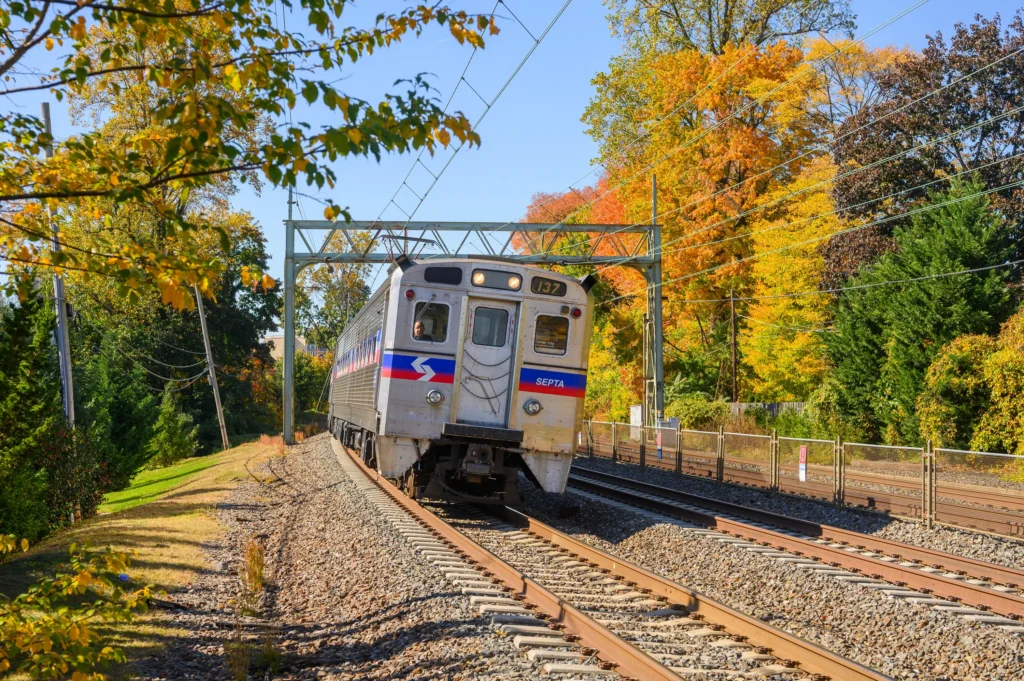
FELA vs. Worker’s Comp: What Qualifies as an FELA Claim?
One of the most important questions in a railroad injury case is whether the claim belongs under a state’s workers’ compensation law or the Federal Employers’ Liability Act (FELA). he answer to this question can have a dramatic impact on…
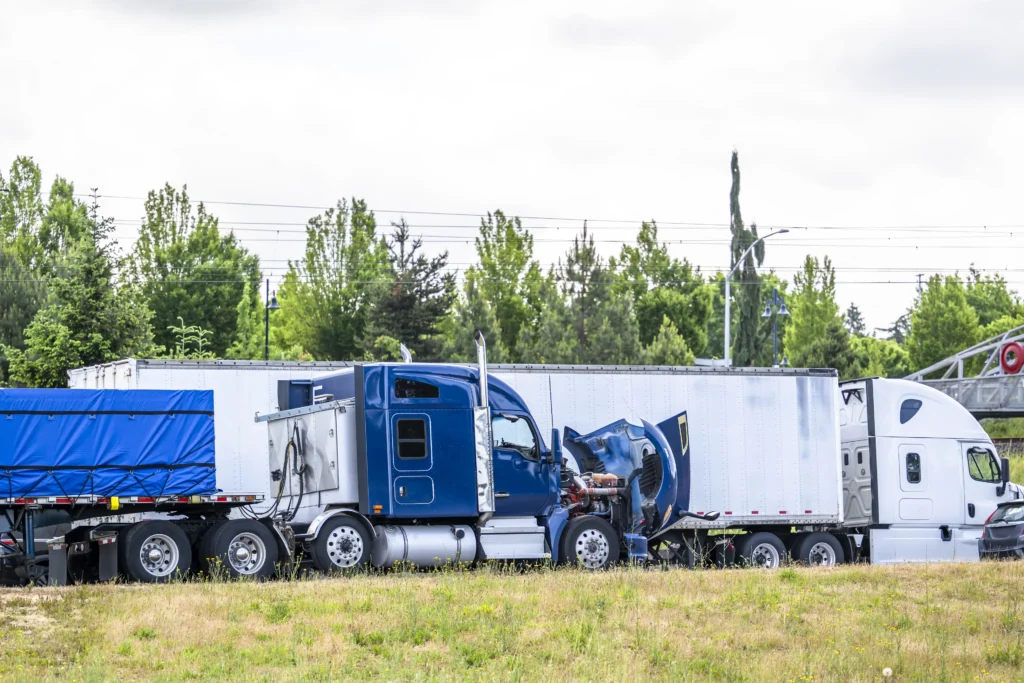
Corporate Negligence in Trucking: When Company Decisions Cause Safety Issues
Families traveling on the highway may not realize that the commercial trucks driving beside them are not always operated by safe or even easily identifiable companies. Often, that only becomes clear after a serious crash, when victims and their families…