

Breathe easier.
We’ll handle the rest.
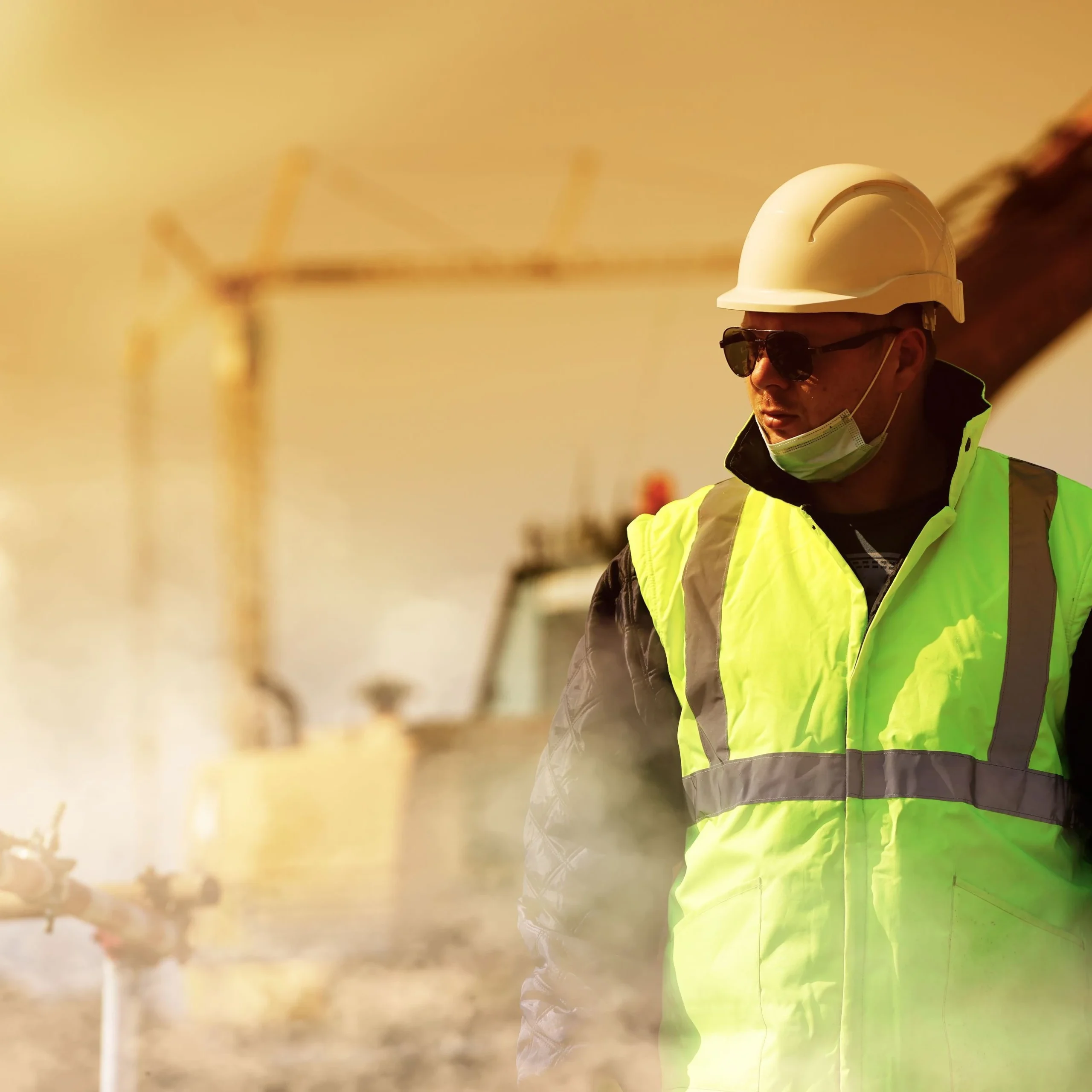
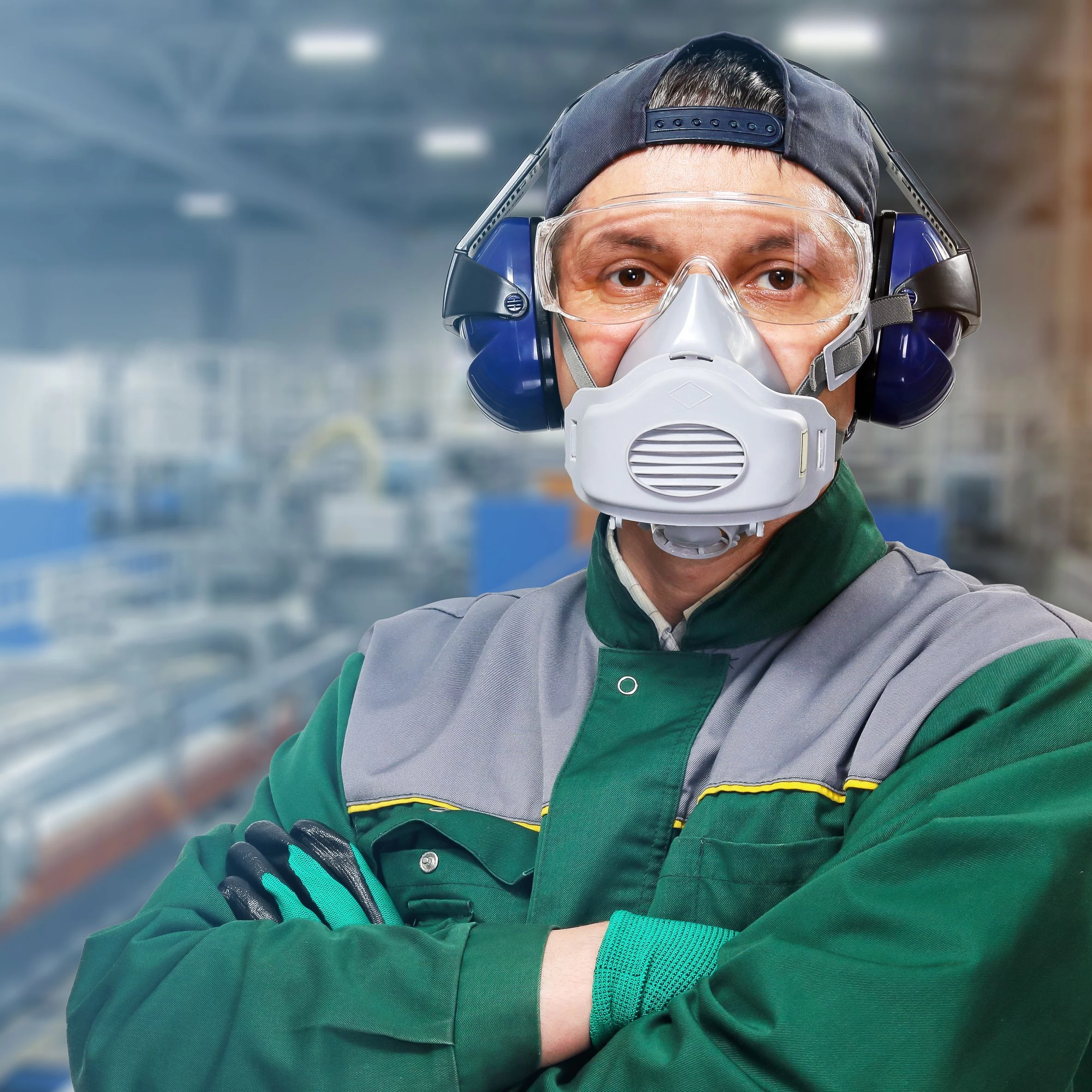
Dusts, fumes, and gases can turn everyday work into a lifelong disease. Silica from cutting concrete, isocyanates from spray foam, welding fumes packed with metals, or carbon monoxide in tight spaces often can’t be seen and the damage builds day after day.
A mask that doesn’t seal, the wrong cartridge, a fan that only recirculates air, or a skipped air test can be the difference between safe work and permanent injury. When a contractor skips controls, when a site pushes speed over safety, or when a product or respirator is unsafe by design, people get hurt and families bear the cost.

How Much Is Your Case Worth?
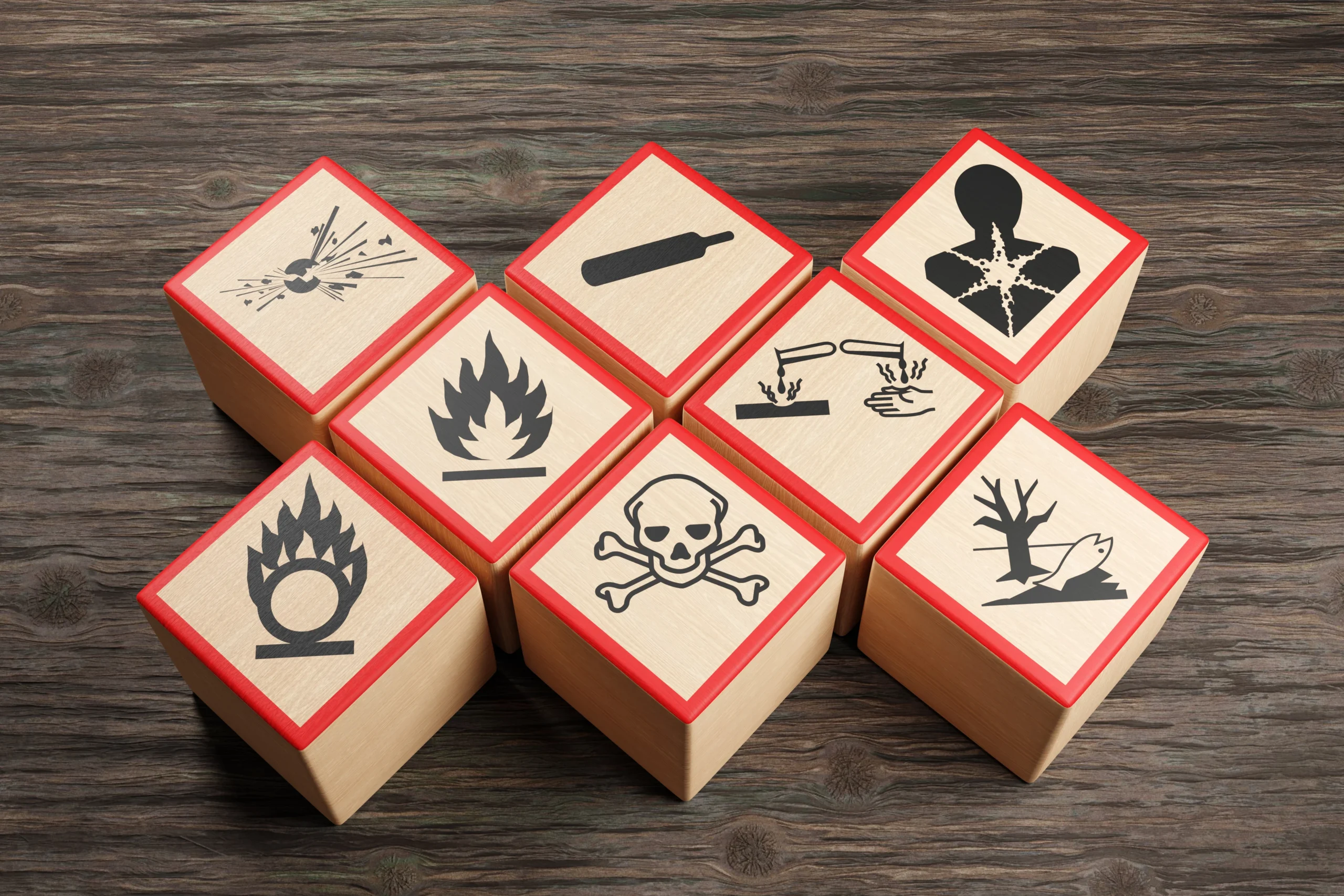
Why these incidents are so dangerous
Even routine tasks turn high‑risk when toxic contaminants build up where people breathe. You often can’t see or smell the danger, and damage adds up over time.
- Invisible exposure: Fine dusts and gases harm lungs and organs without obvious warning.
- Cumulative dose: Small daily hits can lead to permanent disease.
- False sense of safety: Poor ventilation or the wrong mask creates the illusion of protection.
Common exposures & illnesses
These are the events we see most often. They happen on busy jobsites and can cause life‑changing harm.
- Silica dust from cutting/grinding concrete, stone, brick → silicosis, COPD, lung cancer
- Asbestos fibers during demolition or insulation work → asbestosis, mesothelioma, lung cancer
- Welding fumes & metal dusts (manganese, hex‑chromium) → neurological issues, asthma, cancer
- Solvents & degreasers (benzene, toluene, MEK) → blood disorders, nerve damage
- Isocyanates from spray foams, coatings, adhesives → severe asthma, sensitization
- Diesel exhaust from equipment in enclosed areas → respiratory illness, cancer risk
- Mold & bioaerosols in water‑damaged buildings → asthma, hypersensitivity pneumonitis
- Toxic gases (CO, H₂S, chlorine, ammonia) from confined spaces or process failures → poisoning, cardiac and nerve injury
Resulting harm often includes chronic cough and shortness of breath, asthma, COPD, scarring of the lungs, neurologic injury, cancers, and wrongful death.
Common Product & Design Defects
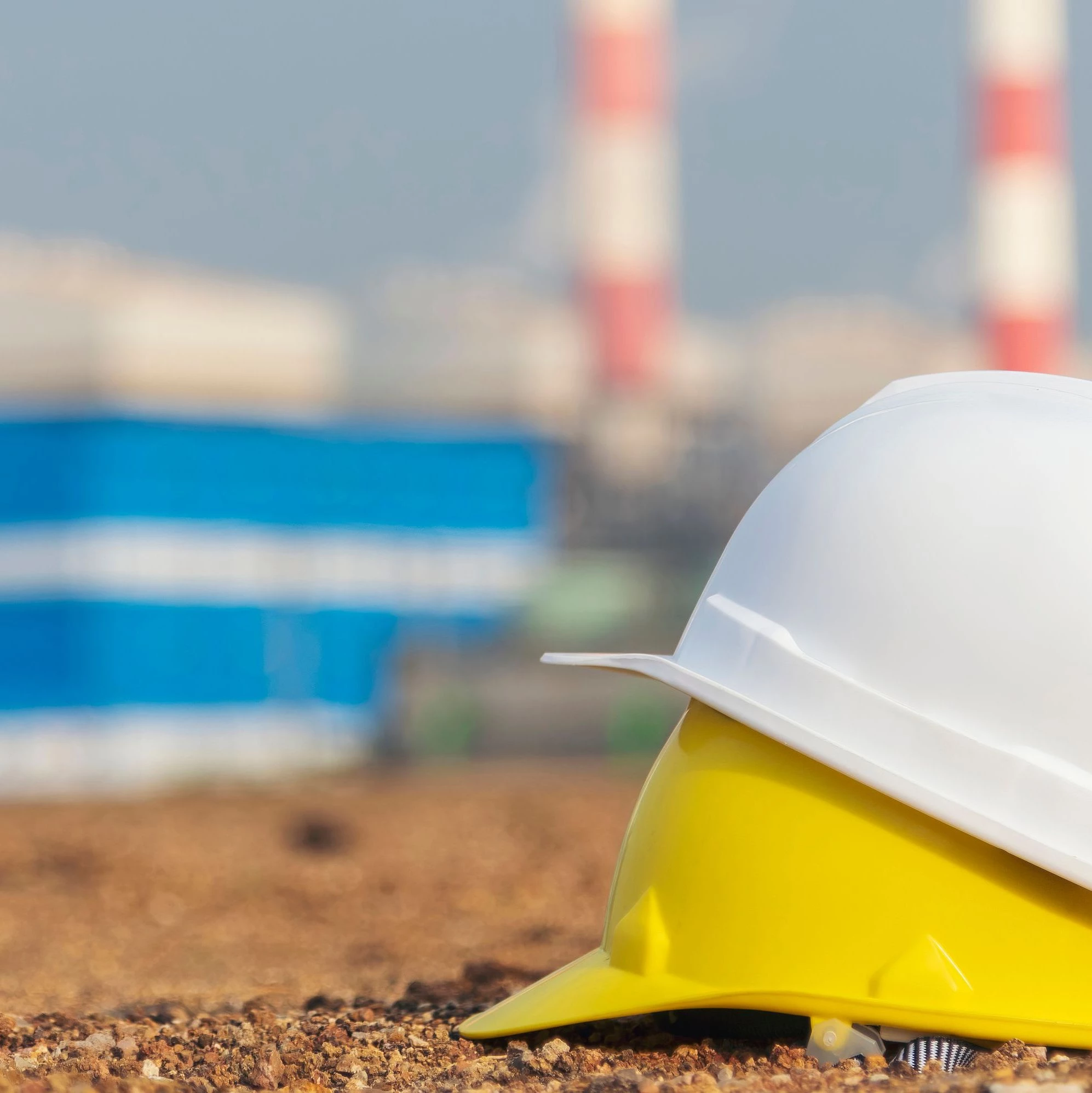
What this means for your case: we evaluate the controls and protective gear as sold and as used. If safer, practical options were available or clear limits and instructions were missing, that can support a product liability claim.
Respirators that don’t seal or filter as claimed
Poor fit geometry; flimsy straps; mislabeled filters; counterfeit or substandard parts
Cartridge/filter mismatch
Products marketed without clear guidance for the hazard, humidity, or breakthrough times
Lack of fit‑testing or size range
Equipment sold without realistic sizing or instructions to assure a tight seal
Ventilation equipment that can’t do the job
Under‑powered fans, mis‑sized ducting, or designs that recirculate contaminated air
Monitors & alarms that fail
Inaccurate gas meters, clogged sensors, or displays that are unreadable in real conditions
Confusing warnings/instructions
Tiny labels; no simple selection charts; manuals that skip maintenance and end‑of‑life limits
Know Your Rights
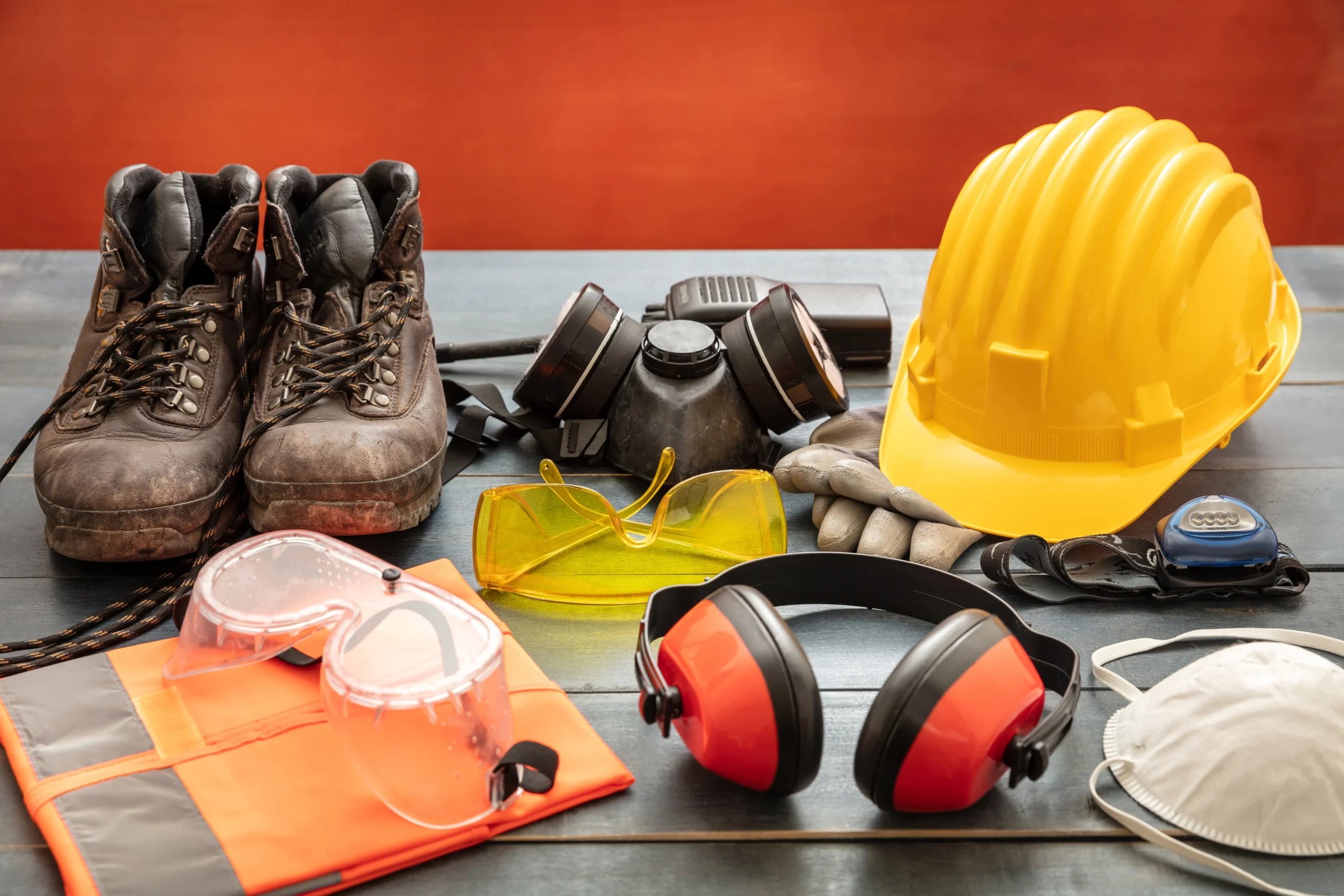
Workers have the right to a workplace free from known hazards. Basic safeguards should be in place: identify the hazard, use safer methods and ventilation first, supply the right respirator and make sure it seals, provide training in a language people understand, and check the air when conditions change. When companies ignore these rules or when a manufacturer sells unsafe gear, you can hold them accountable.
Respiratory Protection: Added Risks
We often see patterns that put workers in harm’s way:
- No exposure assessment before dusty or fume‑heavy tasks
- Wrong mask for the job (dust mask used for gases; wrong cartridge color; expired filters)
- No fit test or seal check – beards, faces, and sizes vary
- Ventilation skipped to speed the job; windows sealed without make‑up air
- Confined or enclosed spaces without real‑time monitoring or rescue plan
- Spray foam and coatings without isolation/negative pressure
These failures are preventable with planning, the right gear, real‑time checks, and someone with authority to stop work.
Learn More
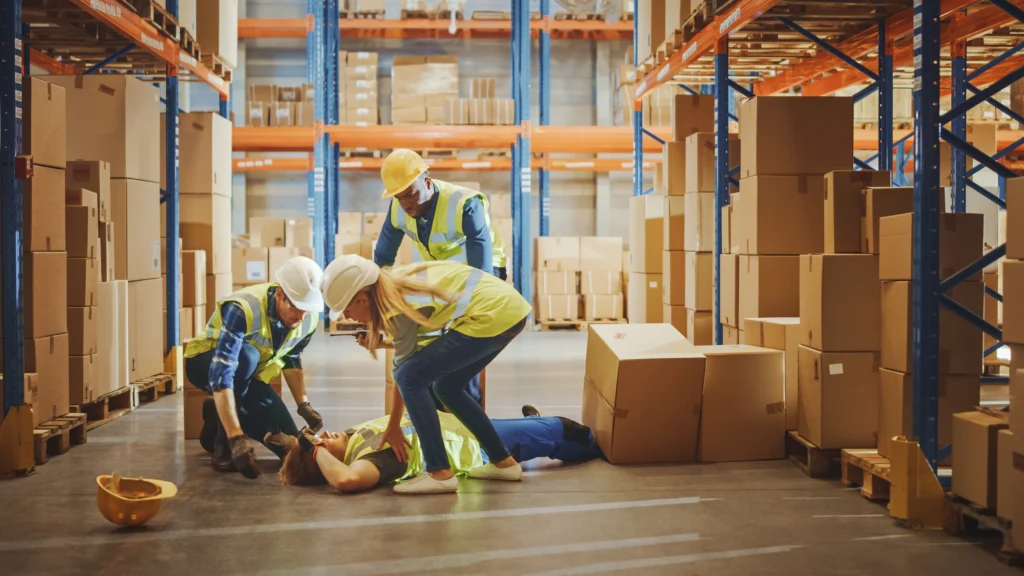
Warehouse Crush Injuries: Severe Limb Damage and Amputations
A warehouse crush injury happens when a forklift, machine, trailer, collapsing load, or other heavy equipment traps an arm, leg, hand, or foot; the resulting force can destroy bone, muscle, blood vessels, nerves, and skin. What begins as a workplace…
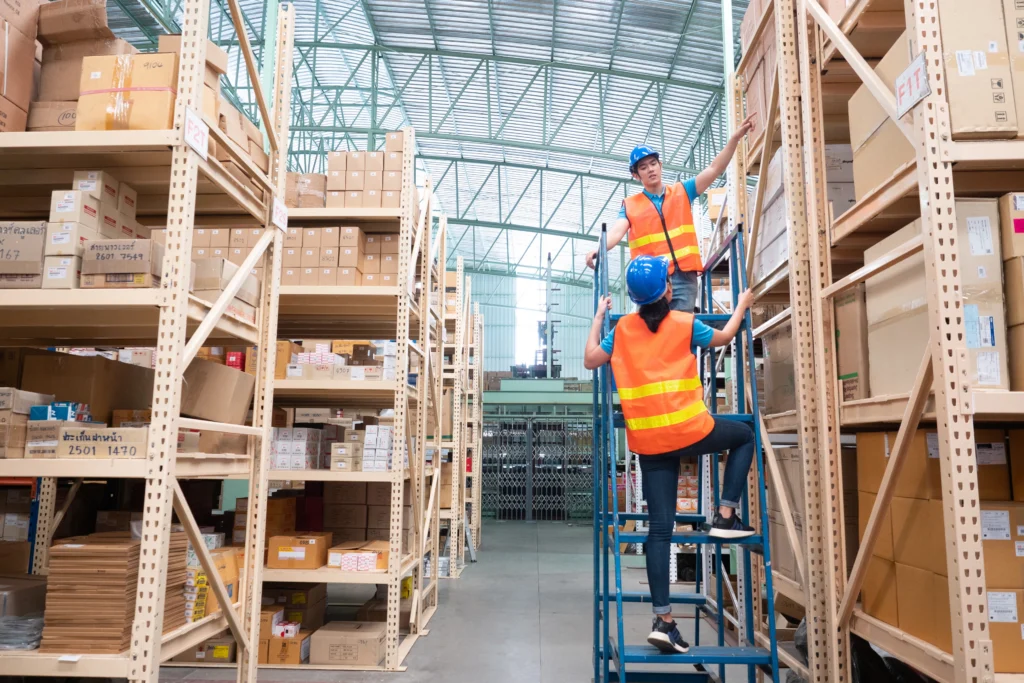
Traumatic Brain Injuries (TBI), Paralysis, and Wrongful Death Caused by Warehouse Falls
Warehouse workers have suffered permanent brain damage, paralysis, or death within seconds of a fall from a storage rack, mezzanine, ladder, loading dock, or raised pallet. A worker may strike a concrete floor, shelving, machinery, or stored materials with enough…
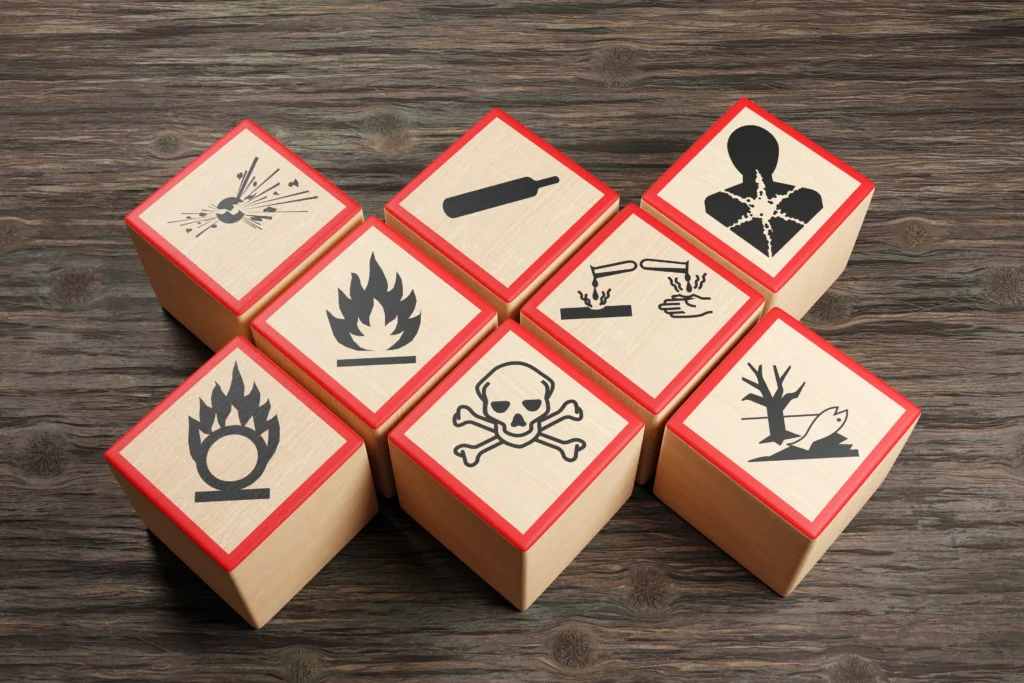
Toxic Exposure Claims: Identifying the Right Liability Theory
Toxic exposures can cause life-altering injuries. The source may be a defective product, an unsafe workplace, a leaking facility, a mislabeled container, or a chemical release that reaches homes, schools, or nearby businesses. The legal claim depends on where the…

FELA vs. Worker’s Comp: What Qualifies as an FELA Claim?
One of the most important questions in a railroad injury case is whether the claim belongs under a state’s workers’ compensation law or the Federal Employers’ Liability Act (FELA). he answer to this question can have a dramatic impact on…
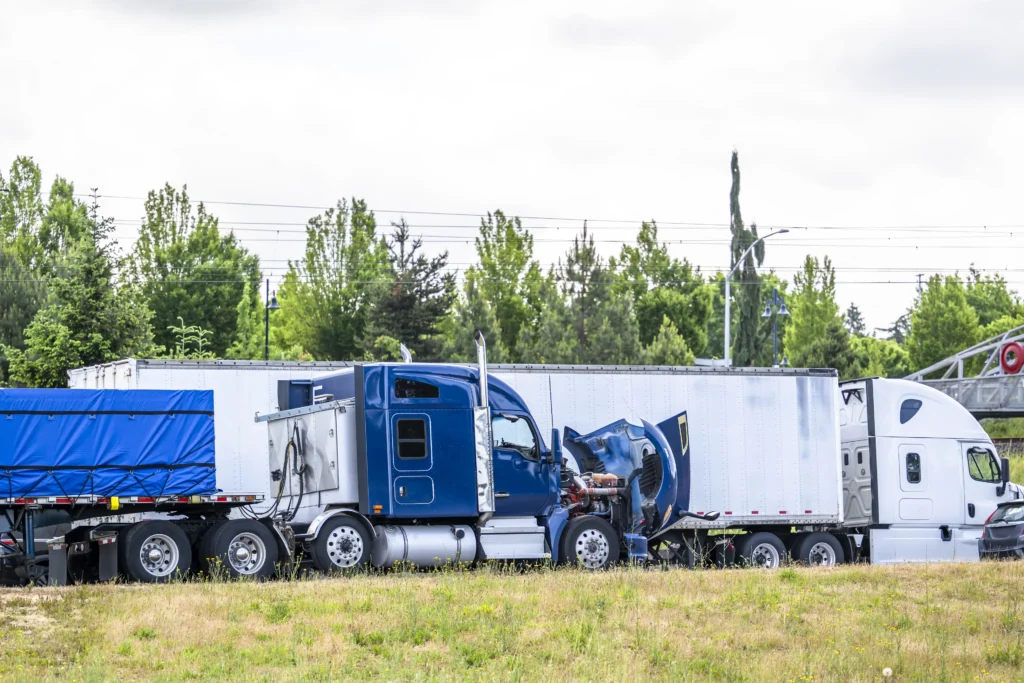
Corporate Negligence in Trucking: When Company Decisions Cause Safety Issues
Families traveling on the highway may not realize that the commercial trucks driving beside them are not always operated by safe or even easily identifiable companies. Often, that only becomes clear after a serious crash, when victims and their families…

Two Construction Workers Killed in Route 30 Work Zone Crash in Chester County
Two construction workers were killed while setting up a traffic pattern on Route 30 in Chester County, according to Pennsylvania State Police. The fatal crash reportedly involved a tractor-trailer and multiple vehicles in an active construction zone. What happened in…