

Unsafe meals. Serious harm.
Customers, residents, patients, students, employees, and event guests have suffered serious harm after eating contaminated food served by restaurants, caterers, schools, nursing homes, hospitals, hotels, and event venues.
These outbreaks can cause severe dehydration, invasive infection, sepsis, hospitalization, pregnancy complications, long-term injury, or death. Public health investigations, inspection findings, food-safety guidance, and outbreak reports continue to show how dangerous unsafe food-service practices can be.
If you or your family member became seriously ill after eating food prepared or served by a business or institution, the key question is whether unsafe handling, poor sanitation, improper storage, or another preventable failure played a role.

How Much Is Your Case Worth?
When Food-Service Providers Cause Serious Illness
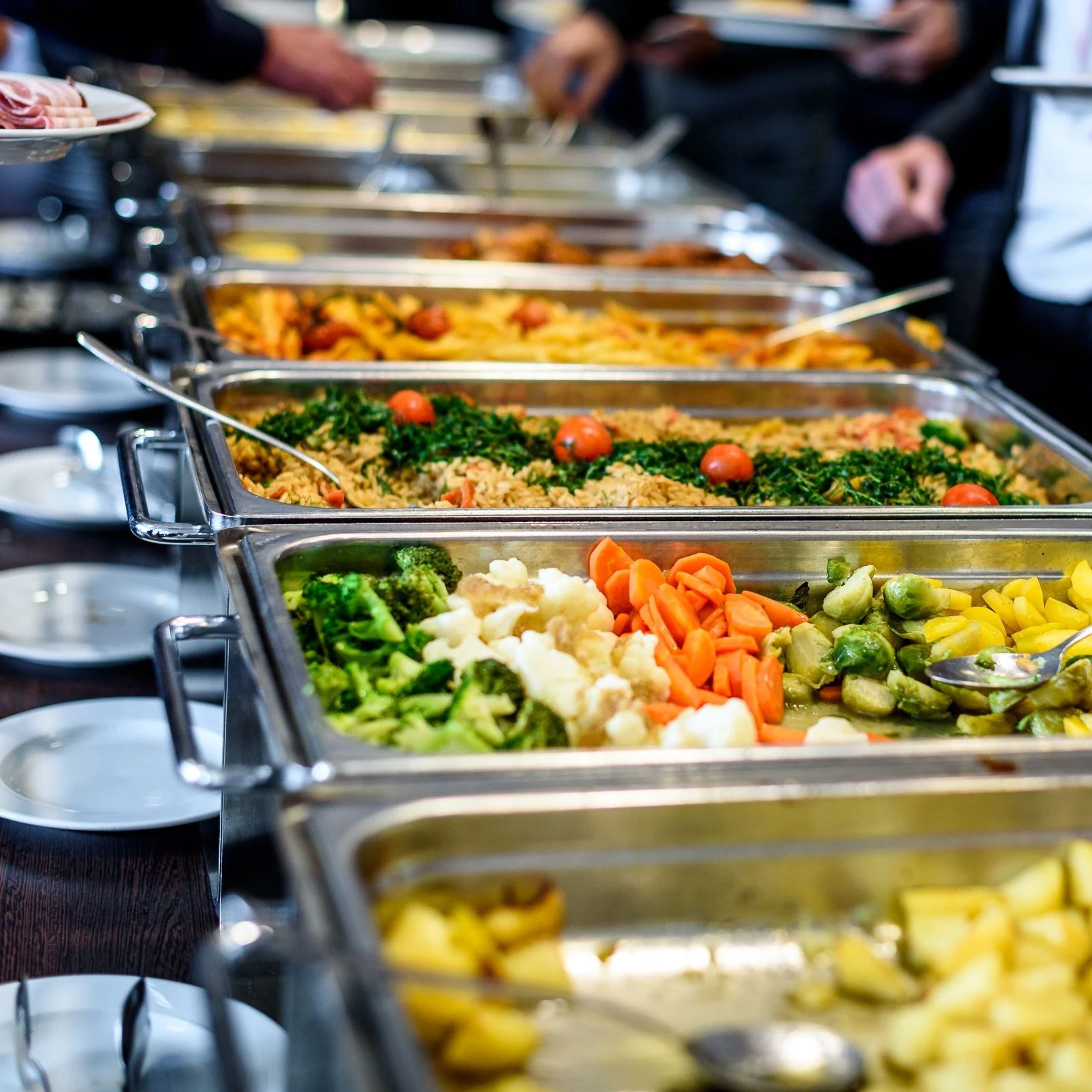
Restaurants, catering companies, schools, nursing homes, hospitals, hotels, banquet halls, event venues, and other food-service providers are responsible for serving food that is safely prepared, stored, handled, and served. When those businesses or institutions ignore basic food-safety practices, contaminated food can spread quickly through a dining room, school cafeteria, patient unit, long-term care facility, wedding reception, conference, or catered event.
These cases are different from isolated stomach illness at home. A restaurant, catering, or institutional food poisoning case often involves a commercial kitchen, trained staff, food vendors, written procedures, inspection records, temperature logs, sanitation rules, and a group of people who may have been exposed to the same unsafe meal.
McEldrew Purtell investigates serious illness and wrongful death claims involving food served by businesses, institutions, and large-scale food-service operations.
Who May Be Affected by a Food Poisoning Outbreak?
Foodborne illness can affect anyone, but some settings create especially serious risks because they serve large groups or medically vulnerable people.
- Restaurants and Fast-Casual Dining: Restaurants may serve hundreds of meals a day. A single contaminated ingredient, unsafe prep station, sick employee, or improper holding temperature can expose many customers before the problem is detected.
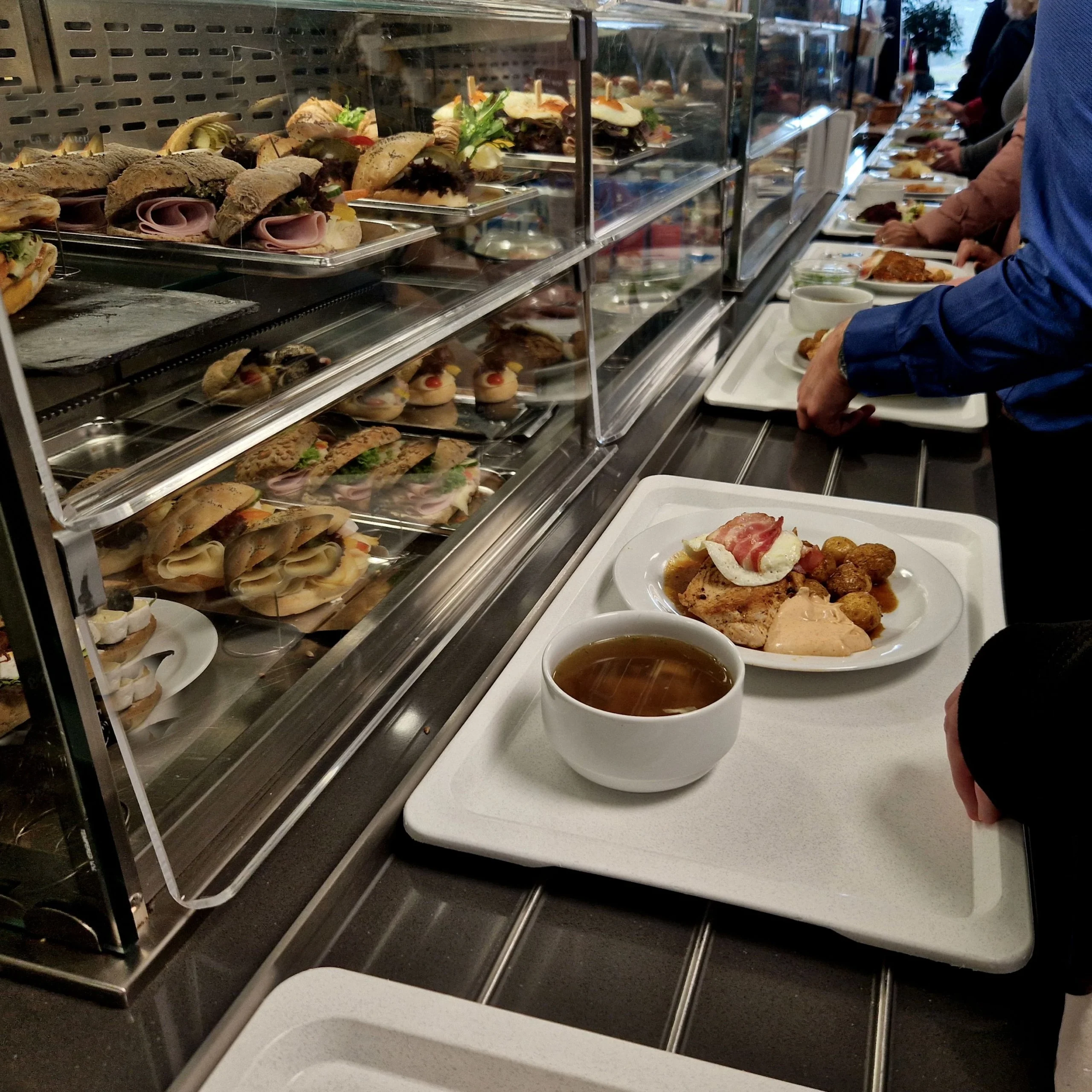
- Catering Companies and Event Venues: Catered meals often involve large-batch cooking, transport, buffet service, delayed serving times, and reheating. Weddings, conferences, banquets, corporate events, and private parties can produce outbreak patterns when multiple guests become ill after eating the same foods.
- Schools and Childcare Programs: Children can become seriously ill from foodborne pathogens, especially when symptoms involve dehydration, high fever, or bloody diarrhea. Food poisoning at schools or childcare programs may require investigation into meal preparation, storage, vendors, and sanitation practices.
- Nursing Homes and Assisted Living Facilities: Older adults face a higher risk of severe foodborne illness. In nursing homes and assisted living facilities, food poisoning can cause dehydration, hospitalization, complications from existing medical conditions, or death.
- Hospitals and Healthcare Facilities: Patients may have weakened immune systems, recent surgeries, chronic illnesses, or other vulnerabilities. Foodborne illness in healthcare settings can create serious complications, especially when preventable contamination reaches people already receiving medical care.
- Hotels, Resorts, and Cruise-Related Food Service: Hotels, resorts, and large hospitality venues may operate restaurants, buffets, room service, banquet kitchens, bars, poolside dining, and event catering. These cases can involve multiple food sources, outside vendors, and complex records.the pregnant person does not feel seriously ill.
Common Food-Service Failures That Can Lead to Outbreaks
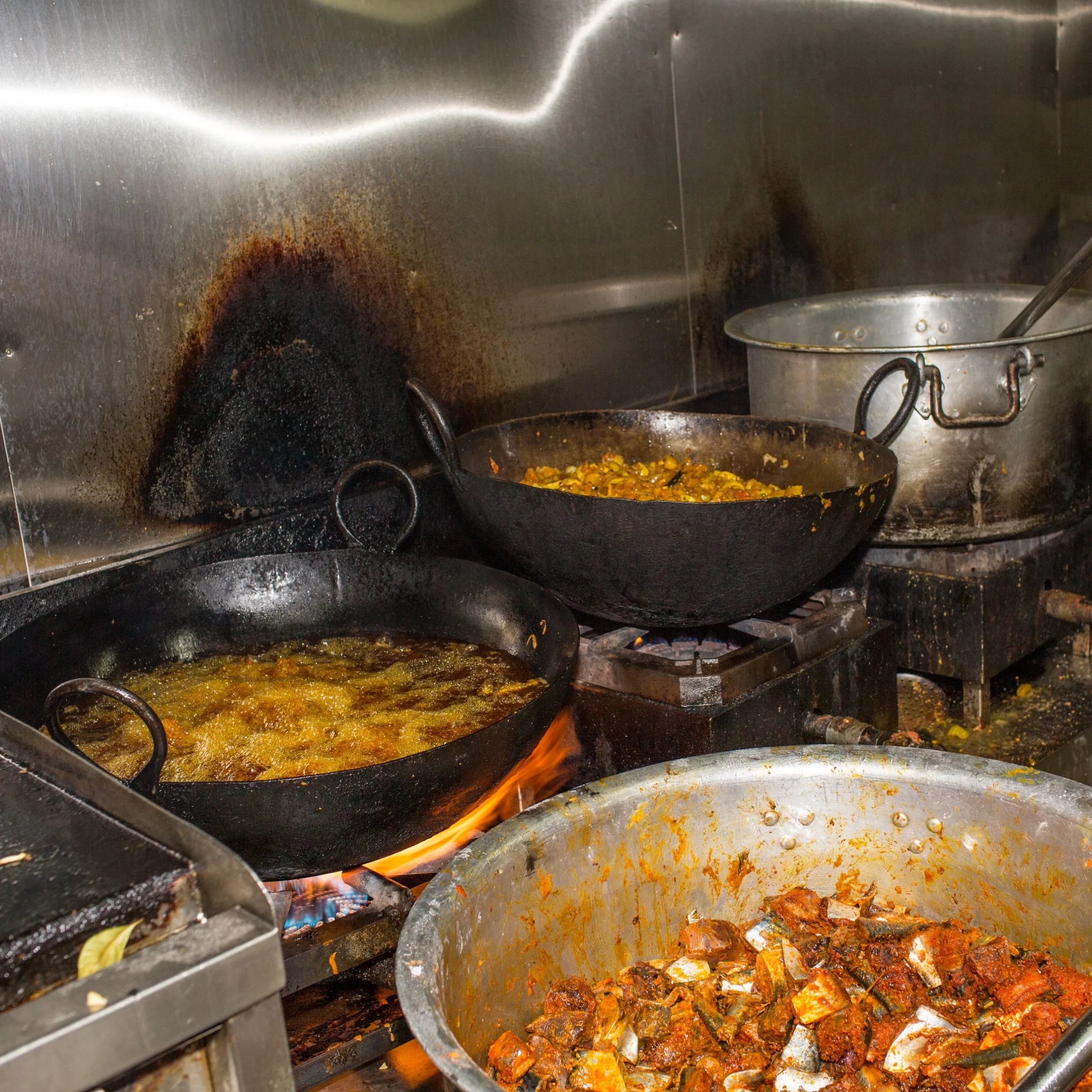
Restaurant, catering, and institutional food poisoning cases often involve preventable safety failures. Food-service providers are expected to control contamination risks from the time food is received until it is served.
Unsafe practices may include:
- Serving undercooked meat, poultry, seafood, or eggs
- Holding hot or cold foods at unsafe temperatures
- Leaving food unrefrigerated for too long
- Failing to cool, reheat, or store food properly
- Cross-contaminating cooked foods with raw meat, poultry, seafood, or eggs
- Using contaminated cutting boards, utensils, counters, or prep areas
- Allowing sick employees to prepare or serve food
- Failing to wash hands or use gloves when required
- Serving recalled or contaminated ingredients
- Ignoring pest, plumbing, sanitation, or equipment problems
- Failing to clean buffet, salad bar, or self-service areas
- Using unsafe water, ice, sauces, dressings, or ready-to-eat items
These failures can create outbreak patterns that connect multiple illnesses to the same restaurant, catered meal, cafeteria, facility kitchen, or institutional food-service operation.
Serious Illnesses Linked to Unsafe Food Service
Foodborne illness from a commercial or institutional source can be far more serious than temporary nausea or stomach pain. Severe illness can require emergency care, hospitalization, infectious disease treatment, kidney monitoring, pregnancy care, or long-term medical follow-up.
Serious complications may include:
- Severe dehydration
- Bloody diarrhea
- High fever
- Persistent vomiting
- Sepsis
- Invasive bacterial infection
- Kidney injury or kidney failure
- Hemolytic uremic syndrome
- Meningitis
- Neurological complications
- Reactive arthritis
- Pregnancy complications
- Miscarriage or stillbirth
- Death
Children, older adults, pregnant people, patients, residents of long-term care facilities, and people with weakened immune systems face a higher risk of severe outcomes.

Evidence That May Matter in These Cases
Evidence can disappear quickly after a restaurant meal, catered event, or institutional outbreak. Food may be discarded, kitchens may be cleaned, employee schedules may change, camera footage may be overwritten, and witnesses may become harder to locate.
Important evidence may include:
- Medical records
- Stool, blood, or pathogen test results
- Hospital discharge records
- Receipts, invoices, menus, or order confirmations
- Event contracts and catering agreements
- Guest lists or attendance records
- Food samples or leftover food
- Photos of meals, packaging, labels, or serving areas
- Health department reports
- Inspection records and prior violations
- Kitchen cleaning and sanitation logs
- Temperature logs
- Employee schedules
- Sick-leave and employee illness records
- Supplier and distributor records
- Vendor contracts
- Surveillance footage
- Statements from other diners, guests, students, residents, patients, or employees
Fast investigation can help preserve records and identify whether others became sick after eating the same food.t investigation.tation and food safety procedures.
Why These Cases Can Be Complex
Restaurant, catering, and institutional food poisoning lawsuits can involve several responsible parties. A restaurant may blame a supplier. A caterer may blame the venue. A nursing home may blame a contracted food-service company. A hospital may rely on outside vendors, centralized kitchens, or multiple layers of food handling.
These cases may require investigation into:
- Who purchased the food
- Who prepared the food
- Who transported the food
- Who stored the food
- Who served the food
- Whether the food was cooked to a safe temperature
- Whether hot or cold foods were held safely
- Whether employees followed illness and hygiene rules
- Whether similar illnesses were reported
- Whether the business or institution had prior food-safety violations
- Whether public health officials identified an outbreak source
The goal is to determine whether a preventable food-service failure caused the illness or death.

What To Do After Serious Illness from a Restaurant, Caterer, or Institution
After a serious illness, medical care comes first. People who suspect food poisoning after eating food from a restaurant, catered event, school, nursing home, hospital, hotel, or other institution should seek treatment and explain what they ate, when symptoms began, and whether others became sick.
Helpful steps may include:
- Save receipts, menus, delivery confirmations, or event materials
- Write down what food was eaten and when
- Keep photos of meals, packaging, or leftovers
- Save leftover food if it can be stored safely
- Identify other people who ate the same meal
- Report the illness to a healthcare provider or health department when appropriate
- Keep copies of medical records and lab results
- Avoid posting detailed accusations online before the facts are investigated
These steps can help connect the illness to the food-service source and preserve information that may matter later.ss or death.
Talk to a Food Contamination Lawyer
If you or a loved one became seriously ill after eating food served by a restaurant, catering company, school, nursing home, hospital, hotel, event venue, cafeteria, or other institution, contact McEldrew Purtell for a free consultation. Our team can review what happened, identify what evidence may matter, and explain whether a restaurant, catering, or institutional food poisoning lawsuit may be appropriate based on the facts.

Learn More

Railroad Toxic Exposure Claims: Cancer, Lung Disease, and Proving Workplace Causation
Railroad workers face dangers that extend far beyond traumatic injuries and derailments. For decades, railroad employees have been exposed to toxic substances capable of causing serious illnesses, including cancer, chronic lung disease, and other life-altering medical conditions. Under the Federal…
Toxic Exposure Claims: Identifying the Right Liability Theory
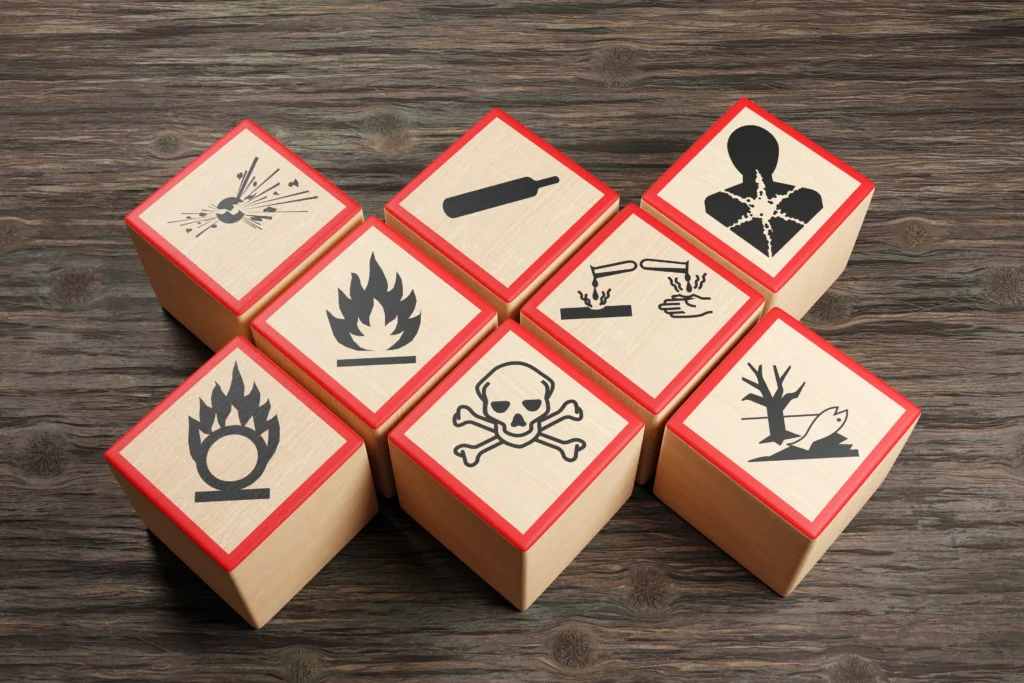
Toxic exposures can cause life-altering injuries. The source may be a defective product, an unsafe workplace, a leaking facility, a mislabeled container, or a chemical release that reaches homes, schools, or nearby businesses. The legal claim depends on where the…
Growing New York City Legionnaires’ Disease Outbreak Raises Questions About Preventable Cooling Tower Failures
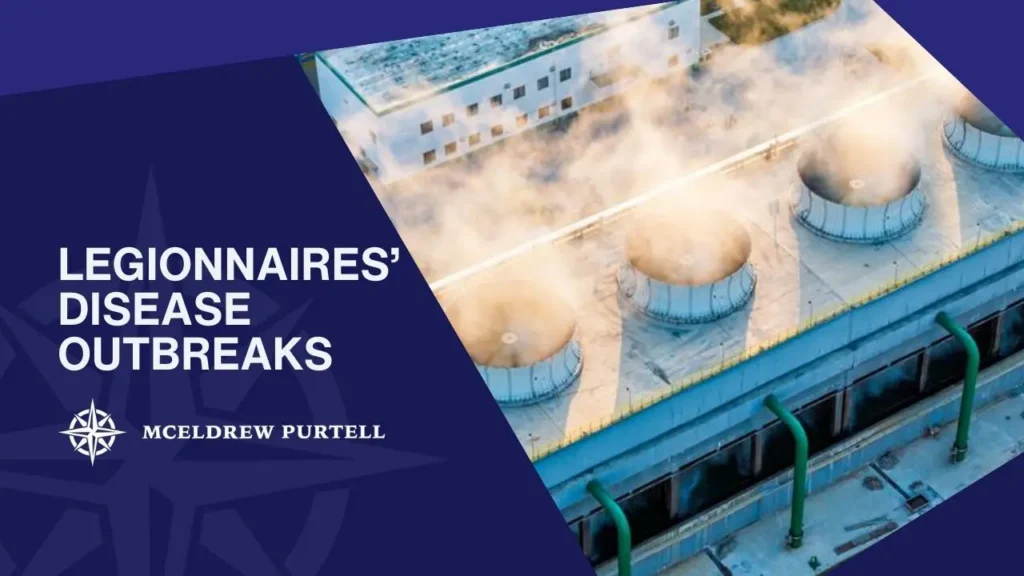
A growing Legionnaires’ disease outbreak on New York City’s Upper East Side has sickened at least 56 people, sending dozens to the hospital and triggering one of the city’s largest public health investigations of the year. Health officials are racing…
Supply Chain Failures: Toxic Chemical Exposure Leading to Burns, Organ Damage, and Wrongful Death
Workers, drivers, warehouse employees, emergency responders, and nearby families can suffer life-changing injuries when hazardous chemicals leak, spill, or ignite. A single transportation failure or packaging defect can expose people to toxic fumes, chemical burns, respiratory damage, explosions, or long-term…

Five Killed in Virginia I-95 Bus Crash as Investigators Examine Multi-Vehicle Collision Near Work Zone
Five people were killed and dozens more were injured when a bus struck multiple vehicles on Interstate 95 in Virginia. For the families involved, the central question is not only what happened in the seconds before impact, but whether the…

Stoneworkers Face Life-Threatening Silicosis From Quartz Countertop Dust
Stone fabrication workers are losing lung function, undergoing lung transplants, and dying after years of cutting and polishing engineered stone countertops. NPR’s latest reporting adds to growing public health evidence that silicosis tied to quartz countertop dust is appearing across…