

Serious injuries while boarding, exiting, or passing through train doors.
Passengers can suffer serious injuries when train doors close unexpectedly, the space between a railcar and platform creates a dangerous boarding condition, or equipment used to bridge that space fails. These incidents can cause falls, fractures, crush injuries, entrapment, dragging injuries, traumatic brain injuries, or catastrophic harm near active tracks. Federal rail and transit guidance recognizes the importance of managing platform gaps, accessible boarding, and the interface between trains and platforms. When someone is seriously injured, the investigation may need to examine the door system, platform configuration, train position, maintenance history, accessibility equipment, operating procedures, and other conditions present at the time.
Were You Injured While Boarding, Exiting, or Working Around a Train?
Railroad employees injured while boarding or exiting equipment, operating train doors, assisting passengers, or working on platforms may have rights under the Federal Employers’ Liability Act (FELA). Visit McEldrew Purtell’s dedicated railroad injury website for information about railroad workplace injuries, job-specific hazards, and FELA claims.
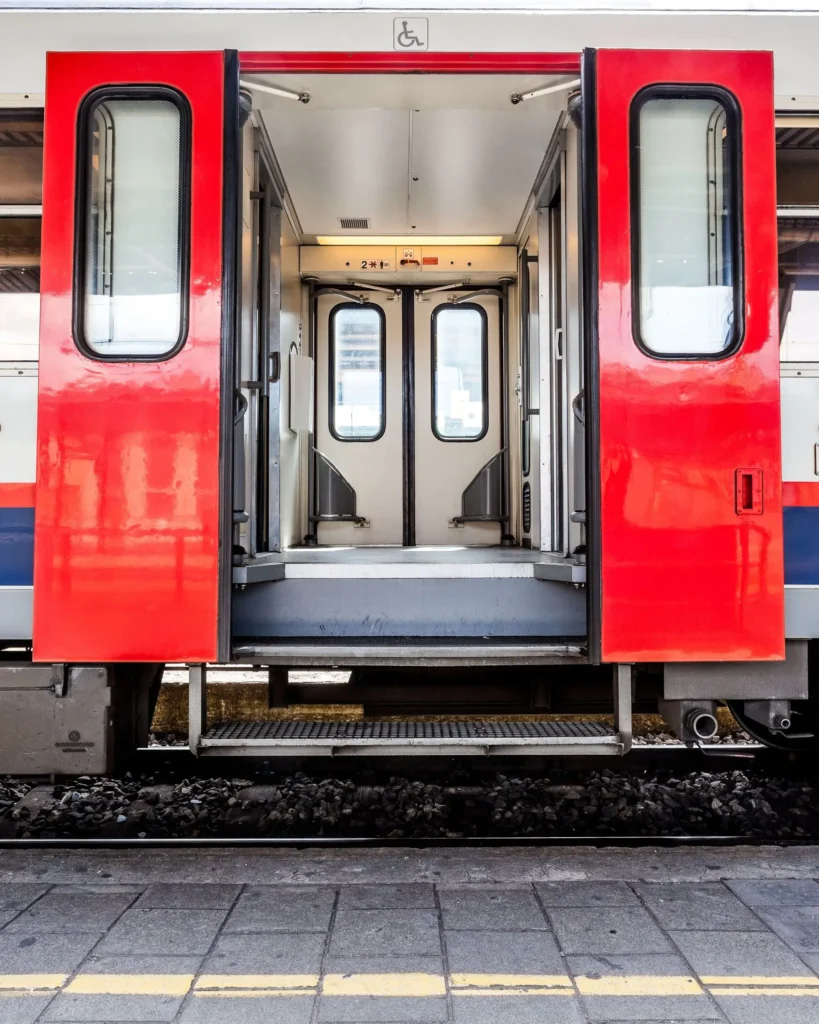

Have a question after a serious train injury?
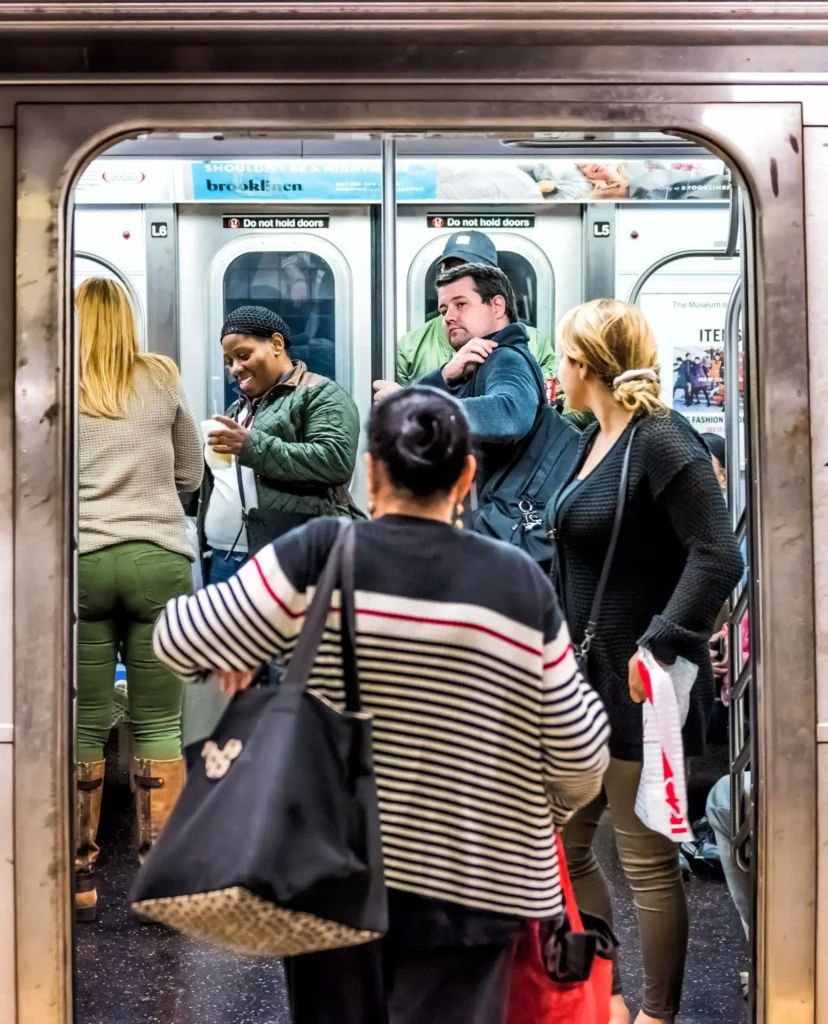
Who We Represent After Door, Gap & Boarding Injuries
We handle door, gap, and boarding/alighting cases for:
- Commuter and intercity rail passengers injured while boarding, exiting, or moving through train doors
- Subway, light-rail, and transit riders injured by platform gaps, door systems, or unsafe boarding conditions
- Passengers who use wheelchairs or mobility devices when ramps, bridge plates, lifts, or other boarding equipment create or fail to address an unsafe condition
- Children, older adults, and other passengers seriously injured at the train-platform interface
- Families after fatal door, gap, dragging, or boarding incidents
Federal accessibility requirements specifically address the coordination of rail platforms and vehicles and the use of ramps, bridge plates, lifts, and similar devices where needed.
Railroad employee injured during train or station work? Explore railroad jobs and work-related injury risks.
How Train Door, Platform Gap & Boarding Injuries Can Happen
These injuries rarely come out of nowhere. Common breakdowns include:
- Platform gaps – Horizontal or vertical differences between a train and platform can create difficult or unsafe boarding conditions, particularly on curved platforms or where train and platform heights do not align. Federal Railroad Administration (FRA) guidance specifically notes that curved platforms can create larger gaps between railcars and platform edges.
- Door system failures – Door timing, obstruction detection, reopening systems, door controls, warnings, and maintenance may need to be examined when a passenger is caught or trapped.
- Boarding or exiting before a train is fully stopped – Incidents can occur when passengers board or exit while a train is moving, begins moving unexpectedly, or has not stopped in a safe boarding position.
- Crowding and platform management – Heavy passenger volume can compromise safe movement near train doors and platform edges. The investigation may examine crowd-control measures, waiting areas, boarding procedures, signage, and staffing.
- Accessibility and boarding equipment – Ramps, bridge plates, lifts, portable steps, and other boarding equipment may be important when a passenger cannot safely cross the gap between the train and the platform.
- Lighting, markings, and passenger information – Poor lighting, unclear edge markings, inadequate signage, or confusing announcements may make it harder for passengers to identify platform gaps or understand where it is safe to board.
Injured because of a broken platform surface, stairs, escalator, elevator, snow, ice, or another station condition? See our Train Station & Platform Injury Claims page.
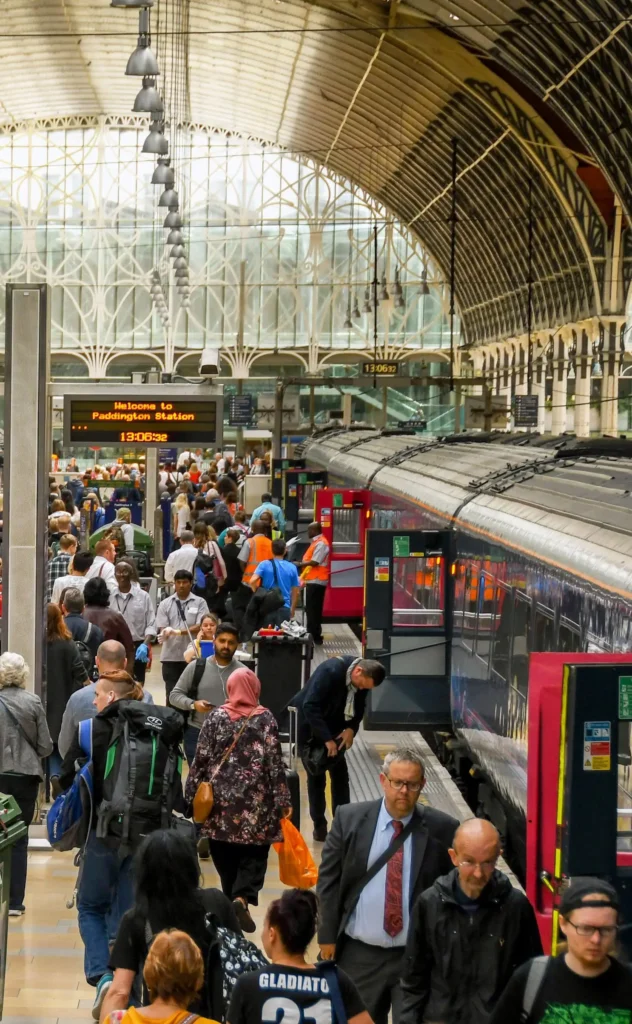
Common Train Door, Platform Gap & Boarding Injury Cases
Falls into platform gaps
A passenger can step or fall into the space between a train and platform while boarding or exiting, particularly where there is a significant horizontal or vertical gap, limited visibility, or crowding.
Door entrapment and dragging incidents
Clothing, bags, limbs, mobility devices, or other items can become caught in train doors. When a train begins moving before the obstruction is recognized or released, the resulting injuries can be catastrophic.
Falls while boarding or exiting
Unexpected train movement, uneven boarding heights, unstable footing, crowded doorways, or unsafe boarding conditions can cause passengers to fall onto a platform, into a train, or toward the track area.
Misaligned or mis-spotted train doors
A train that stops outside the normal boarding area may leave passengers exiting onto uneven surfaces, obstructions, unusually large gaps, or portions of a platform not intended for boarding.
Ramp, bridge plate & portable step incidents
Boarding equipment used to span height or distance differences can create additional hazards when it is unavailable, improperly positioned, unstable, damaged, or otherwise unsuitable for the boarding condition.
Crowding & doorway boarding incidents
Heavy passenger volume, poorly managed queues, inadequate boarding space, or movement near open train doors can contribute to falls, pushing, entrapment, or contact with platform edges.
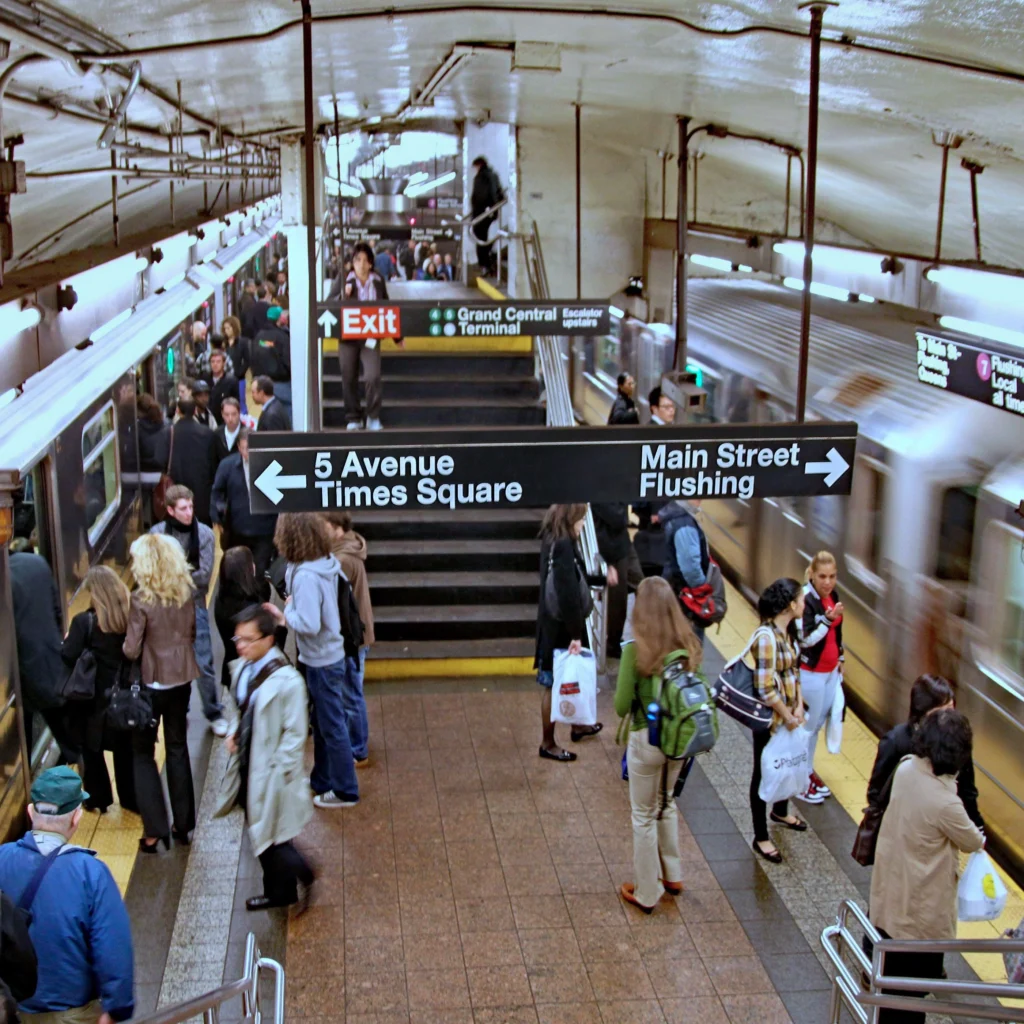
Who May Be Responsible for a Train Door or Boarding Injury?
Potentially responsible entities may include:
- Passenger rail and transit operators responsible for train operations and door procedures
- Station or platform owners responsible for the boarding environment
- Maintenance contractors responsible for train doors, sensors, platforms, ramps, lifts, or other equipment
- Door and control-system manufacturers if a product defect contributed to the incident
- Ramp, bridge plate, lift, or boarding-equipment manufacturers
- Other contractors or public entities that controlled the relevant train, platform, equipment, or boarding process
Responsibility depends on what failed and who controlled the train, door system, platform, equipment, or procedure involved. A serious injury may require examining several entities before it is clear which failures contributed.
Evidence That Can Matter After a Door, Gap, or Boarding Injury
The physical conditions present during a boarding incident may change quickly. A different railcar may arrive, a door may return to service, temporary boarding equipment may be removed, and surveillance footage may not be retained indefinitely.
Depending on what happened, important evidence may include:
- Photographs or video showing the platform gap, train door, boarding area, ramp, bridge plate, step, or other equipment
- Station and platform surveillance footage
- Onboard video where available
- Train, railcar, route, station, and platform information
- Door-system inspection, maintenance, and repair records
- Records showing door-control or obstruction-detection issues
- Platform measurements, design records, and boarding configurations
- Ramp, lift, bridge plate, or accessibility-equipment records
- Incident reports and prior complaints or similar events
- Witness names and contact information
- Policies and procedures governing train positioning, door operation, boarding, and passenger assistance
This evidence can help establish the conditions present at the time of the injury and identify the companies or entities responsible for the train, platform, or equipment involved.


What to Do After a Train Door or Boarding Injury
- Get medical care. Seek evaluation for all symptoms, particularly after a fall, crush event, entrapment, or contact near active tracks.
- Document the exact location. Record the train or route, station, platform, railcar number if available, and where you were boarding or exiting.
- Photograph the gap and equipment. If possible, photograph the train door, platform edge, gap, ramp, bridge plate, steps, markings, signs, or other conditions involved.
- Identify witnesses. Save names and contact information for people who saw the incident or boarding conditions.
- Keep travel records. Preserve tickets, passes, reservations, transit-app records, alerts, emails, incident reports, and other communications.
- Preserve damaged items. Clothing, bags, mobility devices, or other property caught in a train door may be relevant to documenting what happened.
- Act promptly. Video, equipment conditions, and other evidence can change or be lost over time.
Railroad employee injured while working? See What to Do After a Railroad Injury for worker-specific guidance.
Learn More
Railroad Toxic Exposure Claims: Cancer, Lung Disease, and Proving Workplace Causation
Railroad workers face dangers that extend far beyond traumatic injuries and derailments. For decades, railroad employees have been exposed to toxic substances capable of causing serious illnesses, including cancer, chronic lung disease, and other life-altering medical conditions. Under the Federal…

Fatal Accidents Involving Railroad Employees: What Families Should Know About Wrongful Death Claims Under FELA
A fatal railroad accident leaves families facing far more than grief. Many are suddenly dealing with lost income, unanswered questions about what happened, and pressure from railroad investigators before they fully understand their rights. If a railroad employee is killed…
FELA vs. Worker’s Comp: What Qualifies as an FELA Claim?
One of the most important questions in a railroad injury case is whether the claim belongs under a state’s workers’ compensation law or the Federal Employers’ Liability Act (FELA). he answer to this question can have a dramatic impact on…
Comparative negligence under FELA: what it means and how railroads try to shift blame
If you are a railroad worker hurt on the job, your claim usually falls under the Federal Employers’ Liability Act (FELA), not standard workers’ compensation. One of the biggest battleground issues in a FELA case is comparative negligence. Railroads often…
FELA vs. workers’ comp: the key differences railroad workers can’t afford to miss
If you are hurt working for a railroad, your claim usually is not a standard workers’ compensation case. Most railroad employees fall under the Federal Employers’ Liability Act (FELA), a federal law that works very differently than state workers’ comp.…
Legal Insight: Defining the Ownership of Tracks in Philadelphia – Where Should I look?
This article was created by the Philadelphia Trial Lawyers Association for The Verdict newsletter in conjunction with Cormick McLaughlin of McEldrew Purtell and is intended to provide legal insight into the ownership of railroad tracks in the Philadelphia area. Finding…