

Hurt in a crane, hoist, or rigging incident? We’re here to help.
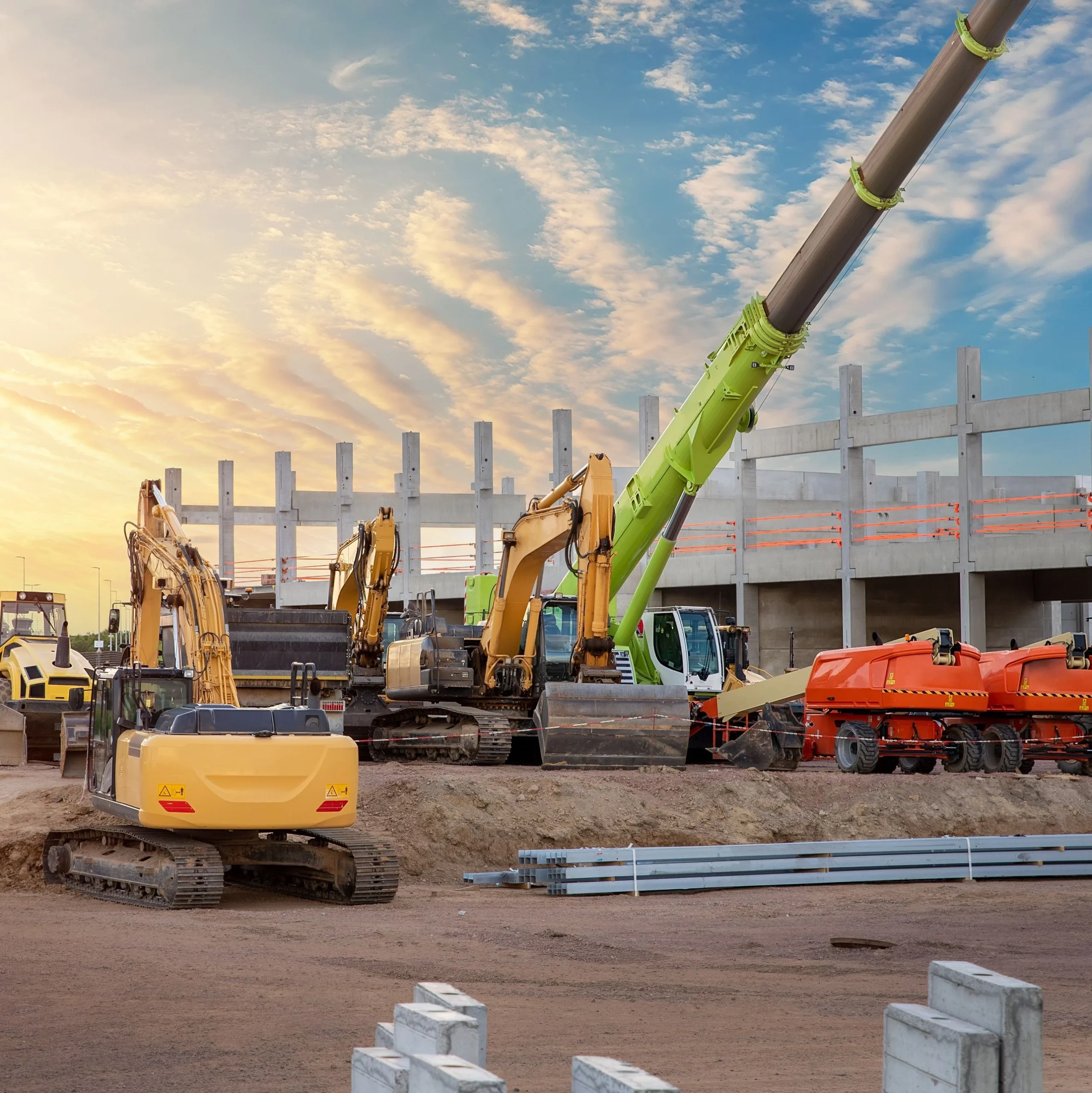
When a crane, hoist, or rigging system fails, life can change in seconds. You may be facing surgeries, time off work, and a lot of unanswered questions about what went wrong. You don’t have to figure that out on your own. Our team moves quickly in to protect the scene, secure the equipment, and gather the records that tell the story including maintenance logs, lift plans, manuals, crew communications, and more.
Workers’ compensation may cover some bills, but it usually doesn’t address the full impact on your life. Many of these incidents involve other companies (manufacturers, rental or service outfits, general contractors, subcontractors, utilities) whose choices or defective products caused the harm. We investigate every angle to hold the right parties accountable and pursue the maximum recovery the law allows.

How Much Is Your Case Worth?
Why These Incidents Happen
Crane and rigging operations leave little margin for error. Failures often trace back to one or more preventable problems:
- Equipment defects (design or manufacturing flaws, inadequate guards, faulty load indicators)
- Improper assembly or erection of cranes or booms
- Overloading or poor load calculations
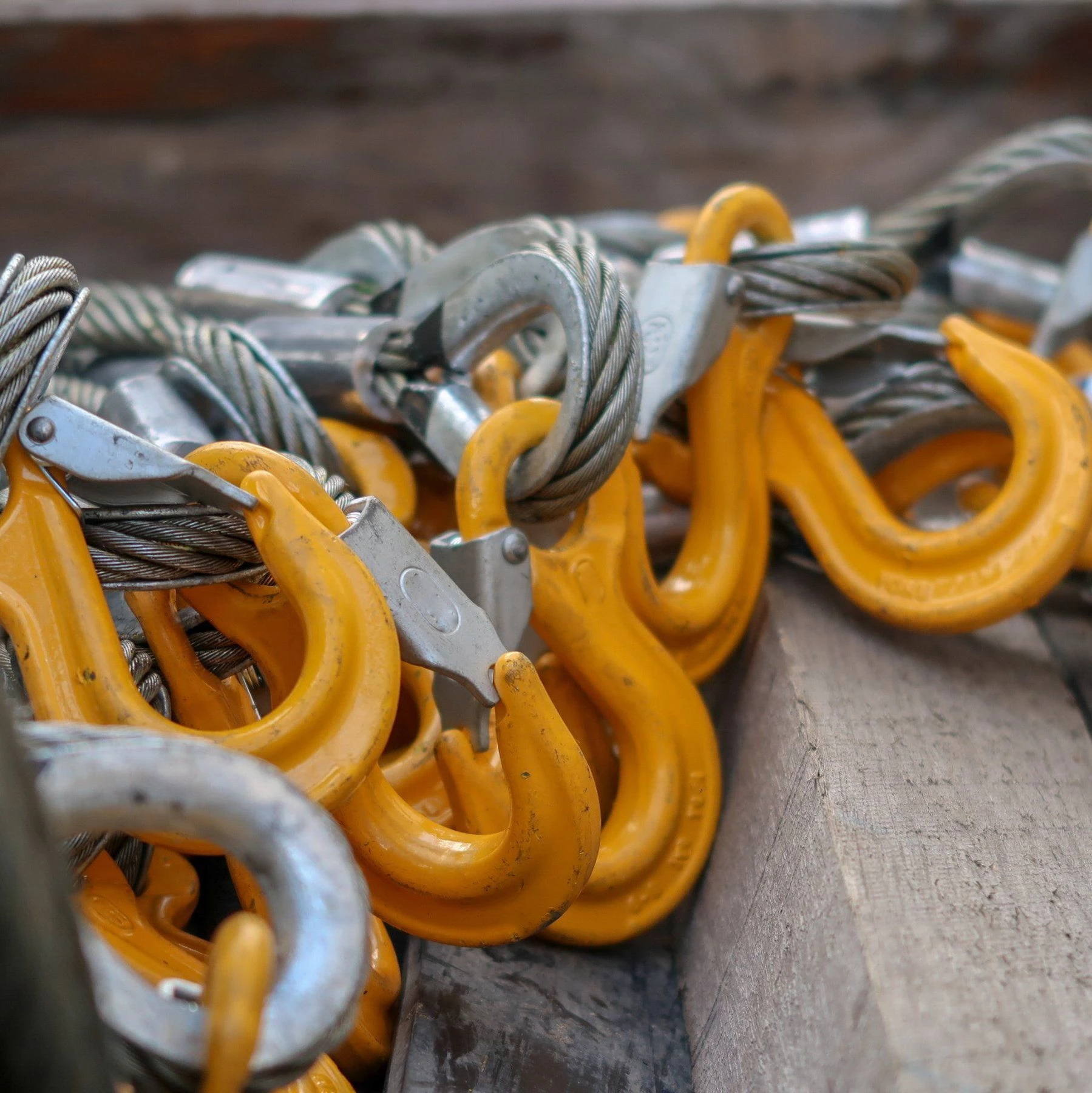
- Worn or damaged components (wire rope, slings, hooks, shackles)
- Lack of inspections or maintenance
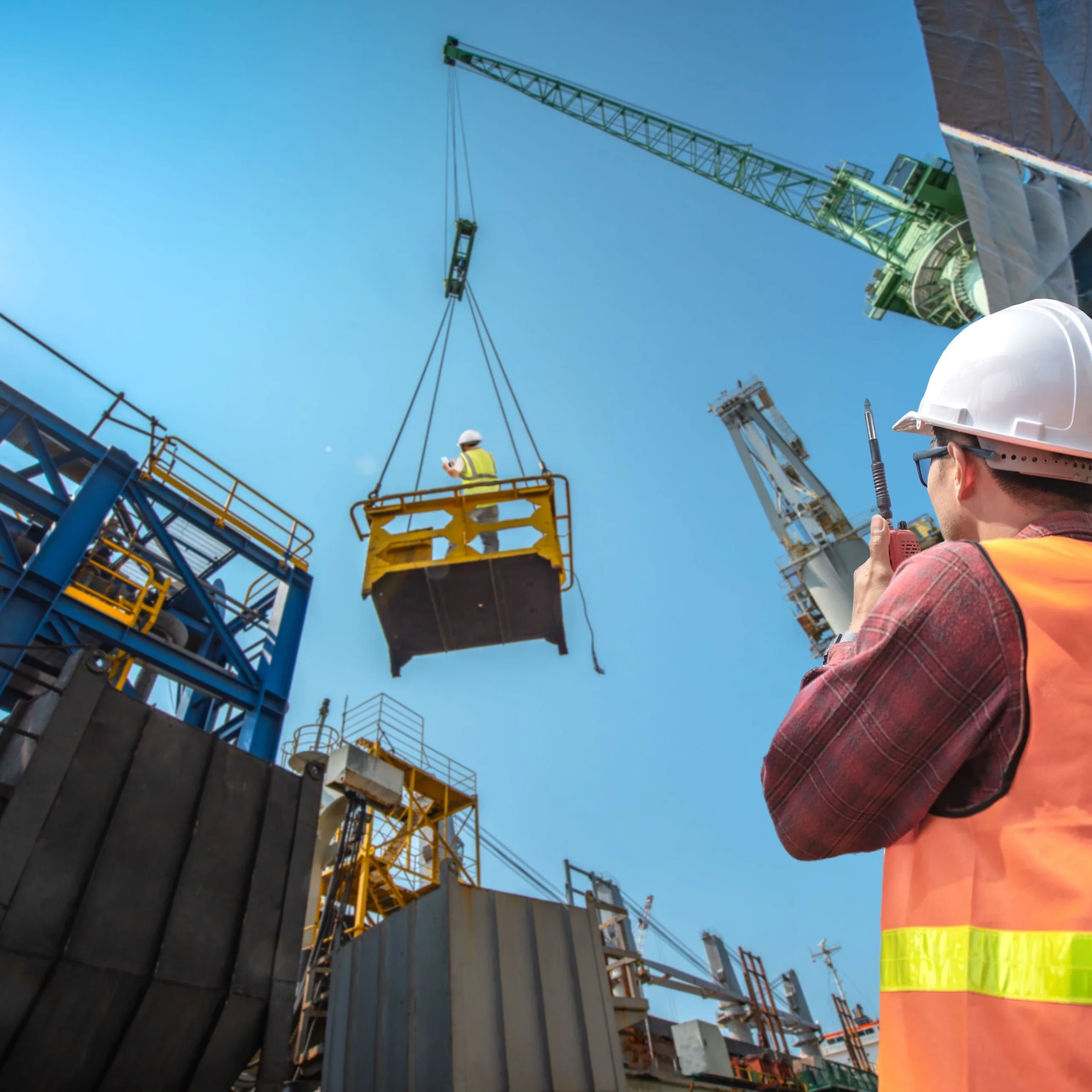
- Signal/communication breakdowns between crew members
- Inadequate training or supervision
- Site hazards (unstable ground, power lines, weather/wind)
You don’t have to know exactly what failed but preserving the equipment and the scene quickly can make the difference in your case.
Common Injuries We See
- Traumatic brain injury (TBI) and head trauma
- Spinal cord and back injuries
- Crush injuries and amputations
- Fractures and orthopedic injuries
- Electrical burns and arc injuries
- Internal organ damage
- Wrongful death
Who may be legally responsible (beyond workers’ comp)
Workers’ compensation may cover medical bills and some lost wages, but it typically does not pay for pain and suffering or full lost earnings. To recover those, we investigate third‑party and product liability claims against:
Equipment manufacturers and distributors
Defective cranes, hoists, rigging, load moment indicators, anti‑two‑block devices.
Component makers
Wire rope, hooks, slings, shackles, turnbuckles.
Rental companies & service contractors
Faulty maintenance, poor assembly/inspection.
General contractors, site managers & subcontractors
Unsafe planning, inadequate coordination, ignoring lift plans, bad rigging practices, lack of qualified signal persons.
Engineering/erection firms
Improper ground prep, miscalculated loads.
Property owners & utilities
Unmarked hazards, power line clearance failures.
Learn More
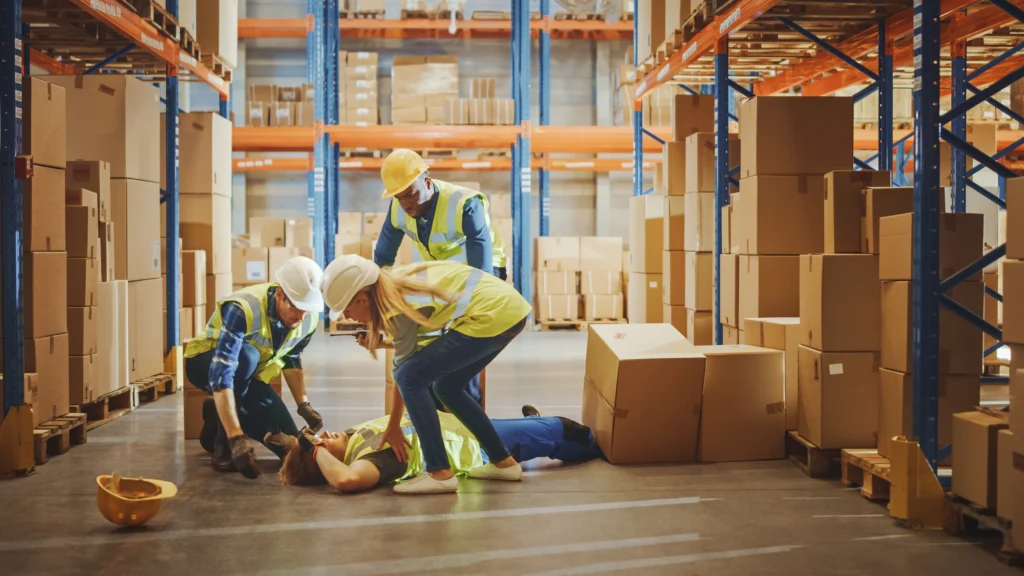
Warehouse Crush Injuries: Severe Limb Damage and Amputations
A warehouse crush injury happens when a forklift, machine, trailer, collapsing load, or other heavy equipment traps an arm, leg, hand, or foot; the resulting force can destroy bone, muscle, blood vessels, nerves, and skin. What begins as a workplace…
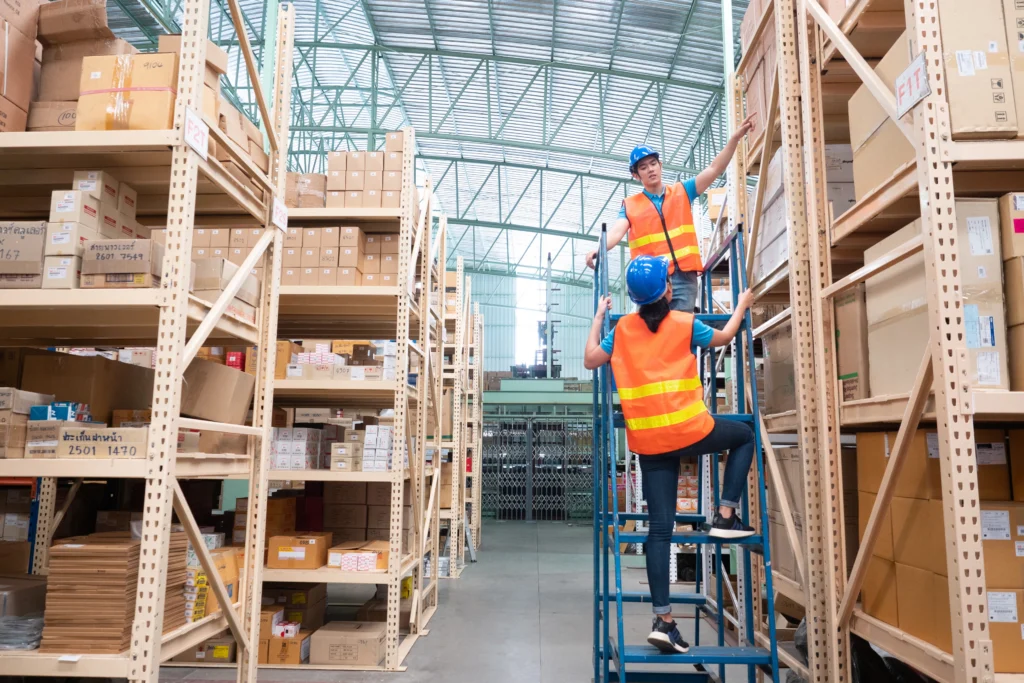
Traumatic Brain Injuries (TBI), Paralysis, and Wrongful Death Caused by Warehouse Falls
Warehouse workers have suffered permanent brain damage, paralysis, or death within seconds of a fall from a storage rack, mezzanine, ladder, loading dock, or raised pallet. A worker may strike a concrete floor, shelving, machinery, or stored materials with enough…
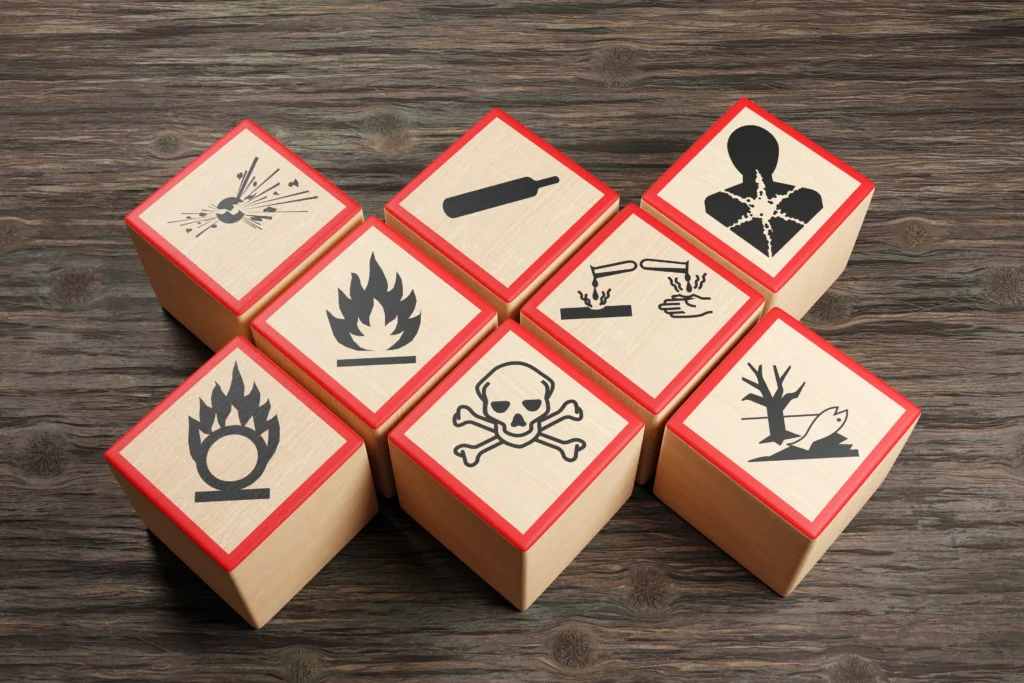
Toxic Exposure Claims: Identifying the Right Liability Theory
Toxic exposures can cause life-altering injuries. The source may be a defective product, an unsafe workplace, a leaking facility, a mislabeled container, or a chemical release that reaches homes, schools, or nearby businesses. The legal claim depends on where the…
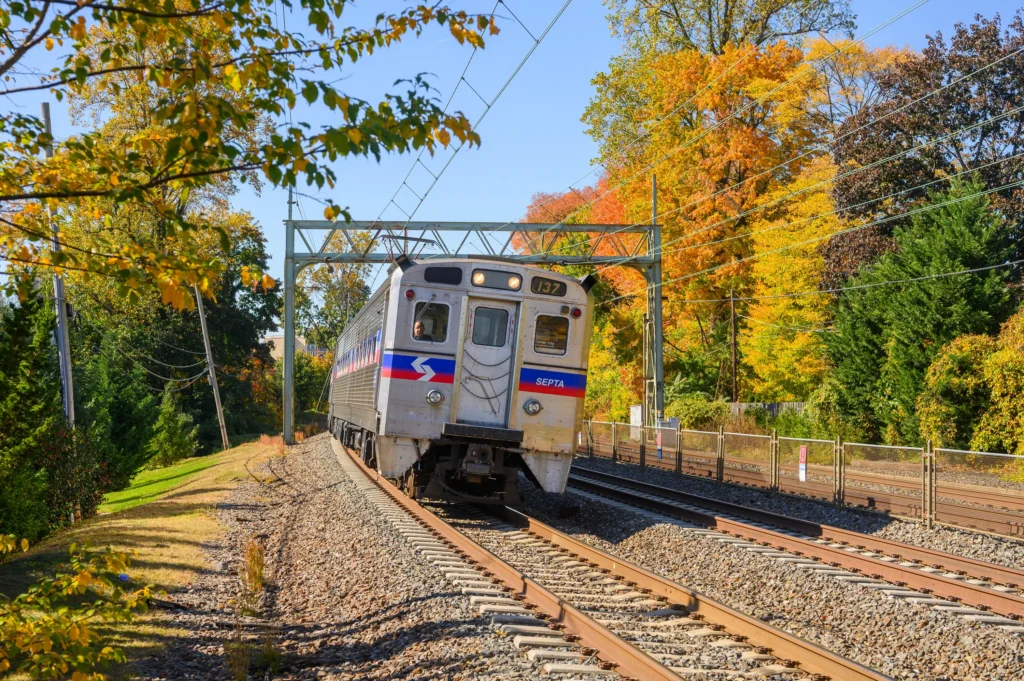
FELA vs. Worker’s Comp: What Qualifies as an FELA Claim?
One of the most important questions in a railroad injury case is whether the claim belongs under a state’s workers’ compensation law or the Federal Employers’ Liability Act (FELA). he answer to this question can have a dramatic impact on…
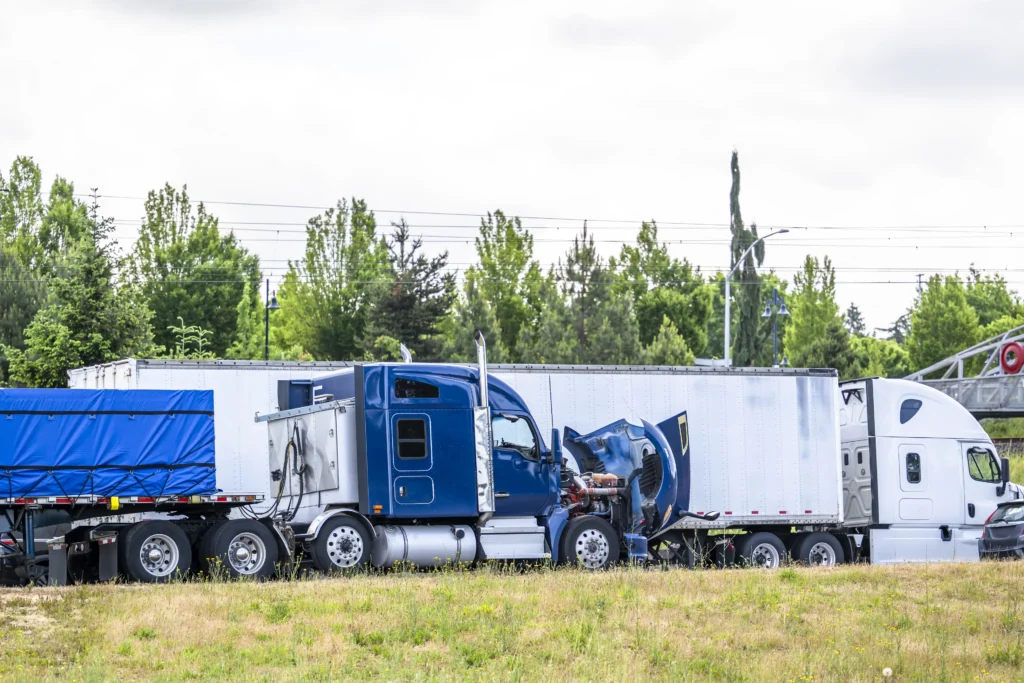
Corporate Negligence in Trucking: When Company Decisions Cause Safety Issues
Families traveling on the highway may not realize that the commercial trucks driving beside them are not always operated by safe or even easily identifiable companies. Often, that only becomes clear after a serious crash, when victims and their families…

Two Construction Workers Killed in Route 30 Work Zone Crash in Chester County
Two construction workers were killed while setting up a traffic pattern on Route 30 in Chester County, according to Pennsylvania State Police. The fatal crash reportedly involved a tractor-trailer and multiple vehicles in an active construction zone. What happened in…