

When repair causes harm.
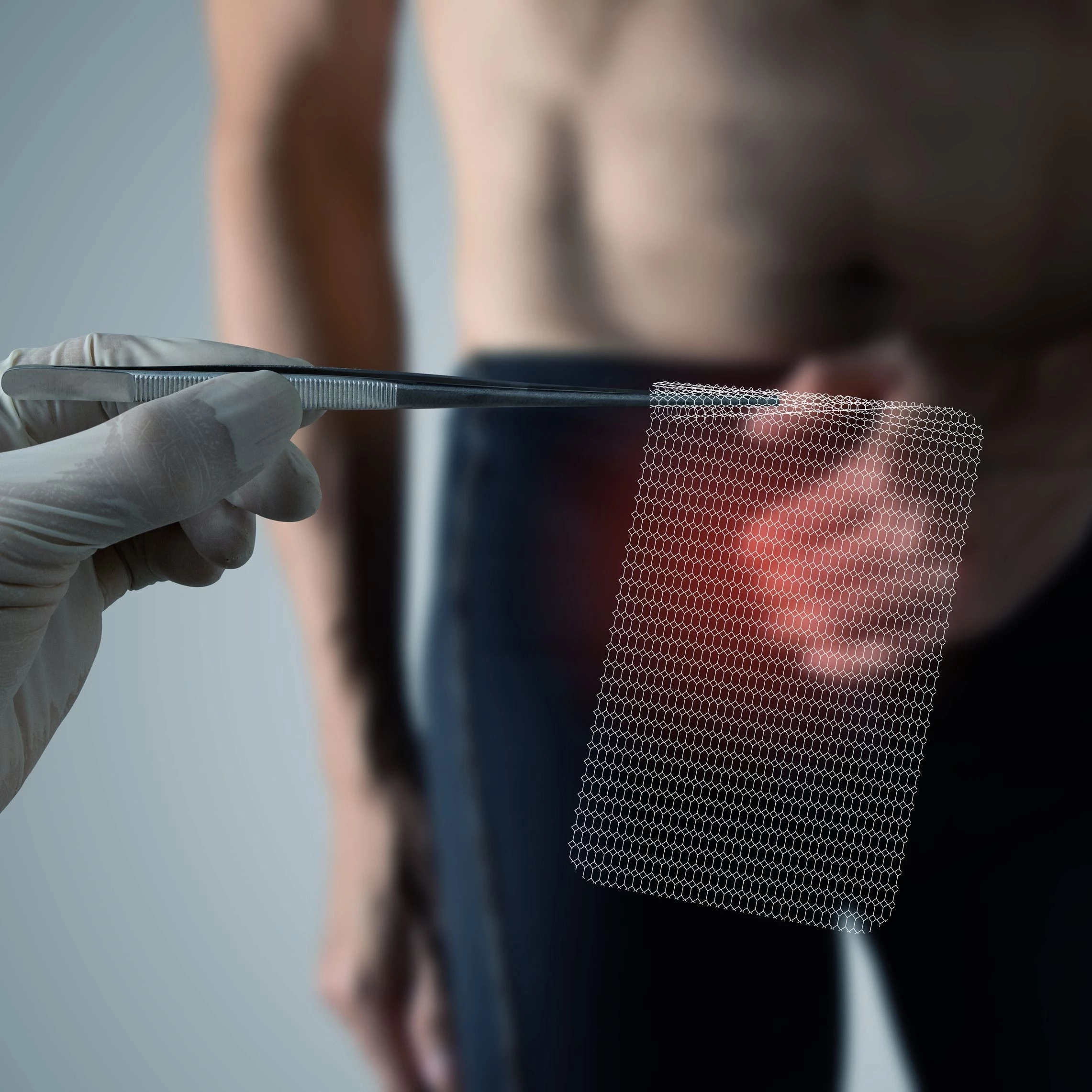
Patients have suffered serious harm after surgical mesh and soft-tissue repair products were implanted to reinforce weakened or damaged tissue. These injuries can lead to chronic pain, infection, bowel obstruction, organ injury, repeat surgery, permanent complications, or death.
FDA safety actions, recalls, warnings, and adverse event reports have kept the risks of surgical mesh products in focus. If you or someone you love suffered complications after mesh implantation, the central question is whether a defective product, inadequate warning, surgical error, or preventable safety failure played a role.

How Much Is Your Case Worth?
What Are Surgical Mesh and Soft-Tissue Repair Products?
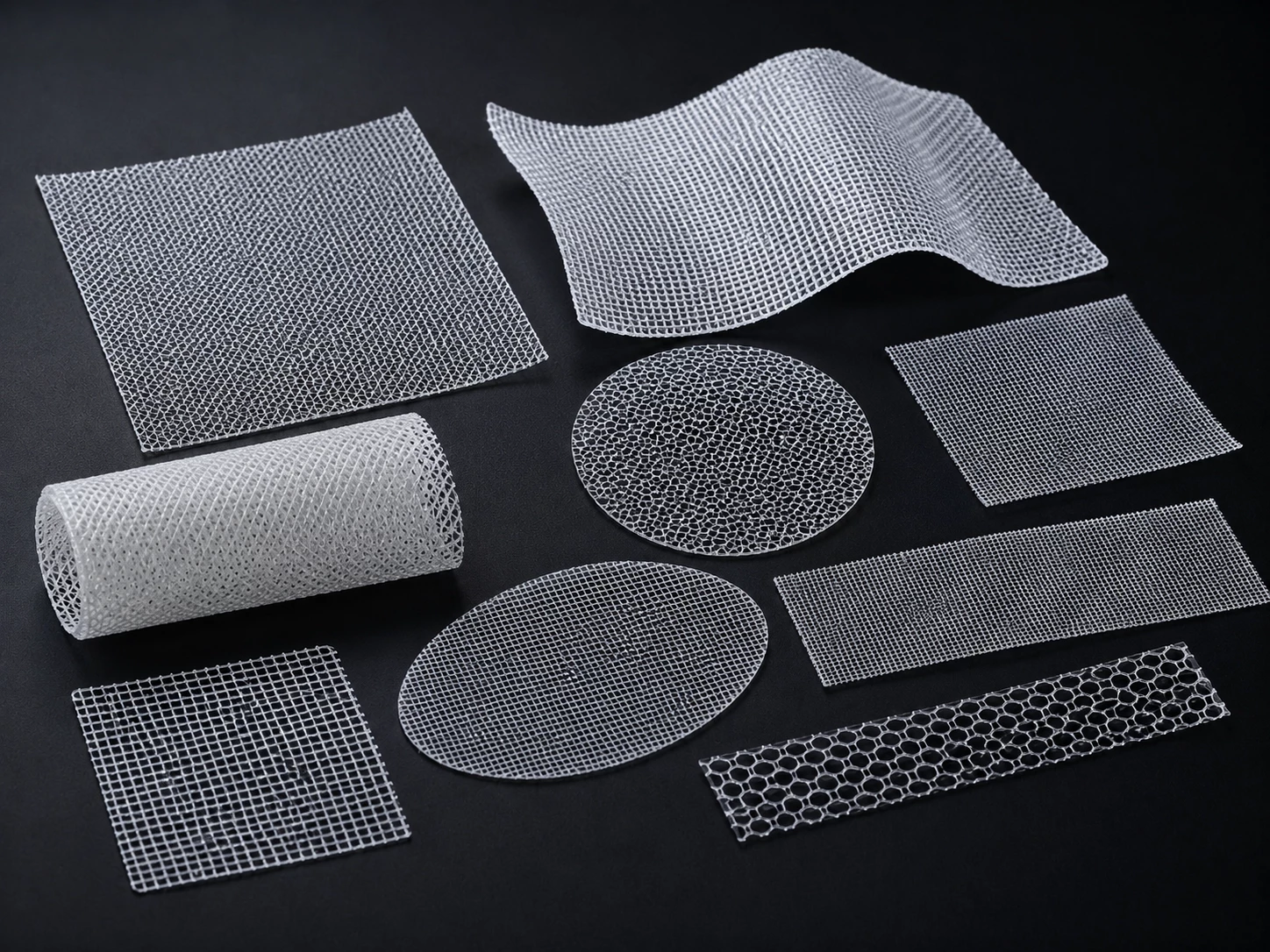
Surgical mesh is a medical device used to support, reinforce, or repair weakened tissue. These products may be made from synthetic materials, biologic materials, absorbable materials, non-absorbable materials, or a combination of materials.
Mesh and soft-tissue repair products are commonly used in procedures involving:
- Hernia Repair: Hernia mesh may be implanted during repair of abdominal, ventral, incisional, umbilical, inguinal, or other hernias. The FDA identifies commonly reported complications after hernia repair as including pain, infection, recurrence, adhesion, bowel obstruction, bleeding, fistula, seroma, and perforation.
- Pelvic and Urogynecologic Repair: Some mesh products have been used in pelvic organ prolapse and stress urinary incontinence procedures. The FDA has taken significant safety actions involving certain urogynecologic surgical mesh products, including action that led manufacturers to stop selling surgical mesh intended for transvaginal repair of pelvic organ prolapse in the United States.
- Soft-Tissue Reinforcement: Soft-tissue repair products may also be used in abdominal wall reconstruction, breast reconstruction, tendon or ligament reinforcement, and other procedures where surgeons seek added support for weakened tissue.
How Surgical Mesh Injuries Can Happen
Surgical mesh complications can arise from the product, the implantation procedure, the patient’s anatomy, the body’s response to the material, or a combination of factors. A legal investigation may look at whether the product was defectively designed, defectively manufactured, contaminated, improperly labeled, inadequately tested, or promoted without sufficient warnings.
Complications may involve:
- Product Failure: A mesh product may shrink, fold, break down, migrate, erode into nearby tissue, or fail to provide the support it was intended to provide. When mesh fails, patients may experience recurrent hernias, persistent pain, tissue damage, or the need for revision surgery.
- Inflammatory or Foreign Body Response: Some patients develop a severe inflammatory response after implantation. In serious cases, this response may contribute to chronic pain, scar tissue, tissue contraction, nerve irritation, or difficulty removing the product.
- Infection or Contamination: Mesh infections can be difficult to treat because implanted material may harbor bacteria. Some patients require long-term antibiotics, drainage procedures, hospitalization, or surgical removal of the mesh.
- Adhesion, Erosion, or Migration: Mesh can attach to surrounding tissue, move from its original position, or erode into nearby organs. These complications may involve the bowel, bladder, blood vessels, nerves, or reproductive organs.
- Inadequate Warnings or Instructions: A claim may also focus on whether doctors and patients received clear warnings about known risks, proper surgical technique, contraindications, complication rates, and removal challenges.

Serious Injuries Linked to Surgical Mesh and Soft-Tissue Repair Products
Not every poor surgical outcome means the product was defective. Some complications are known risks of surgery. However, severe or unusual complications may justify a closer review. Potential injuries and losses may include:
Chronic Pain
Chronic pain after mesh implantation may affect walking, sitting, lifting, working, sexual activity, sleep, and daily function. Pain may be caused by nerve irritation, mesh contraction, inflammation, scarring, fixation devices, or tissue damage.
Infection
Mesh-related infection may cause fever, swelling, drainage, abscess formation, sepsis, repeated hospitalization, or the need for mesh removal.
Hernia Recurrence
A failed hernia repair may allow the hernia to return. Recurrence may require another operation and may increase the risk of further complications.
Bowel Obstruction or Perforation
When mesh affects the intestines or nearby organs, patients may suffer bowel obstruction, fistula, perforation, abdominal infection, or emergency surgery.
Mesh Migration or Erosion
Mesh can move from its intended location or erode into surrounding tissue. These injuries can be painful, difficult to diagnose, and difficult to repair.
Permanent Injury or Death
In the most serious cases, complications can lead to permanent disability, life-threatening infection, organ injury, or death.

Warning Signs After Mesh Implantation
Patients should speak with a medical professional if they develop new, worsening, or persistent symptoms after a mesh-related procedure. Warning signs may include:
- Pain That Does Not Improve – Severe pain, burning pain, stabbing pain, nerve-like pain, or pain that worsens months or years after surgery may require medical evaluation.
- Swelling, Redness, Fever, or Drainage – These symptoms may suggest infection, abscess, or wound complications.
- A New Bulge or Return of Symptoms – A new bulge after hernia repair may suggest recurrence or product failure.
- Nausea, Vomiting, or Bowel Changes – These symptoms can be signs of obstruction, adhesion, or bowel involvement.
- Pain During Movement or Daily Activity – Mesh complications can cause pain during lifting, bending, walking, intercourse, urination, or bowel movements, depending on the type and location of the implant.
When a Surgical Mesh Legal Claim May Be Investigated
A surgical mesh or soft-tissue repair product claim may be investigated when a patient suffers serious complications after implantation and there is evidence that a product defect, warning failure, contamination issue, recall, or preventable medical mistake may have contributed.
A legal review may focus on questions such as:
- What Product Was Implanted? The exact product name, manufacturer, model, lot number, size, material, and implant date can matter. These details may appear in operative reports, implant stickers, hospital records, device tracking records, or billing records.
- Was the Product Recalled or Subject to Safety Concerns? The FDA maintains medical device recall information and states that recall classification may occur after a company has already initiated a correction or removal action.
- Did the Product Fail or Cause Complications? Medical records, imaging, surgical findings, pathology reports, and revision surgery notes may show whether the mesh migrated, contracted, eroded, became infected, fractured, adhered to tissue, or failed to repair the original condition.
- Were Warnings Adequate? A claim may examine whether the manufacturer gave doctors and patients sufficient information about risks, complication patterns, removal difficulty, long-term outcomes, and safer alternatives.
- Was the Surgery Performed Properly? Some cases involve both product issues and surgical issues. A careful investigation may consider whether the surgeon selected the right product, implanted it correctly, used proper fixation, responded appropriately to complications, and provided proper follow-up care.
Evidence That May Matter in a Surgical Mesh Case
Strong evidence is critical in mesh and implant defect cases. Useful records may include:
Surgical Records: Operative reports, implant logs, anesthesia records, hospital charts, consent forms, and discharge summaries can help identify what happened during the original procedure.
Product Identification: The product label, implant sticker, device card, manufacturer name, catalog number, serial number, lot number, and Unique Device Identifier may help confirm the specific product involved.
Follow-Up Medical Records: Office notes, emergency room records, imaging reports, lab results, infection records, and pain management records may show how symptoms developed over time.
Revision Surgery Findings: Revision surgery records can be especially important. They may describe mesh erosion, migration, contraction, infection, adhesions, organ damage, or the surgeon’s inability to remove all implanted material.
Removed Mesh or Tissue Samples: If mesh is removed, preservation of the product may matter. Patients should ask their medical team or attorney about whether the removed material can be preserved for inspection.
Photographs and Symptom History: Photos of visible swelling, wounds, drainage, or scarring may help document the impact of complications. A timeline of symptoms, appointments, missed work, and daily limitations can also help.
Why Surgical Mesh Cases Can Be Complex
Surgical mesh cases often require detailed review because several potential causes may overlap. A patient may have an underlying medical condition, a known surgical risk, a product-related failure, and a treating provider’s decision all involved in the same outcome.
These cases may require review of:
- Device Design and Materials – The investigation may examine whether the mesh material, coating, pore size, absorbability, fixation system, or design increased the risk of pain, contraction, adhesion, erosion, infection, or failure.
- Regulatory History – FDA activity, recalls, adverse event reports, labeling changes, and post-market safety concerns may provide context for what the manufacturer knew or should have known.
- Medical Causation – Medical experts may need to determine whether the mesh likely caused or contributed to the patient’s injuries.
- Alternative Explanations – A careful legal team must separate product-related harm from unrelated disease progression, ordinary surgical risk, or complications caused by other medical issues.
- Statutes of Limitation – Time limits apply to product liability and medical negligence claims. The applicable deadline depends on the state, the facts, the injury date, the discovery date, and the parties involved.


Who May Have a Surgical Mesh or Soft-Tissue Repair Product Claim?
You may have a claim worth reviewing if you or a loved one experienced serious complications after a mesh or soft-tissue repair product was implanted, especially if the complications required repeat medical care, hospitalization, or revision surgery.
Potential claims may involve:
- Hernia Mesh Complications: This may include chronic pain, infection, recurrent hernia, bowel obstruction, adhesions, perforation, fistula, seroma, mesh migration, or revision surgery.
- Pelvic Mesh Complications: This may include pain, erosion, infection, urinary problems, bleeding, organ injury, sexual dysfunction, or repeat surgery.
- Biologic or Synthetic Soft-Tissue Repair Products: This may include product failure, infection, tissue reaction, poor incorporation, rejection, recurrence, or the need for removal or replacement.
- Wrongful Death: Families may need answers when mesh-related complications lead to fatal infection, organ injury, sepsis, or surgical complications. A wrongful death investigation may examine whether a defective product, inadequate warnings, or preventable medical errors contributed to the loss.
What Families Should Know Next
A serious mesh complication can leave patients with pain, uncertainty, and conflicting medical explanations. The most important step is to get appropriate medical care and preserve the records that identify the product and document the injury.
Do not assume that a complication is legally actionable just because mesh was involved. Do not assume that nothing can be done just because the implant surgery happened years ago. A meaningful review starts with the product identity, the timeline of symptoms, the medical findings, and the severity of the harm.


Contact McEldrew Purtell for a Free Consultation
If you or a loved one suffered serious complications after surgical mesh or a soft-tissue repair product was implanted, McEldrew Purtell can review what happened and help determine whether a product liability or medical negligence claim may be available.
Contact McEldrew Purtell today for a free consultation. We can evaluate the product involved, the medical records, the complications, and the legal issues that may affect your case.
Learn More

BD Alaris Infusion Set Recall: Over- and Under-Infusion Can Cause Catastrophic Injury
Patients receiving critical medications through BD Alaris pumps can face serious harm if an infusion set causes the system to deliver more or less than programmed. On October 5, 2026, the FDA updated a Class I recall involving approximately 94.2…

Surgical Stapler Failures: Internal Bleeding, Sepsis, and Wrongful Death
Patients can suffer life-threatening internal bleeding, leaks, infection, or sepsis when a surgical stapler fails to create a complete and secure staple line. These complications may require emergency surgery, prolonged hospitalization, or intensive care, and in the most serious cases…

Pacemaker and ICD Failures: When a Cardiac Device Fails
Patients who rely on a pacemaker or an implantable cardioverter-defibrillator are trusting that device to work. When a pacemaker fails to deliver needed electrical impulses or an ICD fails to detect a dangerous rhythm or deliver an effective shock, the…

Electric Vehicle Defects: Battery Fires, Severe Burns, and Explosions
Drivers and passengers can suffer severe burns, smoke inhalation, catastrophic injuries, or death when an electric vehicle battery ignites. These fires can happen while a vehicle is charging, parked, operating normally, or damaged in a crash. They can spread rapidly,…

Toxic Exposure Claims: Identifying the Right Liability Theory
Toxic exposures can cause life-altering injuries. The source may be a defective product, an unsafe workplace, a leaking facility, a mislabeled container, or a chemical release that reaches homes, schools, or nearby businesses. The legal claim depends on where the…

Cerebrospinal Fluid Leaks Can Cause Serious Neurologic Injuries and Life-Threatening Infections
When a dural injury results in Cerebrospinal Fluid leak after an epidural injection, lumbar puncture, spinal cord stimulator insertion, spine procedure, or another intervention near the dura, the consequences can be debilitating and life-threatening. Patients may suffer severe migraines, brain…