

When delivery failures cause harm.
Patients have suffered serious harm after diabetes devices, infusion pumps, insulin pumps, and medication-delivery systems failed to work safely. These failures can lead to dangerous blood sugar changes, missed medication, overdose, underdose, repeat hospitalization, permanent injury, or death.
Recalls, FDA safety communications, and device corrections have kept these risks in focus for patients, families, and health care providers.
If you or someone you love was harmed after using one of these devices, the key question is whether a preventable product defect, software failure, warning failure, or medication-delivery error played a role.


How Much Is Your Case Worth?
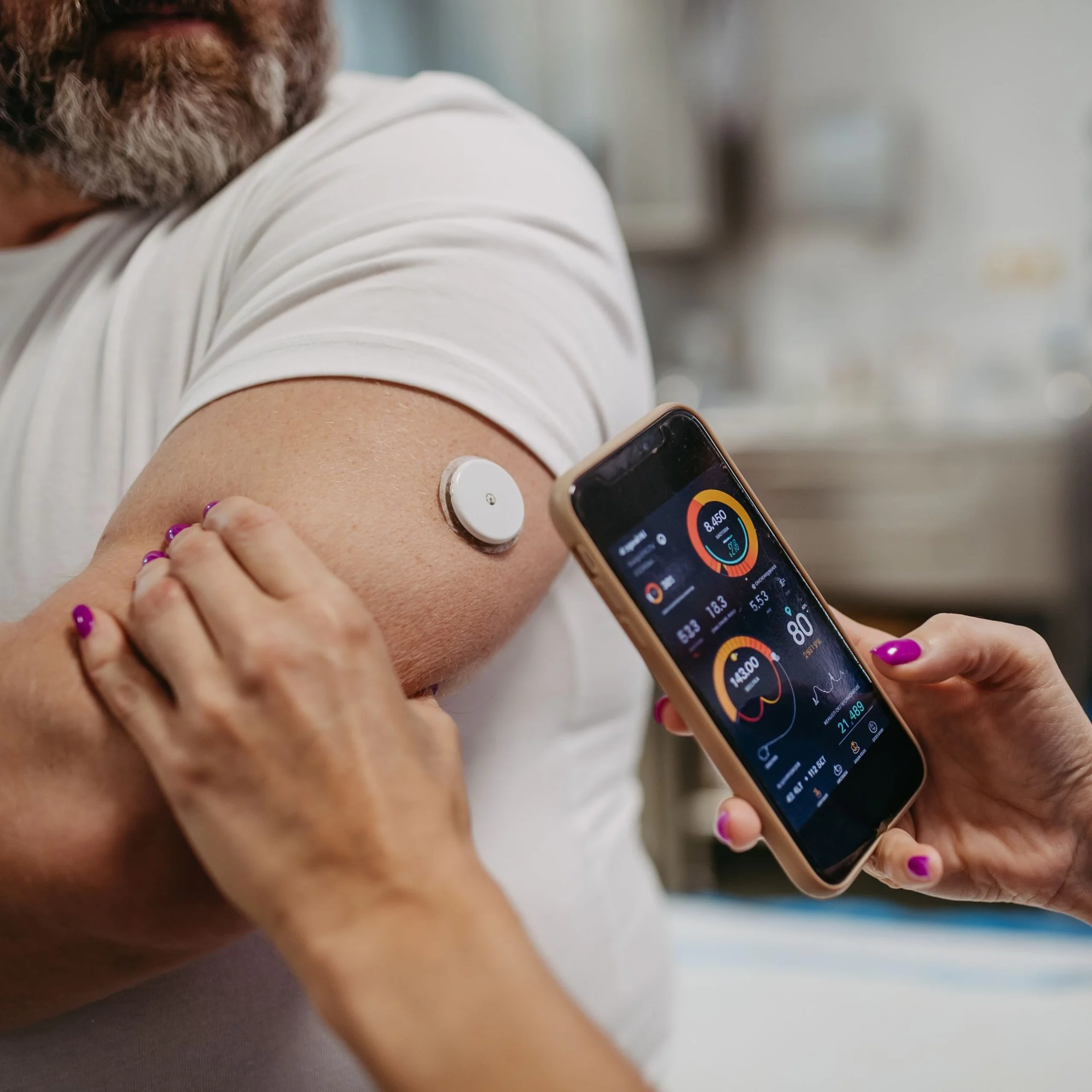
What Are Diabetes, Infusion & Medication-Delivery Devices?
Diabetes, infusion, and medication-delivery devices include products designed to monitor glucose levels, deliver insulin, administer fluids, or provide medications in controlled amounts. They may be used by patients at home or by health care providers in medical settings.
These devices may include:
- Insulin pumps
- Patch pumps and automated insulin-delivery systems
- Continuous glucose monitors, also called CGMs
- CGM transmitters, sensors, receivers, and mobile apps
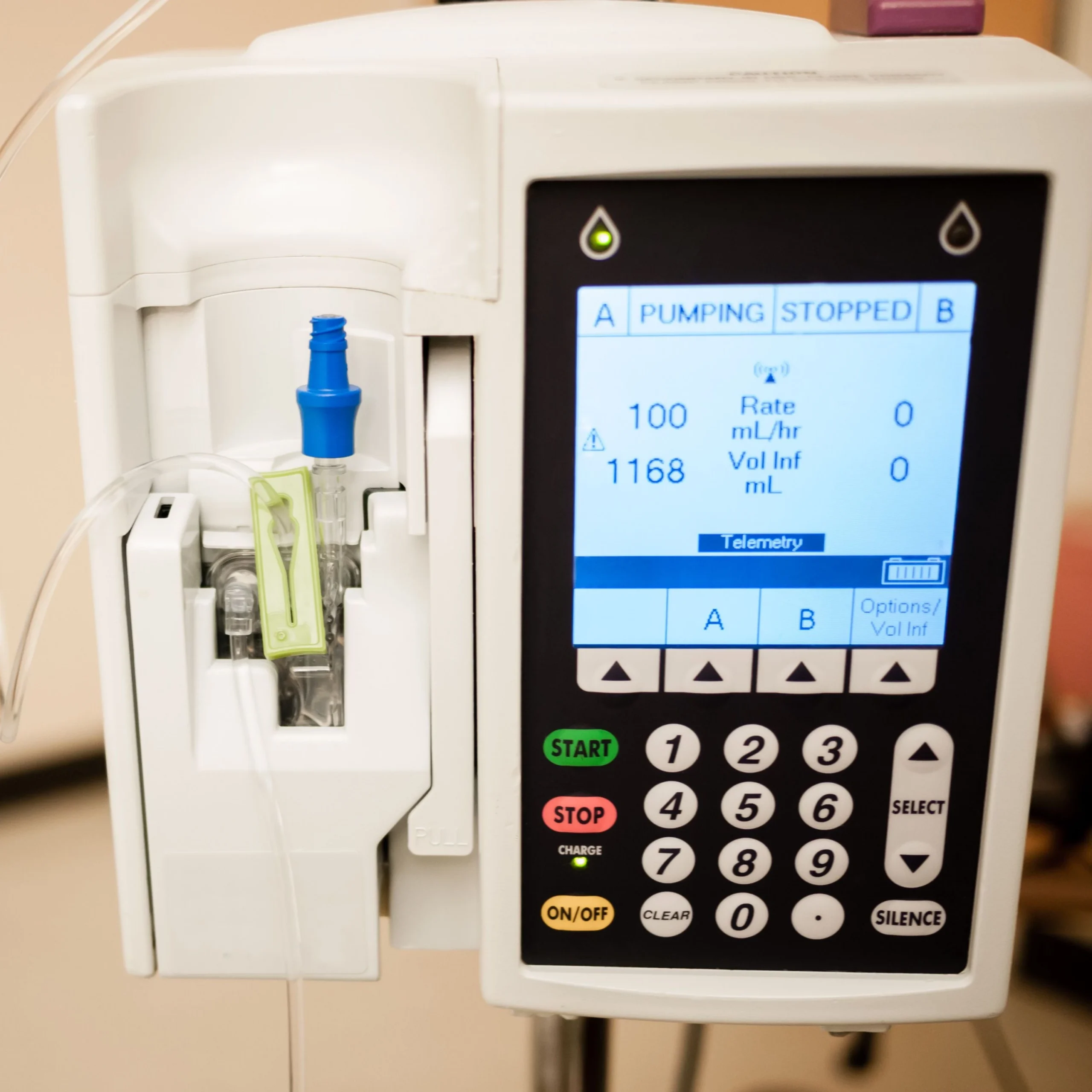
- Infusion pumps used in hospitals or home health care
- Ambulatory pumps
- Syringe pumps
- Enteral feeding pumps
- Pain medication pumps
- Chemotherapy infusion systems
- Infusion sets, tubing, cartridges, reservoirs, and connectors
- Smart pump software and dose-error reduction systems
A defect in one part of the system can affect the entire medication-delivery process. A failed sensor, occluded infusion set, software error, battery problem, alarm failure, or inaccurate display can lead to unsafe treatment decisions before the patient or medical team realizes something is wrong.
How These Devices Can Cause Serious Harm
Medication-delivery devices can fail in several ways. Some failures involve the device itself. Others involve software, alarms, disposable components, inaccurate readings, unclear instructions, or failures to warn users about known risks.
Potential device problems may include:
- Stopped insulin delivery
- Interrupted medication delivery
- Overinfusion or underinfusion
- Incorrect glucose readings
- Delayed or missing alarms
- Battery failure or unexpected power loss
- Software errors or communication failures
- Occlusions, leaks, cracks, or tubing problems
- Air-in-line defects
- Faulty infusion sets or connectors
- Inaccurate dose calculations
- Failure to display critical safety information
- Inadequate warnings or confusing instructions
- Defective app updates or device connectivity failures
These failures can be especially dangerous because many patients depend on the device continuously. A patient using an insulin pump may experience a rapid change in blood sugar if insulin delivery stops. A hospital patient receiving medication through an infusion pump may receive too much or too little of a critical drug. A patient relying on a glucose monitor may make unsafe treatment decisions if the device provides inaccurate readings.

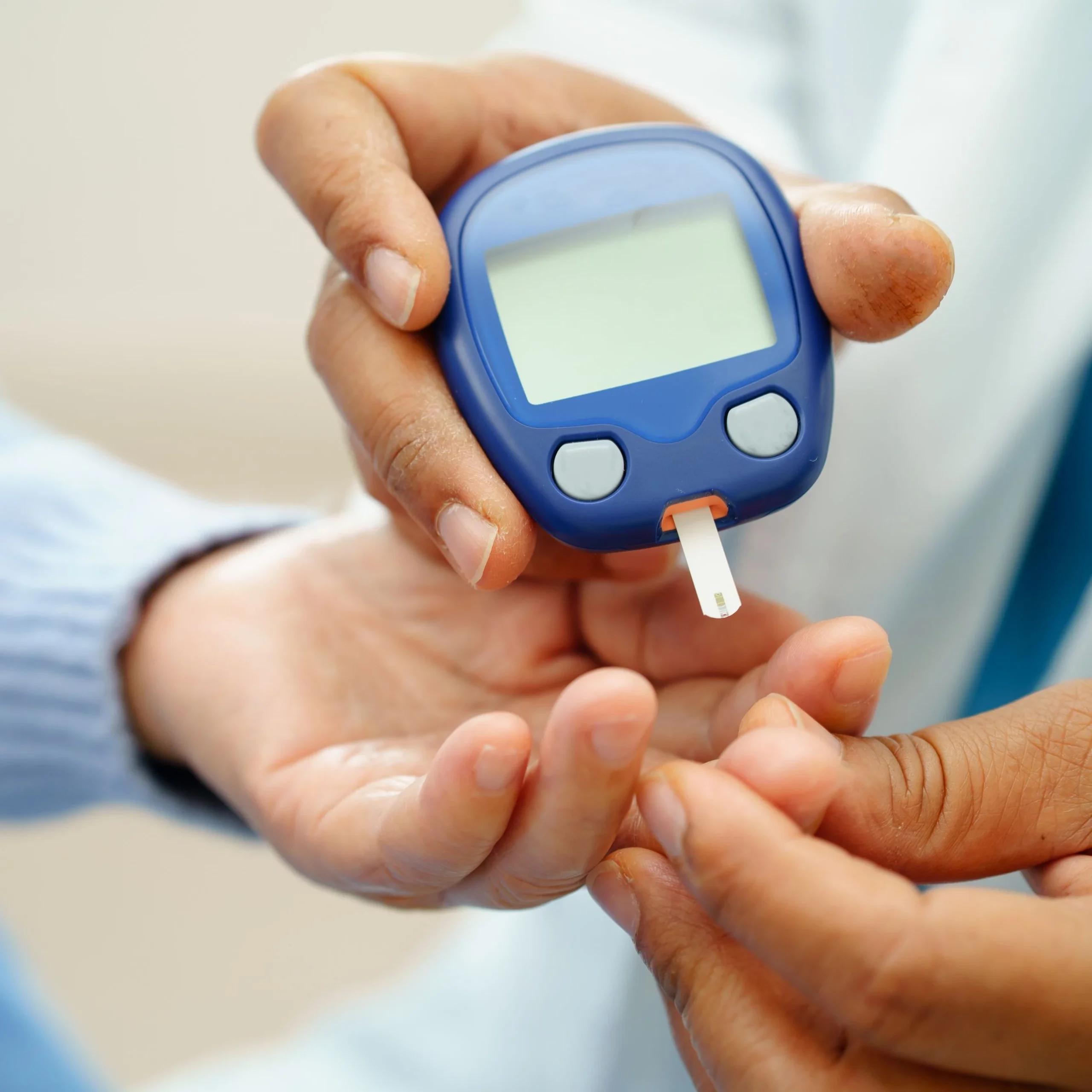
Diabetes Device Failures and Blood Sugar Injuries
Diabetes devices can create urgent medical risks when they fail. Insulin pumps, CGMs, automated insulin-delivery systems, and related apps are often used to manage blood glucose throughout the day and night. When these systems malfunction, a patient may not receive insulin as intended, may receive incorrect glucose information, or may miss a warning that should have prompted action.
Serious diabetes-device injuries may involve:
- Hyperglycemia
- Hypoglycemia
- Diabetic ketoacidosis
- Loss of consciousness
- Seizures
- Falls or trauma caused by sudden blood sugar changes
- Emergency medical treatment
- Hospitalization
- Intensive care admission
- Brain injury from prolonged low blood sugar
- Death
These cases require careful investigation because the harm may develop quickly, and the key evidence may be stored in device downloads, app data, pump logs, CGM records, alarm histories, and medical records.
Infusion Pump and Medication-Delivery Injuries
Infusion pumps and related medication-delivery systems are used to deliver fluids, nutrition, pain medication, chemotherapy, insulin, antibiotics, and other drugs. A delivery error can cause serious injury because many infused medications have narrow safety margins. Even a small error in rate, dose, concentration, timing, or duration can matter.
Infusion and medication-delivery failures may cause:
- Medication overdose
- Medication underdose
- Respiratory depression
- Dangerous blood pressure changes
- Cardiac complications
- Infection or sepsis
- Organ injury
- Worsening of the underlying condition
- Delayed treatment
- Repeat hospitalization
- Permanent injury
- Wrongful death
In hospitals and care facilities, these cases may involve both product-liability and medical-negligence questions. The device may have failed, the warnings may have been inadequate, or staff may have missed alarms, programmed the device incorrectly, failed to monitor the patient, or continued using a device with known problems.

When a Defective Medical Device Claim May Be Investigated
A legal claim may be investigated when a diabetes, infusion, or medication-delivery device failed and the failure may have caused serious harm. Not every bad medical outcome means a device was defective, but certain facts can raise concern.
A claim may warrant investigation when:
- A device stopped delivering medication without adequate warning
- A pump alarm failed, was delayed, or was unclear
- A CGM or app provided inaccurate information that affected treatment
- A device was later recalled or corrected
- A disposable component leaked, cracked, detached, kinked, or occluded
- A software or firmware issue affected device performance
- The patient suffered diabetic ketoacidosis after suspected insulin-delivery interruption
- The patient experienced severe hypoglycemia after relying on device readings
- A hospital pump delivered too much or too little medication
- A family was not told that the device had known safety issues
- The device, tubing, cartridge, pod, sensor, or app data may still be available
The strongest cases usually connect a documented device problem to a clear medical injury. That connection often depends on technical evidence, medical records, product history, and expert review.
Who May Be Affected?
Diabetes, infusion, and medication-delivery device failures can affect patients of all ages. Some patients face higher risks because they rely on these products continuously or because their medical condition leaves little margin for error.
Affected patients may include:
- People with Type 1 diabetes
- People with insulin-dependent Type 2 diabetes
- Children using insulin pumps or CGMs
- Older adults using diabetes technology
- Hospital patients receiving IV medications
- Patients receiving home infusion therapy
- Cancer patients receiving chemotherapy
- Patients receiving pain medication through a pump
- Long-term care residents
- Critically ill patients
- Patients who rely on caregivers to manage device settings
Families may also be affected when a device failure causes a fatal injury. In those cases, the investigation may focus on what the product manufacturer, distributor, health care provider, or care facility knew about the risk and whether safer action should have been taken.


Why These Cases Can Be Complex
Diabetes, infusion, and medication-delivery device cases can be technically complex. The product may involve hardware, software, sensors, tubing, mobile apps, cloud systems, alarms, and user instructions. A serious injury may also involve medical decisions, patient training, caregiver conduct, pharmacy practices, and hospital procedures.
Potentially responsible parties may include:
- Device manufacturers
- Component manufacturers
- Software developers
- Distributors
- Hospitals or health systems
- Home infusion providers
- Nursing facilities
- Pharmacies
- Product maintenance or service companies
- Other entities involved in training, monitoring, or device support
A careful investigation looks at the full chain of events. The issue is not only whether the device failed, but whether the risk was known, whether warnings were adequate, whether the device was designed safely, whether the product was properly tested, and whether users received the information needed to prevent harm.
Product Liability Issues in Diabetes and Infusion Device Cases
A defective medical device claim may involve several product-liability theories, depending on the facts and jurisdiction.
Potential issues may include:
- Design Defects: A device may have a design problem if its intended design creates an unreasonable risk of harm. In medication-delivery cases, design concerns may involve alarm systems, battery performance, software logic, dose controls, connectors, sensors, infusion pathways, or safeguards against foreseeable misuse.
- Manufacturing Defects: A manufacturing defect may occur when a specific product, lot, batch, or component does not match the intended design. These cases may involve defective sensors, cracked components, faulty batteries, contaminated parts, blocked tubing, bad adhesives, or other production-related failures.
- Failure to Warn: A failure-to-warn claim may be investigated when instructions, labeling, alerts, training materials, or recall communications did not adequately explain a known risk. Patients and providers need clear warnings when a device can stop delivering medication, display inaccurate information, fail to alarm, or create foreseeable treatment errors.
- Software and Connectivity Failures: Many modern diabetes and medication-delivery devices depend on software, apps, Bluetooth connections, cloud systems, or automated algorithms. A software defect can be just as dangerous as a broken physical component if it affects alarms, dose calculations, glucose displays, device communication, or medication delivery.
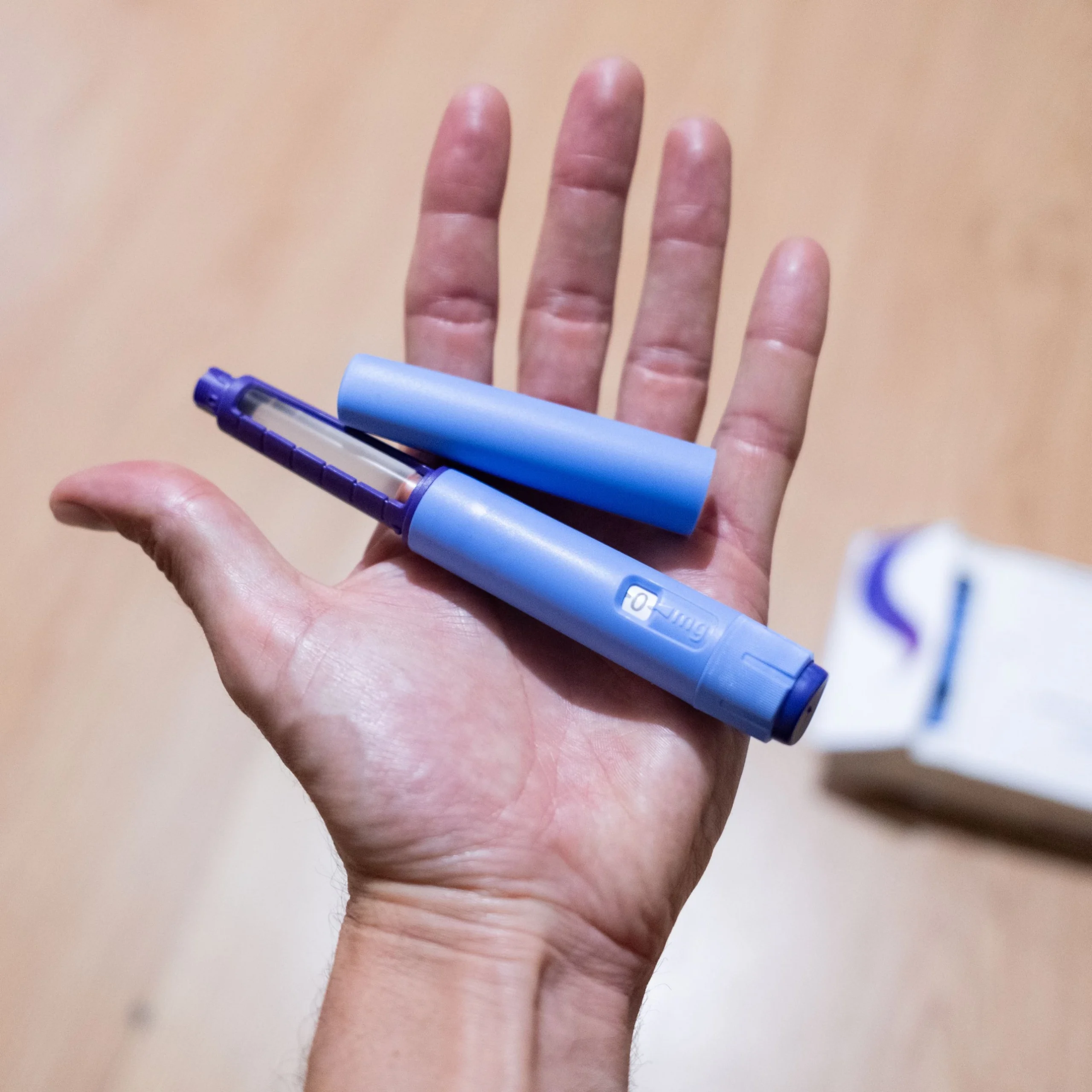

What Patients and Families Should Do After a Suspected Device Failure
After a serious injury, patients and families should focus first on medical care. Once the immediate danger has passed, a few practical steps can help preserve important information.
Consider taking these steps:
- Keep the device and all related parts
- Save sensors, pods, infusion sets, tubing, cartridges, reservoirs, and packaging
- Take photos of the device, labels, serial numbers, lot numbers, alarms, and error messages
- Save app screenshots, glucose records, and pump data if available
- Request medical records from emergency care, hospitalization, and follow-up visits
- Write down the timeline while events are still fresh
- Keep recall letters, emails, manufacturer messages, and customer support communications
- Do not send the device back to the manufacturer before speaking with an attorney
- Avoid posting detailed allegations online before the facts are reviewed
These steps do not prove a legal claim on their own. They help protect evidence that may be needed to determine whether a defective device, unsafe design, inadequate warning, or preventable delivery failure caused the injury.
Talk to McEldrew Purtell About a Serious Device Injury
A diabetes, infusion, or medication-delivery device failure can leave patients and families with urgent medical, financial, and legal questions. McEldrew Purtell investigates serious injury and wrongful death claims involving defective medical devices, unsafe product designs, inadequate warnings, recalls, and preventable medication-delivery failures.
If you or someone you love was seriously harmed after using an insulin pump, CGM, infusion pump, medication pump, infusion set, or related device, contact McEldrew Purtell for a free consultation. We can review what happened, identify the evidence that may matter, and help determine whether a product defect or safety failure may have played a role.

FAQs
Get answers to commonly asked questions regarding medical malpractice and learn how we can help with your case.
Can I bring a claim if my insulin pump stopped working?
You may have a claim if an insulin pump stopped delivering insulin and the failure caused serious harm, such as diabetic ketoacidosis, hospitalization, permanent injury, or death. The investigation would focus on the device logs, alarm history, recall information, medical records, and whether the product failed in a way that should have been prevented or clearly warned about.
Can inaccurate CGM readings support a legal claim?
Inaccurate CGM readings may support a claim if they caused unsafe treatment decisions and serious injury. These cases often require review of CGM data, blood glucose testing, app records, device warnings, sensor lot information, and the patient’s medical course.
What if the device was recalled after the injury?
A recall can be important evidence, but it does not automatically prove a claim. The key questions are whether the recalled issue affected the device used by the patient, whether that issue caused the injury, and whether the manufacturer or another responsible party failed to act reasonably before the harm occurred.
What if the injury happened in a hospital?
Hospital cases may involve both device-defect and medical-negligence issues. An investigation may examine whether the pump malfunctioned, whether staff programmed or monitored the device correctly, whether alarms were missed, and whether the hospital continued using a product with known safety problems.
Should I keep the device?
Yes. If a diabetes, infusion, or medication-delivery device may have contributed to serious harm, preserve the device and related components. Do not discard it, reset it, repair it, or return it to the manufacturer before getting legal guidance.
Learn More

Electric Vehicle Defects: Battery Fires, Severe Burns, and Explosions
Drivers and passengers can suffer severe burns, smoke inhalation, catastrophic injuries, or death when an electric vehicle battery ignites. These fires can happen while a vehicle is charging, parked, operating normally, or damaged in a crash. They can spread rapidly,…

Toxic Exposure Claims: Identifying the Right Liability Theory
Toxic exposures can cause life-altering injuries. The source may be a defective product, an unsafe workplace, a leaking facility, a mislabeled container, or a chemical release that reaches homes, schools, or nearby businesses. The legal claim depends on where the…

Cerebrospinal Fluid Leaks Can Cause Serious Neurologic Injuries and Life-Threatening Infections
When a dural injury results in Cerebrospinal Fluid leak after an epidural injection, lumbar puncture, spinal cord stimulator insertion, spine procedure, or another intervention near the dura, the consequences can be debilitating and life-threatening. Patients may suffer severe migraines, brain…

Stoneworkers Face Life-Threatening Silicosis From Quartz Countertop Dust
Stone fabrication workers are losing lung function, undergoing lung transplants, and dying after years of cutting and polishing engineered stone countertops. NPR’s latest reporting adds to growing public health evidence that silicosis tied to quartz countertop dust is appearing across…

Tire Tread Separation and Blowouts: When a Crash Raises Product Liability Concerns
Tire Tread Separation and Blowouts: When a Crash Raises Product Liability Concerns On average, tire-related crashes are linked to nearly 11,000 wrecks and more than 600 deaths each year in the United States, according to NHTSA. In 2024 alone, more…

Defective Breast Mesh: Chronic Pain and Disfigurement After Internal Bra Procedures
Women across the country are dealing with surgical removal, chronic pain, and disfigurement after surgeons implanted resorbable mesh products marketed as an “internal bra” during breast lift, reduction, and reconstruction procedures. A growing number of these women are now suing…