

Accountability beyond the driver.
Delivery vans, buses, and other commercial carriers cause devastating harm when operators are reckless or overworked. These crashes can cause traumatic brain injuries, spinal cord injuries, fractures, internal injuries, permanent disability, and death. Federal crash data, safety rules, and enforcement records keep the risks of commercial motor vehicle collisions in focus. If you or your family member was hurt in a commercial vehicle collision, the key question is whether a reckless driver, unsafe company policy, or preventable safety failure played a role.


How Much Is Your Case Worth?
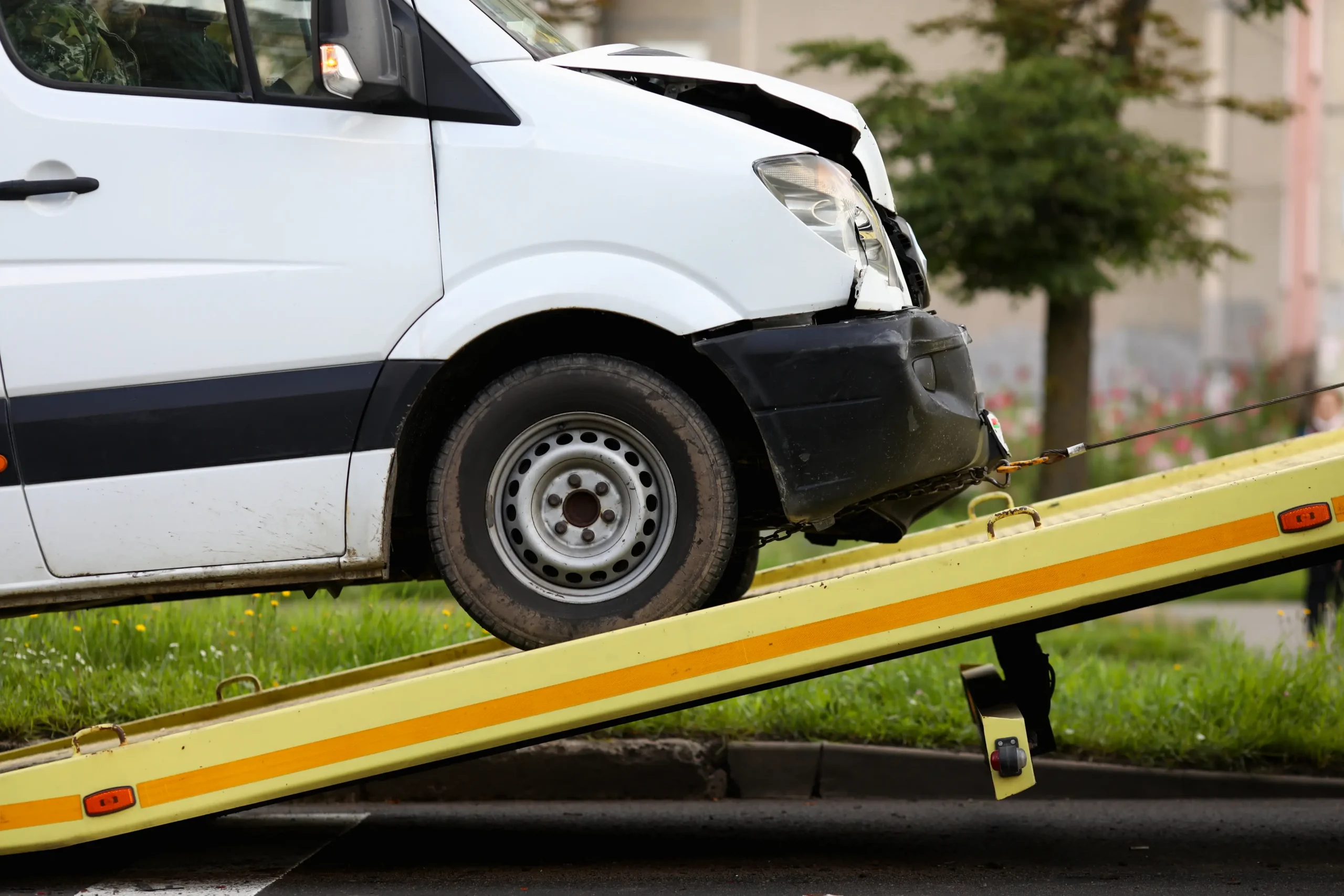
Commercial Vehicle Collisions Are Not Ordinary Car Accidents
A commercial vehicle collision can involve more parties than just one careless driver. Delivery companies, bus operators, trucking companies, contractors, logistics providers, and other businesses may control who drives, how vehicles are maintained, how routes are scheduled, and how safety rules are enforced.
That matters because commercial drivers are often working under company pressure. They may be rushing to complete deliveries, driving long shifts, operating in congested areas, or handling vehicles that require more time and space to stop safely. When a business puts speed, volume, or cost-cutting ahead of safety, injured people may have claims against both the driver and the employer.
The Federal Motor Car Safety Administration (FMCSA) publishes an annual report covering fatal, injury, and property-damage-only crashes involving large trucks and buses. This data comes from sources including National Highway Traffic Safety Administration (NHTSA) fatal crash data, as well as FMCSA motor carrier records. The FMCSA states that hours-of-service rules limit driving and on-duty time and require rest periods to help drivers stay awake and alert.
Vehicles That May Be Involved
Commercial vehicle claims can involve many types of vehicles, including:
- Delivery vans and package trucks
- Box trucks and moving trucks
- Buses, shuttle buses, and charter buses
- Construction and utility vehicles
- Dump trucks and work trucks
- Tractor-trailers and large freight trucks
- Rideshare or hired transportation vehicles
- Company cars used for business purposes
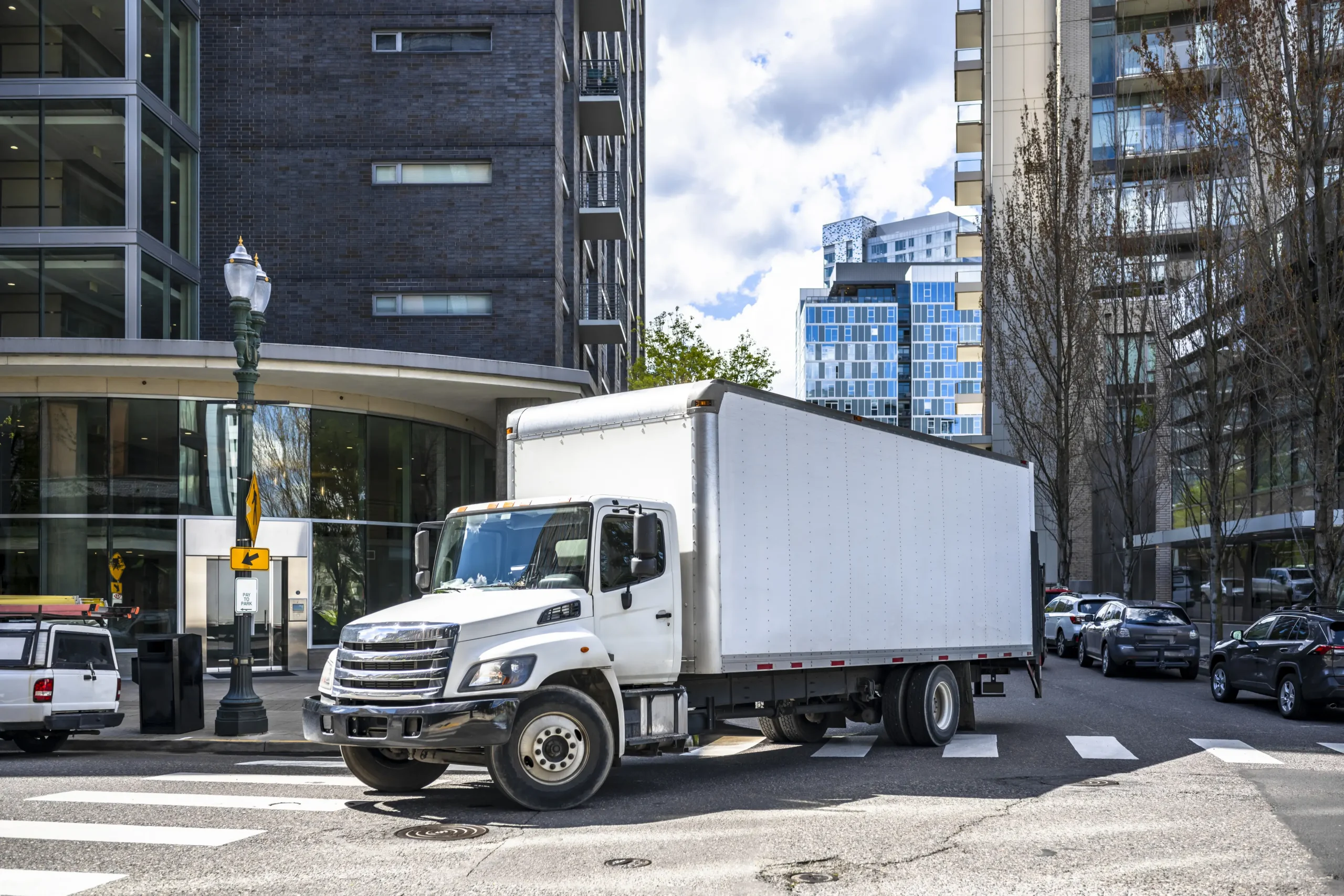
The vehicle type can affect the investigation. A bus crash may involve passenger safety policies, driver screening, and route decisions. A delivery van crash may involve tight schedules, distracted driving, or unsafe loading. A large truck crash may require review of federal motor carrier rules, maintenance records, driver logs, and company safety history.
How Commercial Vehicle Collisions Happen
Commercial vehicle crashes often happen because several safety failures overlap. A driver may make a dangerous decision, but the company may have created the conditions that made the crash more likely. Common issues include:
Driver Fatigue
Commercial drivers may work long shifts or irregular schedules. Fatigue can slow reaction time, reduce awareness, and increase the risk of serious mistakes. Hours-of-service rules exist because alertness matters when a person operates a heavy or high-mileage vehicle for work.
Distracted Driving
Delivery apps, dispatch systems, GPS devices, phones, scanners, and company communication tools can pull a driver’s attention away from the road. A few seconds of distraction can be enough to cause a rear-end crash, pedestrian impact, sideswipe, or intersection collision.
Speeding and Unsafe Delivery Pressure
Commercial drivers may face pressure to complete routes quickly. Speeding, rolling through stop signs, making unsafe turns, and following too closely can cause a routine drive to end in a serious collision.
Poor Training or Supervision
Companies must put qualified drivers behind the wheel. When a business fails to train drivers, ignores safety complaints, or keeps unsafe drivers on the road, the company’s conduct may become a central issue in the case.
Vehicle Maintenance Failures
Commercial vehicles need regular inspections and repairs. Brake problems, worn tires, lighting failures, steering defects, and ignored warning signs can make a crash more severe or preventable.
Unsafe Loading or Cargo Practices
Improperly loaded cargo can shift, fall, or affect how a vehicle handles. Overloaded vehicles may take longer to stop and can be harder to control.

Injuries Caused by Commercial Vehicle Crashes
Commercial vehicles can cause severe harm because of their size, weight, blind spots, stopping distance, and frequent operation in crowded areas. People in smaller vehicles, pedestrians, bicyclists, motorcyclists, and passengers may face life-changing injuries.
Injuries may include:
- Traumatic brain injuries
- Spinal cord injuries and paralysis
- Neck and back injuries
- Broken bones and crush injuries
- Internal bleeding or organ damage
- Burns
- Amputations
- Fatal injuries
The full impact of these injuries may not be clear right away. Medical needs, lost income, reduced mobility, future care, and long-term pain can change a person’s life and place serious strain on a family.
Who May Be Liable After a Commercial Vehicle Collision?
Commercial vehicle cases often require a careful investigation into every person or company connected to the crash. Depending on the facts, potential defendants may include:
- The commercial driver
- The driver’s employer
- A delivery company or logistics company
- A bus company or transportation provider
- A contractor or subcontractor
- A vehicle maintenance company
- A leasing company
- A cargo-loading company
- A manufacturer, if a defective vehicle part contributed to the crash
Employer liability can be especially important. A company may be responsible for a driver’s negligence while the driver was working. A company may also be directly responsible for negligent hiring, poor training, unsafe scheduling, inadequate supervision, or failure to maintain the vehicle.
Evidence That May Matter
Important evidence can disappear quickly after a commercial vehicle crash. Companies may control records that injured people cannot access without legal action. Early investigation can help preserve proof before it is lost, overwritten, repaired, or discarded.
Evidence may include:
- Police reports and crash reconstruction materials
- Driver qualification files
- Employment and training records
- Delivery schedules and route data
- Dispatch communications
- Hours-of-service records
- Electronic logging device data
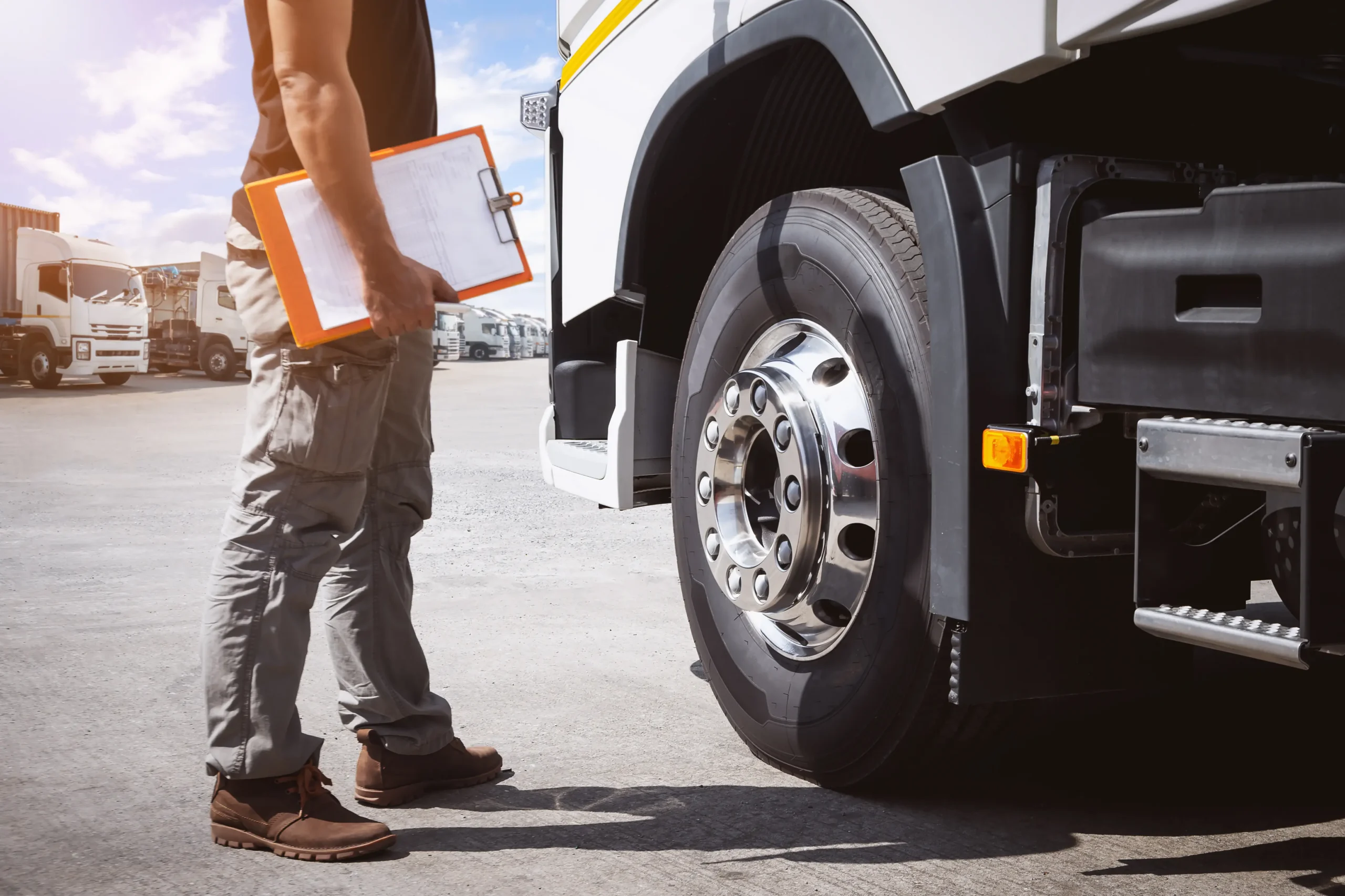
- Vehicle inspection and maintenance records
- Dash camera or surveillance footage
- GPS and telematics data
- Cell phone records
- Company safety policies
- Prior crash or violation history
- Witness statements
- Medical records and expert evaluations
The right evidence can show not only what happened, but why it happened.

Why These Cases Can Be Complex
Commercial vehicle collision cases can be more complex than standard car crash claims because businesses, insurers, and third-party contractors may all become involved. The driver may not own the vehicle. The company logo on the vehicle may not identify every responsible party. Maintenance, dispatch, hiring, and route planning may be handled by different companies.
Insurance issues can also be complicated. Commercial policies may involve higher limits, layered coverage, and disputes over whether the driver was acting within the scope of employment. The insurer may begin investigating immediately, which makes it important for injured people to have their own evidence preserved.
When a Legal Claim May Be Investigated
A commercial vehicle collision claim may be investigated when there is evidence that negligence, unsafe business practices, or preventable safety failures contributed to the crash.
Questions may include:
- Was the driver working at the time? If the driver was making deliveries, transporting passengers, driving between job sites, or performing another work-related task, the employer may be part of the claim.
- Did the company pressure the driver to rush? Unrealistic schedules, excessive routes, and performance demands can encourage unsafe driving.
- Was the driver properly trained and qualified? A company should not put an unsafe, untrained, or unqualified driver behind the wheel of a commercial vehicle.
- Were safety rules ignored? Driver fatigue, hours-of-service issues, maintenance failures, and inspection problems can point to preventable conduct.
- Did the company preserve key records? Driver logs, telematics, vehicle data, and dispatch communications can be critical to understanding the crash.


What Families Should Do After a Commercial Vehicle Crash
AfAfter a serious crash, medical care comes first. Follow your treatment plan, keep records of appointments, and report new symptoms to your medical providers. Injuries such as brain trauma, spinal damage, and internal injuries may require ongoing evaluation.
Families should also keep copies of documents related to the crash, including photographs, insurance letters, medical bills, repair estimates, employment records, and communications from insurers. Avoid giving recorded statements or signing broad releases before understanding your rights. A commercial carrier’s insurer may contact you quickly, but its goal is to protect the company’s financial interests, not yours.
Talk to McEldrew Purtell About a Commercial Vehicle Collision
A serious commercial vehicle crash raises urgent questions about driver conduct, company responsibility, insurance coverage, and long-term harm. McEldrew Purtell investigates collisions involving delivery vans, buses, trucks, and other commercial carriers to identify every responsible party and pursue accountability based on the facts. Contact McEldrew Purtell for a free consultation.

Learn More
Toxic Chemical Exposure After Train, Truck, and Warehouse Spills
A train derailment, tanker truck crash, or warehouse spill can release hazardous chemicals into the air or across a worksite within seconds. Workers, drivers, emergency responders, nearby residents, and others may be exposed by breathing in contaminated air, getting chemicals…

Faulty Kitchen Appliances Can Cause Fires, Burns, and Wrongful Death
Families can suffer serious burns, smoke inhalation, and catastrophic fire damage from a kitchen appliance that was supposed to be safe on the counter, under the cabinet, or inside the home. Air fryers, dishwashers, microwaves, toasters, ranges, and other appliances…

Infant Killed in Frankford Ambulance Crash as DUI Allegations Raise Serious Questions
A heartbreaking crash in Philadelphia’s Frankford section is drawing urgent attention to the standards that should govern emergency and medical transport vehicles. According to 6abc, a 2-month-old infant, identified as Marian Harris, died after a private ambulance crashed around 5:15…

McEldrew Purtell Retained by Family of Oneil D. Fletcher Following Fatal Upper Macungie Township Crash
McEldrew Purtell has been retained by the family of Oneil D. Fletcher, the 27-year-old Carbon County man who died following a head-on crash on February 19, 2026, in Upper Macungie Township, Pennsylvania. According to published reports and statements attributed to…
Is the Trucking Company Responsible for Your Injuries?
Trucking accidents can be devastating, leading to catastrophic injuries, fatality and life-altering consequences for those involved. If you’ve been injured in a trucking accident, it’s crucial to understand when the trucking company may be held liable for your injuries. The best…

4 Steps To Take After an Uber Car Accident
Involvement in any motor vehicle wreck is unnerving, but if you’ve been in an Uber rideshare accident, you probably have additional questions about what you should do in the event of a rideshare accident. Uber car accident insurance coverage will…