

A Silent Form of Abuse with Deadly Outcomes
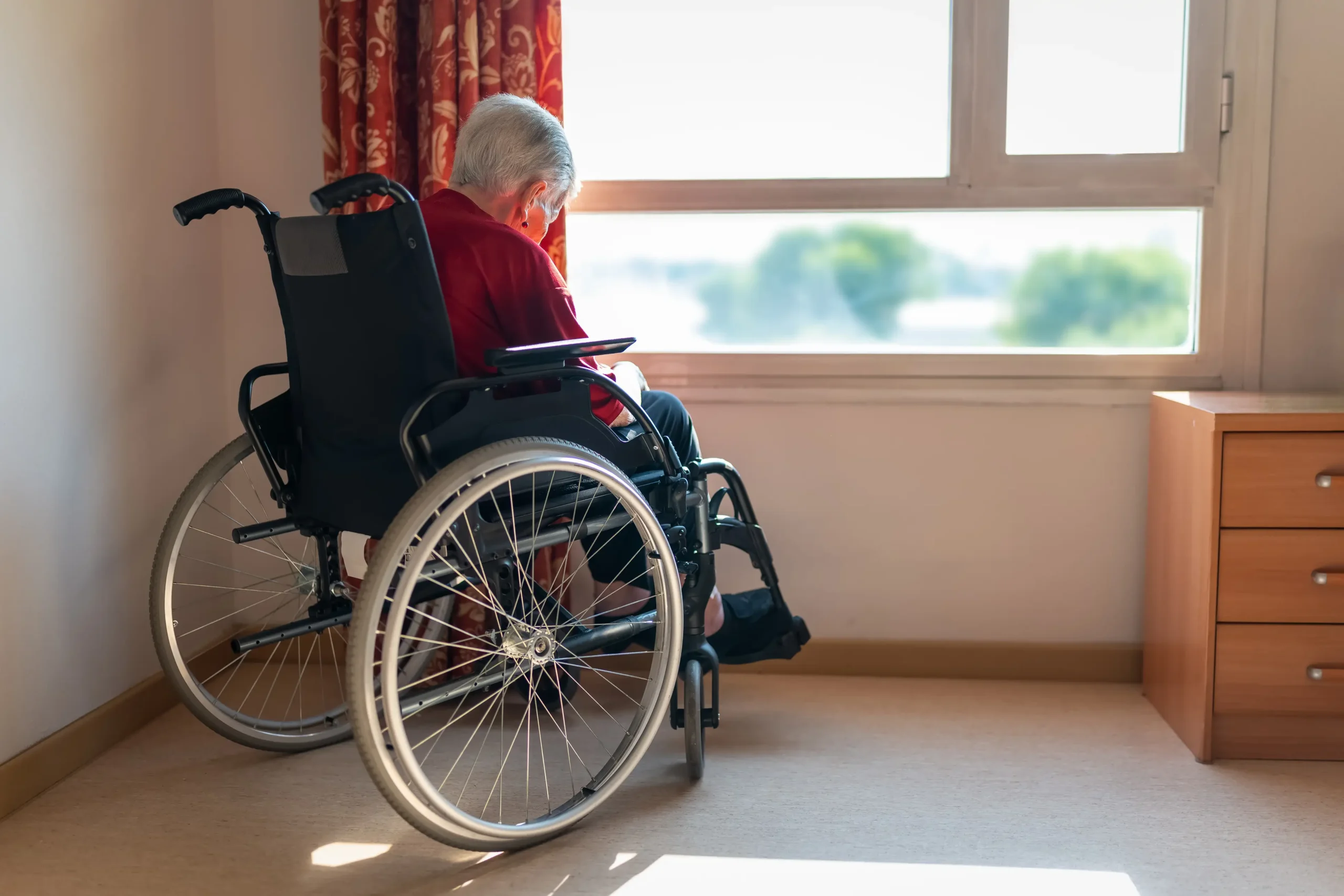
Dehydration and malnutrition in nursing homes are rarely sudden or accidental. They are often the result of systemic neglect, missed meals, ignored hydration needs, understaffing, and a failure to monitor residents who cannot advocate for themselves.
For elderly residents, especially those with dementia, mobility limitations, or swallowing disorders, inadequate food and water can trigger a rapid medical decline. What begins as weight loss or fatigue can escalate into organ failure, infections, falls, pressure injuries, or death.
These cases are not about discomfort or inconvenience. They are about preventable catastrophic injury and wrongful death caused by a failure to provide the most basic level of care.

How Much Is Your Case Worth?
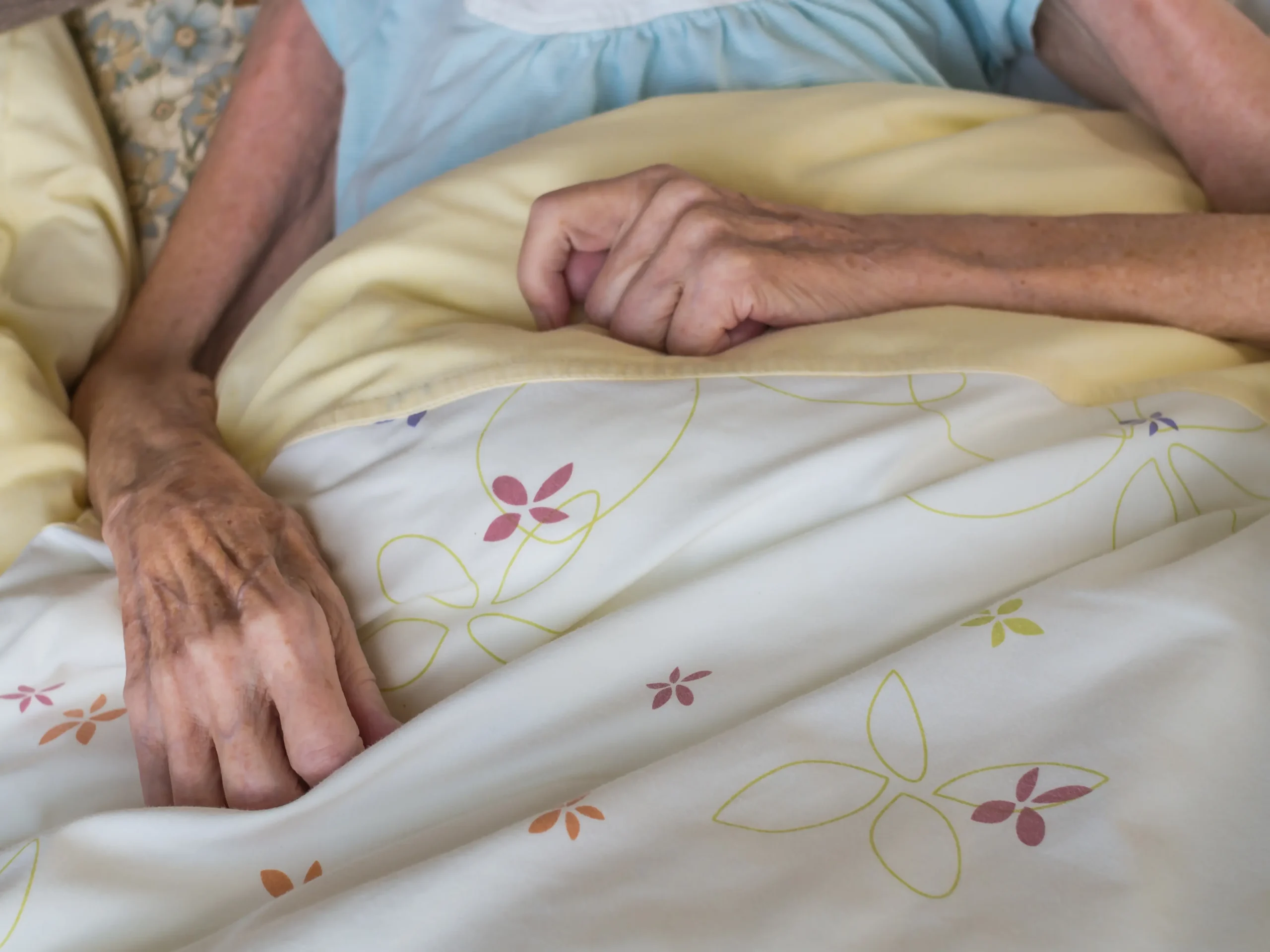
Why Dehydration and Malnutrition Are So Dangerous for Elderly Residents
Older adults are uniquely vulnerable to the effects of insufficient nutrition and hydration. Aging bodies process fluids and nutrients differently, and many residents rely entirely on staff for meals, supplements, and hydration reminders.
When nursing homes fail in this duty, residents may suffer:
- Kidney failure and electrolyte imbalance
- Sepsis and life-threatening infections
- Pressure ulcers that progress to deep tissue injury
- Muscle wasting, weakness, and catastrophic falls
- Cognitive decline and increased confusion
- Cardiac complications and organ shutdown
In severe cases, dehydration and malnutrition are contributing or direct causes of death, particularly when warning signs were ignored for weeks or months.
How Neglect Happens Behind Closed Doors
Dehydration and malnutrition are often linked to broader patterns of neglect inside long-term care facilities. Common contributing factors include:
- Chronic understaffing that leaves residents unfed or unattended
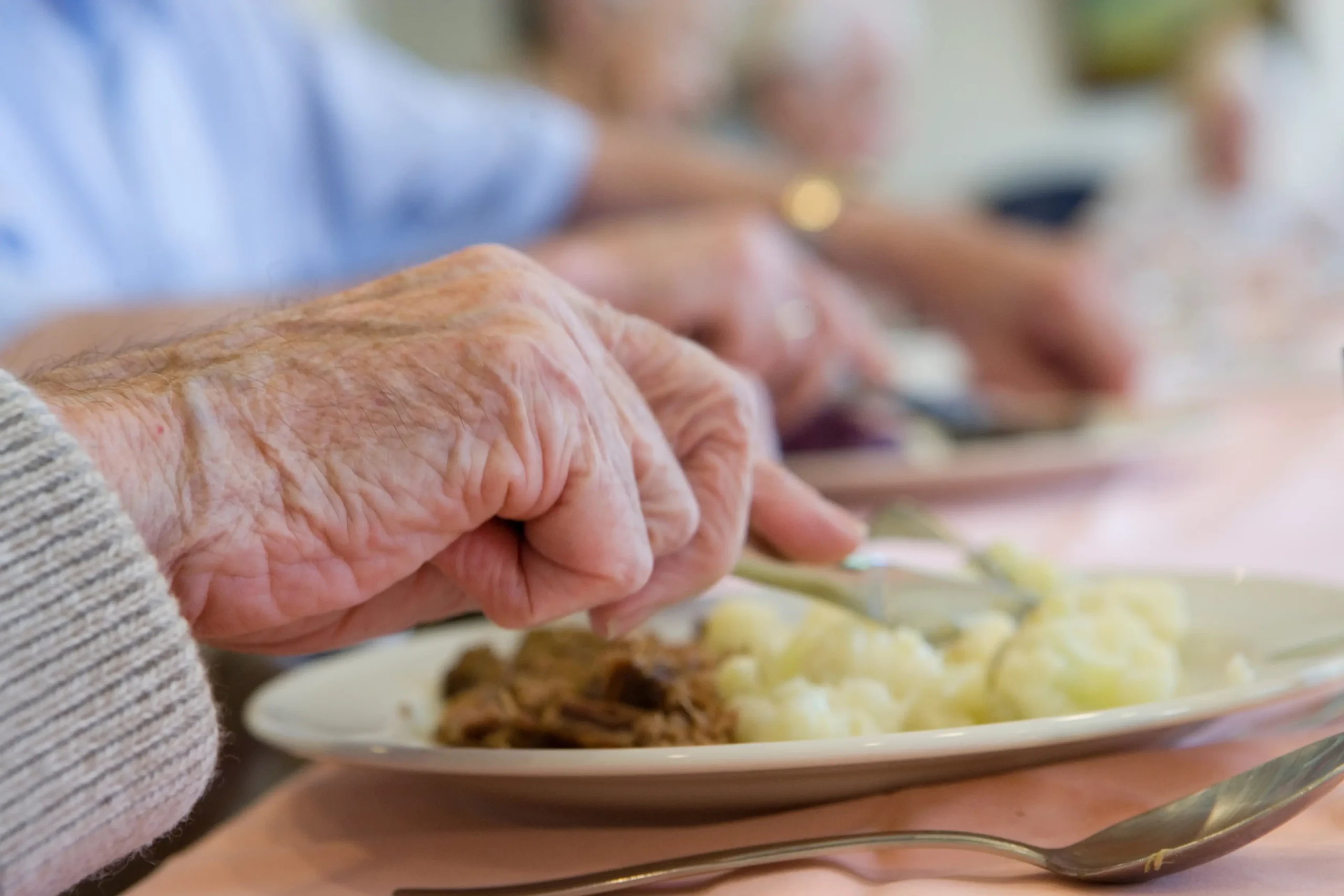
- Failure to assist residents who cannot eat or drink independently
- Ignoring special dietary, medical, or swallowing needs
- Missed meals, rushed feeding, or food left out of reach
- Poor monitoring of weight loss, fluid intake, or lab markers
- Lack of intervention despite obvious physical decline
These failures are not unavoidable. They are breaches of professional and legal responsibilities owed to vulnerable residents.
When Neglect Leads to Catastrophic Injury or Death
Families are often told that weight loss, dehydration, or decline is “normal aging.” In reality, many of these outcomes are entirely preventable with proper care, monitoring, and staffing.
Legal action may be appropriate when dehydration or malnutrition leads to:
- Hospitalization or permanent medical injury
- Rapid physical or cognitive deterioration
- Pressure injuries, infections, or organ damage
- Premature death or wrongful death
In wrongful death cases, investigations often reveal missed red flags, falsified records, or ignored complaints that could have saved a life.
Who May Be Held Accountable
Responsibility for dehydration and malnutrition injuries may extend beyond individual caregivers. Depending on the facts, liable parties may include:
- Nursing home owners and operators
- Corporate management companies
- Facility administrators and supervisors
- Medical providers responsible for care planning
- Third-party contractors involved in food or staffing services
These cases focus on whether the facility failed to meet required standards of care and whether cost-cutting decisions placed residents at risk.
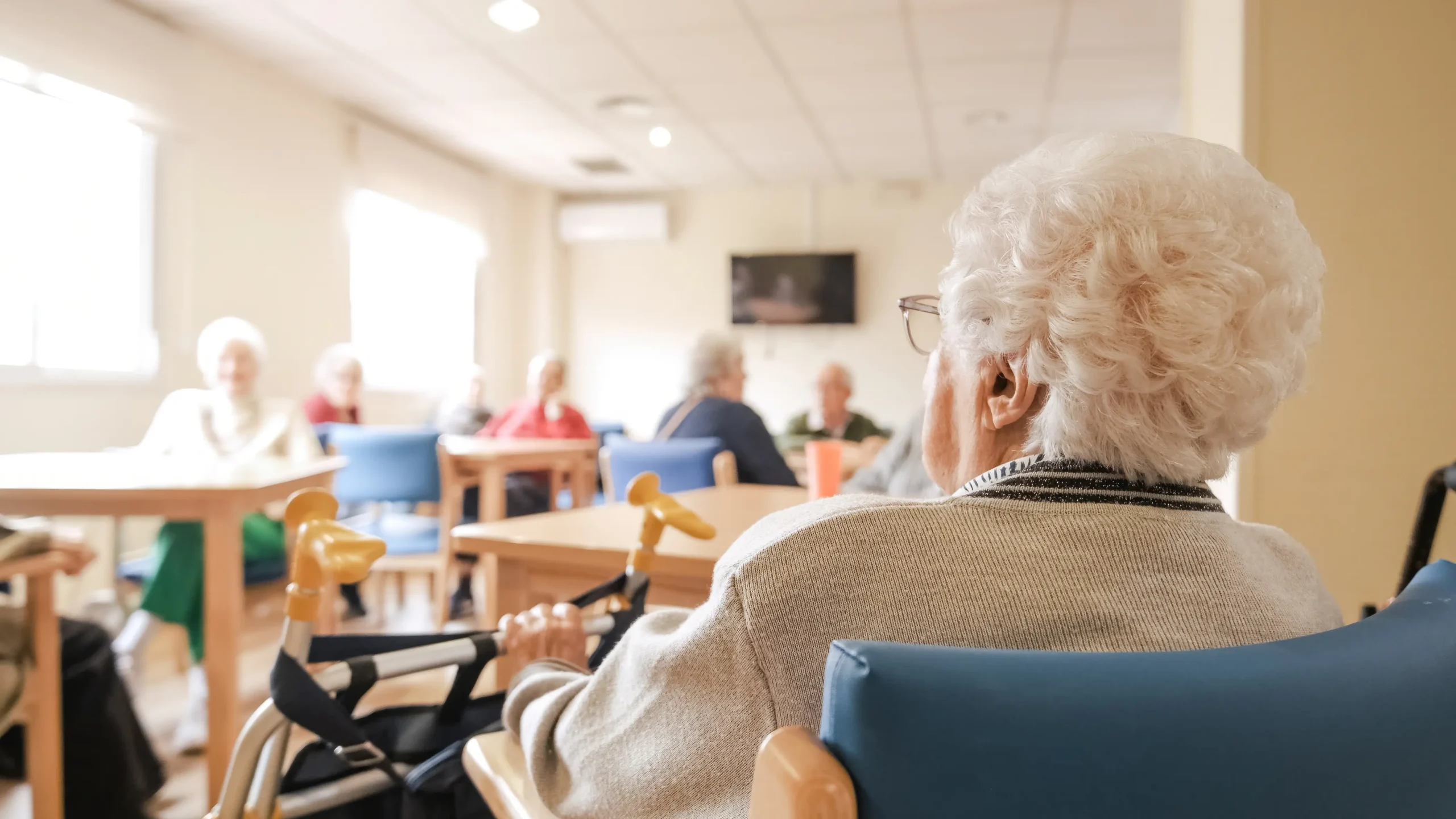

How McEldrew Purtell Handles These Cases
We approach nursing home dehydration and malnutrition cases with the seriousness they demand. Our work often involves:
- Reviewing medical records, weight charts, and care plans
- Analyzing staffing levels and internal policies
- Consulting medical and long-term care experts
- Investigating patterns of neglect or regulatory violations
- Pursuing full accountability for catastrophic injury or wrongful death
Our goal is not just compensation—it is exposing systemic neglect and preventing future harm to other residents.
When Basic Care Fails, Accountability Matters
No one should suffer or die because a nursing home failed to provide food, water, or supervision. When dehydration or malnutrition causes catastrophic harm, families deserve answers and justice.
If your loved one suffered serious injury or wrongful death linked to dehydration or malnutrition in a nursing home, McEldrew Purtell is prepared to investigate what went wrong and who should be held responsible.

Learn More

Nursing Home Fall Injuries: Hip Fractures, Brain Bleeds, and Wrongful Death
For an elderly or medically fragile nursing home resident, a single fall can cause catastrophic, life-altering harm. A fractured hip may require surgery, permanently destroy the resident’s mobility and independence, and trigger complications such as blood clots, pneumonia, pressure injuries,…
Sepsis Deaths in Nursing Homes: Bedsores, UTIs, and Pneumonia
Sepsis-related deaths in nursing homes occur when an infection is not recognized and treated as a medical emergency in time. An infected bedsore, urinary tract infection, or case of pneumonia can spread, damage vital organs, and become life-threatening when staff…
Inside a Nursing Home Crisis: Poor Conditions Leading to Catastrophic Injury or Death
Nursing home residents can suffer catastrophic injuries when facilities fail to provide safe temperatures, clean living areas, working equipment, adequate supervision, and timely personal care. Recent reports about Rochester Manor and Villa in Beaver County describe excessive heat, pests, possible…

Ian Norris Featured in Article on Genesis HealthCare Bankruptcy and Nursing Home Abuse Claims
McEldrew Purtell attorney Ian Norris was recently featured in an article published by Searchlight New Mexico and republished by The Santa Fe New Mexican regarding Genesis HealthCare’s bankruptcy and its potential impact on plaintiffs pursuing nursing home negligence and wrongful…
Nursing Home Neglect: 15 Warning Signs Families Can’t Ignore
When you move a parent or loved one into a nursing home, you’re trusting strangers with something irreplaceable: their safety, dignity, and quality of life. Too often, that trust is broken. Chronic understaffing, poor training, and corporate cost-cutting can leave…

Explosion Reported at Bucks County Nursing Home: What Families Need to Know and Do Now
On Tuesday, December 23, 2025, an explosion and fire were reported at Silver Lake Nursing Home / Silver Lake Healthcare Center on Tower Road in Bristol Township, Bucks County. Early reports indicated people may have been trapped, a large emergency…