

When Navigation Failures Lead to Maritime Disasters
Vessel collisions, allisions, and groundings can turn a routine voyage, transfer, work assignment, or passenger trip into a catastrophic event. These cases often involve complex questions about vessel operation, maritime rules, weather decisions, crew training, navigation equipment, fatigue, and emergency response.
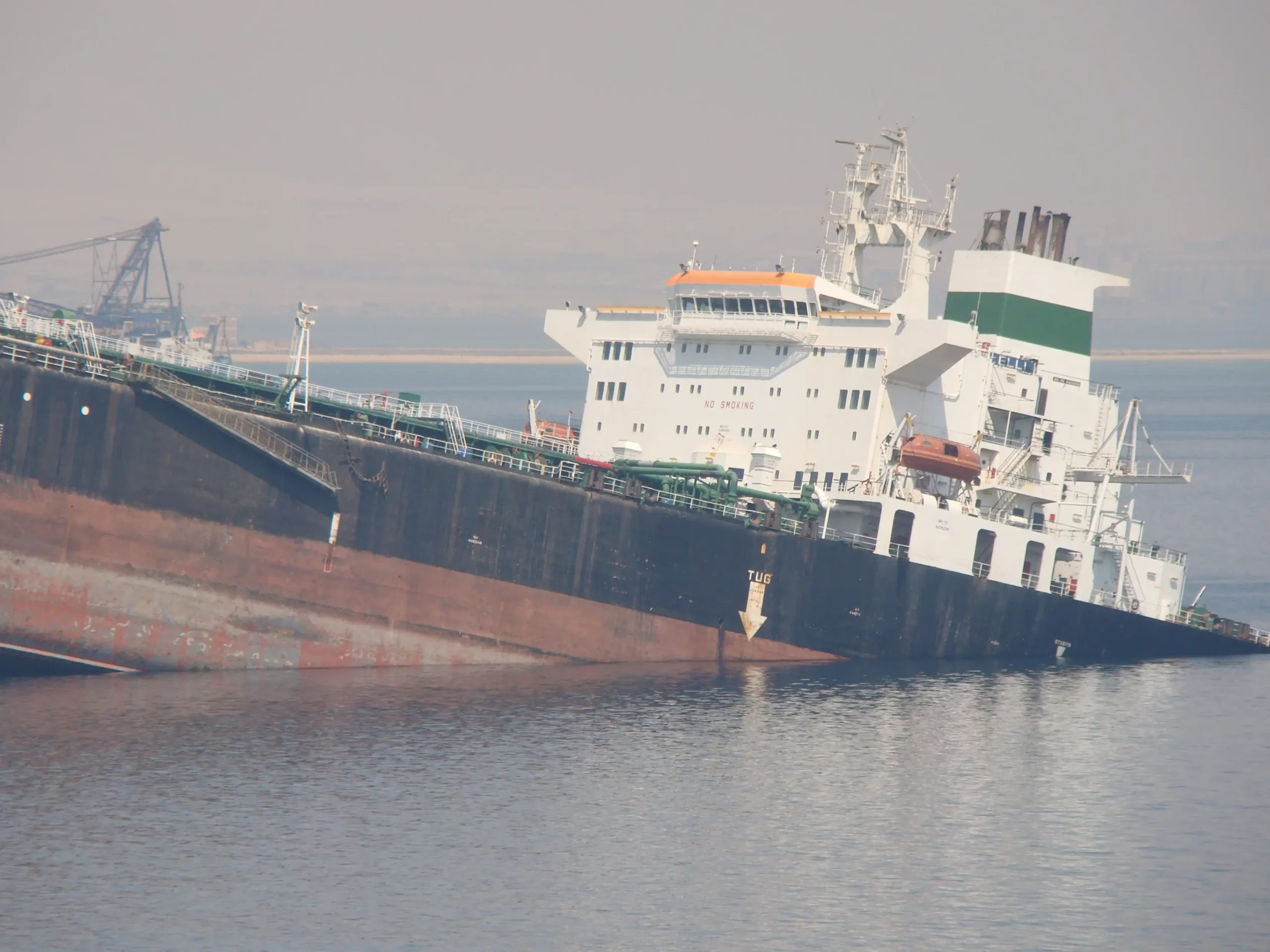
A collision occurs when one vessel strikes another vessel. An allision occurs when a moving vessel strikes a fixed object, such as a dock, pier, bridge, buoy, platform, seawall, or moored vessel. A grounding occurs when a vessel runs onto the seabed, rocks, shoals, sandbars, or other underwater hazards.
McEldrew Purtell investigates serious maritime incidents involving injured seamen, passengers, harbor workers, offshore workers, recreational boaters, and families who have lost loved ones on navigable waters.

How Much Is Your Case Worth?

When Vessel Impact Events Cause Serious Harm
A vessel impact event can create multiple dangers at once. The initial force may throw people across decks, trap workers between vessels or structures, and cause heavy equipment and cargo to shift. The aftermath may involve flooding, fire, fuel release, delayed rescue, or exposure to cold water.
Serious injury claims may involve:
- Traumatic brain injuries
- Spinal cord injuries
- Broken bones and orthopedic trauma
- Crush injuries
- Amputations
- Burns
- Drowning or near-drowning
- Hypothermia
- Toxic exposure from fuel, chemicals, or cargo
- Internal injuries
- Permanent disability
- Wrongful death
The legal investigation often focuses on whether the event was unavoidable or whether better decisions, safer equipment, proper staffing, or compliance with maritime safety rules could have prevented it.
Common Causes of Vessel Collisions
Collisions often happen when operators fail to maintain control, communicate clearly, or follow safe navigation practices. Even in crowded waterways, poor visibility, or bad weather, vessel operators must take reasonable steps to avoid preventable harm.
Common factors may include:
- Failure to keep a proper lookout
- Excessive speed for conditions
- Operator distraction
- Fatigue or understaffing
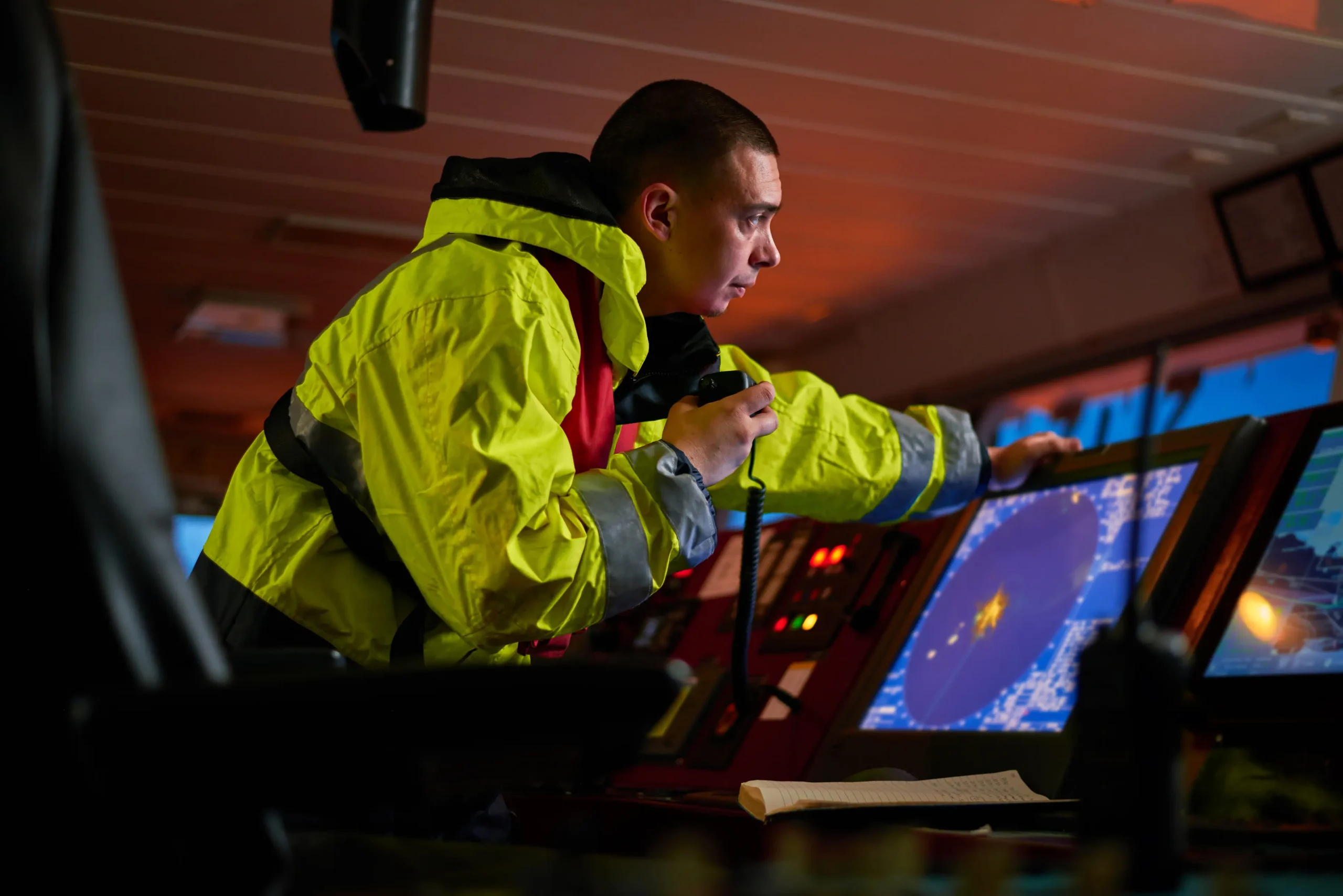
- Failure to use radar, AIS, charts, or other navigation tools properly
- Miscommunication between vessels
- Unsafe passing or crossing decisions
- Failure to follow right-of-way rules
- Poor bridge resource management
- Inadequate crew training
- Impaired operation
- Mechanical or steering failure
- Poor weather planning
- Unsafe company policies or pressure to maintain schedules
These cases often require close review of navigation data, vessel logs, radio communications, witness accounts, maintenance records, and crew decisions before impact. need to examine maintenance records, inspection logs, fuel systems, wiring, fire suppression equipment, crew training, and whether prior warnings were ignored.
Allisions With Docks, Bridges, Piers and Fixed Structures
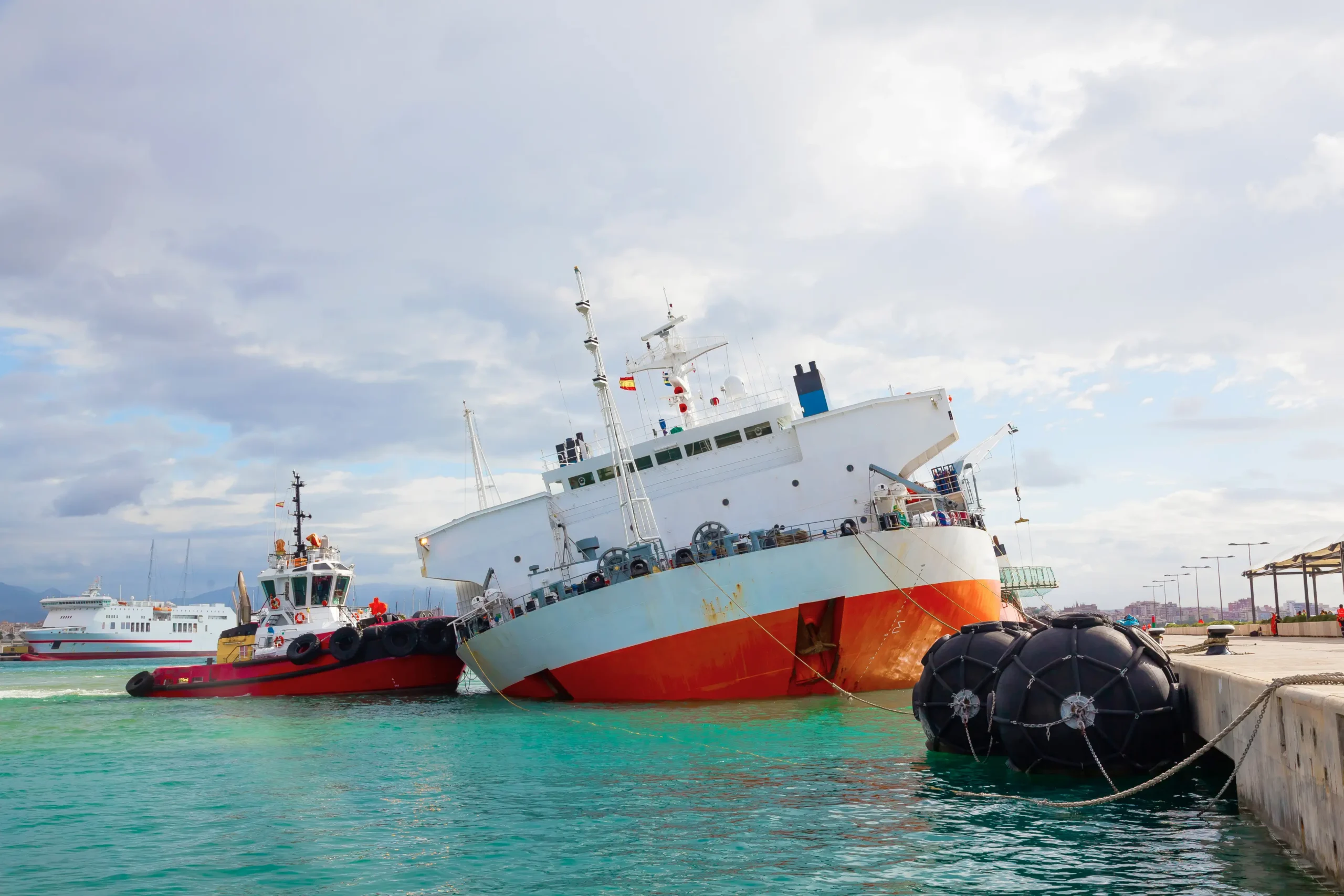
Allisions can cause severe injuries because the vessel may hit a fixed structure with significant force. Workers may be standing on deck, handling lines, preparing for docking, loading cargo, or working near pinch points when impact occurs.
Allision claims may involve:
- Vessels striking docks or piers
- Bridge strikes
- Impacts with moored vessels
- Contact with offshore platforms or terminals
- Ferry terminal impacts
- Barge and tug allisions
- Cruise, tour boat, or passenger vessel incidents
- Damage caused by wake, surge, or unsafe maneuvering
These incidents may raise questions about approach speed, current and wind conditions, thruster use, tug assistance, crew coordination, visibility, equipment condition, and whether the vessel operator had enough time and space to maneuver safely.
Grounding Incidents and Underwater Hazards
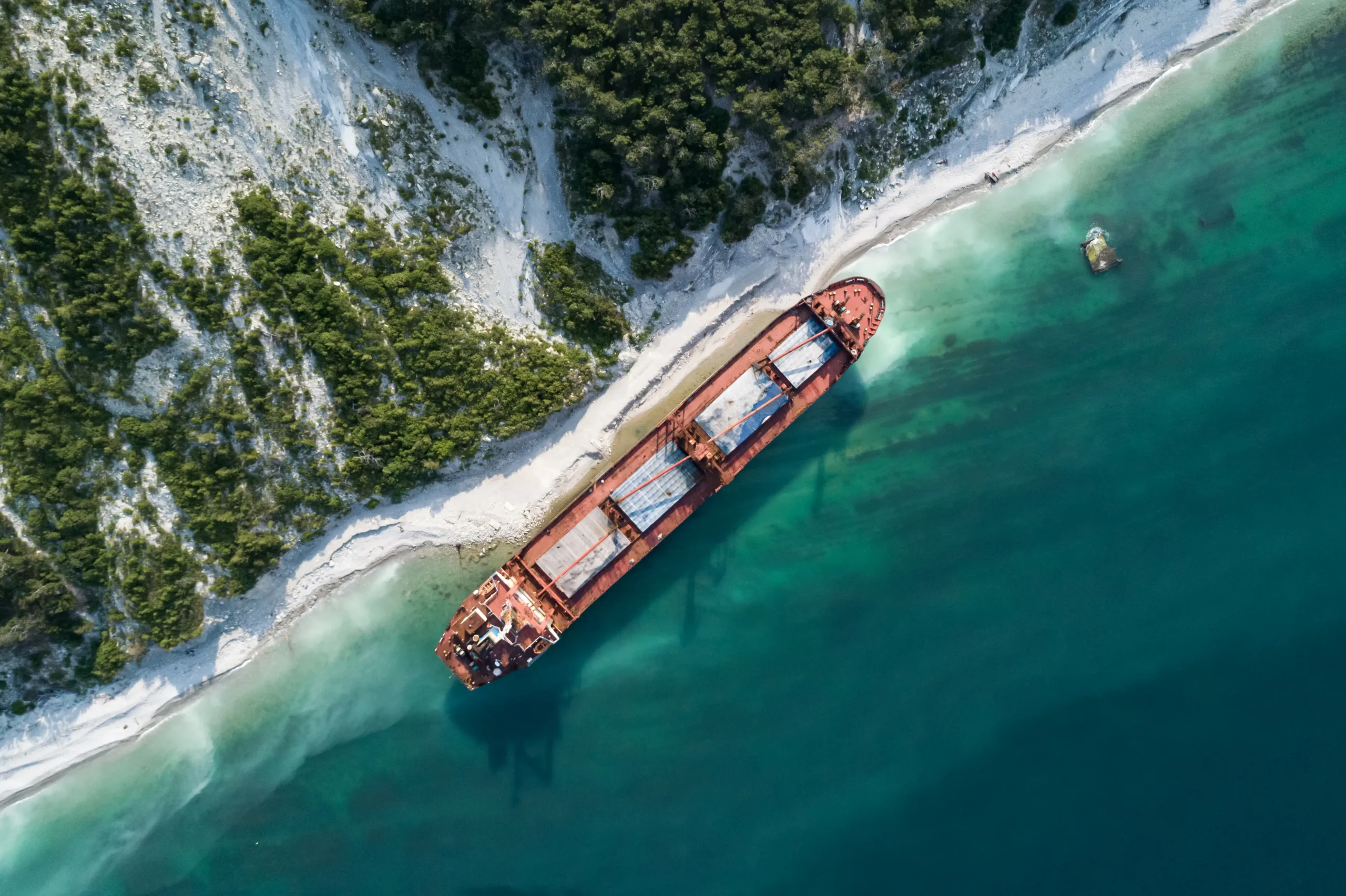
Groundings can seriously injure passengers and crew, especially when the vessel stops suddenly, floods, lists, capsizes, or becomes stranded in dangerous conditions. Groundings may also expose people to fire hazards, fuel spills, cold water, and limited rescue options.
Grounding investigations may examine:
- Whether the operator used current nautical charts
- Whether the vessel strayed from a safe channel
- Whether depth sounders or navigation systems were working
- Whether crew ignored shoals, rocks, sandbars, or marked hazards
- Whether weather, tides, currents, or visibility were properly considered
- Whether speed was safe for the area
- Whether the vessel was overloaded or unstable
- Whether emergency response was timely and adequate
A grounding is not always a simple mistake. It may reflect deeper failures in training, staffing, maintenance, voyage planning, or company safety culture.
Who May Be Affected
Vessel collisions, allisions, and groundings can harm many different groups of people, including:
- Seamen and crew members
- Ferry passengers
- Tour boat passengers
- Cruise passengers
- Recreational boaters
- Dock and harbor workers
- Longshore and terminal workers
- Offshore oil and gas workers
- Tugboat, towboat, and barge workers
- Construction crews working near waterways
- Families of people killed in maritime incidents
The type of claim, governing law, and available damages may depend on the person’s role, the location of the incident, the type of vessel, and whether the injury occurred on navigable waters.
Legal Issues That May Shape a Maritime Claim
Vessel impact cases can involve several different bodies of maritime law. Depending on the facts, a claim may involve negligence, unseaworthiness, maintenance and cure, product liability, premises liability, or wrongful death law.
Important legal questions may include:
- Was the injured person a seaman, passenger, longshore worker, harbor worker, or visitor?
- Did the vessel owner provide a seaworthy vessel?
- Did the operator follow maritime rules of navigation?
- Did the crew maintain a proper lookout?
- Did fatigue, poor training, or unsafe staffing contribute?
- Did defective equipment, steering failure, or engine failure play a role?
- Did the company ignore prior incidents, near-misses, or safety warnings?
- Did delayed rescue or poor emergency planning worsen the harm?
- Which maritime statute or legal standard applies?
These questions matter because maritime injury and death claims can be controlled by specific rules that differ from ordinary land-based injury cases.
Evidence That May Matter
Early investigation can be critical after a vessel collision, allision, or grounding. Important evidence may be lost, changed, repaired, overwritten, or controlled by companies involved in the incident.
Evidence may include:
- Voyage data recorder information
- AIS tracking data
- GPS and electronic chart data
- Radar records
- Vessel logs
- Engine and steering records
- Maintenance records
- Crew schedules and fatigue records
- Weather, tide, current, and visibility data
- Radio communications
- Incident reports
- Coast Guard reports
- Photographs and video
- Dock, bridge, or terminal surveillance footage
- Inspection and repair records
- Training records
- Company safety policies
- Witness statements
A strong investigation connects the human decisions, vessel condition, environmental conditions, and safety rules that shaped what happened.ent or from a chain of preventable safety failures.
Wrongful Death Claims After Vessel Impact Events
When a collision, allision, or grounding causes a fatal injury, families are often left with urgent questions and limited information. They may not know whether safety rules were followed or whether a preventable failure caused the loss.
A wrongful death investigation may examine:
- The vessel’s route and speed
- Crew actions before impact
- Company safety practices
- Staffing and fatigue issues
- Training and supervision
- Emergency response
- Rescue efforts
- Equipment condition
- Prior safety concerns
- Whether maritime law limits or defines available claims
Maritime wrongful death claims require careful attention to location, worker status, applicable statutes, and the relationship between the deceased person and the parties involved.

What To Do After a Vessel Collision, Allision or Grounding
After a serious maritime incident, injured people and families should focus first on medical care and safety. Once immediate needs are addressed, several practical steps can help protect important information.
Consider taking these steps when possible:
- Get medical treatment and follow discharge instructions
- Report the incident through the appropriate channel
- Preserve photographs, videos, messages, and documents
- Write down the names of witnesses
- Keep copies of medical records and work restrictions
- Do not give recorded statements without understanding your rights
- Avoid signing releases before the full extent of harm is known
- Speak with a maritime injury attorney before evidence disappears
Every case depends on its facts. An attorney can help determine what law applies and what evidence should be preserved.
How McEldrew Purtell Can Help
McEldrew Purtell handles serious injury and wrongful death cases involving complex safety failures. In vessel collision, allision, and grounding cases, our team investigates the decisions, equipment, policies, and maritime rules that shaped the incident.
If you or someone you love was seriously harmed in a vessel collision, allision, or grounding, McEldrew Purtell can review the circumstances and explain your options. These cases can depend on fast-moving evidence, specialized maritime rules, and the role of multiple companies or vessel operators.
Contact McEldrew Purtell today for a free consultation. We can help you determine whether unsafe navigation, fatigue, poor planning, equipment failure, or another preventable maritime safety failure contributed to the injury or loss.

Learn More

Company Accident Reports vs. Reality: How Maritime Investigations Uncover What Happened
Right after a maritime incident, the first story usually comes from the company. A supervisor’s write-up, an internal “safety report,” or a quick email to management can sound definitive. But those early narratives are often incomplete, shaped by limited information,…
Safety Gear Failures Offshore: Harnesses, PFDs, and Fall-Protection Equipment That Didn’t Perform
Offshore work is unforgiving. When the equipment meant to keep a worker alive fails, the outcome is often catastrophic: drowning, traumatic brain injury, spinal cord damage, crush injuries, or fatal falls. These cases are especially painful because the entire point…
Improper Supervision on Vessels: The Overlooked Liability Driver
When a serious injury happens offshore or on a working vessel, the focus often lands on the obvious factors like rough seas, heavy equipment, or a single mistake in the moment. But in many maritime injury cases, the real driver…
Jones Act vs. LHWCA: Which Maritime Law Applies to Your Injury?
If you are hurt working on or around the water, the first legal question is often not how bad the injury is. It is which maritime law applies. For most injured maritime workers, the answer is either the Jones Act…

Offshore Supply Vessel Injuries: Crew Transfers, Winches, Cranes, and Heavy Equipment Risks
Offshore supply vessels keep operations moving, but the same equipment that makes the job possible also creates serious injury exposure. Crew transfers in changing seas, suspended loads on deck, and pinch points around winches and cranes can turn routine tasks…

Maritime Wrongful Death: Who Can File and What Damages Are Available
Losing a loved one in a maritime incident is devastating, and the legal path forward is often more complicated than a typical wrongful death claim. Maritime cases can involve federal statutes, general maritime law, and sometimes state wrongful death laws,…