

Injured by an unsafe jobsite?
We hold property owners and contractors accountable.
Construction and industrial sites are constantly changing. Temporary walkways, stacked materials, open holes, and makeshift access routes can turn a routine day into a life-altering emergency. A missing guardrail, a dark stairwell, a poorly covered opening, or ice left on a loading area is all it takes for a worker to fall, be struck, or get crushed.
These are not “just accidents.” When a property owner, developer, general contractor, or site manager chooses speed over safety, ignores obvious dangers, or fails to control how people move through a jobsite, they can be held responsible. In many cases, you may have third-party premises liability claims in addition to workers’ compensation.
If a dangerous jobsite condition caused your injury or a loved one’s death, we work to find out why it existed, who knew about it, and why it wasn’t fixed before someone got hurt.


How Much Is Your Case Worth?

Why jobsite premises hazards are so dangerous
Unlike a typical slip-and-fall in a store or parking lot, jobsite hazards often exist in areas where people are carrying tools, moving materials, climbing, or working around heavy equipment. That means:
- Little or no time to react: – Falls and struck-by incidents happen in a split second, especially when a worker’s hands are full or their attention is on the task.
- Higher fall heights and forces: Open edges, trenches, shafts, and temporary structures increase the chance of serious trauma, not minor injuries.
- Multiple parties in control: Owners, developers, GCs, subcontractors, and property managers all have roles in keeping the site reasonably safe. When no one takes responsibility, hazards linger.
The result is often catastrophic: fractures, spinal cord and brain injuries, amputations, crush injuries, severe orthopedic trauma, and wrongful death.
Common Product and Design Defects
Premises cases on construction and industrial sites are about dangerous conditions on the property not just the tools being used. Some of the recurring patterns we see include:
Unprotected holes, shafts, and floor openings
Uncovered or poorly covered openings, missing guardrails around elevator shafts or stairwells, and temporary decks with cutouts left open → falls from height, crush injuries, and fatal trauma.
Unsafe walkways, stairs, and access routes
Broken or uneven stairs, loose treads, missing handrails, makeshift ramps, and cluttered walkways used for regular access → trips, slips, and falls while workers are carrying tools or materials.
Poor housekeeping and debris
Loose materials, cords, hoses, rebar, packaging, and construction debris left in walking paths, on scaffolds, or near edges → preventable trips, twisted falls, and impalement or laceration injuries.
Inadequate lighting and visibility
Dark stair towers, basements, parking decks, and temporary corridors with burned-out bulbs or no lighting at all → missed hazards, missteps at edges, and collisions with moving equipment.
Water, snow, ice, and drainage issues
Leaking roofs, standing water, unaddressed snow and ice at entrances, loading areas, and access roads → predictable slip hazards that should be treated, diverted, or cordoned off.
Traffic, staging, and site-logistics hazards
Poorly planned pedestrian routes near trucks, forklifts, or heavy equipment; blind corners; lack of barriers or signage → struck-by incidents, crush injuries, and pinned-between accidents.
Who may be responsible for a dangerous jobsite condition?
On a jobsite, responsibility for premises hazards can extend well beyond your direct employer. Depending on the facts, potentially responsible parties can include:
- Property owners and developers who retain control of the premises or dictate how the site is laid out and maintained
- General contractors and construction managers who coordinate trades, control access routes, and are supposed to identify and address site-wide hazards
- Subcontractors and trade contractors that create dangerous conditions (e.g., leaving openings unguarded, blocking exits, or piling debris in walkways)
- Property managers and facility operators at active plants, warehouses, or commercial buildings where construction or maintenance work is taking place
- Snow, ice, and maintenance contractors who fail to clear or treat surfaces they’re hired to maintain
- Security or logistics vendors who control gates, entrances, and traffic without adequate planning or protections
We examine contract language, site plans, safety programs, and day-to-day practices to determine who had control over the condition that hurt you and who failed to act.

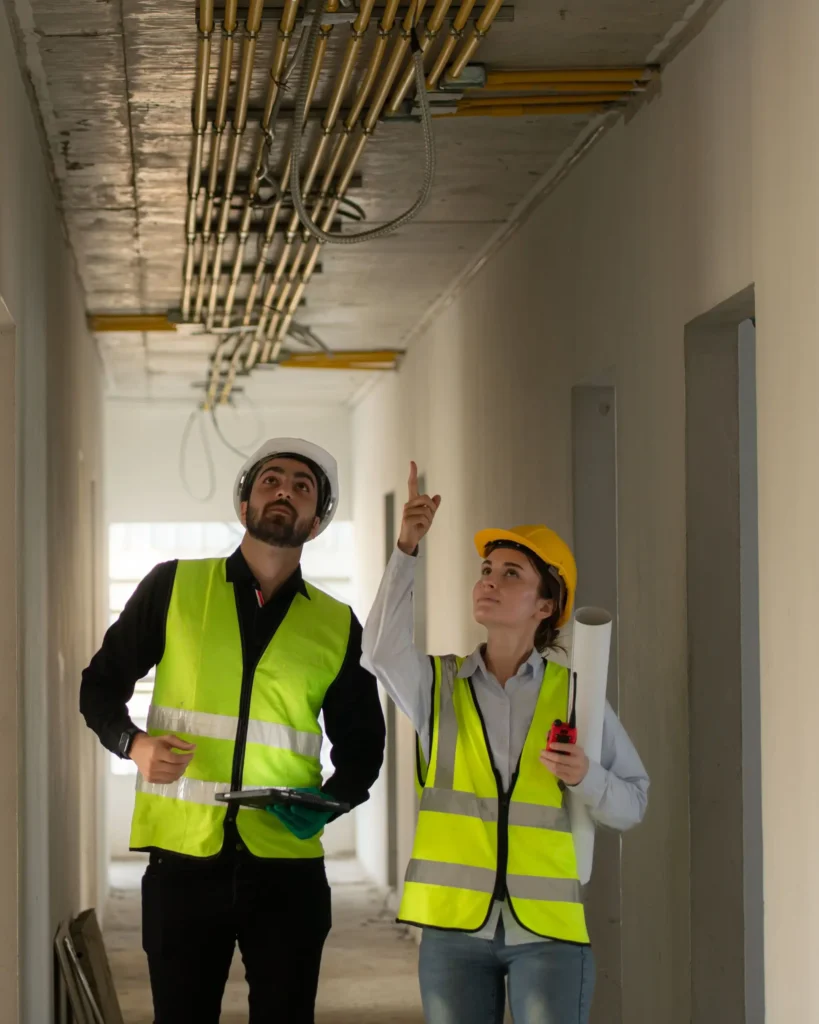
How we investigate jobsite premises cases
Premises cases on jobsites move quickly. Hazards can be fixed overnight, debris removed, lighting replaced, and openings covered before anyone takes photos. We work to move faster. Our team:
- Secures photos, video, and physical evidence before the scene changes
- Visits and documents the site where feasible, including measurements, layout, and visibility studies
- Interviews witnesses and co-workers who saw the condition or reported it before the incident
- Obtains contracts, safety manuals, and inspection records to see who was supposed to inspect, maintain, or control the area
- Analyzes codes and standards (building codes, fire and life-safety, OSHA regulations, and industry best practices) that may apply to the hazard
- Identifies all potential third-party and premises liability claims, not just workers’ compensation
Our goal is to reconstruct what happened and show that the danger was foreseeable and preventable.
Learn More
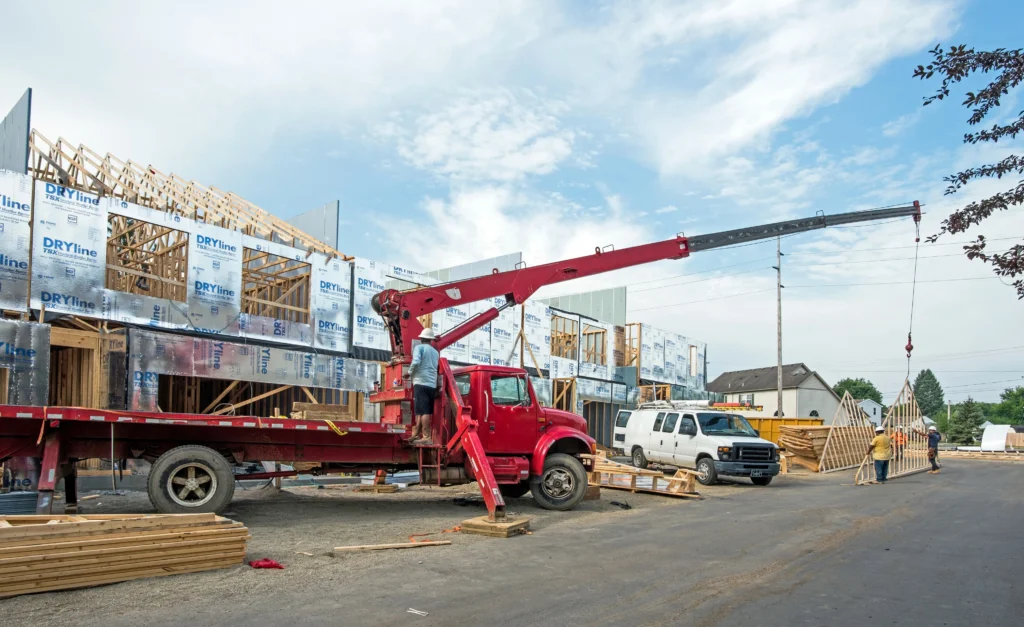
Crane, Hoist, and Rigging Failures: Third-Party Liability Beyond Workers’ Compensation
A dropped load, crane collapse, hoist failure, or rigging failure can cause catastrophic crush injuries, amputations, brain and spinal cord injuries, or death. For an injured worker, workers’ compensation may be only one part of the legal picture. When another…
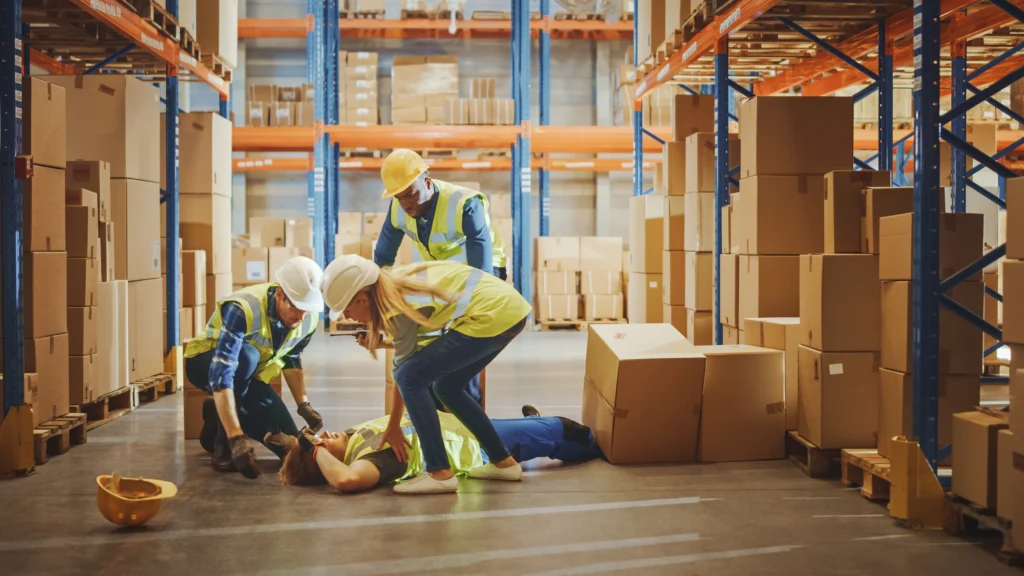
Warehouse Crush Injuries: Severe Limb Damage and Amputations
A warehouse crush injury happens when a forklift, machine, trailer, collapsing load, or other heavy equipment traps an arm, leg, hand, or foot; the resulting force can destroy bone, muscle, blood vessels, nerves, and skin. What begins as a workplace…
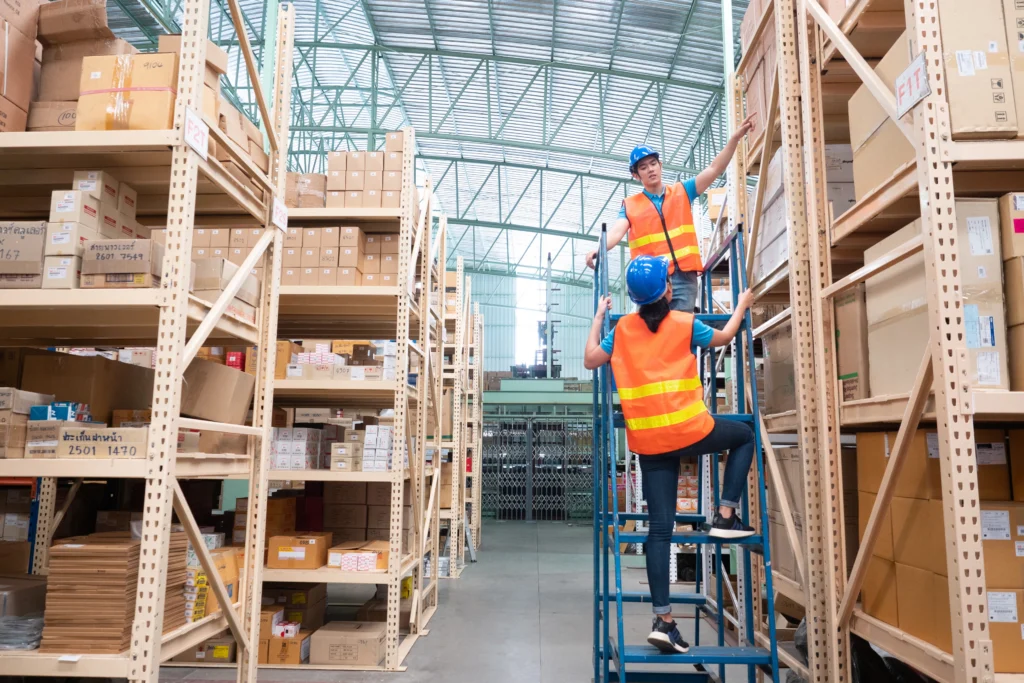
Traumatic Brain Injuries (TBI), Paralysis, and Wrongful Death Caused by Warehouse Falls
Warehouse workers have suffered permanent brain damage, paralysis, or death within seconds of a fall from a storage rack, mezzanine, ladder, loading dock, or raised pallet. A worker may strike a concrete floor, shelving, machinery, or stored materials with enough…
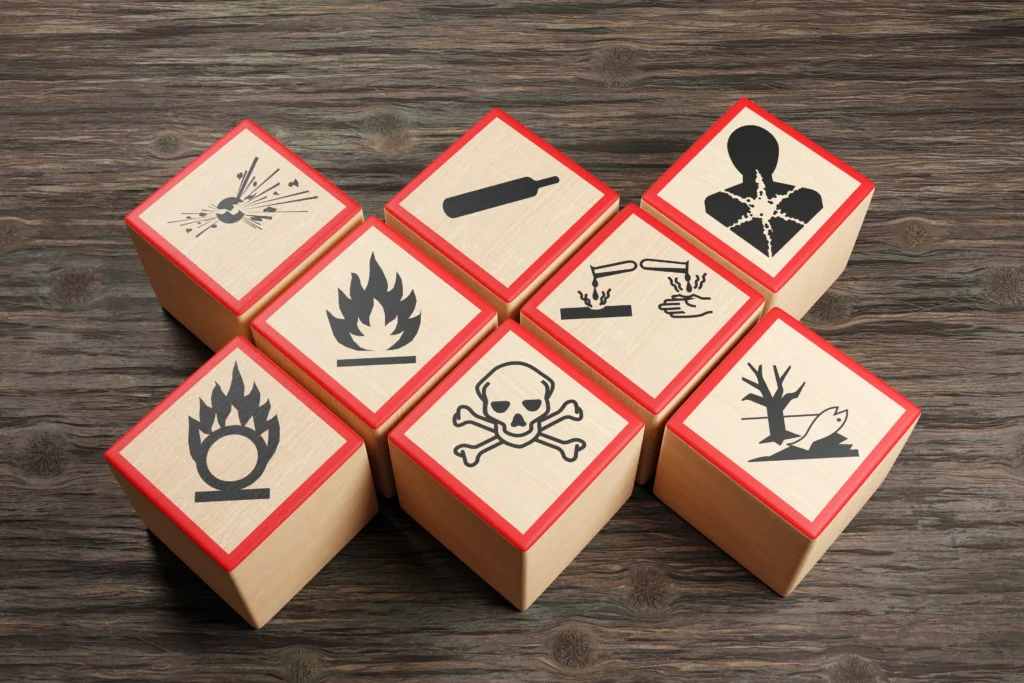
Toxic Exposure Claims: Identifying the Right Liability Theory
Toxic exposures can cause life-altering injuries. The source may be a defective product, an unsafe workplace, a leaking facility, a mislabeled container, or a chemical release that reaches homes, schools, or nearby businesses. The legal claim depends on where the…
FELA vs. Worker’s Comp: What Qualifies as an FELA Claim?
One of the most important questions in a railroad injury case is whether the claim belongs under a state’s workers’ compensation law or the Federal Employers’ Liability Act (FELA). he answer to this question can have a dramatic impact on…
Corporate Negligence in Trucking: When Company Decisions Cause Safety Issues
Families traveling on the highway may not realize that the commercial trucks driving beside them are not always operated by safe or even easily identifiable companies. Often, that only becomes clear after a serious crash, when victims and their families…