

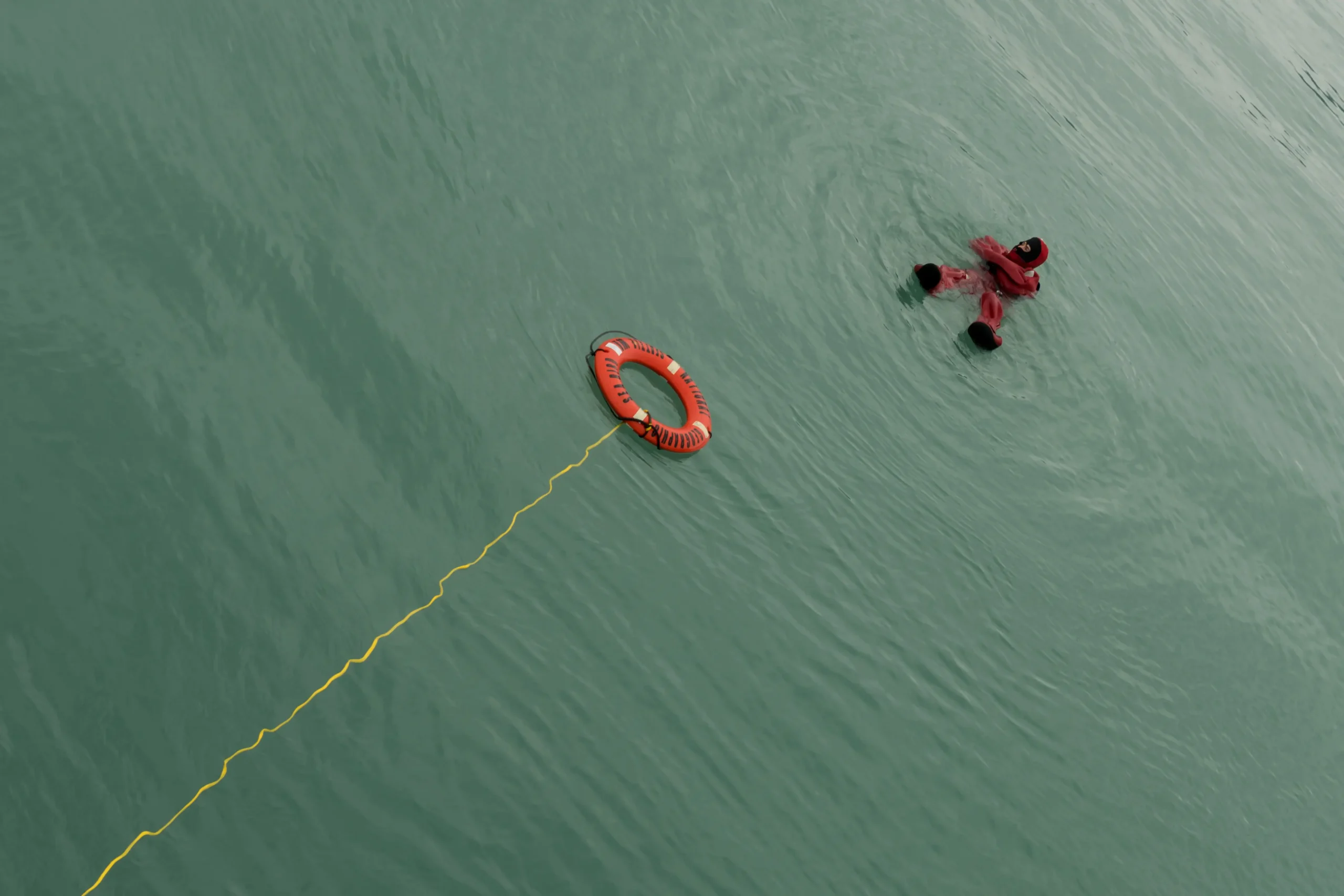
A fall into water can change everything.
Falling overboard from vessels, barges, docks, and offshore work areas is not something to take lightly. Even if it doesn’t end in drowning, there are other serious risks such as hypothermia, brain injury, crush injuries during rescue, and permanent disability.
Federal safety standards and Coast Guard emergency drill requirements highlight the importance of fall prevention, flotation, and rescue readiness. If someone you love went overboard, it’s crucial to consider whether unsafe conditions, missing equipment, or delayed emergency response played a role.

How Much Is Your Case Worth?
When an Overboard Event Becomes a Serious Maritime Claim
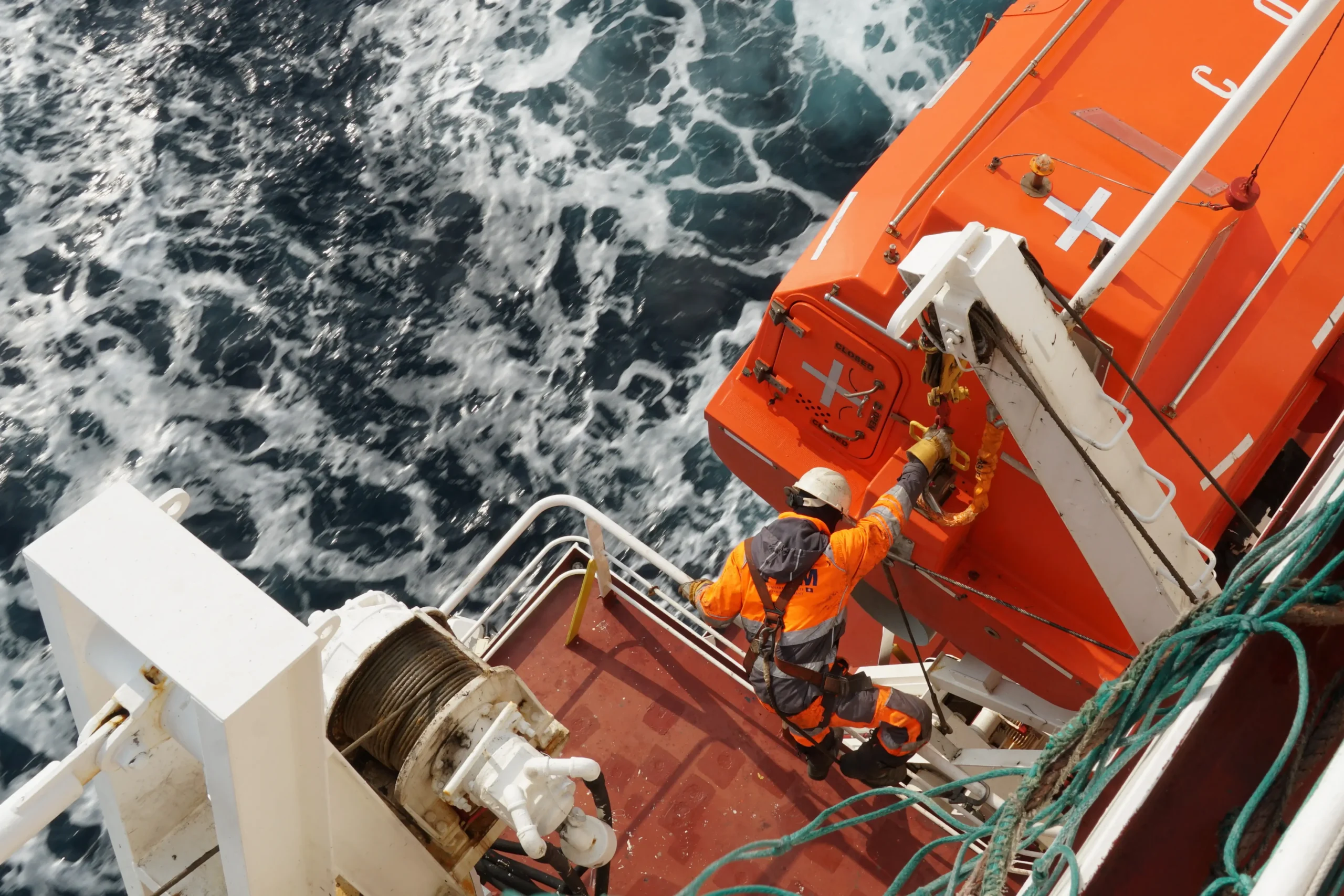
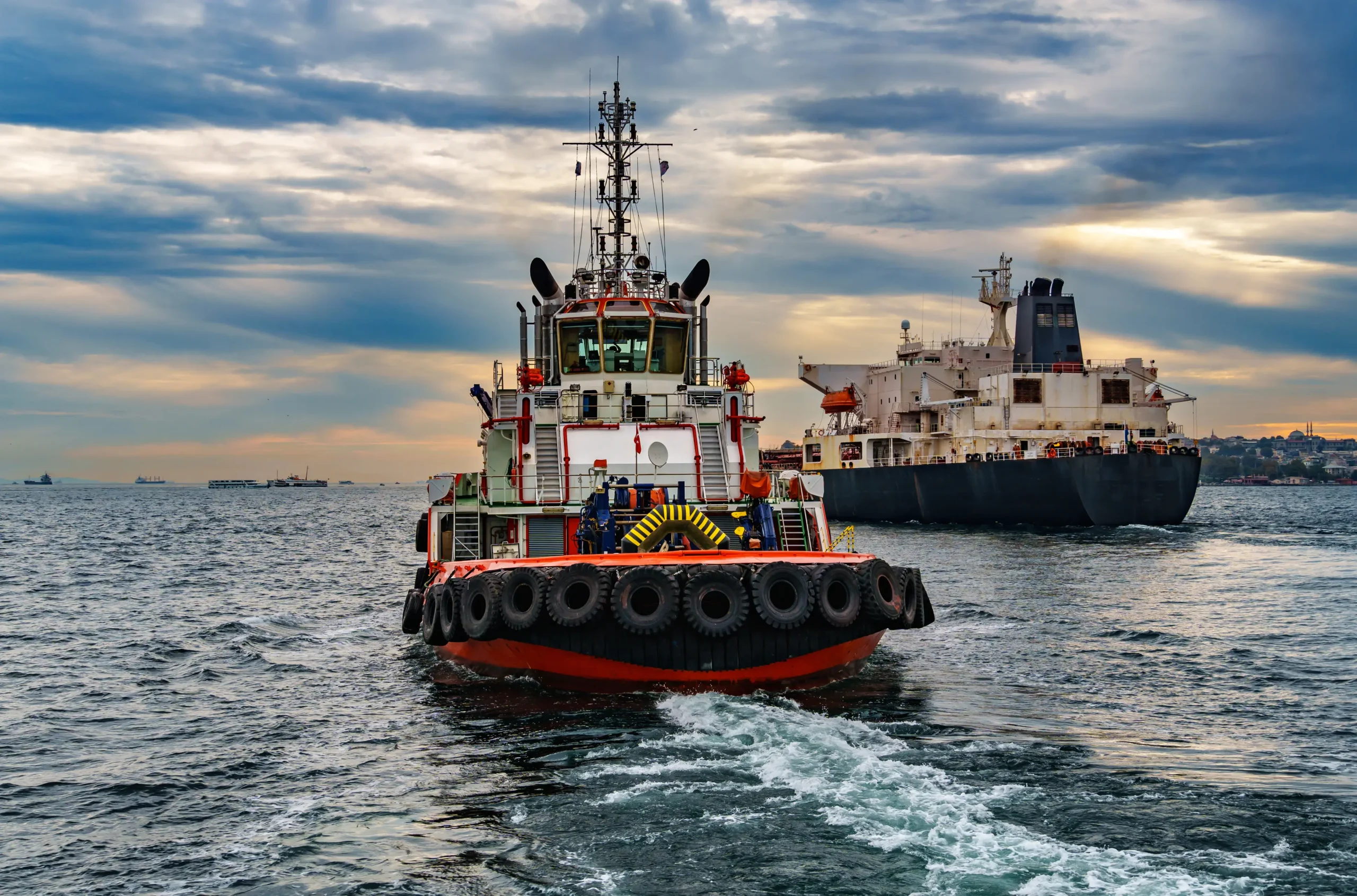
A person-overboard event is not always a random accident. On working vessels, offshore support vessels, tugboats, barges, docks, and marine terminals, these incidents often raise serious questions about vessel safety, crew training, fall protection, rescue procedures, and emergency preparedness.
The Occupational Safety and Health Administration (OSHA) identifies maritime standards for shipyard, marine terminal, and longshoring work, and federal rules also address work performed over or near water where drowning hazards exist. OSHA’s construction standard for work near water requires U.S. Coast Guard-approved life jackets or buoyant work vests when employees face a drowning danger.
When a vessel owner, operator, employer, contractor, or other party fails to provide the necessary personal flotation equipment or control known overboard hazards, the consequences can be fatal.
How Man-Overboard Events Happen
Fires and explosions at sea often trace back to Overboard incidents can happen during ordinary work when basic safety protections are missing or ignored. Common scenarios include:
- Slipping on wet, oily, icy, or poorly maintained decks
- Falling through missing, broken, or inadequate rails
- Losing balance during heavy weather, vessel movement, or deck operations
- Working near open hatches, unguarded edges, ramps, gangways, or transfer points
- Being struck by equipment, lines, cargo, or shifting materials
- Falling during crew transfers between vessels, docks, barges, or offshore structures
- Being pulled overboard during line handling, towing, winch, or net operations
- Working without proper flotation devices, harnesses, lifelines, or supervision
A safe vessel operation should account for foreseeable fall hazards. When crews work near open water, employers and vessel operators should have practical systems in place to prevent falls and respond immediately when someone goes overboard.

Safety Failures That May Lead to Drowning or Fatal Injury
Overboard cases often require a close investigation into what happened before, during, and after the fall. Key safety failures may include:
Unsafe Rails, Barriers, or Deck Conditions
Damaged rails, missing guards, slippery decks, poor lighting, unsafe walkways, and cluttered work areas can place workers and passengers at unnecessary risk. A vessel does not need to be perfect, but it must be reasonably safe for its intended use and the work being performed.
Lack of Fall Protection
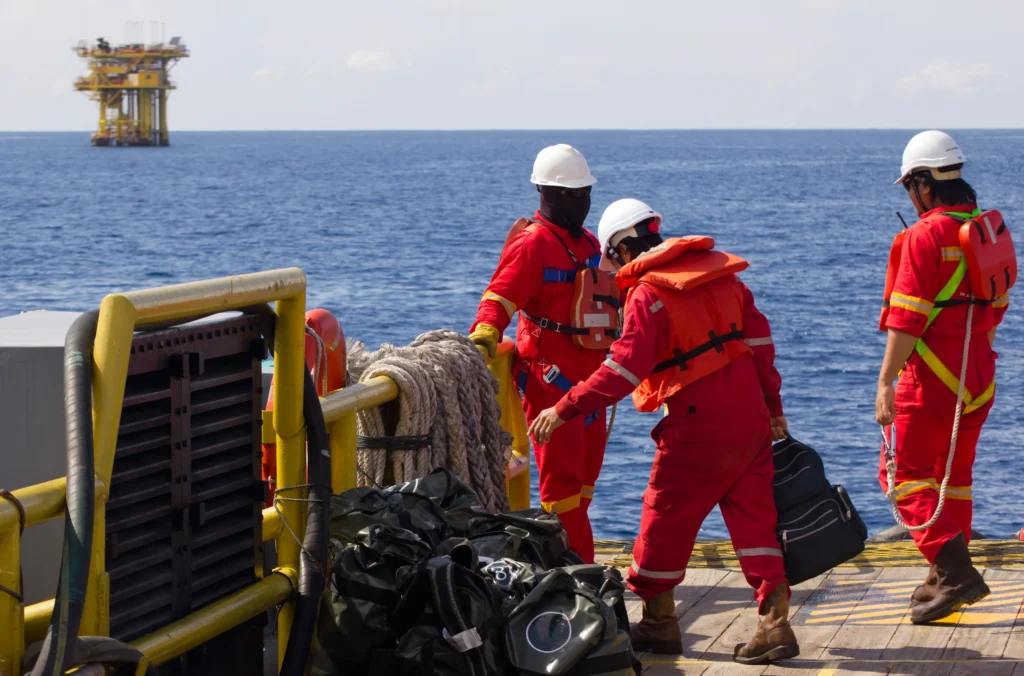
Fall protection may be critical when crew members work near open edges, elevated areas, ladders, hatches, or transfer points. Depending on the work setting, this may involve guardrails, lifelines, harnesses, personal flotation devices, safe access routes, or other protective systems.
Inadequate Personal Flotation Equipment
A life jacket or buoyant work vest can be the difference between death and survival. OSHA’s rule for work over or near water recognizes the importance of Coast Guard-approved flotation where drowning danger exists.
Delayed Rescue Response
A fall overboard becomes even more dangerous when the crew is not ready to respond. The Coast Guard has published person-overboard recovery guidance that includes core response steps such as throwing a marker, sounding the alarm, posting a lookout, maneuvering the vessel back to the person, recovering the person, and providing treatment.
Poor Training and Emergency Drills
Crew members need to know their roles before an emergency happens. Federal regulations for certain passenger vessels require abandon ship and man-overboard drills and training, including rescue boat drills where required.
Unsafe Crew Transfers and Boarding Procedures
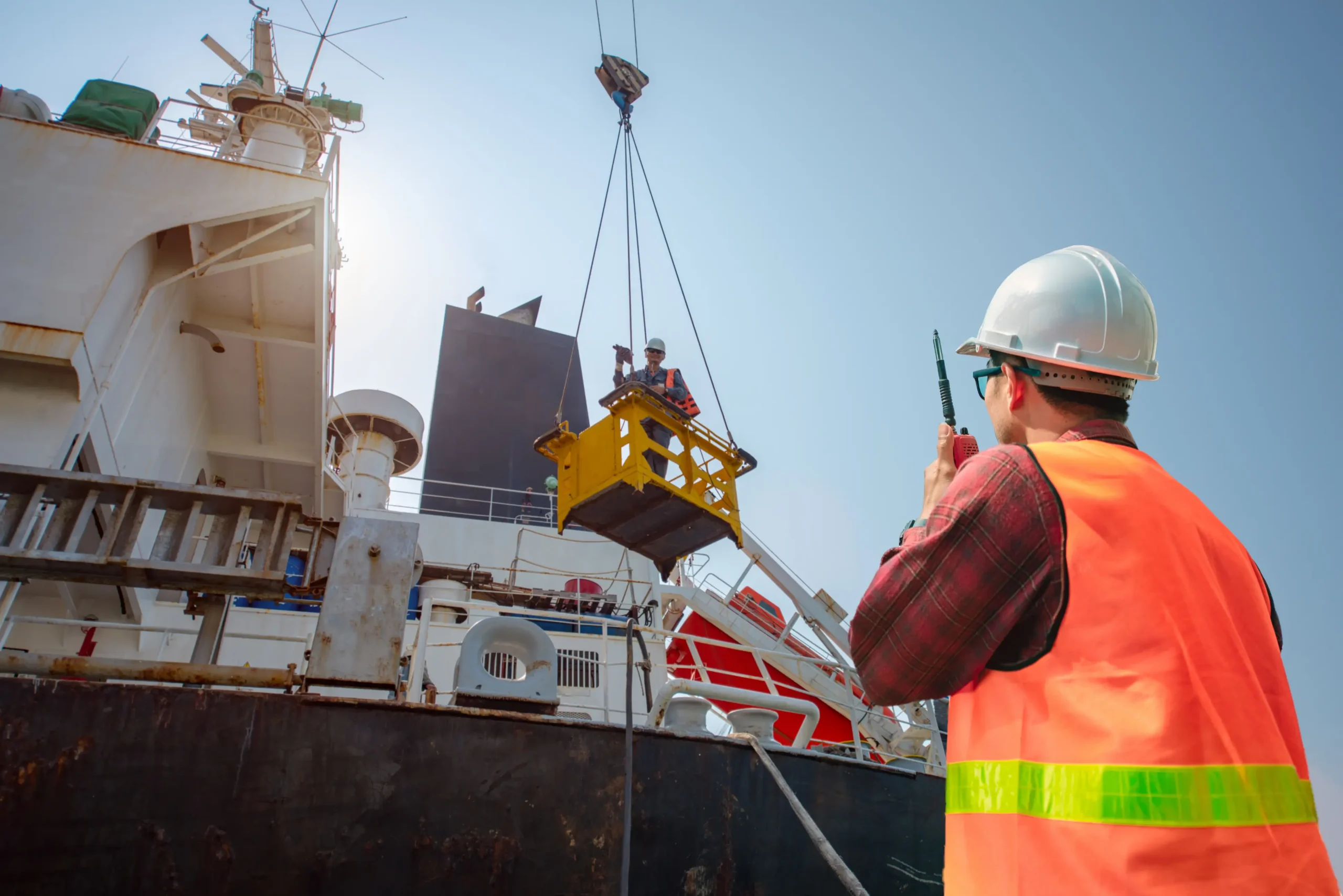
Crew transfers, boarding, and disembarking can create serious overboard risks when vessels, docks, gangways, ladders, or barges are not properly secured. Poor communication, unstable footing, rough weather, inadequate lighting, rushed operations, or missing handholds can cause a worker to fall into the water during a routine movement between vessels or work areas.

Injuries and Losses After an Overboard Event
Drowning is not the only possible outcome. Survivors and families may face severe medical, emotional, and financial consequences, including:
- Near-drowning injuries
- Hypoxic or anoxic brain injury from lack of oxygen
- Hypothermia and cold-water shock
- Respiratory damage from water aspiration
- Fractures, head trauma, or spinal cord injuries
- Crush injuries during recovery
- Infection or complications after prolonged immersion
- Permanent disability
- Wrongful death
Even when a person survives, the recovery can be long and uncertain. Families may need answers about medical care, lost income, long-term disability, and whether the event could have been prevented.
Who May Be Responsible
Liability depends on the facts, the worker’s status, the vessel involved, and the law that applies. Potentially responsible parties may include:
- Vessel owners
- Vessel operators
- Employers
- Charter companies
- Marine contractors
- Barge, tug, or towboat operators
- Dock, terminal, or facility owners
- Equipment manufacturers
- Maintenance providers
- Staffing companies or subcontractors
In some cases, claims may involve the Jones Act, general maritime law, unseaworthiness, maintenance and cure, negligence, product liability, or wrongful death law. The correct legal path depends on the worker’s role, where the incident occurred, and which parties controlled the vessel, equipment, or worksite.
Evidence That May Matter
Keeping track of the facts in overboard and drowning cases can become difficult quickly because vessels move, crews disperse, and physical conditions change.
Important evidence may include:
- Vessel logs and incident reports
- Crew statements and witness accounts
- Video footage from vessels, docks, terminals, or nearby equipment
- Man-overboard drill records
- Safety manuals and emergency response policies
- Training records
- Maintenance records for rails, ladders, walkways, lighting, and rescue equipment
- Weather, sea state, tide, and visibility data
- Personal flotation device records
- Radio communications and emergency response timelines
- Autopsy, medical, EMS, or Coast Guard records
A prompt investigation can help preserve evidence before repairs, cleaning, crew changes, or operational pressures make the facts harder to prove.
Why These Cases Can Be Complex
Man-overboard cases often involve more than one failure. A person may fall because a deck was unsafe, then suffer fatal harm because the rescue response was delayed or poorly executed. A vessel owner may blame the victim, while an employer, contractor, or equipment provider may point to someone else.
These cases also require a clear understanding of maritime law. The rights of a seaman, harbor worker, offshore worker, passenger, or contractor can differ. The location of the incident can also matter, including whether it occurred on navigable waters, at a dock, near a terminal, or during offshore operations.
McEldrew Purtell investigates these cases with attention to both the immediate event and the safety system behind it. That includes the condition of the vessel, the adequacy of the crew, the availability of flotation and rescue equipment, and whether the response matched the known risks of maritime work.ence needed to understand what happened.

What Families Should Do After a Drowning or Man-Overboard Event
Families should focus first on medical care, survival, and immediate support. When the situation allows, it is also important to preserve information.
Useful steps may include:
- Requesting incident reports, if available
- Saving photographs, messages, employment records, and medical documents
- Writing down the names of witnesses or crew members
- Avoiding recorded statements without legal guidance
- Keeping all paperwork from employers, insurers, vessel owners, or investigators
- Contacting a maritime injury attorney before deadlines or evidence issues arise
These steps do not replace legal advice, but they do help to preserve information that may become important later.
Talk to McEldrew Purtell About an Overboard or Drowning Event
A fall overboard can leave families with grief, uncertainty, and urgent questions about what went wrong. McEldrew Purtell helps injured maritime workers and families investigate whether preventable safety failures contributed to the harm.
Contact McEldrew Purtell for a free consultation. We can review what happened, explain potential legal options, and help you understand whether a maritime injury or wrongful death claim may be available.

Learn More

Company Accident Reports vs. Reality: How Maritime Investigations Uncover What Happened
Right after a maritime incident, the first story usually comes from the company. A supervisor’s write-up, an internal “safety report,” or a quick email to management can sound definitive. But those early narratives are often incomplete, shaped by limited information,…
Safety Gear Failures Offshore: Harnesses, PFDs, and Fall-Protection Equipment That Didn’t Perform
Offshore work is unforgiving. When the equipment meant to keep a worker alive fails, the outcome is often catastrophic: drowning, traumatic brain injury, spinal cord damage, crush injuries, or fatal falls. These cases are especially painful because the entire point…
Improper Supervision on Vessels: The Overlooked Liability Driver
When a serious injury happens offshore or on a working vessel, the focus often lands on the obvious factors like rough seas, heavy equipment, or a single mistake in the moment. But in many maritime injury cases, the real driver…
Jones Act vs. LHWCA: Which Maritime Law Applies to Your Injury?
If you are hurt working on or around the water, the first legal question is often not how bad the injury is. It is which maritime law applies. For most injured maritime workers, the answer is either the Jones Act…

Offshore Supply Vessel Injuries: Crew Transfers, Winches, Cranes, and Heavy Equipment Risks
Offshore supply vessels keep operations moving, but the same equipment that makes the job possible also creates serious injury exposure. Crew transfers in changing seas, suspended loads on deck, and pinch points around winches and cranes can turn routine tasks…

Maritime Wrongful Death: Who Can File and What Damages Are Available
Losing a loved one in a maritime incident is devastating, and the legal path forward is often more complicated than a typical wrongful death claim. Maritime cases can involve federal statutes, general maritime law, and sometimes state wrongful death laws,…