

Unsafe vessels. Serious harm.
Maritime workers often assume they have to accept danger as part of the job. But when unsafe vessel conditions make their work more dangerous than it should be, injured workers may be entitled to legal compensation.
Slippery decks, broken equipment, missing safety gear, unsafe ladders, defective lines, and unfit crew practices can lead to severe consequences such as falls, crush injuries, amputations, spinal trauma, burns, drowning incidents, or death. Court decisions and maritime safety rules have kept vessel condition and crew safety at the center of these claims. If you or someone in your family was hurt aboard a vessel, the key question is whether an unsafe vessel condition played a role.

How Much Is Your Case Worth?
What Is an Unseaworthiness Claim?
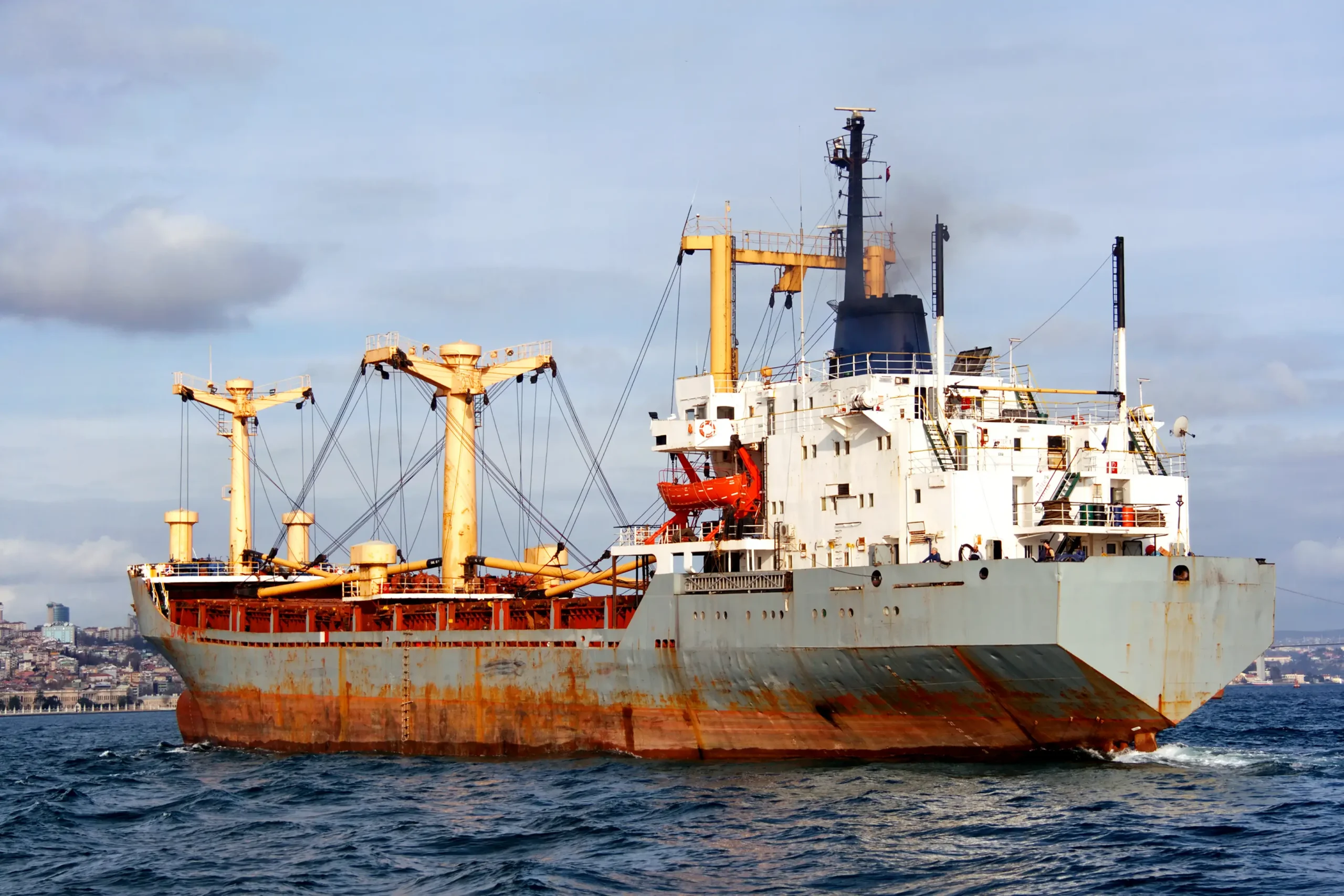
An unseaworthiness claim is a maritime injury claim based on the condition of a vessel, its equipment, or its crew. Under general maritime law, a vessel owner has a duty to provide a vessel that is reasonably fit for its intended use. The law does not require the vessel to be perfect or accident-free, but it does require safe, suitable conditions for the work being performed.
An unseaworthy condition can involve the vessel itself, tools, machinery, gear, walkways, work procedures, or crew practices. The condition may be long-standing or temporary. In Mitchell v. Trawler Racer, Inc., the U.S. Supreme Court held that a shipowner’s actual or constructive knowledge of a temporary unseaworthy condition was not an essential element of the seaman’s claim, and that liability for a temporary condition was not different from liability for a permanent condition.
That rule matters because vessel owners and operators often argue that they did not know about the hazard. In an unseaworthiness claim, the focus is not limited to what the owner knew before the injury. The focus is whether an unsafe vessel condition caused or contributed to the worker’s harm.
Dangerous Vessel Conditions That May Support a Claim
Unseaworthiness can arise from many unsafe conditions aboard a vessel. Common examples include:
Unsafe Decks, Stairs, and Walkways
A deck may become unseaworthy when workers must move across slippery, cluttered, unstable, poorly lit, or unsafe walking surfaces. Oil, grease, fish residue, standing water, unsecured equipment, missing handrails, damaged stairs, and unsafe access points can all create serious fall risks.
Defective or Inadequate Equipment
A vessel may be unseaworthy when workers are given tools, gear, or machinery that is defective, worn out, poorly maintained, or not suitable for the job. This can include winches, cranes, lines, ladders, nets, hatches, pumps, engines, safety guards, hoists, or personal protective equipment.
Unsafe Work Methods
The vessel’s condition is not limited to metal, machinery, and gear. A vessel may be unsafe when the crew must follow dangerous work methods, perform tasks without enough help, use improper procedures, or work without safe access to the area where the job must be done.
Temporary Hazards Can Still Matter
Some vessel owners try to draw a sharp line between permanent defects and temporary hazards. Maritime law does not make that distinction in the way many injured workers expect. A temporary hazard can support an unseaworthiness claim if it made the vessel not reasonably fit for its intended use and caused the injury.
That point is especially important in cases involving fresh spills, loose gear, slippery substances, recently created hazards, or unsafe conditions that appeared during active vessel operations. The claim may still need detailed proof, but the owner’s statement that the condition was temporary does not end the inquiry.

“We Didn’t Know” Does Not Automatically Defeat the Claim
In many injury cases, notice is a major issue. A defendant may argue that it cannot be responsible unless it knew, or should have known, about the hazard. Unseaworthiness claims are different.
The Supreme Court has described the duty to furnish a seaworthy ship as absolute and not limited by common-law negligence concepts. That does not mean every injury aboard a vessel creates a valid claim. It means the legal analysis focuses heavily on the condition of the vessel and whether that condition caused the worker’s injury.
A maritime worker may still need evidence showing what condition existed, how it made the vessel unsafe, how the injury happened, and how the unsafe condition caused the harm. But a vessel owner’s lack of knowledge is not always the defense it would be in an ordinary negligence case.
Who May Bring an Unseaworthiness Claim?
Unseaworthiness claims most often involve seamen who work as members of a vessel’s crew. These claims may arise after injuries on commercial fishing vessels, tugboats, barges, cargo vessels, dredges, offshore support vessels, research vessels, and other maritime work vessels.
Worker status is another important factor. Maritime law uses specific rules to determine who qualifies as a seaman and what remedies may apply. Depending on the facts, an injured worker may also have claims involving Jones Act negligence, maintenance and cure, or other maritime remedies. The U.S. Supreme Court has recognized unseaworthiness, Jones Act negligence, and maintenance and cure as separate maritime-law concepts that may arise in the same injury case.

Injuries Linked to Unseaworthy Vessel Conditions
Unsafe vessel conditions can cause severe and life-changing injuries. These cases may involve:
- Falls from ladders, stairs, decks, gangways, or elevated work areas
- Crush injuries from cargo, winches, lines, cranes, or heavy equipment
- Amputations or hand injuries from unguarded machinery
- Back, neck, and spinal cord injuries
- Traumatic brain injuries
- Burns
- Chemical exposure
- Drowning, near-drowning, or hypoxic injuries
- Severe infections after contaminated wounds
- Fatal maritime incidents
The physical harm is only one part of the case. Injured maritime workers may face lost income, reduced earning capacity, medical bills, long recoveries, disability, pain, and uncertainty about returning to vessel work.
Evidence That May Matter in an Unseaworthiness Claim
Strong unseaworthiness cases often depend on early investigation. Vessel conditions can change quickly. Equipment may be repaired, cleaned, moved, replaced, or discarded. Crew members may leave the vessel or return to different assignments.
Important evidence may include:
- Photographs or video of the vessel condition
- Maintenance and repair records
- Incident reports
- Safety logs
- Crew statements
- Training records
- Inspection records
- Work orders
- Equipment manuals
- Prior complaints about the same hazard
- Medical records
- Vessel ownership and operating records
- Communications before and after the incident
The sooner evidence is identified and preserved, the clearer the picture often becomes.


What Families Should Know After a Serious Vessel Injury
After a serious maritime injury, workers and families often receive limited information. The company may focus on getting the vessel back in operation. The injured worker may be dealing with medical care, lost wages, transportation, and pressure to provide statements.
You do not need to know every legal category before asking questions. You should know that unsafe vessel conditions matter, temporary hazards can matter, and a vessel owner’s claim that they did not know about the danger may not end the case.
Before signing paperwork, giving recorded statements, or accepting a quick resolution, injured maritime workers and families should understand what rights may apply under maritime law.
Contact McEldrew Purtell About an Unseaworthiness Claim
If you or a family member was seriously injured because of an unsafe vessel condition, McEldrew Purtell can review what happened and explain the legal options that may be available to you. Our team investigates maritime injury claims involving dangerous vessel conditions, defective equipment, unsafe work practices, and preventable failures aboard vessels.
Contact McEldrew Purtell today for a free consultation. We can help you understand whether an unseaworthiness claim, Jones Act claim, maintenance and cure issue, or another maritime remedy may apply.

Learn More

Company Accident Reports vs. Reality: How Maritime Investigations Uncover What Happened
Right after a maritime incident, the first story usually comes from the company. A supervisor’s write-up, an internal “safety report,” or a quick email to management can sound definitive. But those early narratives are often incomplete, shaped by limited information,…
Safety Gear Failures Offshore: Harnesses, PFDs, and Fall-Protection Equipment That Didn’t Perform
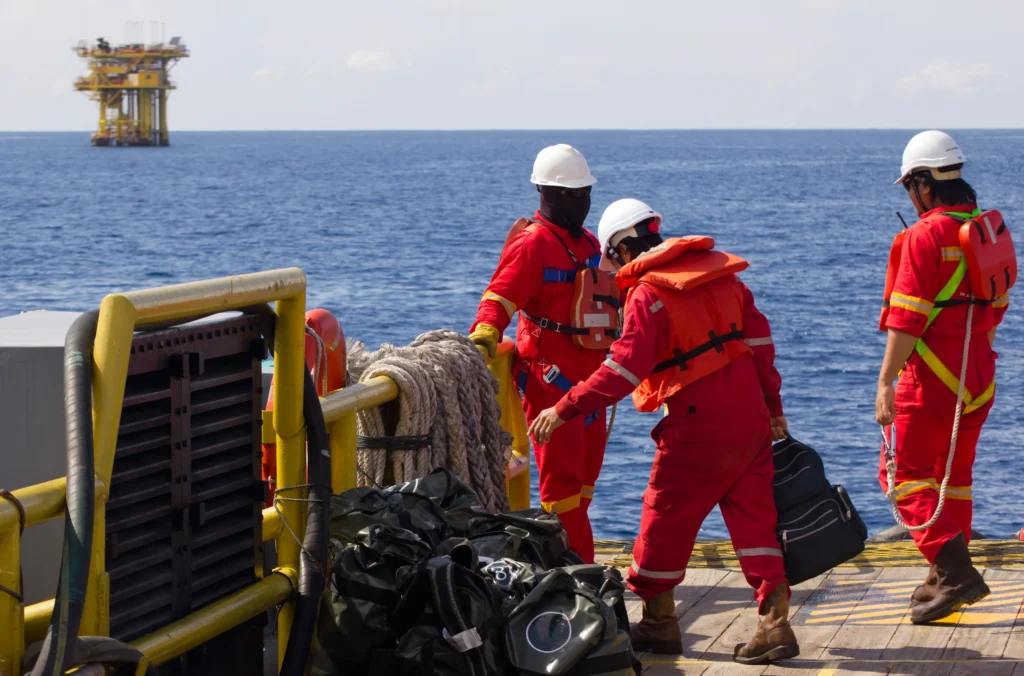
Offshore work is unforgiving. When the equipment meant to keep a worker alive fails, the outcome is often catastrophic: drowning, traumatic brain injury, spinal cord damage, crush injuries, or fatal falls. These cases are especially painful because the entire point…
Improper Supervision on Vessels: The Overlooked Liability Driver
When a serious injury happens offshore or on a working vessel, the focus often lands on the obvious factors like rough seas, heavy equipment, or a single mistake in the moment. But in many maritime injury cases, the real driver…
Jones Act vs. LHWCA: Which Maritime Law Applies to Your Injury?
If you are hurt working on or around the water, the first legal question is often not how bad the injury is. It is which maritime law applies. For most injured maritime workers, the answer is either the Jones Act…

Offshore Supply Vessel Injuries: Crew Transfers, Winches, Cranes, and Heavy Equipment Risks
Offshore supply vessels keep operations moving, but the same equipment that makes the job possible also creates serious injury exposure. Crew transfers in changing seas, suspended loads on deck, and pinch points around winches and cranes can turn routine tasks…

Maritime Wrongful Death: Who Can File and What Damages Are Available
Losing a loved one in a maritime incident is devastating, and the legal path forward is often more complicated than a typical wrongful death claim. Maritime cases can involve federal statutes, general maritime law, and sometimes state wrongful death laws,…