

The Dangers of Corporate Negligence in Trucking
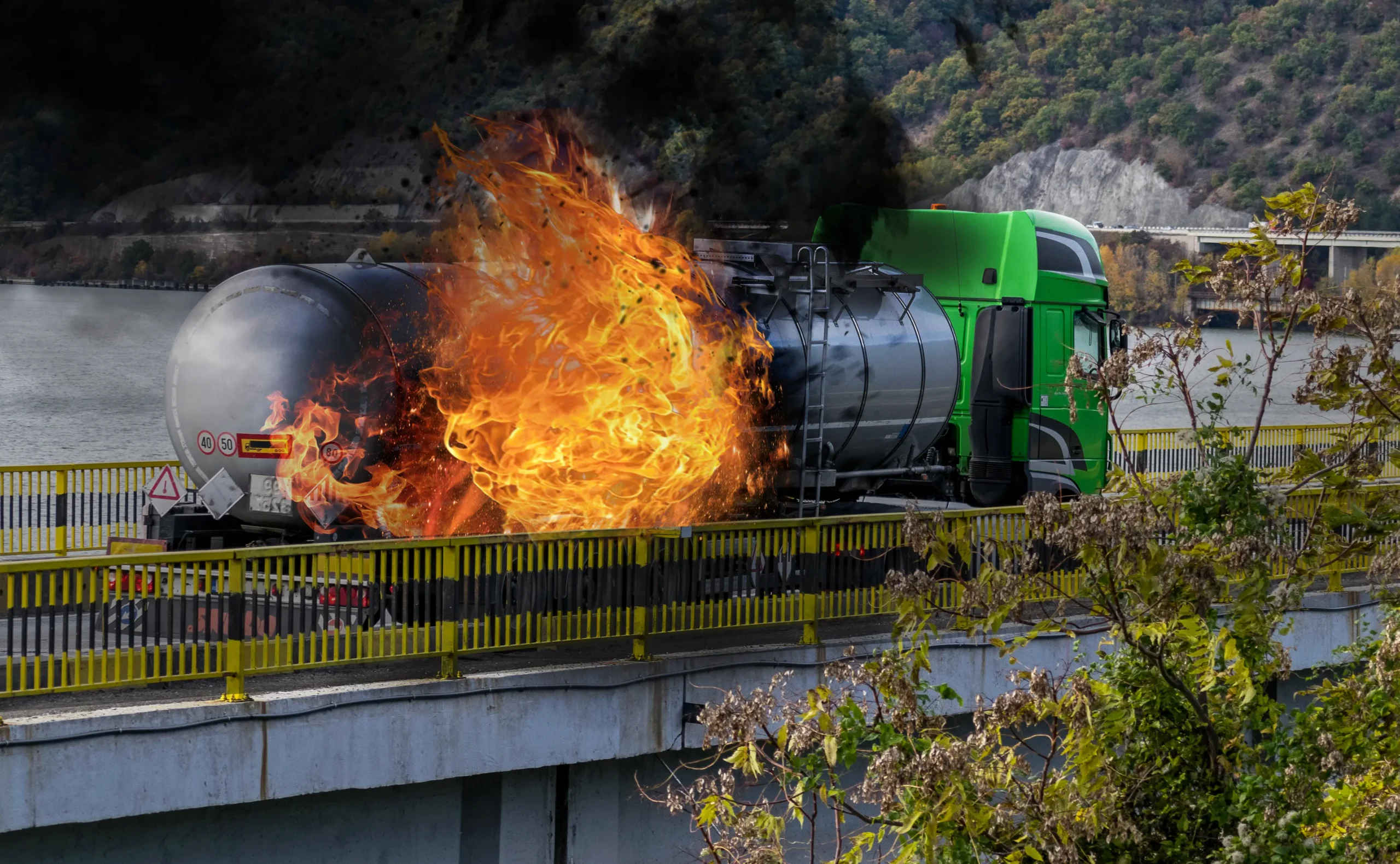
Many serious commercial vehicle crashes can be linked to corporate negligence. This includes when companies cut corners on driver training, vehicle maintenance, or federal safety compliance. The consequences can include brain injuries, spinal cord injuries, amputations, internal trauma, permanent disability, or death. Federal safety rules, crash data, roadside inspections, and enforcement programs keep the risks of unsafe commercial operations in focus. If you or someone you love was harmed, the key question is whether corporate negligence or a preventable safety violation played a role.
Commercial trucking companies have a duty to operate safely. That duty does not stop with the driver behind the wheel. A serious crash may trace back to decisions made in an office, maintenance yard, dispatch center, or safety department.
Corporate negligence can involve poor hiring, weak driver training, ignored maintenance problems, pressure to violate hours-of-service rules, falsified records, unsafe scheduling, or failure to correct known compliance issues. The Federal Motor Carrier Safety Administration (FMCSA) regulates commercial motor carriers through rules covering driver qualifications, vehicle parts and equipment, hours of service, inspection, repair, and maintenance.

How Much Is Your Case Worth?
What Corporate Negligence Means After a Serious Crash
Corporate negligence means a company failed to take reasonable safety steps and that failure contributed to harm. In commercial vehicle cases, that failure may involve the company’s systems, policies, supervision, training, maintenance, or compliance culture.
A crash investigation may examine whether the company:
- Failed to Hire or Screen Drivers Properly- Commercial drivers must meet federal qualification requirements. A company may face scrutiny when it hires or keeps a driver despite unsafe driving history, disqualifying medical concerns, drug or alcohol violations, lack of proper licensing, or inadequate experience for the vehicle and route.
- Failed to Train or Supervise Drivers- Training matters when drivers operate heavy vehicles in traffic, bad weather, construction zones, dense urban streets, or high-speed highways. A company may be negligent if it sends a driver onto the road without proper instruction on braking distance, cargo securement, fatigue rules, defensive driving, vehicle inspections, or emergency procedures.
- Failed to Maintain the Vehicle- Federal regulations address inspection, repair, and maintenance of commercial motor vehicles. Vehicle maintenance failures can involve brakes, tires, steering systems, lights, underride guards, coupling equipment, mirrors, and other safety-critical components.
- Pressured Drivers to Keep Moving Unsafely- Hours-of-service rules limit driving and on-duty time, requiring rest periods to help drivers stay awake and alert. A company may be investigated when dispatch pressure, unrealistic schedules, unpaid waiting time, or delivery demands encourage drivers to skip rest, speed, or continue driving while fatigued.
- Ignored Red Flags in Safety Data- The FMCSA’s Safety Measurement System uses inspection, crash, and investigation data to help identify motor carriers for potential intervention. The system organizes safety performance into categories that include unsafe driving, crash indicators, hours-of-service compliance, vehicle maintenance, controlled substances and alcohol, hazardous materials compliance, and driver fitness.
Safety Violations That May Matter in a Truck Accident Claim
Not every violation proves liability. The facts still matter. But safety violations can help show whether a company failed to follow rules designed to prevent serious crashes.
Common issues include:
- Hours-of-Service Violations
- Maintenance and Inspection Failures
- Driver Qualification Problems
- Unsafe Loading or Cargo Practices
- Poor Company Safety Management

How Corporate Misconduct Can Be Hidden
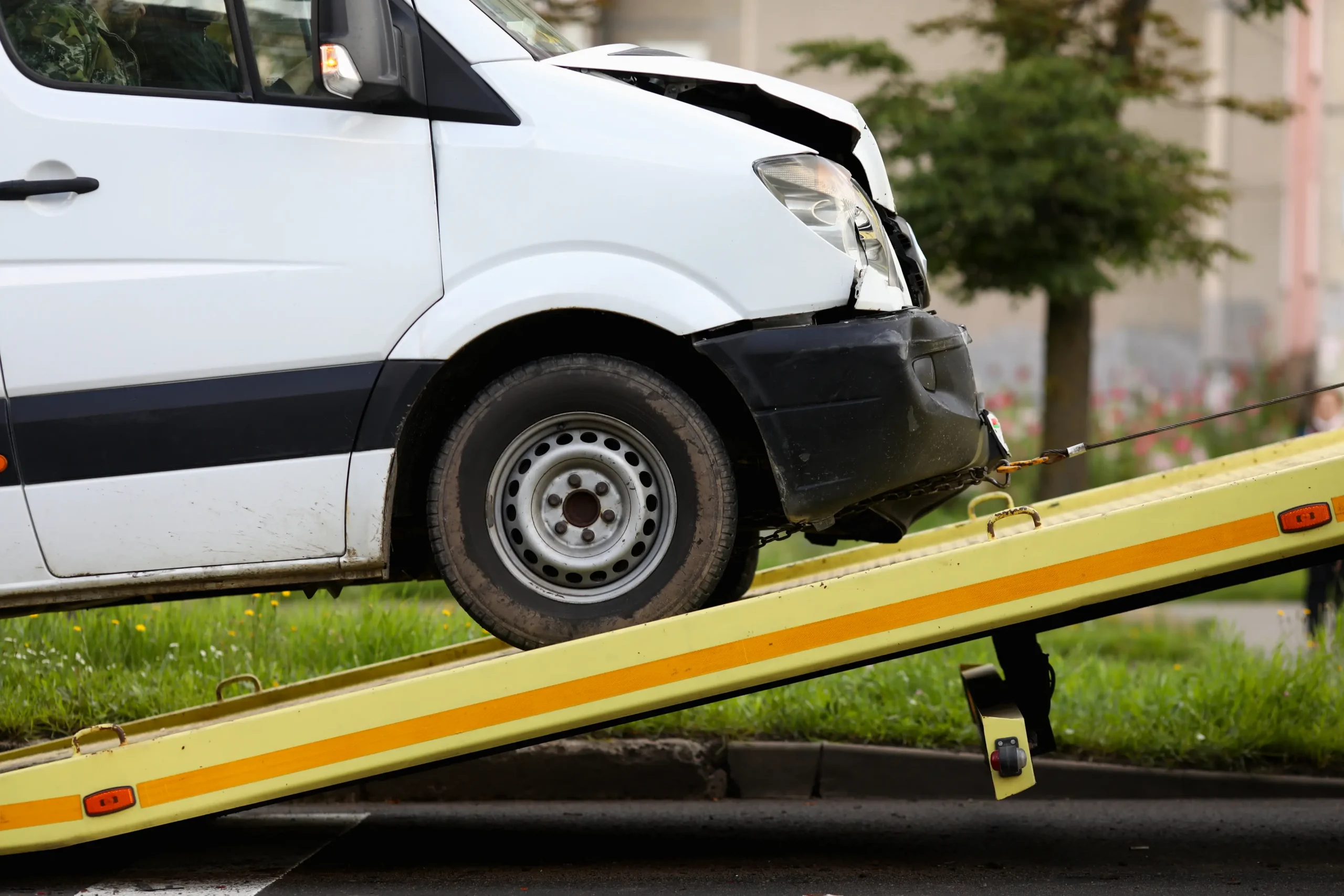
Truck accident victims often see only the crash scene. The deeper evidence may sit inside company databases, maintenance systems, driver files, dispatch platforms, and internal communications.
A company may know about a driver’s history, vehicle defects, prior violations, or unsafe operating practices long before a crash happens. That evidence can disappear or become harder to obtain if action is delayed. Preserving records quickly can be important in cases involving serious injury or death.
Important evidence may include:
- Company and Driver Records
- Vehicle and Maintenance Evidence
- Electronic and Operational Data
- Federal and State Safety Data
Injuries Linked to Unsafe Commercial Vehicle Operations
Crashes involving large trucks and other commercial vehicles can cause life-changing harm because of vehicle size, weight, speed, and impact forces. Serious injuries may include:
Traumatic Brain Injuries
A violent collision can cause concussion, brain bleeding, cognitive changes, memory problems, mood changes, seizures, or long-term neurological impairment.
Spinal Cord and Back Injuries
Victims may suffer herniated discs, fractures, nerve damage, paralysis, chronic pain, or reduced mobility.
Broken Bones and Orthopedic Injuries
High-intensity crashes can cause fractures to the legs, arms, ribs, pelvis, shoulders, hips, and face. Some injuries require surgery, hardware placement, or extended rehabilitation.
Internal Injuries
Internal bleeding, organ damage, collapsed lungs, and abdominal trauma may require emergency care and can become life-threatening quickly.
Amputation and Crush Injuries
Severe impacts can cause limb loss, crush injuries, infection risk, permanent disability, and the need for prosthetics or lifelong medical support.
Wrongful Death
When a corporate safety failure contributes to a fatal crash, surviving family members may have questions about accountability, financial loss, and what the company knew before the collision.
What Families Should Do After a Serious Commercial Vehicle Crash
After emergency medical care, families should focus on protecting health, documentation, and evidence.
Seek follow-up care for all symptoms, even if they seem manageable at first. Keep discharge papers, imaging results, prescriptions, medical bills, and rehabilitation records. Save photos, witness information, insurance letters, crash reports, and any communication from the trucking company or insurer.
Avoid giving a recorded statement to the company’s insurer before understanding your rights. Do not assume the crash was fully explained at the scene. A serious commercial vehicle crash can require an investigation into records that are not immediately available to the public.


When McEldrew Purtell May Investigate a Corporate Negligence Claim
McEldrew Purtell may investigate a claim when a commercial vehicle crash causes serious injury or death and there are signs of unsafe company practices. Those signs may include driver fatigue, maintenance problems, prior safety violations, suspicious logbook issues, overloaded cargo, aggressive dispatching, inexperienced drivers, or a history of crashes or inspection failures.
The goal is to identify what happened, who had the power to prevent it, and whether a company ignored safety obligations before the crash.
Contact McEldrew Purtell for a Free Consultation
If you or someone you love was seriously injured in a crash involving a truck, bus, delivery vehicle, rideshare vehicle, or other commercial vehicle, McEldrew Purtell can review what happened and explain whether corporate negligence or safety violations may be part of the case.
Contact McEldrew Purtell today for a free consultation. We will listen to your story, evaluate the available facts, and help you understand the next steps without pressure or obligation.

Learn More

Faulty Kitchen Appliances Can Cause Fires, Burns, and Wrongful Death
Families can suffer serious burns, smoke inhalation, and catastrophic fire damage from a kitchen appliance that was supposed to be safe on the counter, under the cabinet, or inside the home. Air fryers, dishwashers, microwaves, toasters, ranges, and other appliances…

Infant Killed in Frankford Ambulance Crash as DUI Allegations Raise Serious Questions
A heartbreaking crash in Philadelphia’s Frankford section is drawing urgent attention to the standards that should govern emergency and medical transport vehicles. According to 6abc, a 2-month-old infant, identified as Marian Harris, died after a private ambulance crashed around 5:15…

McEldrew Purtell Retained by Family of Oneil D. Fletcher Following Fatal Upper Macungie Township Crash
McEldrew Purtell has been retained by the family of Oneil D. Fletcher, the 27-year-old Carbon County man who died following a head-on crash on February 19, 2026, in Upper Macungie Township, Pennsylvania. According to published reports and statements attributed to…

Is the Trucking Company Responsible for Your Injuries?
Trucking accidents can be devastating, leading to catastrophic injuries, fatality and life-altering consequences for those involved. If you’ve been injured in a trucking accident, it’s crucial to understand when the trucking company may be held liable for your injuries. The best…

4 Steps To Take After an Uber Car Accident
Involvement in any motor vehicle wreck is unnerving, but if you’ve been in an Uber rideshare accident, you probably have additional questions about what you should do in the event of a rideshare accident. Uber car accident insurance coverage will…

What To Do When Injured as a Passenger in a Rideshare Accident
Rideshare apps are a popular alternative to taxis that can give you a quick ride to your destination or safe transport home after a night out. However, if you experience an accident, your legal options might be different than if…