

When Everyday Products Turn Dangerous, We Provide Support
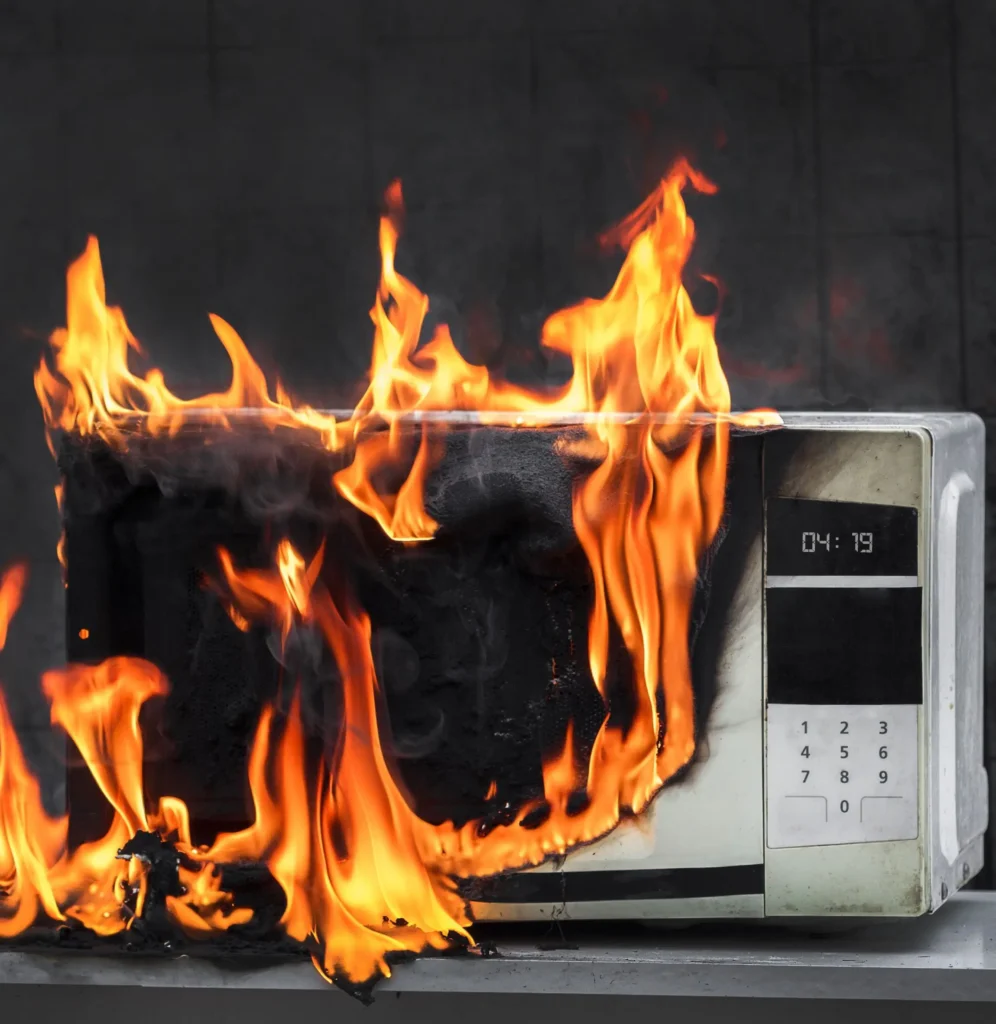
These are the places we should feel safest, yet defective appliances and electronics can ignite, explode, shock, or burn in seconds. If you or someone you love suffered a catastrophic injury (or a fatality) because a consumer product failed, our team investigates what happened and pursues accountability from the companies that designed, manufactured, imported, or sold it.
Talk to us if you’re dealing with:
- Severe burns, scarring, disfigurement
- Electrical shock/electrocution injuries
- Fires, smoke inhalation, carbon monoxide exposure
- Explosions, projectiles, shrapnel injuries
- Wrongful death after a product-related incident

How Much Is Your Case Worth?
Products We Are Investigating
Pressure cookers and multi-cookers
Pressure cookers can be life-changing until a lid failure or pressure-release defect turns boiling contents into a burn event. We pay close attention to lid-lock mechanisms, pressure indicators, venting systems, and whether the unit can be opened while pressurized.
Tabletop fire pits and “decorative” alcohol-burning fireplaces
These compact fire features can create flame jetting, flash fires, and pool fires, especially when liquid fuel is involved. Multiple tabletop fire products have been the subject of CPSC recalls and safety warnings.
Other high-risk consumer electronics & appliances
We also handle serious cases involving:
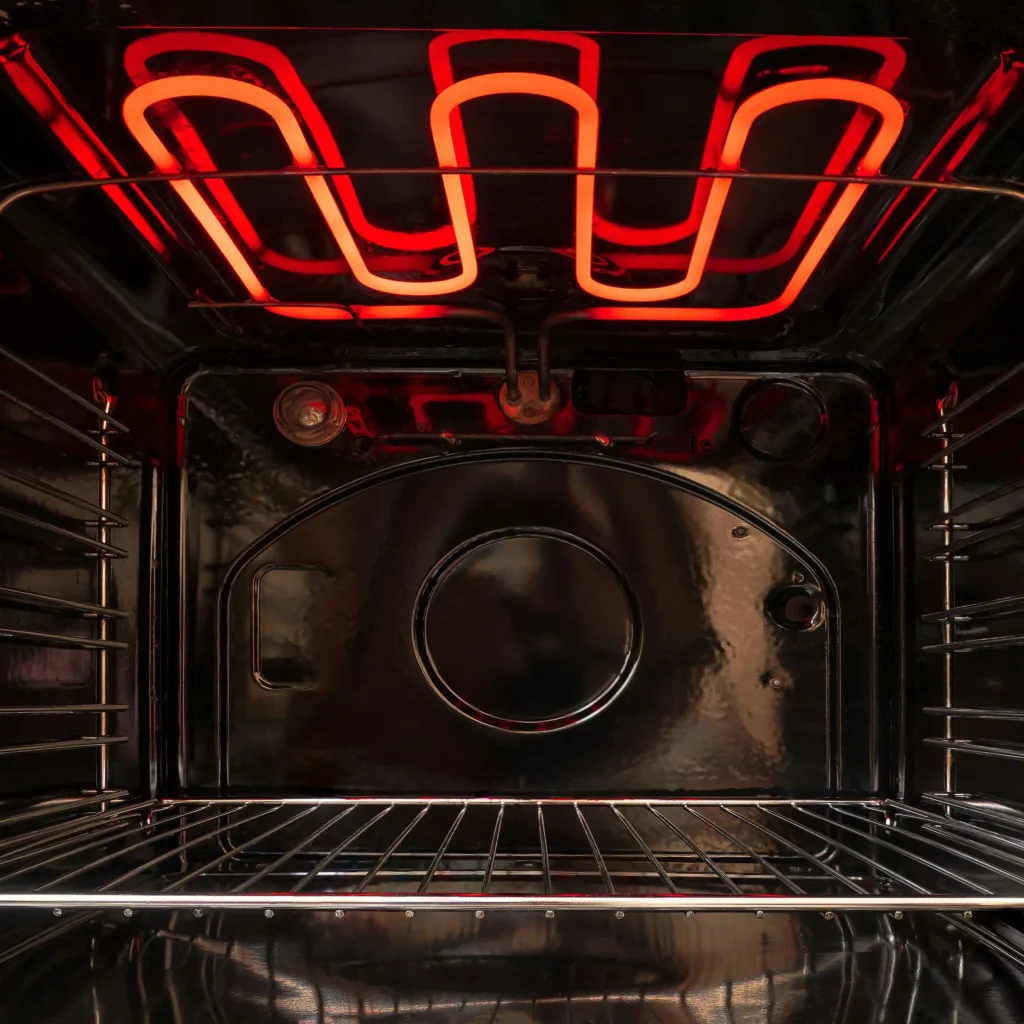
- Electric ranges (front knobs activated accidentally → unintended burner ignition/fire risk) — including major brand recalls.
- Countertop ovens (door/hinge failures leading to burn hazards).
- Space heaters (overheating, noncompliance with safety standards, fire risk).
- Hair dryers (shock/electrocution hazard where safety protections are missing).
- Power banks / lithium-ion devices (thermal runaway, overheating, ignition).
- Air fryers (overheating that can melt/shatter components → fire and injury risk).
A recall is not required to have a case
Many people assume, “If it wasn’t recalled, I’m out of luck.” That’s not how product liability works.
You may have a claim if:
- The product was dangerously designed, even if it “worked as intended”
- Manufacturing flaws made the unit unsafe (bad parts, weak seals, faulty wiring)
- Warnings/instructions were inadequate for foreseeable use
- A safer alternative design was feasible

What to do after an appliance or electronics injury
If you can do so safely:
- Get medical care first (burns and inhalation injuries can worsen fast).
- Preserve the product exactly as-is (don’t repair it; don’t throw it away).
- Save packaging, manuals, chargers, fuel containers, and purchase records.
- Photograph injuries, the scene, and any property damage.
- If there was a fire, request the fire report and keep insurer communications.
How we build these cases
Product cases are evidence cases. Our work often includes:
- Engineering-focused investigation of failure mode (electrical, thermal, mechanical)
- Chain-of-distribution analysis (manufacturer, importer, retailer, online marketplace)
- Recall and incident history review
- Expert consultation and testing when appropriate
- Damages documentation for lifetime medical needs, wage loss, and long-term care


You shouldn’t have to carry this alone
When a consumer product changes your life in an instant, you deserve a team that will do the hard work of uncovering what failed, why it failed, and who is responsible.
Call for a confidential case review. If we take your case, you’ll have a litigation team prepared to move quickly to preserve evidence and build the strongest story the facts allow.
Learn More
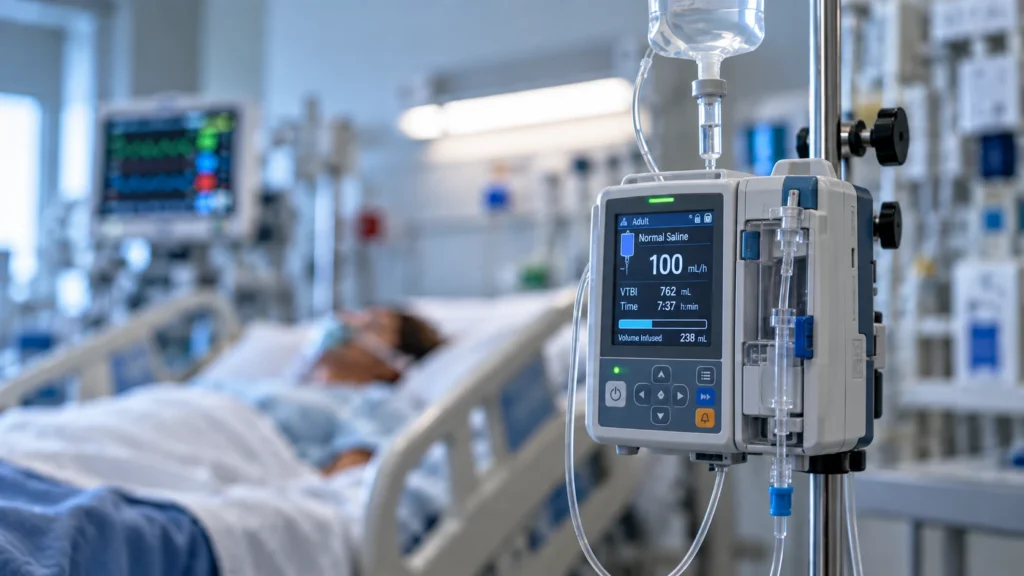
BD Alaris Infusion Set Recall: Over- and Under-Infusion Can Cause Catastrophic Injury
Patients receiving critical medications through BD Alaris pumps can face serious harm if an infusion set causes the system to deliver more or less than programmed. On October 5, 2026, the FDA updated a Class I recall involving approximately 94.2…

Surgical Stapler Failures: Internal Bleeding, Sepsis, and Wrongful Death
Patients can suffer life-threatening internal bleeding, leaks, infection, or sepsis when a surgical stapler fails to create a complete and secure staple line. These complications may require emergency surgery, prolonged hospitalization, or intensive care, and in the most serious cases…

Pacemaker and ICD Failures: When a Cardiac Device Fails
Patients who rely on a pacemaker or an implantable cardioverter-defibrillator are trusting that device to work. When a pacemaker fails to deliver needed electrical impulses or an ICD fails to detect a dangerous rhythm or deliver an effective shock, the…
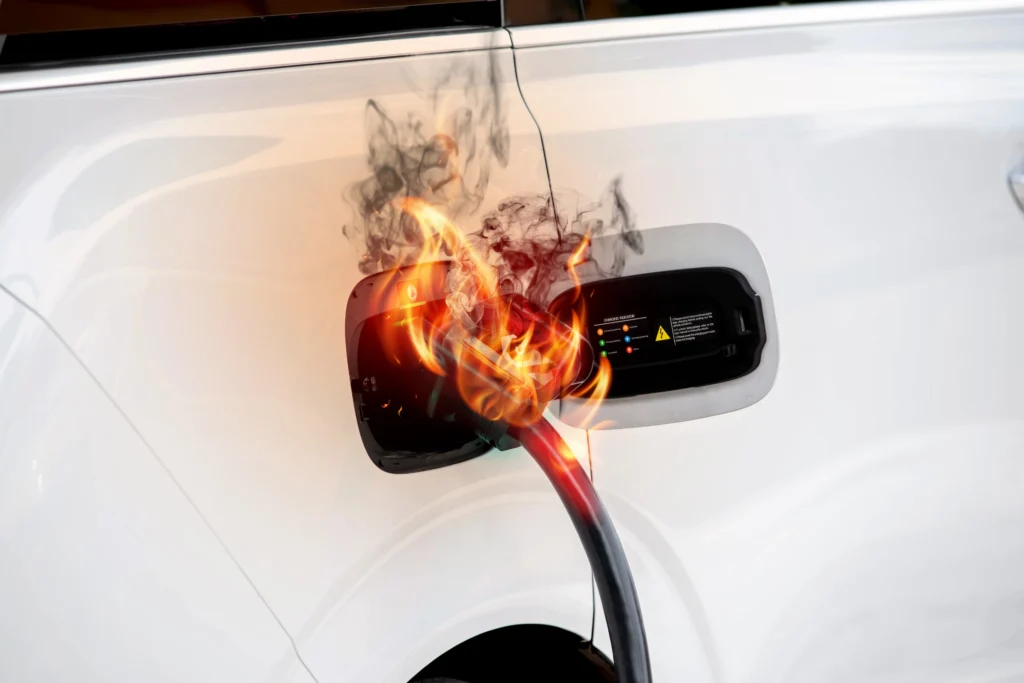
Electric Vehicle Defects: Battery Fires, Severe Burns, and Explosions
Drivers and passengers can suffer severe burns, smoke inhalation, catastrophic injuries, or death when an electric vehicle battery ignites. These fires can happen while a vehicle is charging, parked, operating normally, or damaged in a crash. They can spread rapidly,…
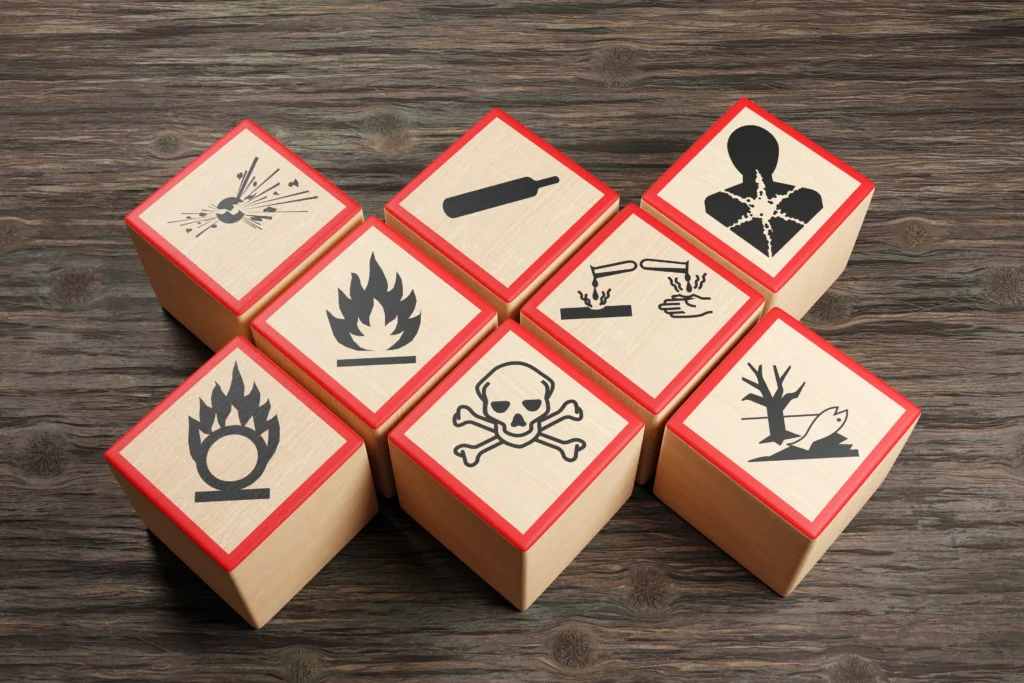
Toxic Exposure Claims: Identifying the Right Liability Theory
Toxic exposures can cause life-altering injuries. The source may be a defective product, an unsafe workplace, a leaking facility, a mislabeled container, or a chemical release that reaches homes, schools, or nearby businesses. The legal claim depends on where the…

Cerebrospinal Fluid Leaks Can Cause Serious Neurologic Injuries and Life-Threatening Infections
When a dural injury results in Cerebrospinal Fluid leak after an epidural injection, lumbar puncture, spinal cord stimulator insertion, spine procedure, or another intervention near the dura, the consequences can be debilitating and life-threatening. Patients may suffer severe migraines, brain…