

Injured on a jobsite? We hold every responsible party accountable.
Electricity, uncontrolled energy, and unguarded machines turn routine work into life‑changing emergencies. Arc flash can engulf a worker in heat and pressure in milliseconds; a machine can restart during service without warning; a missing guard can pull a hand into moving parts before anyone can react. These events aren’t “accidents” when basic safeguards are skipped, rushed, or designed poorly.
When a subcontractor cuts corners, when a site pushes speed over safety, or when a product is unsafe by design, people get hurt and families are left to pick up the pieces. If that happened to you or your family, we move quickly to protect you: preserve the scene and the equipment, secure witnesses and video, bring in the right experts, identify every responsible company, and pursue the full recovery the law allows.


How Much Is Your Case Worth?
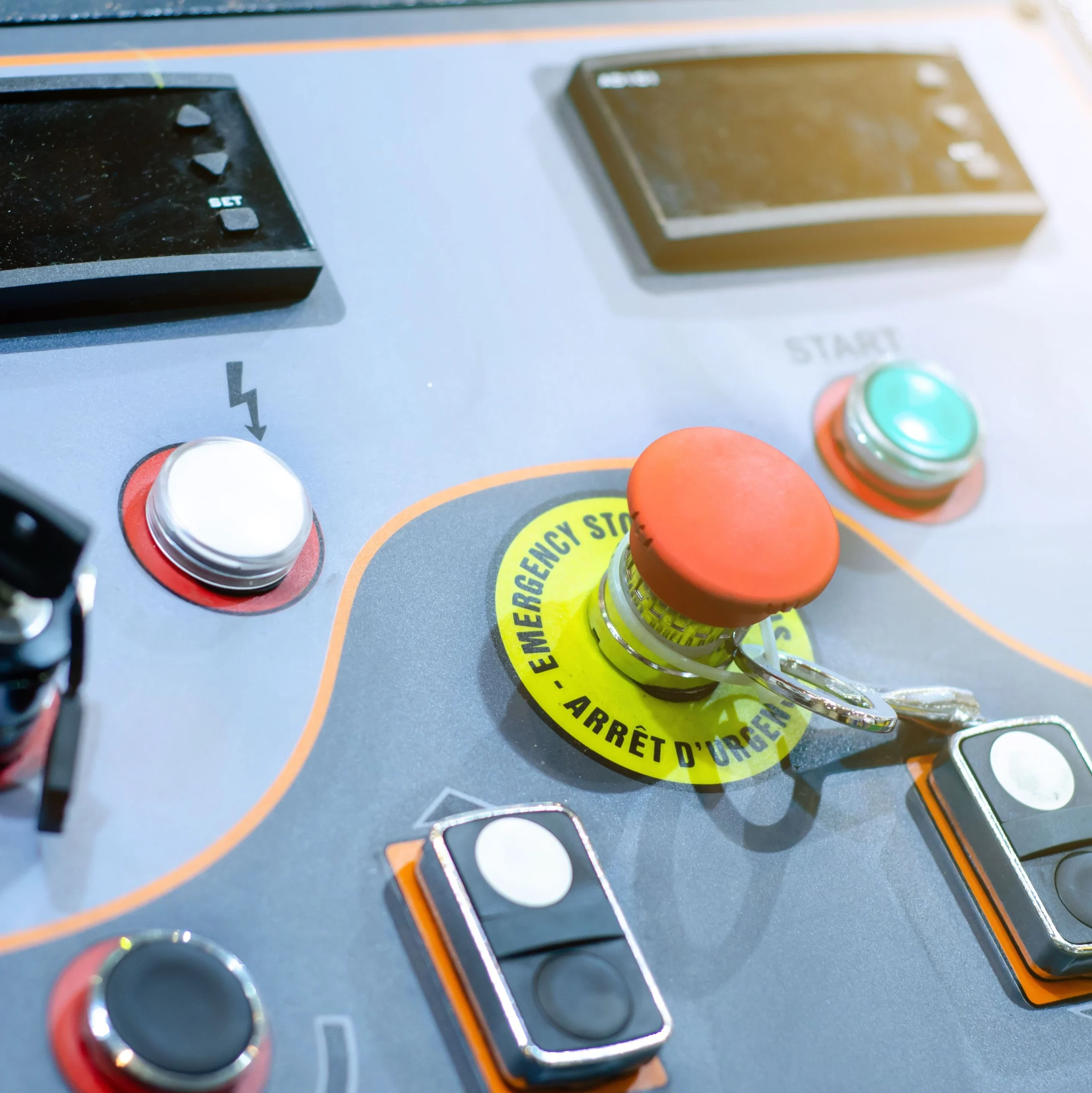
Why these incidents are so dangerous
Even routine tasks turn high‑risk when electricity, stored energy, and moving parts meet on a busy jobsite. If basic safeguards slip for a moment, the consequences can be catastrophic.
- High energy, zero margin: Arc flash, energized panels, and stored energy deliver catastrophic force in milliseconds.
- Foreseeable hazards ignored: Missing guards, defeated interlocks, and rushed lockout/tagout (LOTO) procedures are predictable—and preventable.
- Complex jobsites: Multiple trades, temp power, wet floors, tight spaces, and shifting schedules increase risk for both workers and bystanders.
Common accidents & injuries
These are the events we see most often—they happen in seconds and cause life‑changing harm.
- Electrocution & shock: live conductors, damaged cords, missing GFCIs, contact with energized equipment
- Arc flash/blast: panel work without de‑energizing, improper PPE, poor coordination between trades
- LOTO failures: unexpected start‑ups, stored energy releases (electrical, mechanical, hydraulic, pneumatic)
- Guarding failures: unguarded pinch points, removed guards, failed e‑stops or interlocks
Resulting harm often includes severe burns, amputations, crush injuries, spinal cord and brain injuries, and wrongful death.
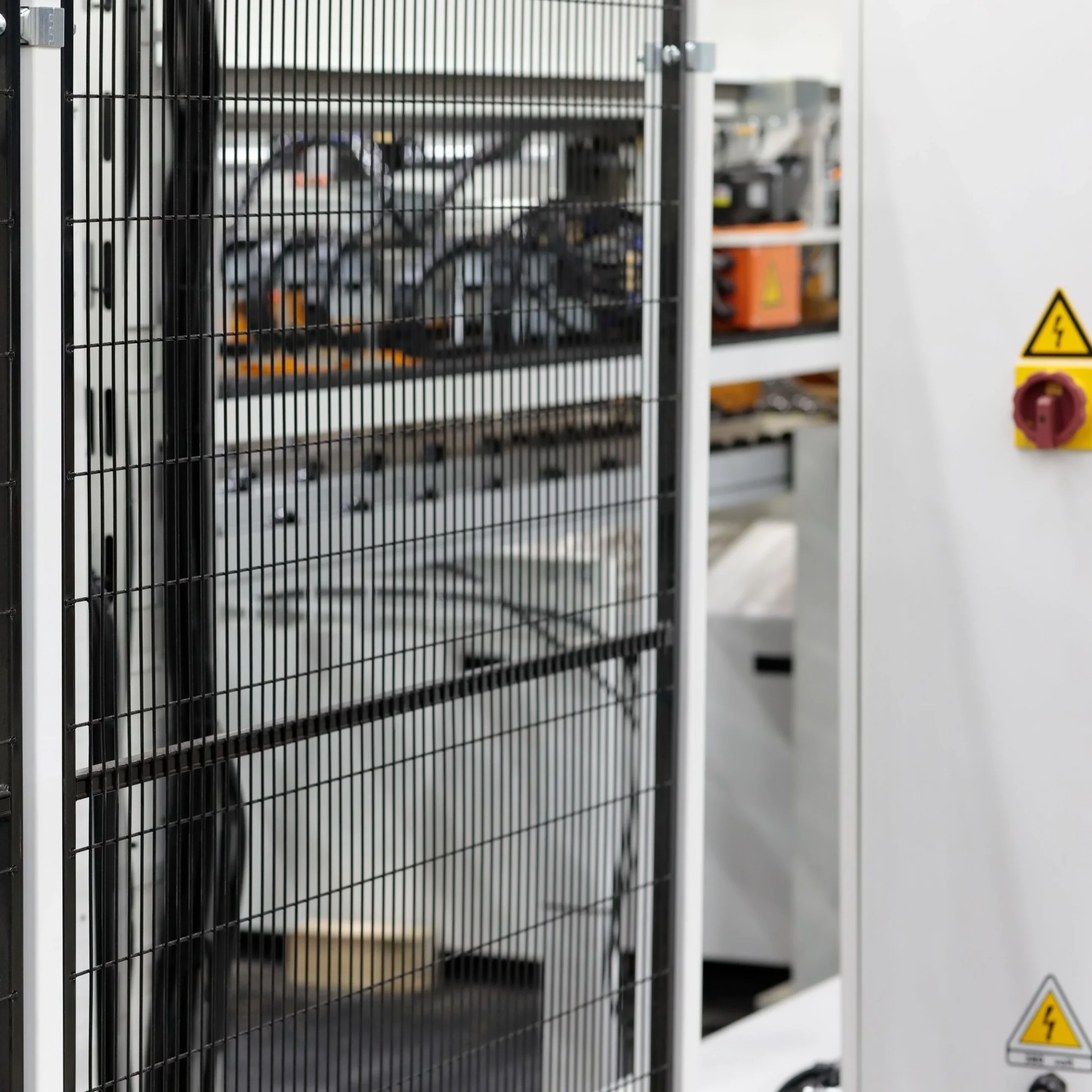
Common Product and Design Defects
We evaluate the machine or electrical system as sold and as used. If a safer, practical design was available or clear warnings and lockout points were missing that can support a product liability claim.
Missing or weak guarding
No barrier guards, light curtains, or two‑hand controls; guards that don’t fully cover pinch points or rotating parts.
Easy‑to‑defeat interlocks
Doors or covers that open too easily, magnets/tape used to bypass interlocks, or sensors that don’t actually stop motion.
Poor emergency stop design
E‑stops placed out of reach, blocked by other parts, not clearly marked, or failing to cut power fast enough.
Unsafe control placement
Start/stop buttons within the hazard zone; foot pedals that can be triggered by debris; controls that look alike with opposite effects.
Confusing or missing warnings/instructions
No clear LOTO steps, no residual‑energy release procedures, small or faded labels, manuals that skip real‑world use.
Electrical protection gaps
No GFCI where required; inadequate insulation; poor grounding/bonding; components not rated for wet or dusty areas.
Arc flash risk not addressed
Panels without proper labeling or safe clearances; equipment that encourages energized work instead of de‑energizing.
Maintenance‑dependent safety
Designs that rely on perfect upkeep rather than built‑in fail‑safes; safety parts that are easy to remove and hard to re‑install correctly.
Hard‑to‑lock‑out equipment
No dedicated lock points; hidden energy sources (hydraulic/pneumatic/spring/capacitor); locks can be applied in the wrong place.
No “fail‑safe” behavior
Systems that default to motion or power when a sensor fails, a guard opens, or power is restored after an outage.
Poor visibility & access
Operators can’t see danger zones; guards block sight lines without providing inspection windows; cramped panels encourage shortcuts.
Inadequate environmental ratings
Enclosures not sealed for water/dust; components overheat; corrosion leads to exposed conductors and shorts.

Know Your Rights
Workers have the right to a workplace free from known hazards. Basic safeguards should be in place: de‑energize and verify zero energy before work, provide arc‑rated PPE, guard moving parts, post clear procedures, and train in a language workers understand. When companies ignore these rules or when a manufacturer sells unsafe equipment, you can hold them accountable.
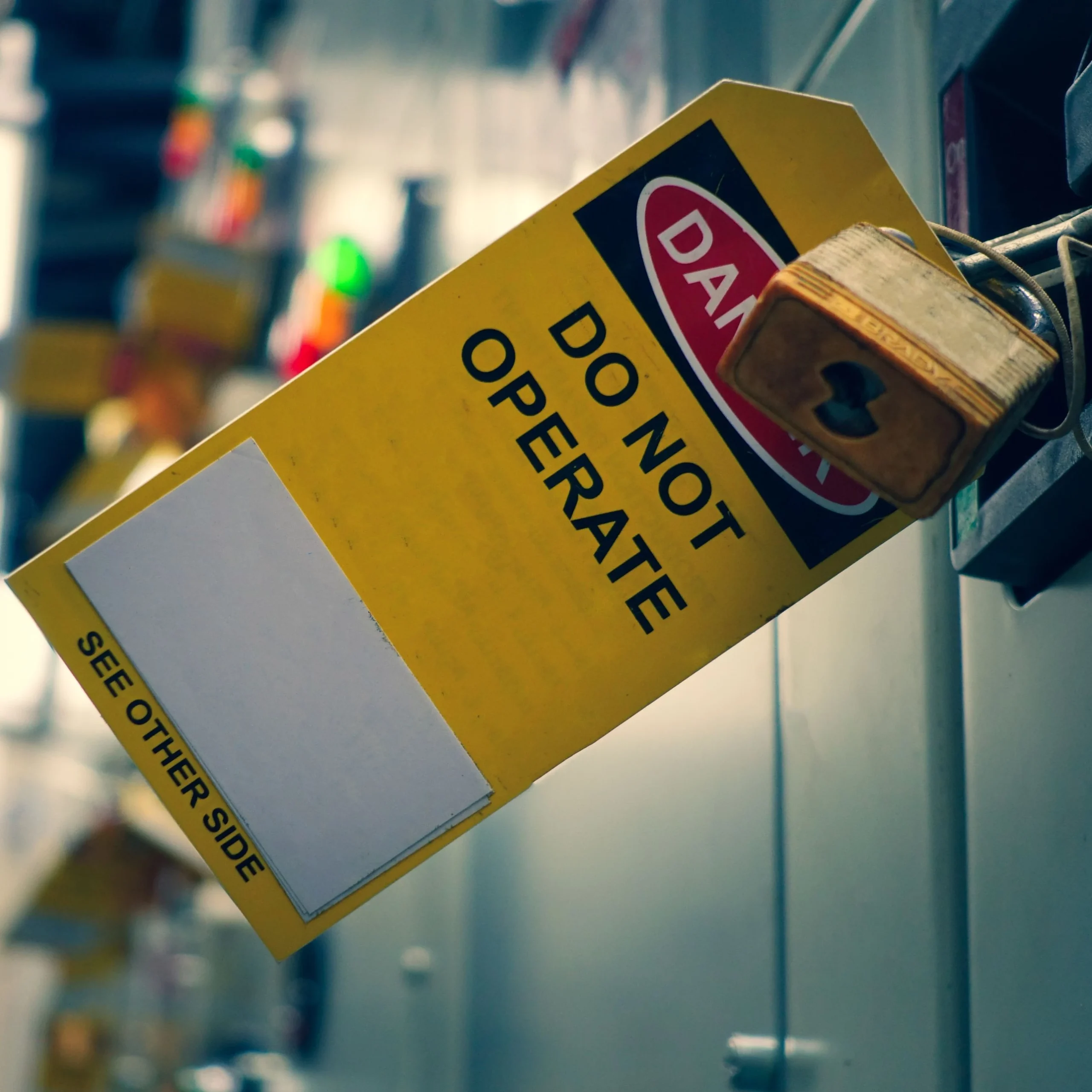
Lockout/Tagout (LOTO): Added Risks
Service and maintenance are high‑risk moments. We often see:
- One crew locks out, another re‑energizes without notice
- Shared keys or tags; no clear “authorized person”
- Stored energy not released (capacitors, springs, hydraulics, air)
- Contractors working under a host’s weak or outdated procedure
These failures are preventable with disciplined verification, coordination between trades, and equipment designed to resist foreseeable misuse.
Learn More

Warehouse Crush Injuries: Severe Limb Damage and Amputations
A warehouse crush injury happens when a forklift, machine, trailer, collapsing load, or other heavy equipment traps an arm, leg, hand, or foot; the resulting force can destroy bone, muscle, blood vessels, nerves, and skin. What begins as a workplace…

Traumatic Brain Injuries (TBI), Paralysis, and Wrongful Death Caused by Warehouse Falls
Warehouse workers have suffered permanent brain damage, paralysis, or death within seconds of a fall from a storage rack, mezzanine, ladder, loading dock, or raised pallet. A worker may strike a concrete floor, shelving, machinery, or stored materials with enough…

Toxic Exposure Claims: Identifying the Right Liability Theory
Toxic exposures can cause life-altering injuries. The source may be a defective product, an unsafe workplace, a leaking facility, a mislabeled container, or a chemical release that reaches homes, schools, or nearby businesses. The legal claim depends on where the…
FELA vs. Worker’s Comp: What Qualifies as an FELA Claim?
One of the most important questions in a railroad injury case is whether the claim belongs under a state’s workers’ compensation law or the Federal Employers’ Liability Act (FELA). he answer to this question can have a dramatic impact on…
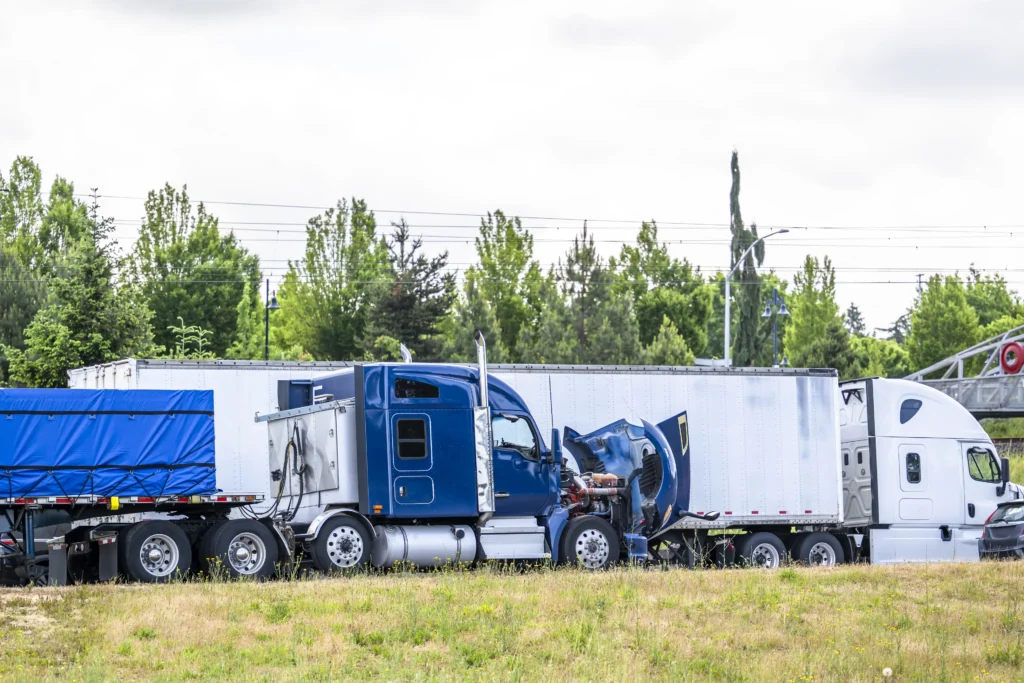
Corporate Negligence in Trucking: When Company Decisions Cause Safety Issues
Families traveling on the highway may not realize that the commercial trucks driving beside them are not always operated by safe or even easily identifiable companies. Often, that only becomes clear after a serious crash, when victims and their families…

Two Construction Workers Killed in Route 30 Work Zone Crash in Chester County
Two construction workers were killed while setting up a traffic pattern on Route 30 in Chester County, according to Pennsylvania State Police. The fatal crash reportedly involved a tractor-trailer and multiple vehicles in an active construction zone. What happened in…