

When a Rideshare Trip Leads to Serious Harm
Rideshare accidents can leave injured people facing pain, bills, and companies pointing fingers. These collisions can cause broken bones, brain injuries, spinal injuries, internal trauma, permanent disability, and death. Insurance disputes, corporate policies, driver status questions, and documented safety concerns have kept rideshare crashes in public focus. If you or your family were harmed in a rideshare accident, the central question is whether a careless driver, unsafe company practice, or insurance failure played a role.

How Much Is Your Case Worth?
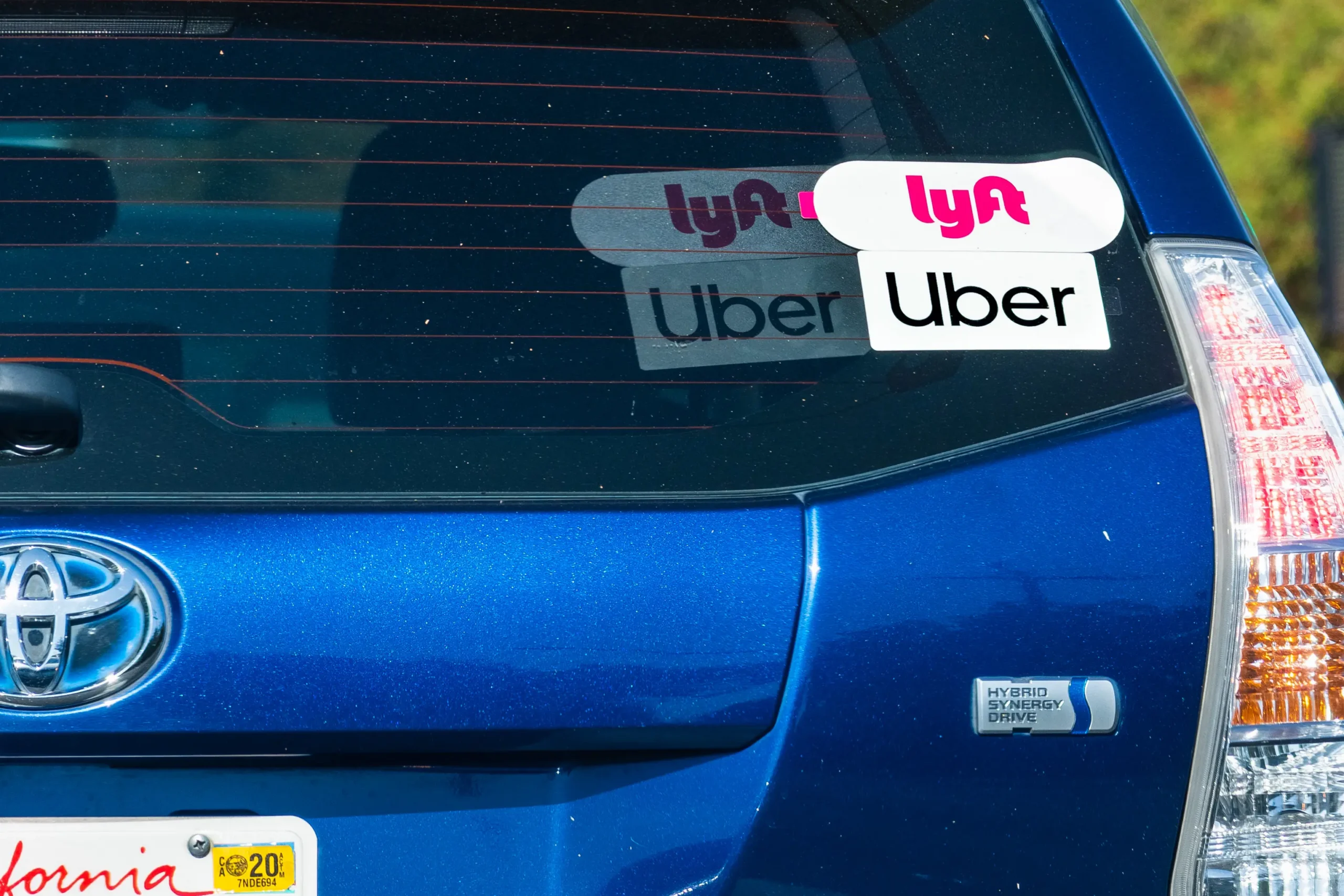
Why Rideshare Accident Claims Are Different
Uber and Lyft accident claims are not always handled like ordinary car accident cases. A crash may involve the rideshare driver, another motorist, the rideshare company’s insurance policies, the driver’s personal insurance, commercial coverage, uninsured or underinsured motorist coverage, and other responsible parties.
The most important issue is often what the rideshare driver was doing at the time of the crash. Insurance coverage can shift depending on whether the driver was offline, waiting for a ride request, traveling to pick up a passenger, or actively transporting a passenger. These status questions can lead to delays, denials, and finger-pointing between insurers.
McEldrew Purtell investigates rideshare accidents with the goal of identifying every available source of recovery. Victims should not be left without answers because a corporation, driver, or insurance company disputes responsibility.
Who Can Be Injured in a Rideshare Crash?
Rideshare accidents can harm many people, not only passengers. A claim may involve:
Rideshare Passengers
Passengers may be injured when an Uber or Lyft driver speeds, runs a red light, drives distracted, follows too closely, or fails to yield. Passengers usually have little control over the circumstances of the crash, but they may face complicated insurance questions afterward.
Other Drivers and Vehicle Occupants
A rideshare driver can injure people in another vehicle. These cases often require a close look at whether the driver was logged into the app and whether a ride had been accepted.
Pedestrians and Cyclists
Pedestrians and cyclists may suffer severe injuries when rideshare drivers stop suddenly, make unsafe turns, block bike lanes, fail to yield in crosswalks, or become distracted by app navigation.
Common Causes of Uber and Lyft Accidents
Rideshare crashes often involve the same dangerous driving behaviors seen in other motor vehicle collisions. The rideshare setting can add extra risks because drivers often depend on phones, GPS directions, passenger requests, and app-based notifications while navigating traffic.
Common causes include:
- Distracted driving
- Speeding
- Fatigued driving
- Unsafe pickups or drop-offs
- Sudden stops
- Failure to yield
- Running red lights or stop signs
- Following too closely
- Unsafe lane changes
- Impaired driving
- Poor vehicle maintenance
- Inadequate screening or unsafe driver conduct
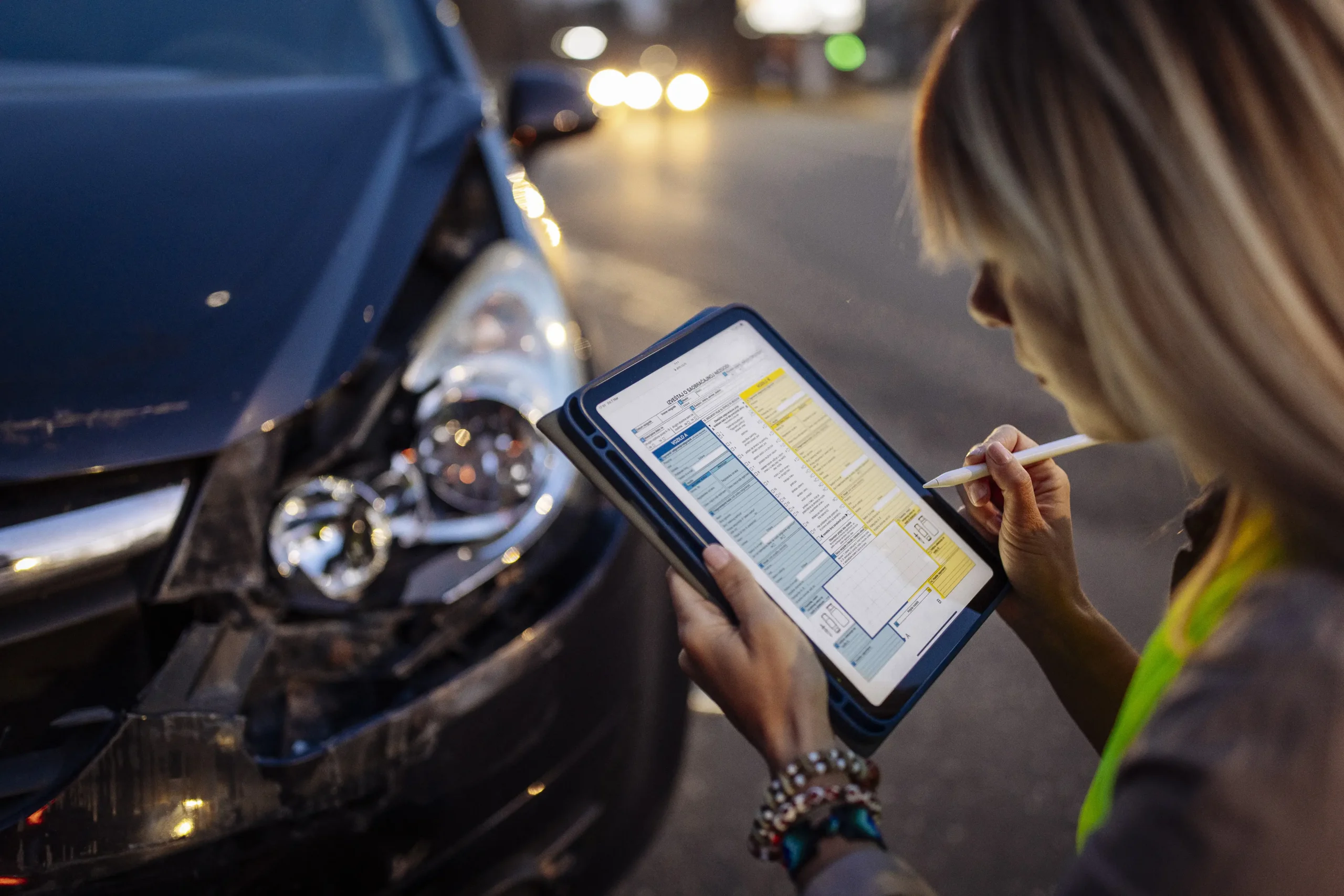
A rideshare accident investigation should not stop with the police report. App records, trip data, vehicle damage, witness statements, dash camera footage, medical records, and insurance documents may all help explain what happened.
Why Insurance Coverage Can Become Complicated
Rideshare companies often treat drivers as independent contractors, and that structure can make injury claims harder to resolve. After a crash, different insurers may argue over who must pay. A personal auto insurer may deny coverage because the driver was using the vehicle for rideshare work. A rideshare insurer may dispute the driver’s app status. Another driver’s insurer may try to shift blame.
Coverage often depends on facts such as:
- Whether the rideshare driver was logged into the app
- Whether the driver had accepted a ride
- Whether the passenger was already in the vehicle
- Whether the crash happened during pickup or drop-off
- Whether another driver caused or contributed to the crash
- Whether the injured person was a passenger, pedestrian, cyclist, or occupant of another vehicle
- Whether uninsured or underinsured motorist coverage applies
These questions matter because serious injuries can create large medical bills, lost income, future care needs, and long-term financial pressure. A prompt investigation can help preserve evidence before digital records, vehicle data, or witness memories become harder to obtain.
Injuries Caused by Rideshare Accidents
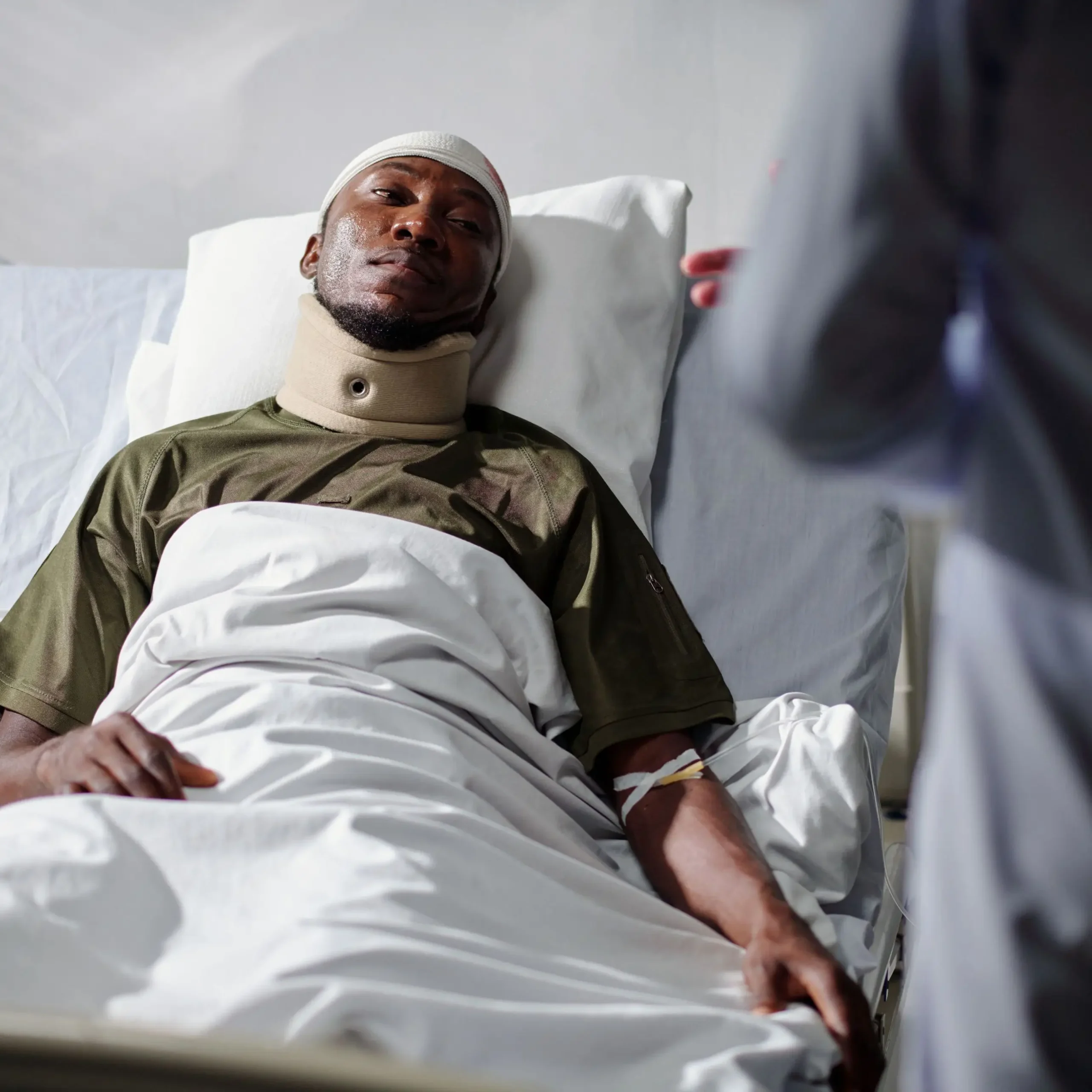
Rideshare collisions can cause life-changing injuries, especially when a crash involves high speeds, pedestrians, cyclists, motorcycles, or multiple vehicles. Injuries may include:
- Traumatic brain injuries
- Spinal cord injuries
- Broken bones
- Internal injuries
- Burn injuries
- Nerve damage
- Fatal injuries
Some injuries are immediately obvious. Others become clearer only after medical evaluation, imaging, follow-up care, or worsening symptoms. Anyone injured in a rideshare crash should seek medical attention and keep records of diagnoses, treatment, missed work, and ongoing limitations.

When a Legal Claim May Be Investigated
A rideshare accident claim may be investigated when someone suffers harm because of negligence, unsafe driving, inadequate vehicle maintenance, corporate safety failures, or disputed insurance responsibility. Depending on the facts, responsible parties may include the rideshare driver, another driver, a vehicle owner, a rideshare company, an insurance carrier, a vehicle manufacturer, or another entity.
A legal investigation may focus on whether:
- The driver was distracted by the rideshare app or GPS
- The driver was speeding or driving aggressively
- The driver accepted rides while fatigued
- The vehicle had maintenance or safety problems
- The pickup or drop-off location created unnecessary danger
- The rideshare company failed to address known safety concerns
- An insurer wrongfully denied or delayed coverage
- More than one party contributed to the crash
Every rideshare crash depends on its own facts. The strength of a claim can depend on evidence, medical records, insurance coverage, state law, and the timing of the investigation.
Evidence That May Matter in a Rideshare Accident Case
Evidence can disappear quickly after a crash. Rideshare cases often involve digital information that may not appear in an ordinary accident report. Preserving that evidence can be critical.
Important evidence may include:
- The rideshare trip record
- Driver app status at the time of the crash
- Pickup and drop-off information
- GPS and route data
- Police reports
- Photos and videos from the scene
- Vehicle damage evidence
- Witness statements
- Dash camera or surveillance footage
- Cell phone records, when legally available
- Medical records
- Employment and wage loss records
- Insurance correspondence
- Prior safety complaints or driver history, when relevant and obtainable
McEldrew Purtell reviews the available evidence and works to identify the parties and insurance policies that may apply.


What To Do After an Uber or Lyft Accident
After a rideshare accident, your health and safety come first. Call emergency services if anyone is hurt, seek medical care, and report the crash to law enforcement. Document what you can without putting yourself at risk.
Helpful steps include:
- Take screenshots of the ride details in the app
- Save the driver’s name and vehicle information
- Photograph the vehicles, road conditions, and visible injuries
- Get names and contact information for witnesses
- Keep all medical records and bills
- Report the crash through the rideshare app
- Avoid giving recorded statements without understanding your rights
- Do not rely on an insurance company to identify every available policy
These steps do not replace legal advice. They can help protect important information while you decide what to do next.
Talk to McEldrew Purtell About a Rideshare Accident
If you or someone you love was injured in an Uber, Lyft, or other rideshare accident, you deserve clear answers about what happened and who may be responsible. McEldrew Purtell investigates rideshare crashes, insurance disputes, serious injuries, and wrongful death claims involving app-based transportation.
Contact McEldrew Purtell for a free consultation. We can review the facts, discuss the insurance issues, and help you understand your options.
Learn More
Toxic Chemical Exposure After Train, Truck, and Warehouse Spills
A train derailment, tanker truck crash, or warehouse spill can release hazardous chemicals into the air or across a worksite within seconds. Workers, drivers, emergency responders, nearby residents, and others may be exposed by breathing in contaminated air, getting chemicals…

Faulty Kitchen Appliances Can Cause Fires, Burns, and Wrongful Death
Families can suffer serious burns, smoke inhalation, and catastrophic fire damage from a kitchen appliance that was supposed to be safe on the counter, under the cabinet, or inside the home. Air fryers, dishwashers, microwaves, toasters, ranges, and other appliances…
Infant Killed in Frankford Ambulance Crash as DUI Allegations Raise Serious Questions
A heartbreaking crash in Philadelphia’s Frankford section is drawing urgent attention to the standards that should govern emergency and medical transport vehicles. According to 6abc, a 2-month-old infant, identified as Marian Harris, died after a private ambulance crashed around 5:15…
McEldrew Purtell Retained by Family of Oneil D. Fletcher Following Fatal Upper Macungie Township Crash
McEldrew Purtell has been retained by the family of Oneil D. Fletcher, the 27-year-old Carbon County man who died following a head-on crash on February 19, 2026, in Upper Macungie Township, Pennsylvania. According to published reports and statements attributed to…
Is the Trucking Company Responsible for Your Injuries?
Trucking accidents can be devastating, leading to catastrophic injuries, fatality and life-altering consequences for those involved. If you’ve been injured in a trucking accident, it’s crucial to understand when the trucking company may be held liable for your injuries. The best…
4 Steps To Take After an Uber Car Accident
Involvement in any motor vehicle wreck is unnerving, but if you’ve been in an Uber rideshare accident, you probably have additional questions about what you should do in the event of a rideshare accident. Uber car accident insurance coverage will…