

When Toxic Exposure Becomes a Community Crisis
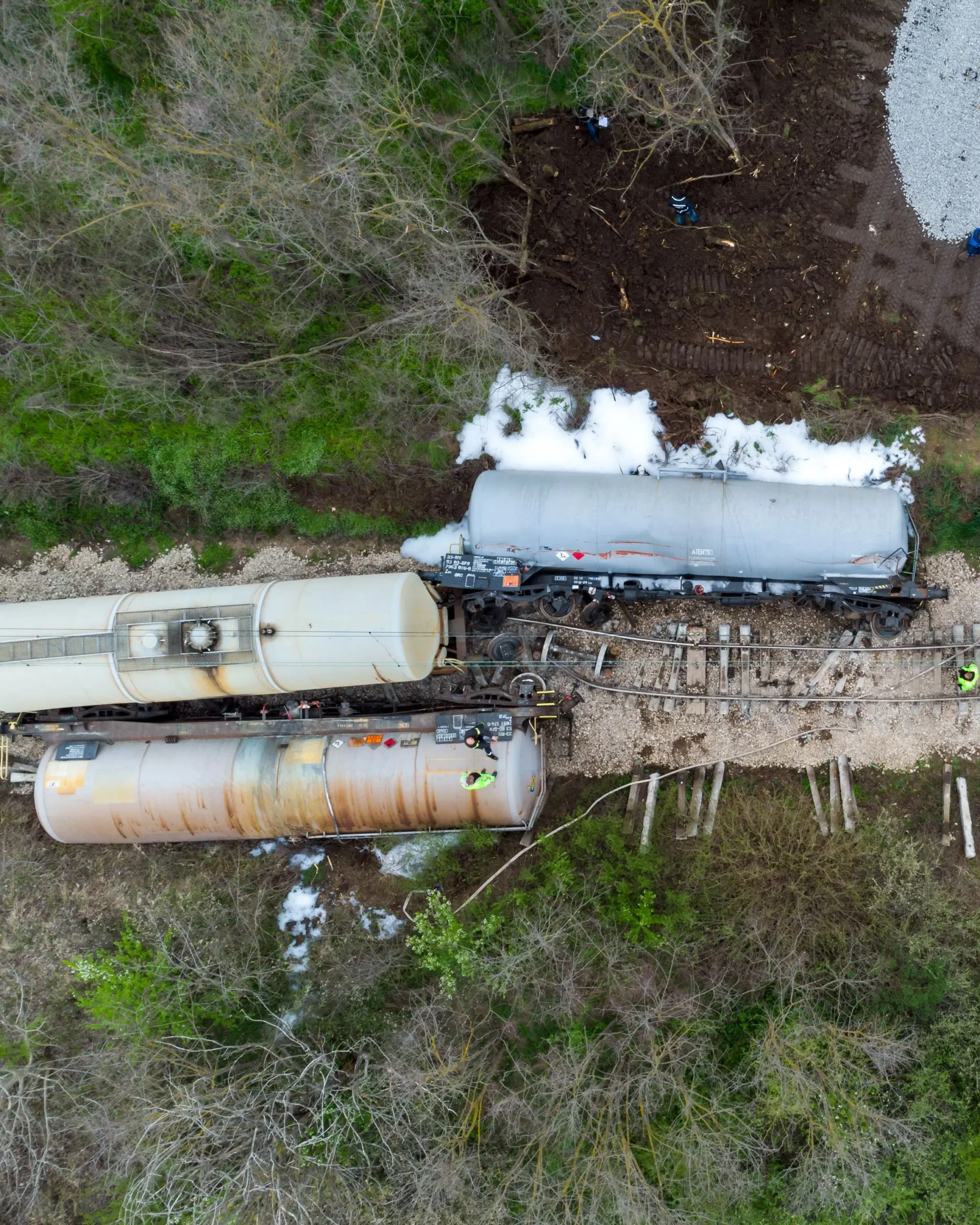
Rail derailments, industrial plant failures, pipeline leaks, and chemical fires can release massive quantities of toxic substances into neighborhoods, waterways, schools, and workplaces. When these releases occur, the exposure is rarely limited it spreads through air, soil, and water, affecting entire communities at once.
For those exposed, the consequences can be immediate and devastating, or delayed and just as deadly. Catastrophic injuries, life-altering illnesses, and wrongful death are not rare outcomes they are known risks when hazardous materials are mishandled, transported recklessly, or allowed to escape containment.
These cases are not accidents without cause. They are toxic torts and they demand accountability.

How Much Is Your Case Worth?
How Rail & Industrial Releases Harm Communities
Industrial disasters often involve substances that were never meant to be released into the public environment. When they are, exposure pathways multiply quickly:
- Airborne releases following explosions, fires, or derailments
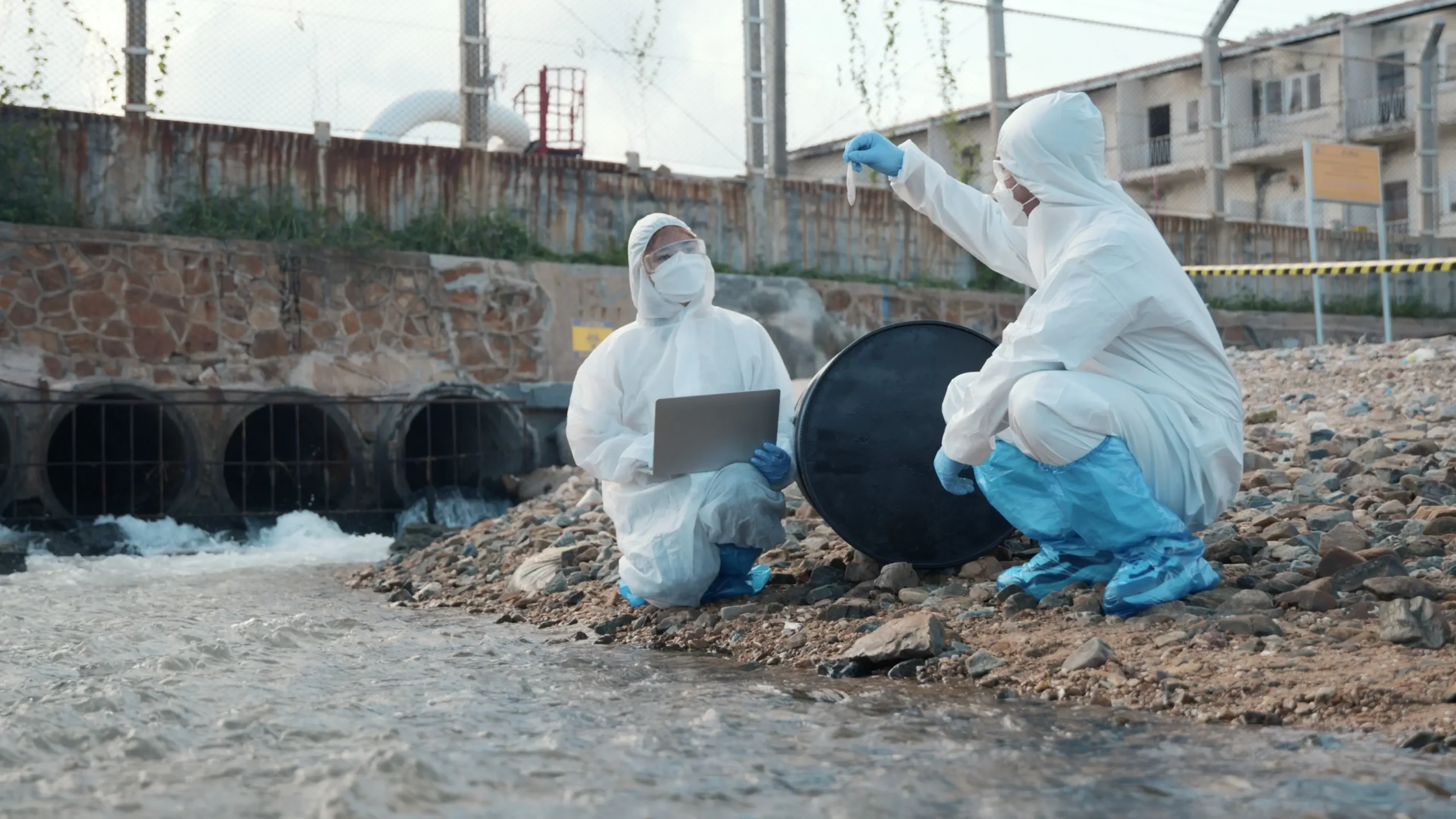
- Soil and groundwater contamination from spills, leaks, or runoff
- Surface water contamination affecting drinking supplies and ecosystems
- Indoor infiltration of toxic vapors into homes, schools, and businesses
Communities may be evacuated, livelihoods disrupted, and health permanently compromised, all because safety systems failed or warnings were ignored.
Acute and Long-Term Health Consequences
Exposure following a rail or industrial release can cause both immediate trauma and delayed disease.
Acute injuries may include:
Chronic and delayed conditions may include:
- Cancer linked to toxic exposure
- Progressive lung disease
- Neurological disorders
- Reproductive harm
- Immune system damage
These Events Are Rarely “Unavoidable”
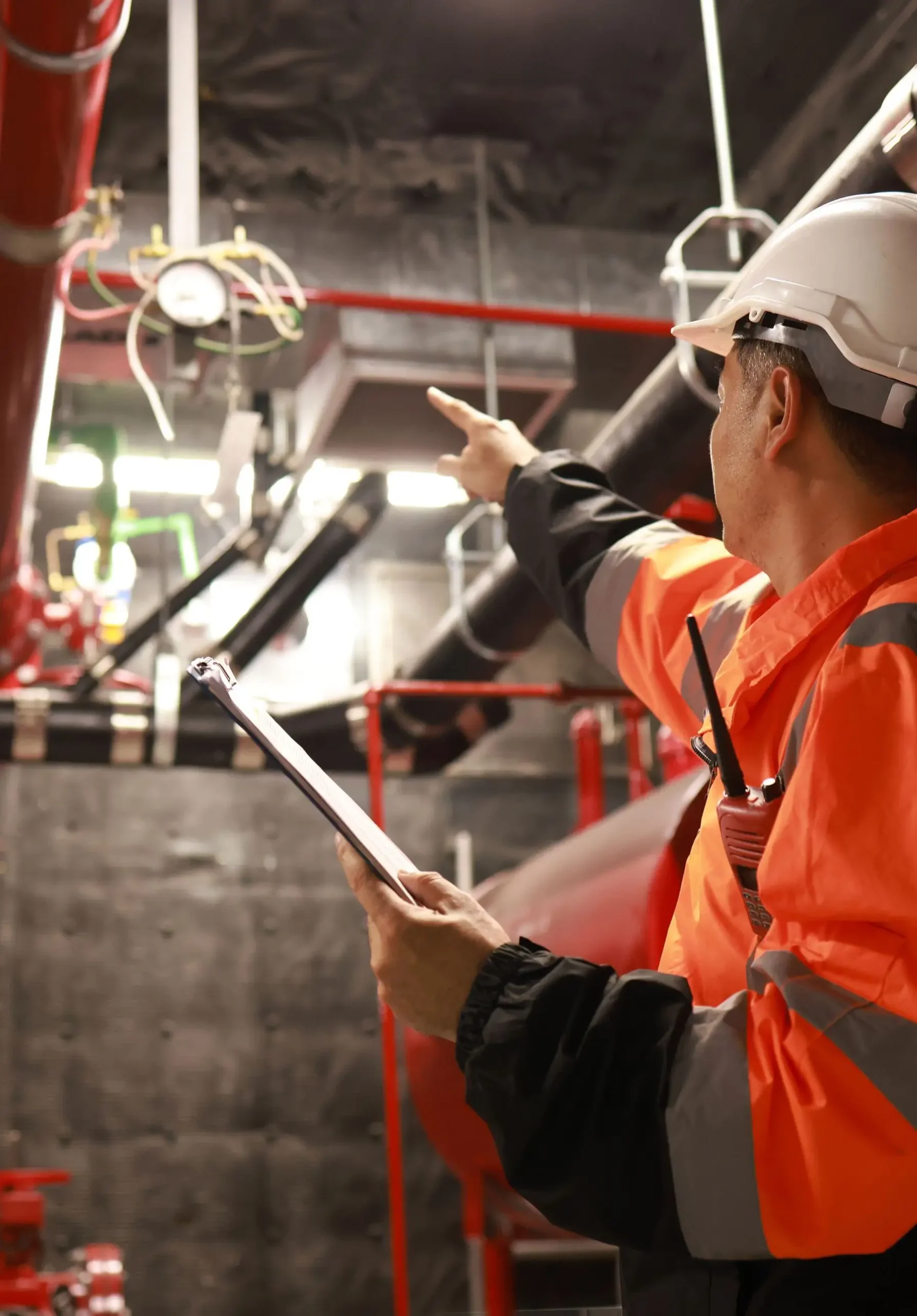
Rail carriers, pipeline operators, chemical manufacturers, and industrial facilities are subject to strict safety standards for a reason. When a derailment, explosion, or release occurs, it is often tied to:
- Failure to inspect or maintain equipment
- Unsafe transportation of hazardous materials
- Inadequate containment or storage systems
- Ignored warning signs or prior violations
- Cost-cutting decisions that placed profits above public safety
Toxic tort litigation focuses on whether the harm was preventable and whether responsible parties should be held financially and legally accountable for the damage they caused.

Types of Claims We Investigate
McEldrew Purtell handles rail and industrial disaster cases as high-stakes toxic tort matters, including claims for:
- Catastrophic personal injury
- Wrongful death
- Medical monitoring for exposed individuals
- Environmental contamination affecting communities
These cases require technical investigation, expert analysis, and the ability to confront well-funded defendants. We build claims grounded in evidence, science, and the real human cost of industrial failure.
A Community-Focused Approach to Accountability
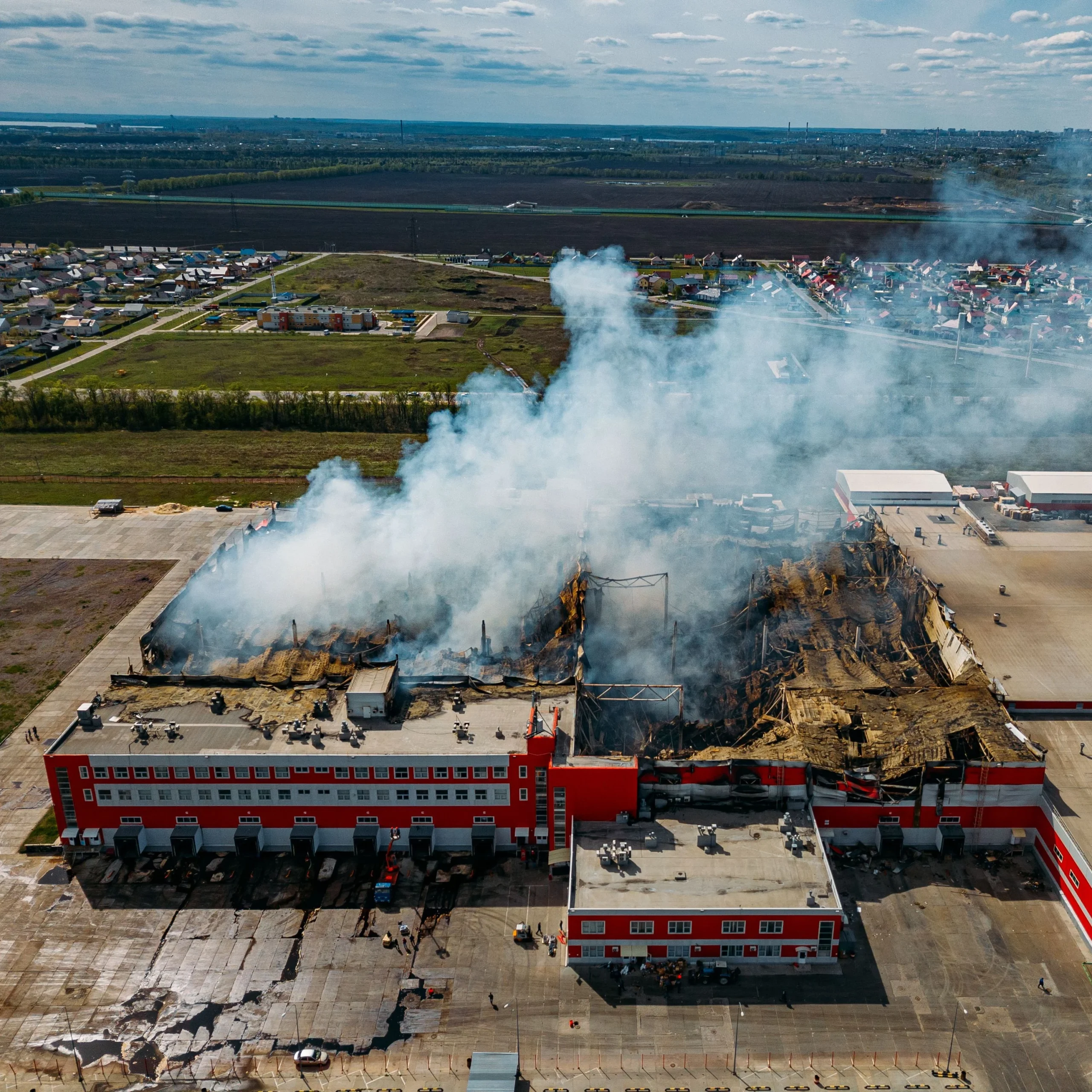
When an industrial disaster impacts a neighborhood or region, the harm is not isolated. Entire communities may suffer health risks, displacement, and uncertainty about the future.
Our approach recognizes that these cases are about more than individual injuries; they are about restoring safety, demanding transparency, and forcing change when preventable disasters devastate lives.

When Toxic Exposure Takes Everything, Accountability Should Follow
If you or a loved one suffered serious injury, illness, or loss following a rail derailment, industrial spill, pipeline leak, or chemical fire, you may have legal options.
McEldrew Purtell investigates toxic exposure cases nationwide, representing families facing catastrophic injury and wrongful death. We are prepared to examine what went wrong and who should be held responsible.
Contact us to discuss your situation and learn whether a toxic tort claim may apply.
Learn More
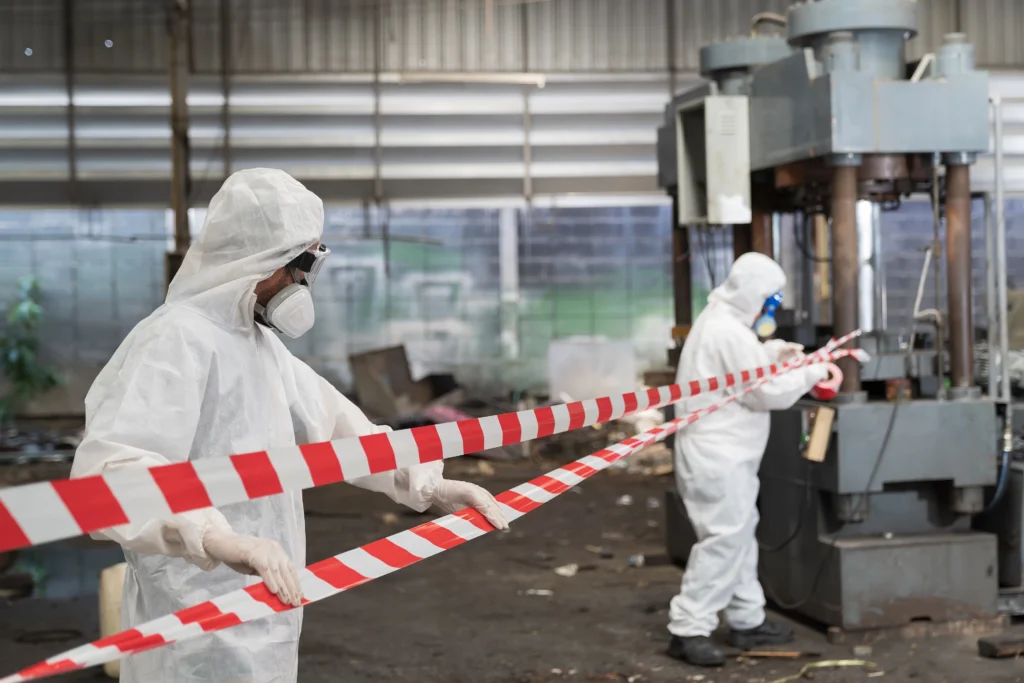
Toxic Chemical Exposure After Train, Truck, and Warehouse Spills
A train derailment, tanker truck crash, or warehouse spill can release hazardous chemicals into the air or across a worksite within seconds. Workers, drivers, emergency responders, nearby residents, and others may be exposed by breathing in contaminated air, getting chemicals…
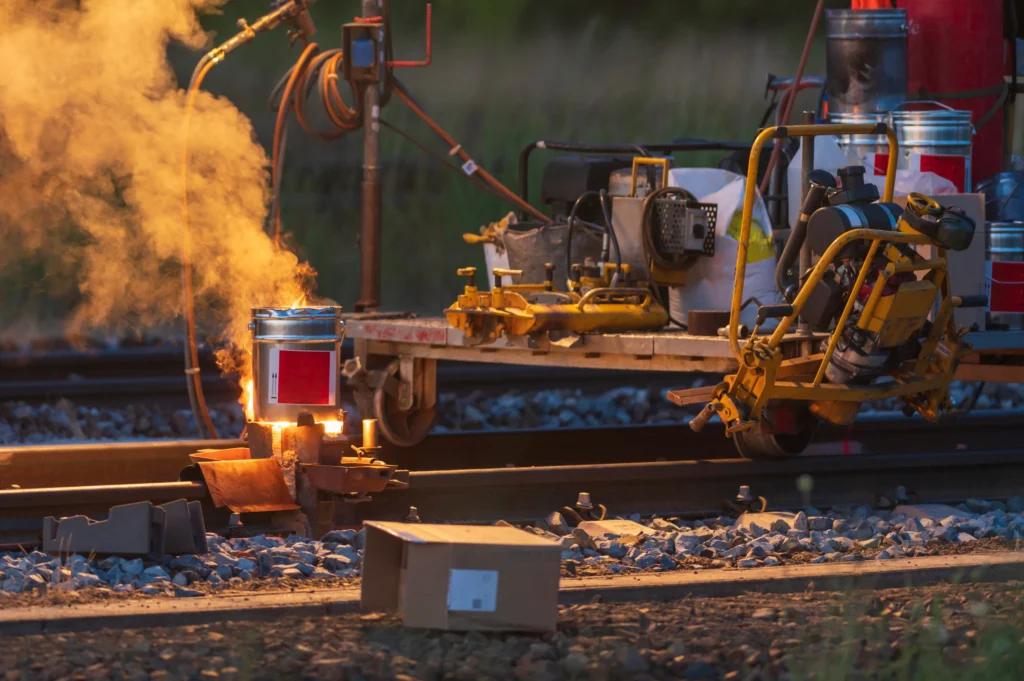
Railroad Toxic Exposure Claims: Cancer, Lung Disease, and Proving Workplace Causation
Railroad workers face dangers that extend far beyond traumatic injuries and derailments. For decades, railroad employees have been exposed to toxic substances capable of causing serious illnesses, including cancer, chronic lung disease, and other life-altering medical conditions. Under the Federal…

Toxic Exposure Claims: Identifying the Right Liability Theory
Toxic exposures can cause life-altering injuries. The source may be a defective product, an unsafe workplace, a leaking facility, a mislabeled container, or a chemical release that reaches homes, schools, or nearby businesses. The legal claim depends on where the…
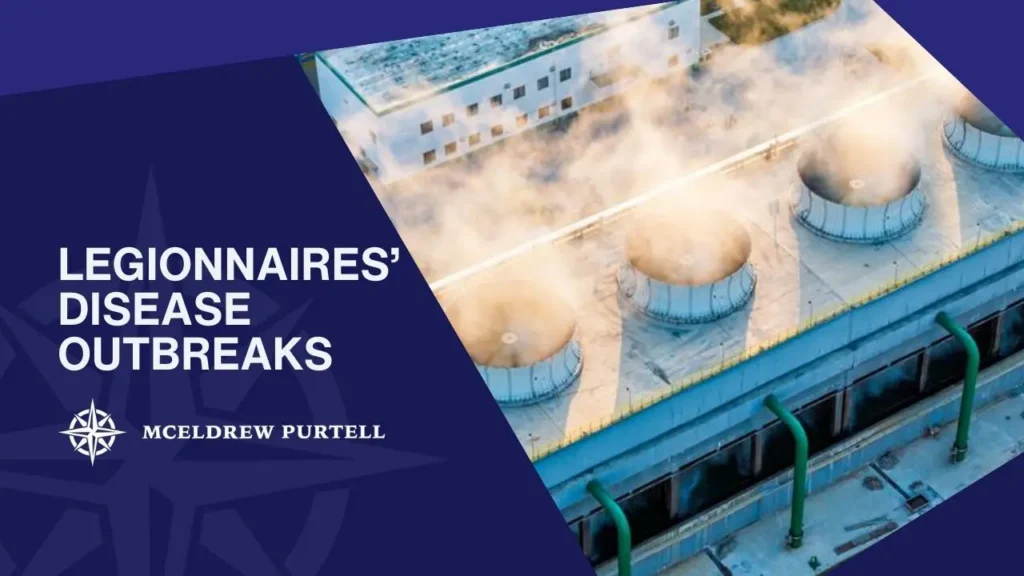
Growing New York City Legionnaires’ Disease Outbreak Raises Questions About Preventable Cooling Tower Failures
A growing Legionnaires’ disease outbreak on New York City’s Upper East Side has sickened at least 56 people, sending dozens to the hospital and triggering one of the city’s largest public health investigations of the year. Health officials are racing…
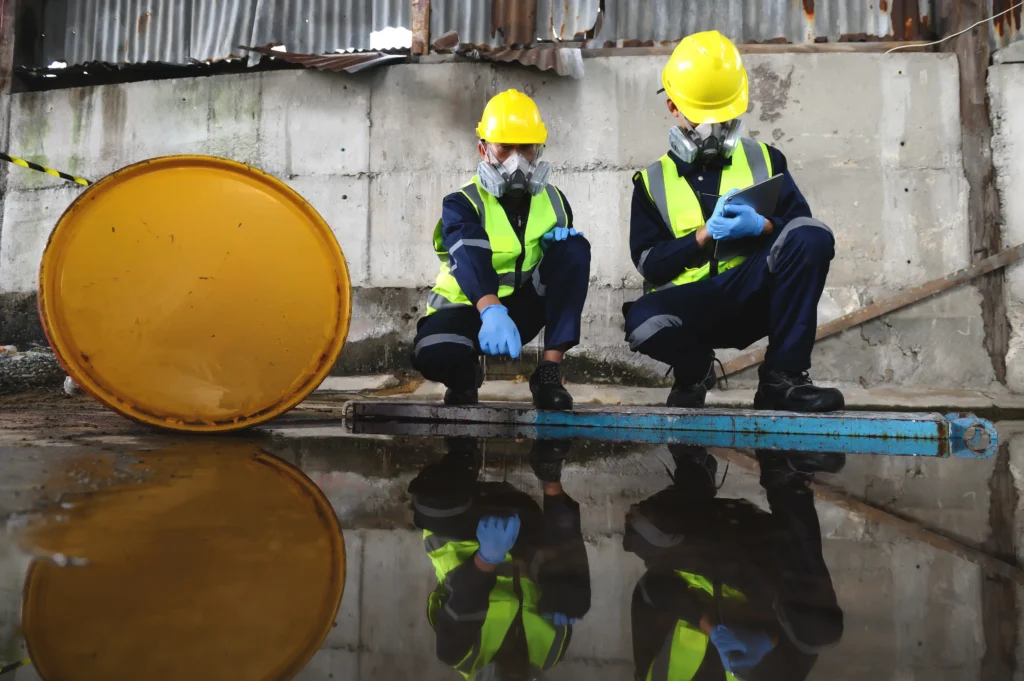
Supply Chain Failures: Toxic Chemical Exposure Leading to Burns, Organ Damage, and Wrongful Death
Workers, drivers, warehouse employees, emergency responders, and nearby families can suffer life-changing injuries when hazardous chemicals leak, spill, or ignite. A single transportation failure or packaging defect can expose people to toxic fumes, chemical burns, respiratory damage, explosions, or long-term…

Five Killed in Virginia I-95 Bus Crash as Investigators Examine Multi-Vehicle Collision Near Work Zone
Five people were killed and dozens more were injured when a bus struck multiple vehicles on Interstate 95 in Virginia. For the families involved, the central question is not only what happened in the seconds before impact, but whether the…