

Legionnaires’ Disease (Legionella)
Legionnaires’ disease is a severe form of pneumonia caused by Legionella bacteria and when it hits hard, it can mean ICU care, respiratory failure, long-term lung damage, or wrongful death.
What makes these cases different is that the exposure often isn’t obvious. People can do everything “right” and still get sick after visiting, living in, or working around a building with a poorly managed water system. Legionella grows best in large, complex water systems that aren’t adequately maintained.


How Much Is Your Case Worth?
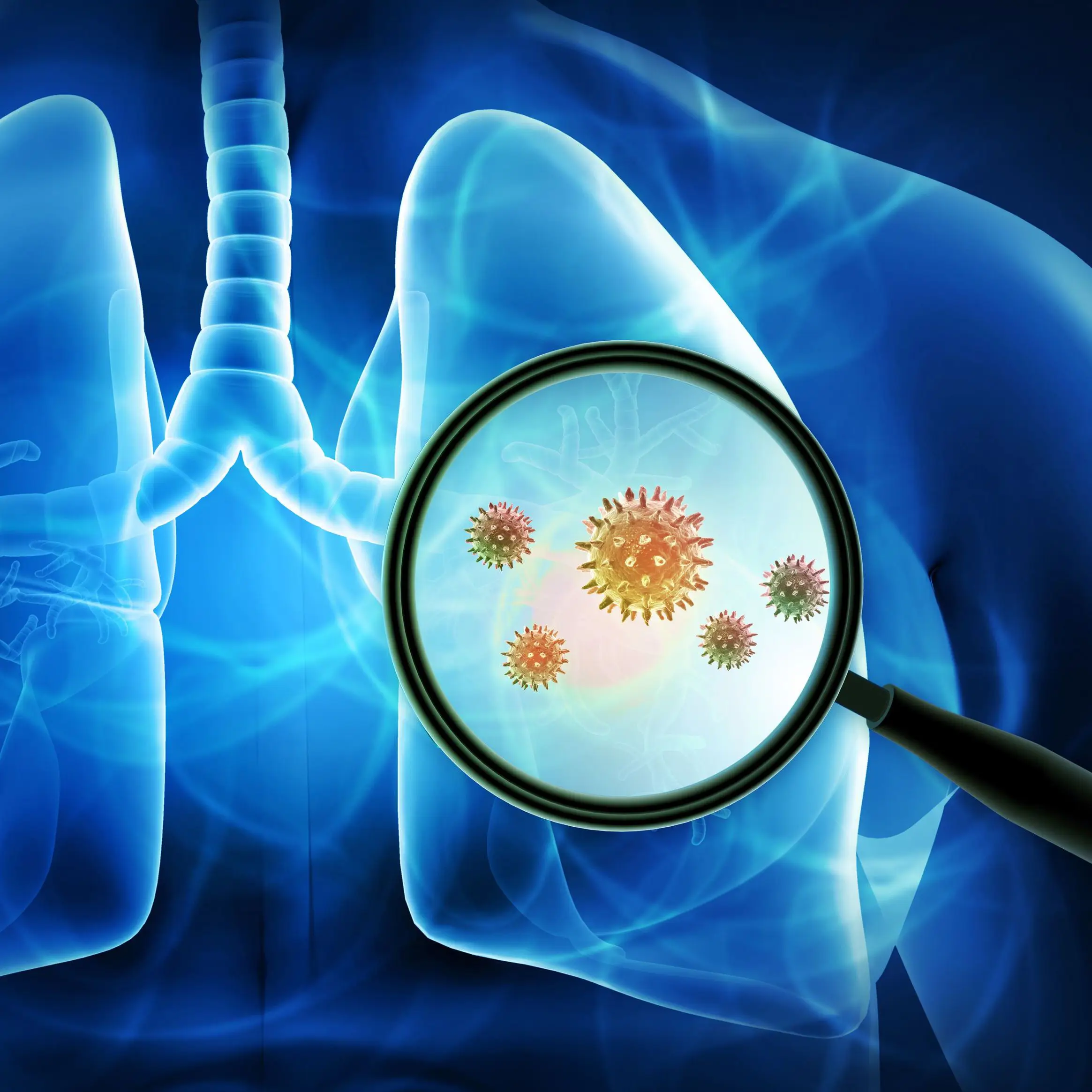
The “building-to-lungs” pathway
Legionella becomes a serious hazard when three things line up:
- Legionella grows in a system. It thrives in large, complex water systems that aren’t adequately maintained, especially where warm water and stagnation create the right conditions.
- The water becomes airborne. The contaminated water has to disperse into tiny droplets (mist/aerosol) that people can breathe in.
- A person inhales or aspirates it. People are typically infected by breathing in contaminated mist, and less commonly by aspiration (water “going down the wrong way” into the lungs).
In general, Legionnaires’ disease is not spread person-to-person (rare exceptions may be possible).
Common sources that show up in real cases
Legionella risk often traces back to familiar building features especially where water is warm, recirculating, or aerosolized:
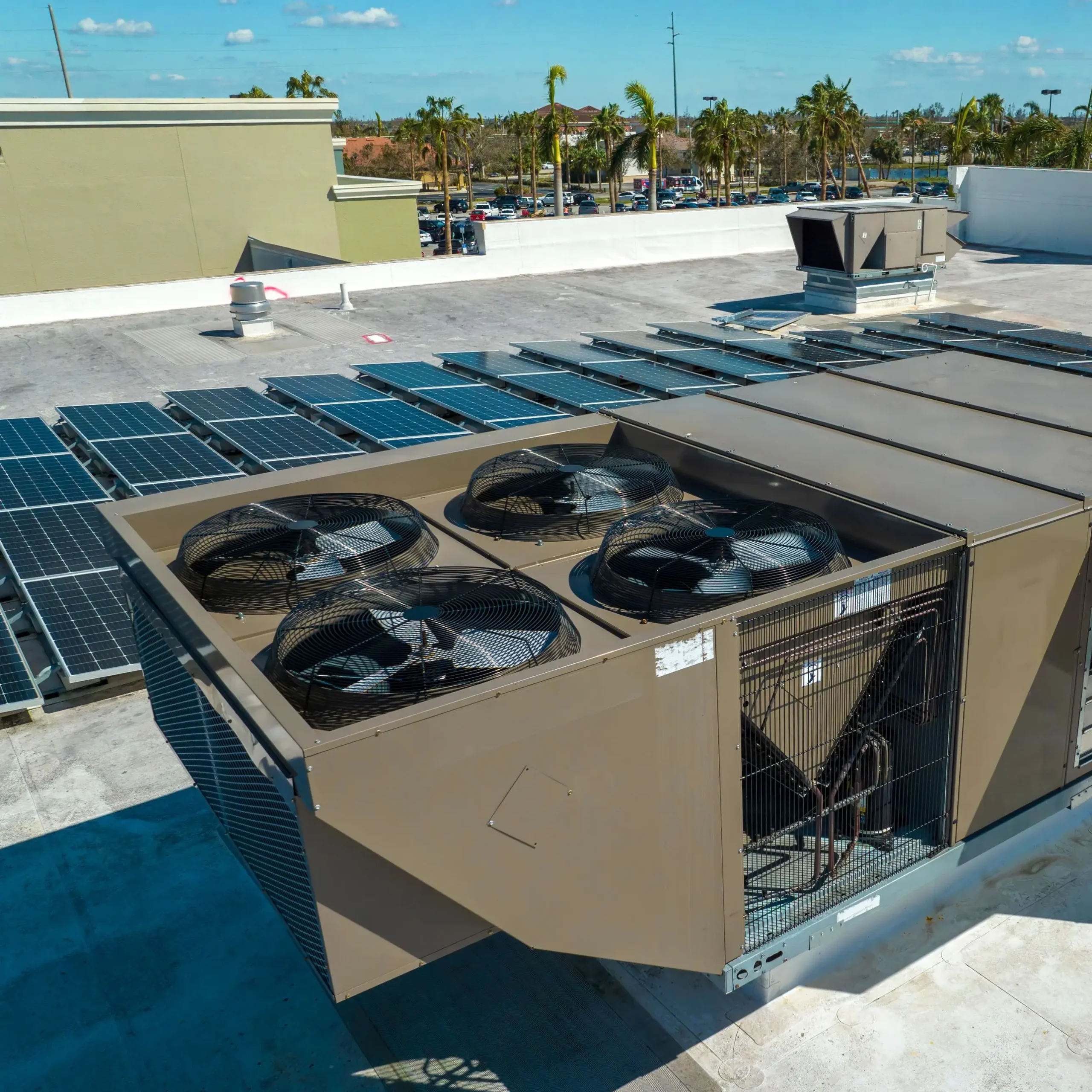
- Cooling towers (central HVAC/industrial cooling systems)
- Decorative fountains and water features
- Hot tubs (especially when not properly drained/maintained)
- Hot water tanks and heaters
- Large plumbing systems
- Showers and faucets

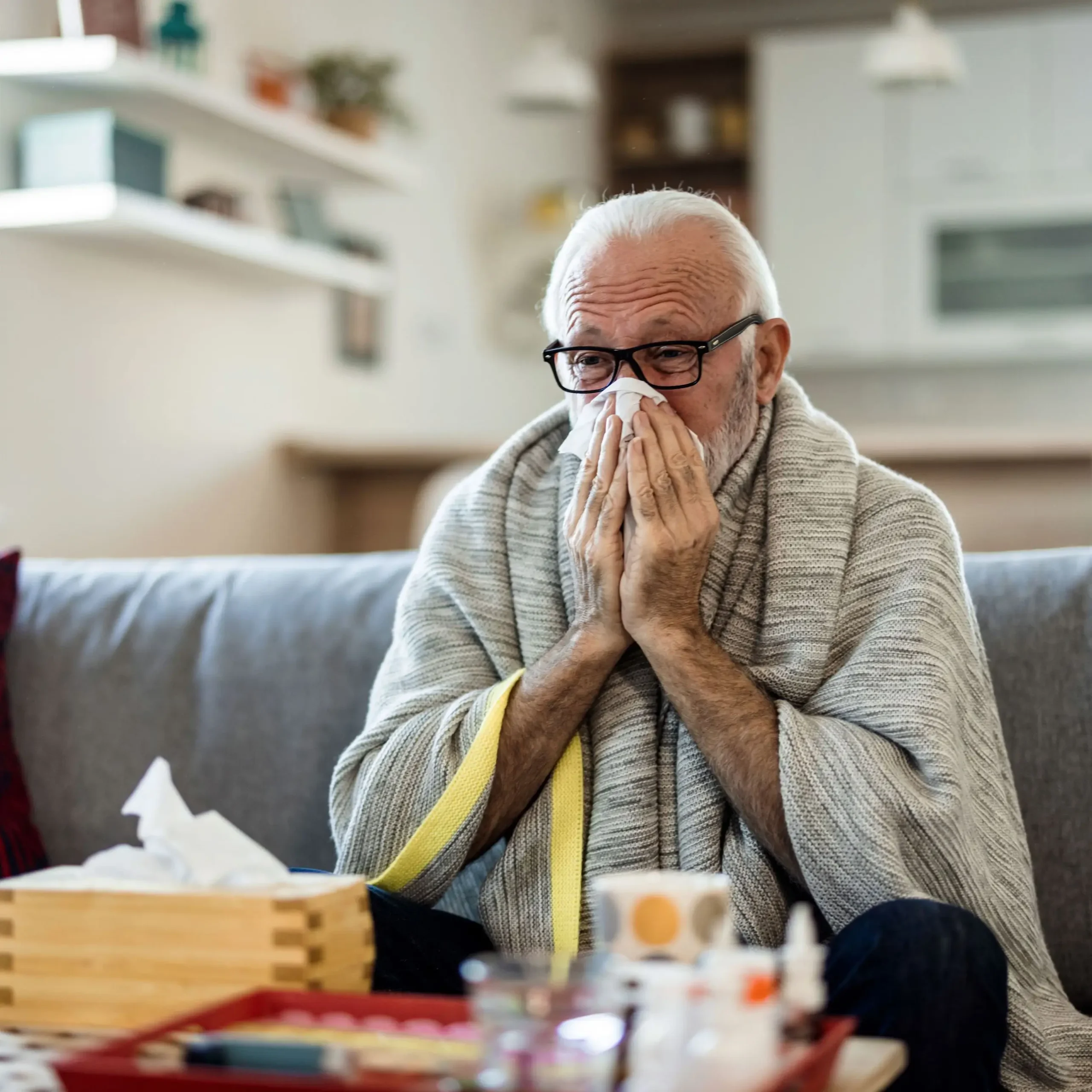
The symptom window: what makes tracing exposure possible
Legionnaires’ disease symptoms can mirror “ordinary pneumonia” at first until they accelerate.
Common symptoms include cough, fever, headaches, muscle aches, and shortness of breath.
Symptoms typically begin about 2–10 days after exposure, though CDC materials also note 2–14 days and sometimes longer, so watching for symptoms for about two weeks after a suspected exposure is important.
Your page also highlights a practical point that matters in both medicine and investigation: if you develop pneumonia symptoms, it’s important to tell a clinician if you used a hot tub, spent nights away from home (hotel travel), or had a recent hospital stay in the prior two weeks.
Why the consequences can be catastrophic
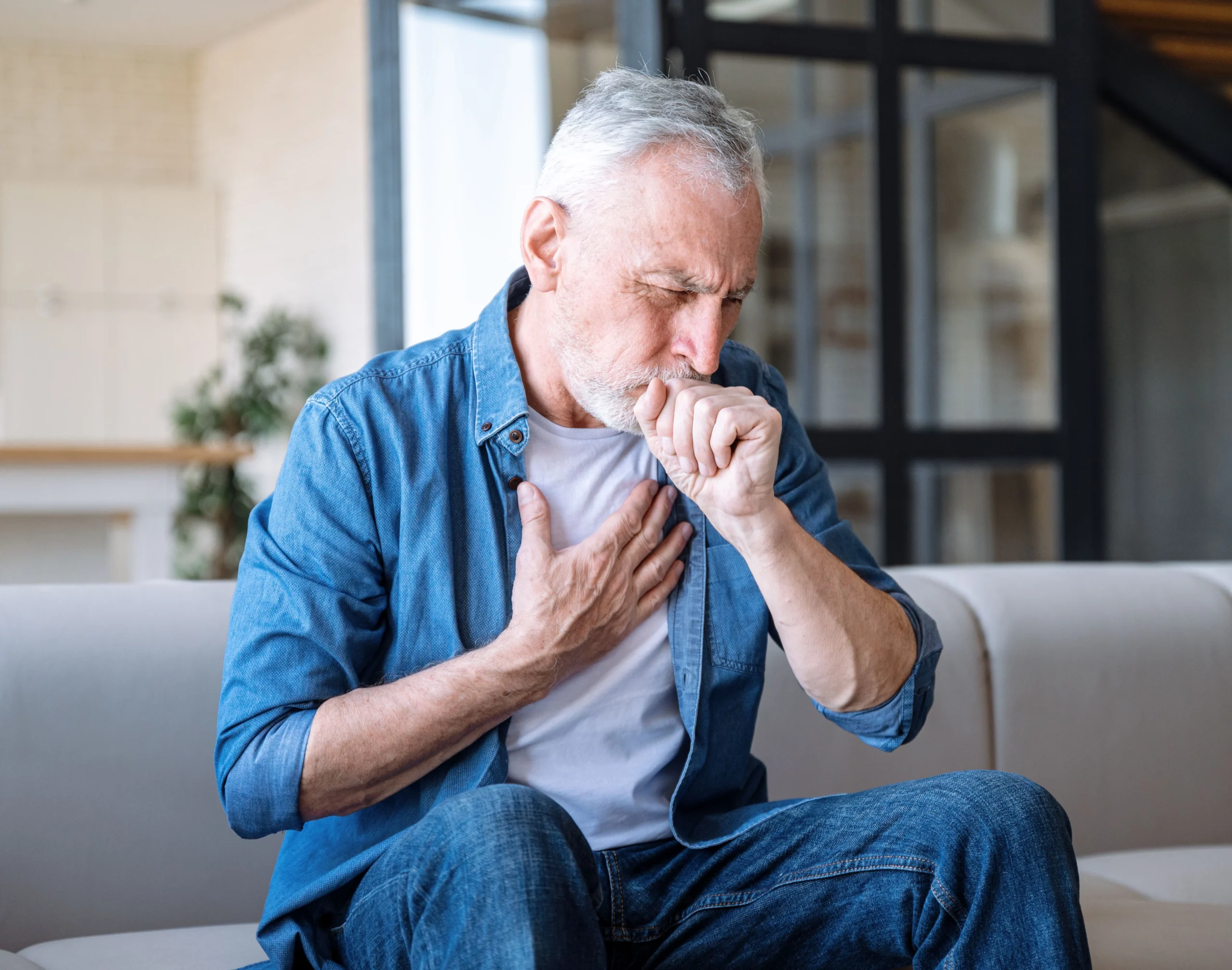
Even when treated with antibiotics, Legionnaires’ disease can spiral quickly particularly for older adults or people with underlying risk factors. CDC materials note that about 1 in 10 people who get Legionnaires’ disease die from complications.
Severe cases can lead to life-threatening complications like respiratory failure, kidney failure, sepsis, and long-term impairment.

Why Philadelphia is part of this story
Legionnaires’ disease is named after the 1976 outbreak at an American Legion convention in Philadelphia, where investigators ultimately traced the spread to a building’s air-conditioning/cooling system and later identified the responsible bacterium.
And nationally, public health surveillance has shown reported cases have generally increased since the early 2000s.
What a Legionella toxic tort case investigates
These cases aren’t built on suspicion, they’re built on whether a property owner, facility, or operator failed to manage a foreseeable water-system hazard.
A serious investigation commonly focuses on:
- Where you were in the exposure window (travel, healthcare stays, residential buildings, workplaces)
- Whether the building had a water management program and whether it was followed (maintenance, disinfection, monitoring)
- Records that tell the truth when memory can’t: maintenance logs, service contracts, inspection reports, water testing results, public health notices
- Medical confirmation: pneumonia diagnosis plus Legionella testing and clinical course


If this happened to you: what to save now
If you or a loved one has been diagnosed, a few early steps can protect both health and evidence:
- Keep a simple 14-day timeline of places visited, overnight stays, healthcare visits, and workplace locations.
- Save medical records: ER notes, imaging, lab results (including Legionella testing), discharge summaries.
- Preserve receipts and records that prove presence (hotel confirmations, visitor logs, badge records).
- Don’t assume someone else will keep building records, those can change fast after an incident.
Preventable exposure. Irreversible consequences.
Legionnaires’ disease is often described as “environmental,” but that doesn’t mean unavoidable. When Legionella is allowed to grow in a building water system, people can be exposed without warning and within days, a family can be facing ICU care, permanent injury, or loss of life.
If you’re dealing with catastrophic injury or wrongful death tied to Legionella exposure, this is the kind of case that demands urgency, documentation, and a clear reconstruction of how a building’s water became a source of harm.
Learn More
Toxic Chemical Exposure After Train, Truck, and Warehouse Spills
A train derailment, tanker truck crash, or warehouse spill can release hazardous chemicals into the air or across a worksite within seconds. Workers, drivers, emergency responders, nearby residents, and others may be exposed by breathing in contaminated air, getting chemicals…
Railroad Toxic Exposure Claims: Cancer, Lung Disease, and Proving Workplace Causation
Railroad workers face dangers that extend far beyond traumatic injuries and derailments. For decades, railroad employees have been exposed to toxic substances capable of causing serious illnesses, including cancer, chronic lung disease, and other life-altering medical conditions. Under the Federal…
Toxic Exposure Claims: Identifying the Right Liability Theory
Toxic exposures can cause life-altering injuries. The source may be a defective product, an unsafe workplace, a leaking facility, a mislabeled container, or a chemical release that reaches homes, schools, or nearby businesses. The legal claim depends on where the…
Growing New York City Legionnaires’ Disease Outbreak Raises Questions About Preventable Cooling Tower Failures
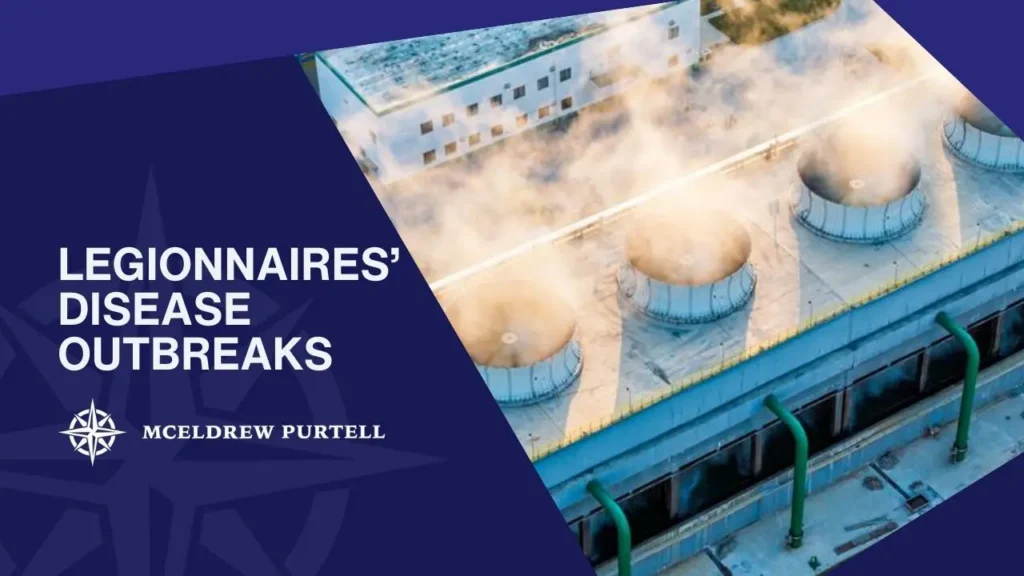
A growing Legionnaires’ disease outbreak on New York City’s Upper East Side has sickened at least 56 people, sending dozens to the hospital and triggering one of the city’s largest public health investigations of the year. Health officials are racing…
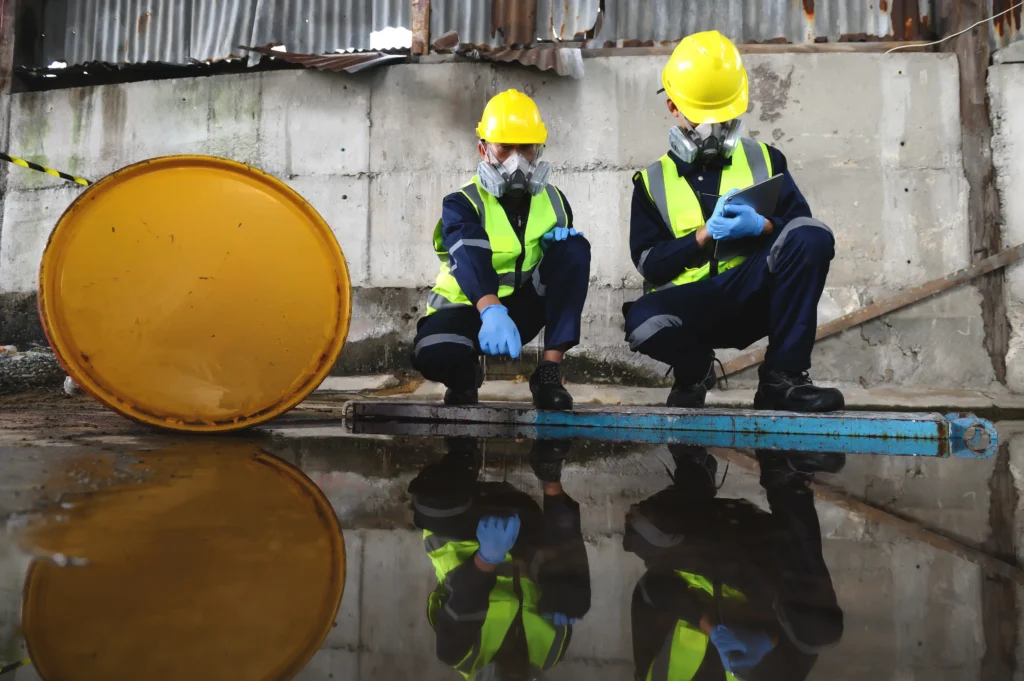
Supply Chain Failures: Toxic Chemical Exposure Leading to Burns, Organ Damage, and Wrongful Death
Workers, drivers, warehouse employees, emergency responders, and nearby families can suffer life-changing injuries when hazardous chemicals leak, spill, or ignite. A single transportation failure or packaging defect can expose people to toxic fumes, chemical burns, respiratory damage, explosions, or long-term…

Five Killed in Virginia I-95 Bus Crash as Investigators Examine Multi-Vehicle Collision Near Work Zone
Five people were killed and dozens more were injured when a bus struck multiple vehicles on Interstate 95 in Virginia. For the families involved, the central question is not only what happened in the seconds before impact, but whether the…