

When Recalled Food Causes Serious Harm, We Hold Companies Accountable.
Hospitalization, permanent injury, pregnancy loss, or wrongful death should never be the first warning that food was unsafe. Yet many recalls are issued only after consumers have already been exposed to contaminated, mislabeled, or dangerous products.
McEldrew Purtell represents individuals and families in serious food recall lawsuits involving contaminated, mislabeled, adulterated, or unsafe food products. These cases may involve grocery items, meat and poultry products, produce, dairy, frozen foods, prepared meals, baby food, restaurant-supplied products, or packaged foods distributed nationwide.
If you or a loved one became seriously ill after eating recalled food, our team can investigate what happened, identify potentially responsible companies, and determine whether the recall came too late to prevent harm.

How Much Is Your Case Worth?
Current Food Recalls We’re Monitoring
Food recalls can involve bacterial contamination, undeclared allergens, foreign material, misbranding, lack of inspection, or other safety failures. McEldrew Purtell monitors significant food recalls and public health alerts involving products that may cause serious illness, hospitalization, or wrongful death.
A recall does not automatically mean you have a lawsuit. But if you or a loved one became seriously ill after consuming a recalled food product, the recall may help establish when the safety issue was discovered, how widely the product was distributed, whether warnings were adequate, and whether the company acted quickly enough to protect consumers.
Recently monitored recall categories include:
- Produce recalls involving Salmonella, E. coli, Listeria, or Cyclospora
- Meat and poultry recalls involving contamination, misbranding, or lack of inspection
- Dairy and prepared-food recalls involving Listeria or other pathogens
- Packaged-food recalls involving undeclared allergens
- Baby food or children’s food recalls
- Restaurant, catering, or institutional food-service outbreak alerts
What Is a Food Recall Lawsuit?
A food recall lawsuit is a legal claim brought after someone is seriously harmed by an unsafe food product that was later recalled or should have been recalled sooner.
These cases may involve:
- Contaminated food sold in grocery stores
- Meat, poultry, or egg products subject to USDA-FSIS action
- FDA-regulated foods, supplements, packaged goods, produce, dairy, or prepared meals
- Undeclared allergens
- Foreign material contamination
- Food produced without proper inspection
- Food linked to an outbreak investigation
- Products recalled after consumers were already exposed
A recall can help show that a product was unsafe, but the lawsuit usually depends on deeper questions: who caused the contamination, when the company knew or should have known, whether the warning was adequate, and whether the recalled food caused the illness or injury.


Serious Illnesses and Injuries Linked to Recalled Food
McEldrew Purtell focuses on food recall cases involving serious injury, hospitalization, long-term complications, or wrongful death. Recalled food products may cause severe illness in otherwise healthy people, but the risks are often greatest for children, older adults, pregnant people, newborns, and immunocompromised individuals.
Serious food recall cases may involve:
- Hospitalization
- Sepsis or bloodstream infection
- Kidney failure
- Hemolytic uremic syndrome
- Meningitis
- Neurological injury
- Severe dehydration
- Pregnancy loss, stillbirth, or neonatal infection
- Long-term gastrointestinal complications
- Life-threatening allergic reactions
- Wrongful death
Who Can Be Liable for Recalled Food Injuries?
Food recall lawsuits often require investigation across the supply chain. Depending on the facts, responsible parties may include:
- Food manufacturers
- Processors and packagers
- Farms and growers
- Meat or poultry facilities
- Importers
- Distributors
- Grocery stores
- Restaurants and food-service companies
- Private-label brands
- Warehouses or cold-storage companies
- Testing labs or quality-control vendors
The key issue is not just that a recall happened. The question is where the safety failure occurred and whether earlier action could have prevented the injury.


What Evidence Matters in a Food Recall Lawsuit?
Food recall cases are evidence-sensitive.
Important evidence may include:
- The recalled product packaging
- Lot number, Universal Product Code (UPC), sell-by date, or establishment number
- Receipts, grocery apps, Instacart/Amazon/Walmart/Target/Kroger records
- Photos of the product
- Medical records and lab testing
- Stool, blood, or culture test results
- Health department communications
- Recall notices
- Product distribution records
- Witnesses who ate the same food
- Leftover product, if safely preserved
- Timeline of symptoms and treatment
Why Choose McEldrew Purtell for a Food Recall Lawsuit?
Food recall lawsuits are not simple food poisoning claims. They often require fast action, product tracing, medical causation analysis, public health review, and investigation into when a company knew or should have known that a product was unsafe.
McEldrew Purtell represents individuals and families in serious injury and wrongful death cases involving contaminated, mislabeled, adulterated, or dangerous food products. Our team investigates how unsafe food reached consumers, whether warnings or recalls came too late, and which companies in the supply chain may be responsible.
If you or a loved one suffered serious illness, hospitalization, pregnancy loss, permanent injury, or wrongful death after eating recalled food, McEldrew Purtell can help you understand your legal options. Contact us today for a free consultation.

Learn More
Toxic Chemical Exposure After Train, Truck, and Warehouse Spills
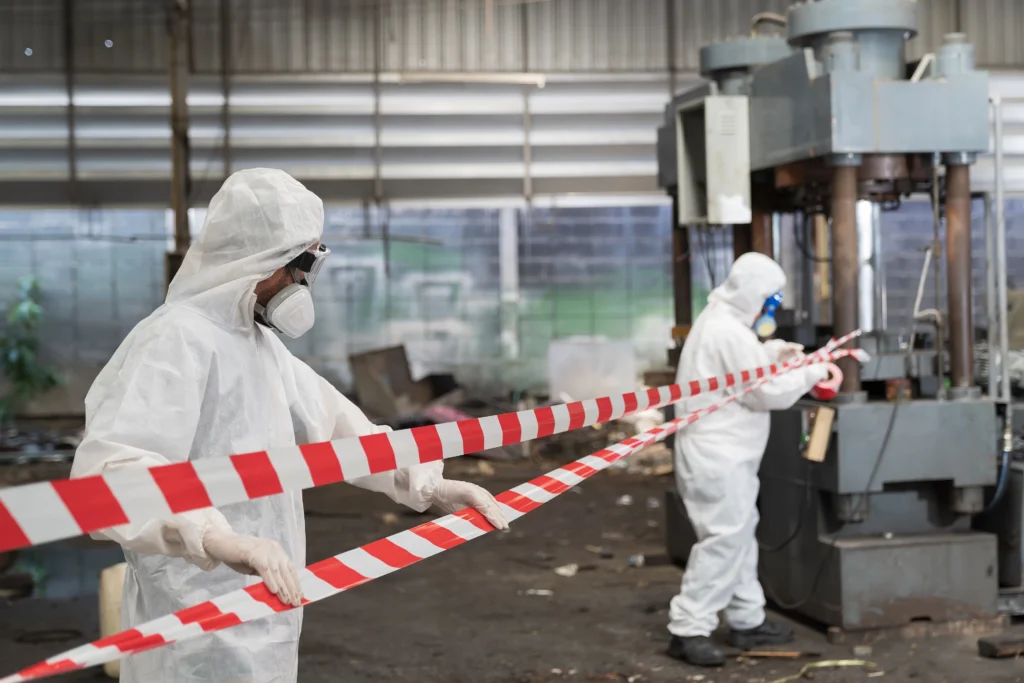
A train derailment, tanker truck crash, or warehouse spill can release hazardous chemicals into the air or across a worksite within seconds. Workers, drivers, emergency responders, nearby residents, and others may be exposed by breathing in contaminated air, getting chemicals…
Railroad Toxic Exposure Claims: Cancer, Lung Disease, and Proving Workplace Causation
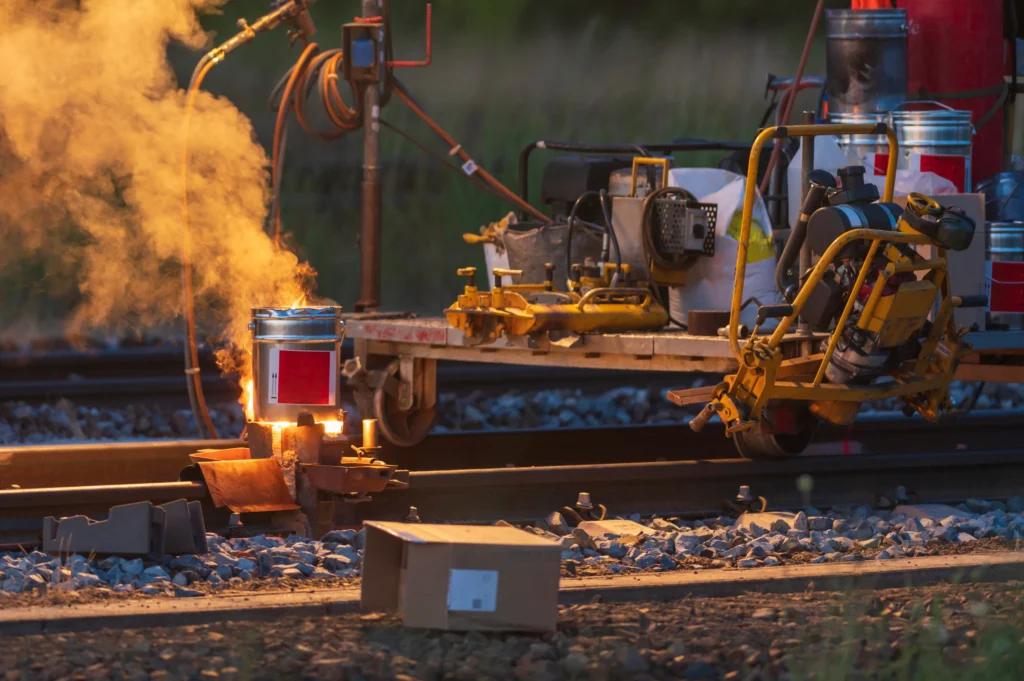
Railroad workers face dangers that extend far beyond traumatic injuries and derailments. For decades, railroad employees have been exposed to toxic substances capable of causing serious illnesses, including cancer, chronic lung disease, and other life-altering medical conditions. Under the Federal…
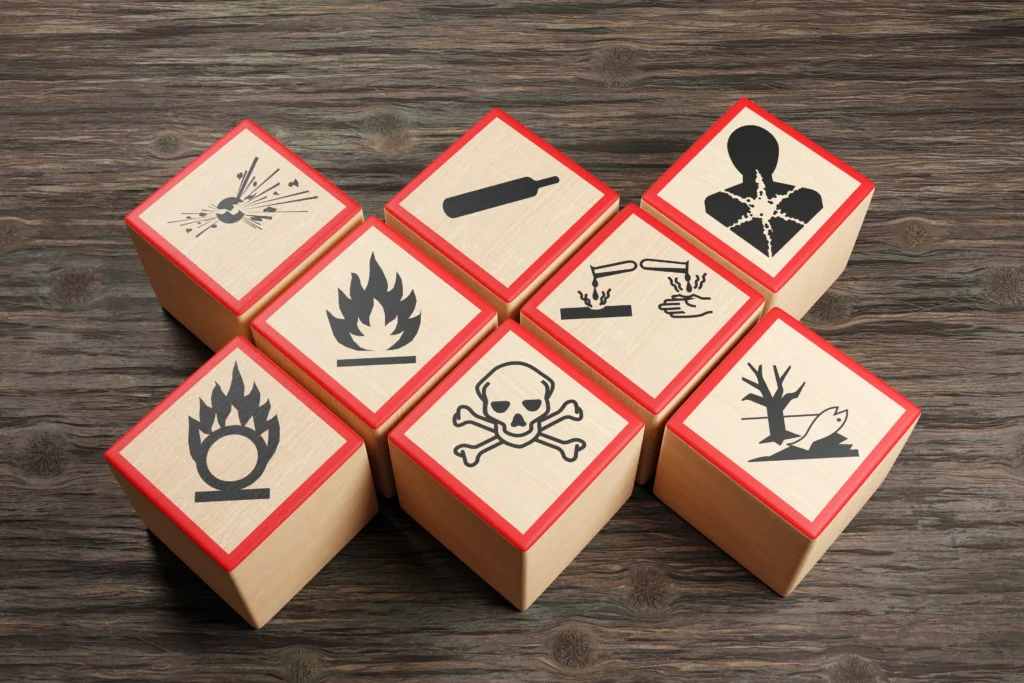
Toxic Exposure Claims: Identifying the Right Liability Theory
Toxic exposures can cause life-altering injuries. The source may be a defective product, an unsafe workplace, a leaking facility, a mislabeled container, or a chemical release that reaches homes, schools, or nearby businesses. The legal claim depends on where the…
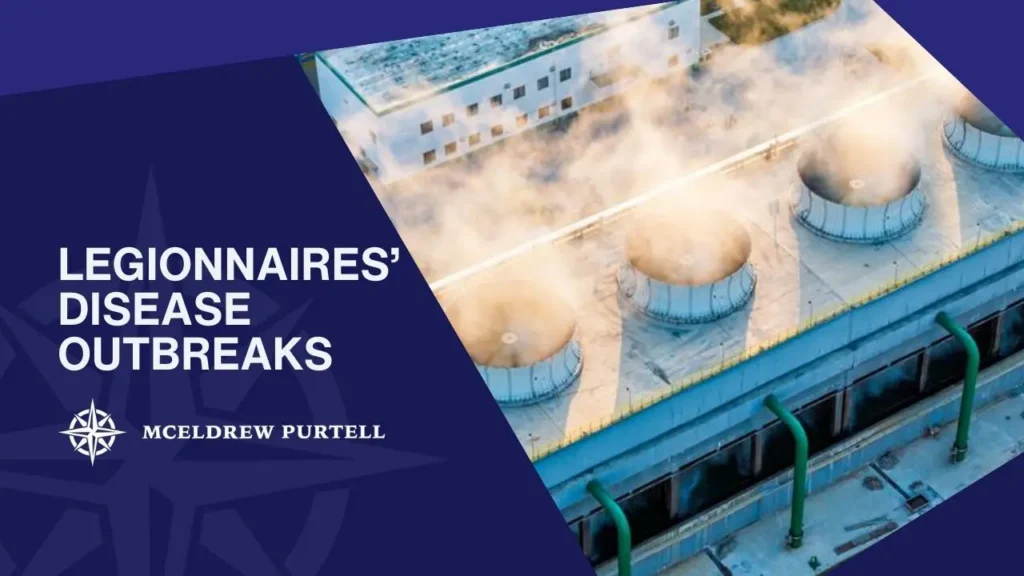
Growing New York City Legionnaires’ Disease Outbreak Raises Questions About Preventable Cooling Tower Failures
A growing Legionnaires’ disease outbreak on New York City’s Upper East Side has sickened at least 56 people, sending dozens to the hospital and triggering one of the city’s largest public health investigations of the year. Health officials are racing…
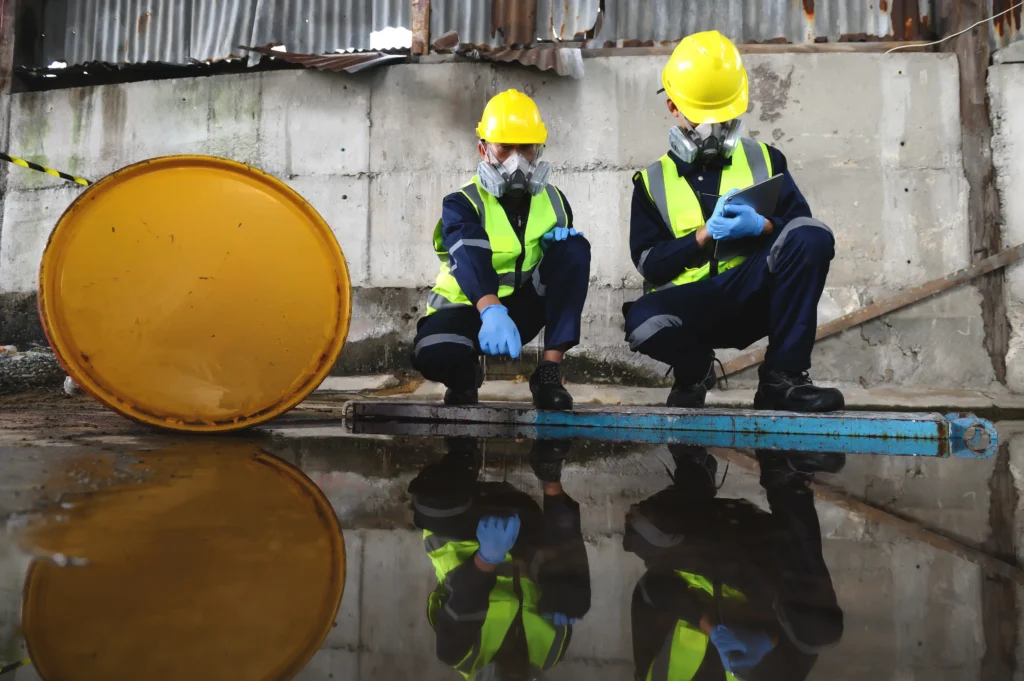
Supply Chain Failures: Toxic Chemical Exposure Leading to Burns, Organ Damage, and Wrongful Death
Workers, drivers, warehouse employees, emergency responders, and nearby families can suffer life-changing injuries when hazardous chemicals leak, spill, or ignite. A single transportation failure or packaging defect can expose people to toxic fumes, chemical burns, respiratory damage, explosions, or long-term…
Five Killed in Virginia I-95 Bus Crash as Investigators Examine Multi-Vehicle Collision Near Work Zone
Five people were killed and dozens more were injured when a bus struck multiple vehicles on Interstate 95 in Virginia. For the families involved, the central question is not only what happened in the seconds before impact, but whether the…